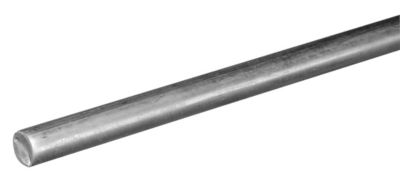
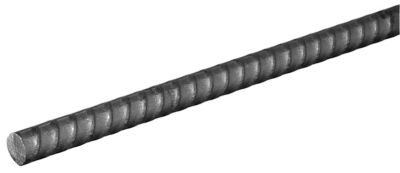
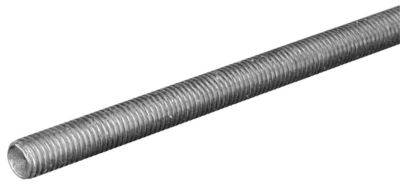
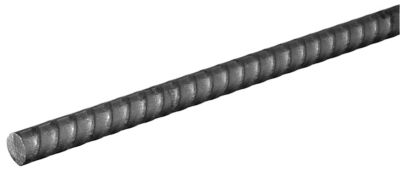
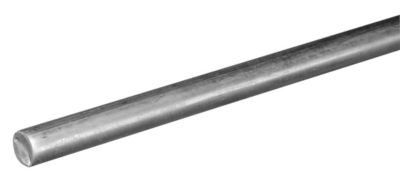
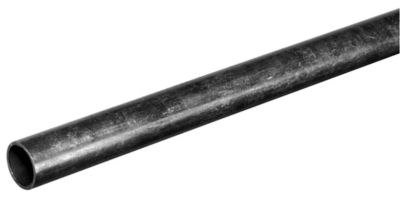
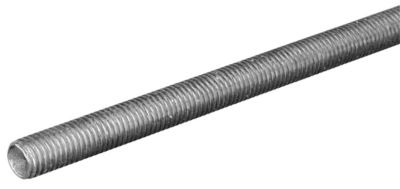
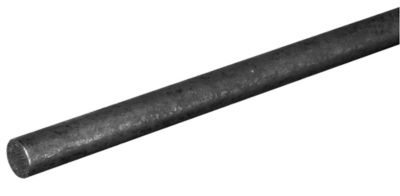
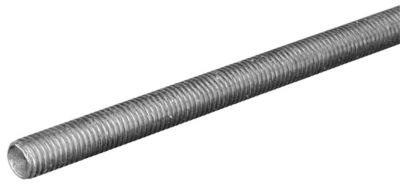
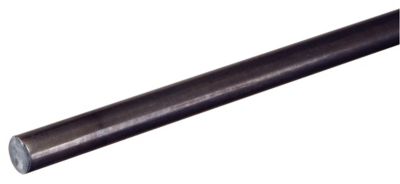
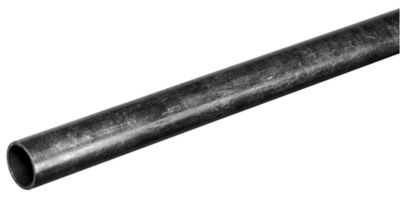
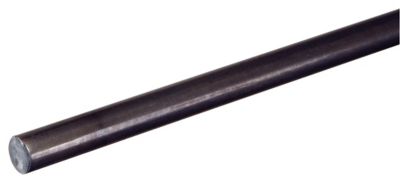
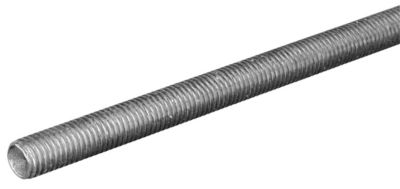
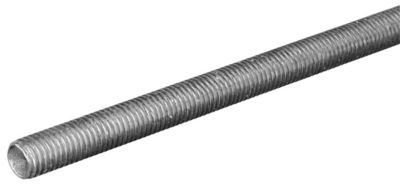
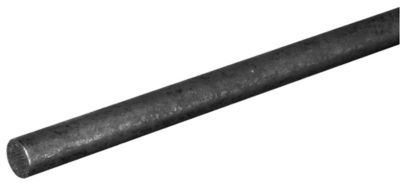
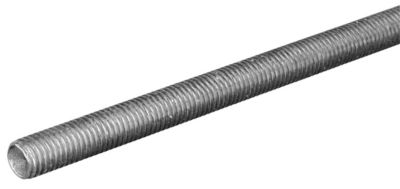
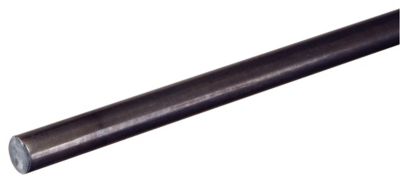
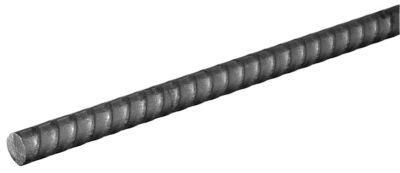
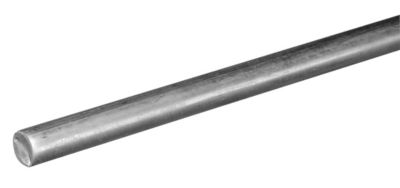
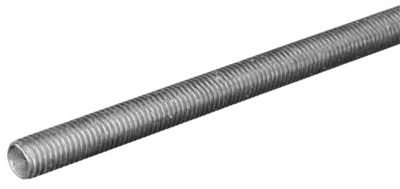
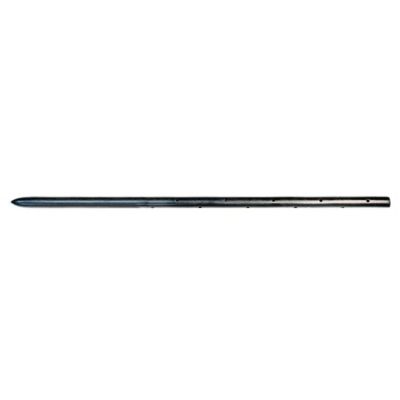
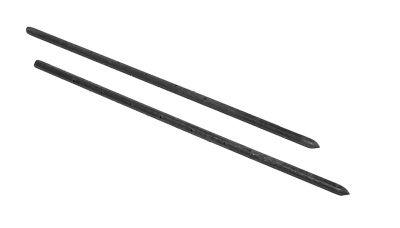
Steel rods for construction include reinforcing bars, smooth round bars, and threaded rods, with each type serving a different job. Reinforcing bar, commonly called rebar, works inside concrete to add tensile strength—the ability to resist pulling forces. Concrete handles compression well, but reinforcing steel helps it carry stresses that would otherwise cause cracking or failure. That combination matters in foundations, slabs, walls, and other concrete structures where the design calls for reinforcement. The raised ribs on deformed rebar help the concrete grip the steel so the two materials can work together under load. Reinforcement can help control crack widths, but it does not make concrete crackproof or take the place of proper concrete placement, curing, and joint design. Around a farm or rural property, that might mean reinforcement specified for a barn foundation, a equipment pad, or a retaining wall beside a driveway. The rod size, spacing, placement, and amount of steel depend on the structure and its expected loads, not simply the size of the concrete pour. Smooth steel rods have a different role in many fabrication and repair projects, including pins, shafts, brackets, and assemblies where a round profile fits the design. They are not interchangeable with ribbed reinforcing bars just because their diameters match. Threaded rods provide fastening points for compatible nuts and washers and may be part of supports, clamps, or engineered anchoring assemblies. A threaded rod intended for general fastening is not automatically suitable as a structural anchor. Contractors, fabricators, farmers, and property owners all have reasons to work with these materials, whether the job involves new construction or keeping existing buildings and equipment in working order. The important distinction is what the rod must do: reinforce concrete, carry a specified load, connect components, or form part of a fabricated assembly. Matching the rod to that role keeps a straightforward repair from becoming a weak point in a larger structure.
Dimensions and material specifications tell much more about a construction rod than its appearance alone. Diameter affects cross-sectional area, while grade identifies specified mechanical properties such as yield strength. Length affects fit, handling, and the space needed for connections or reinforcement details. In standard United States rebar sizing, a #3 bar has a nominal diameter of 3/8 inch, a #4 bar is 1/2 inch, and a #5 bar is 5/8 inch. Those designations describe sizes, not a blanket recommendation for any particular slab or foundation. A thicker bar is not always the right substitute for a smaller one because spacing, concrete cover, bend details, and the complete reinforcement layout also matter. Concrete cover is the distance between the reinforcing steel and the concrete surface; the required cover helps protect the steel and support the intended performance of the structure. For a concrete project, approved plans and local building requirements should govern the reinforcement rather than a guess based on a neighboring building. Material standards also help distinguish bars that look much alike. ASTM A615 addresses carbon-steel reinforcing bars, while ASTM A706 addresses low-alloy reinforcing bars with requirements that support weldability. Even then, welding requires the appropriate procedure and approval for the application. For threaded rods, fit includes thread diameter and pitch, compatible nuts, suitable washers, and the required engagement length. A nut that starts onto a rod does not necessarily establish a sound connection if its threads, grade, or finish do not match the assembly. Plain steel, galvanized steel, and stainless steel offer different corrosion characteristics, and the right choice depends on exposure, surrounding materials, and project specifications. Coatings also need to suit the intended connection or concrete application. On a shop bench, it is easy to focus on whether a rod fits through a hole; on a load-bearing job, the connection must also meet the design requirements. Checking dimensions and specifications before fabrication helps avoid mismatched hardware, unnecessary cutting, and connections that cannot perform as intended.
Care and handling matter before a rod ever becomes part of a building or repair. Long steel bars can be awkward to move through a shop doorway, across a work area, or onto a trailer, especially when several pieces are bundled together. Supported storage keeps them from rolling into walkways or bending under poorly placed loads, and secure transport helps prevent shifting. Keeping steel off bare ground and away from standing water limits unnecessary corrosion and makes markings easier to inspect. Reinforcing bars also need to be free of oil, mud, and other substances that can interfere with their bond to concrete. Light surface rust is not the same as deep pitting, loose scale, or a loss of cross-sectional area; acceptance depends on the applicable specification and the condition of the bar. Rods with questionable damage deserve review before they go into a structural assembly. Cutting and bending can affect both fit and performance, so finished dimensions, bend requirements, and any restrictions on field modifications matter. Proper eye protection, gloves suited to the task, and safe handling practices help manage sharp cut ends and pinch points. Projecting reinforcing bars present an impalement hazard, and ordinary plastic caps may not provide the protection that hazard requires. Welding brings another set of considerations. Structural reinforcing steel cannot be assumed weldable without checking its grade, chemistry, and the approved connection details. Separate fabrication work may involve
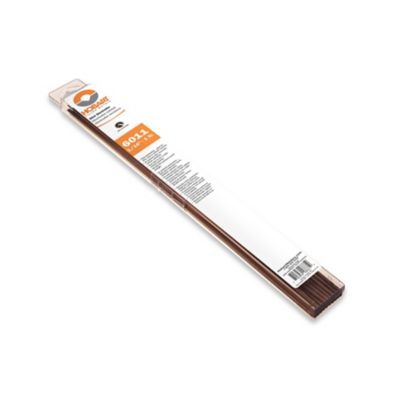
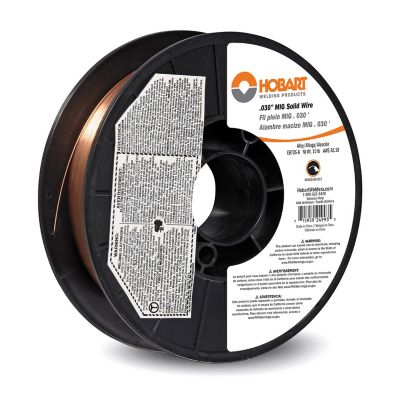
Welding Rods For Galvanized Steel, but welding electrodes are consumables, not substitutes for reinforcing bars or fastening rods. Welding zinc-coated material requires appropriate fume controls and safe procedures, along with attention to any coating damage around the joint. For everything from a concrete foundation to a shop-built support, sensible rod selection comes down to the intended job, documented material properties, sound connections, and proper care. Those details help keep construction steel working as part of the whole assembly rather than treating every straight piece of metal as the same material.