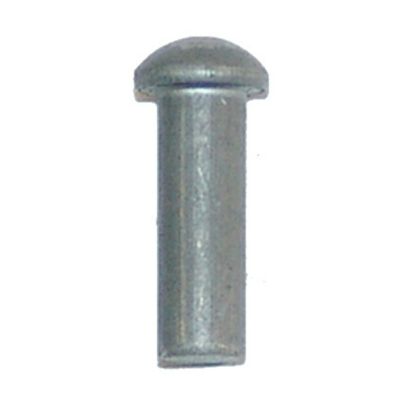
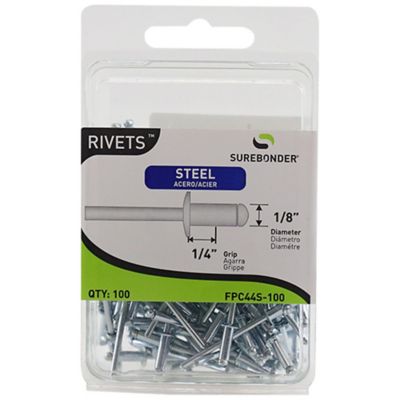
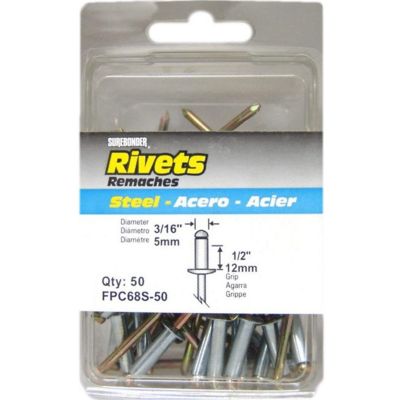
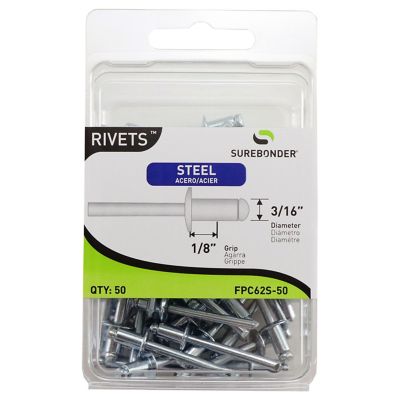
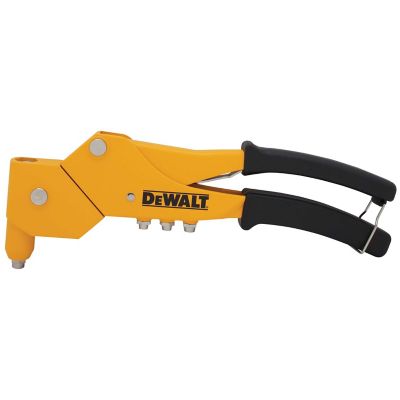
Steel rivets are permanent mechanical fasteners that join materials by forming a second head after insertion through a hole. They’re a practical choice for sheet metal, steel panels, brackets, and other assemblies that don’t need to come apart for routine service. Unlike a screw or bolt, a rivet has no threaded connection to back out, making a properly selected and installed riveted joint well suited to many applications involving vibration. That doesn’t make every rivet right for every load, though: strength depends on the rivet’s material, diameter, construction, and installation, along with the metal surrounding it. Around a farm shop, garage, or equipment shed, steel rivets can make sense for fastening a sheet-metal patch, securing a nonstructural panel, or attaching a bracket where a projecting nut would get in the way. Their compact shape helps keep assemblies tidy, especially along overlapping seams and narrow flanges. Blind rivets, often called pop rivets, are designed for installation from one accessible side of the work. A rivet tool pulls a mandrel through the rivet body, expanding the far end to hold the layers together before the mandrel breaks at its designed point. That one-sided access matters when the back of a panel sits inside a closed housing or behind another component. Solid steel rivets work differently: their solid shank is upset, or reshaped, with suitable setting equipment to form the closing head. Conventional solid-rivet installation requires access to both sides, with support behind the factory head while the opposite end is formed. Solid rivets and blind rivets aren’t interchangeable simply because their diameters match. Each style has its own installation demands and load characteristics. For farmers, mechanics, metalworkers, and property owners, the best fit starts with the job itself: what the joint holds, how the assembly moves, and whether there’s room to reach behind it. Permanent fastening also means removal generally involves drilling out the rivet rather than simply turning a wrench.
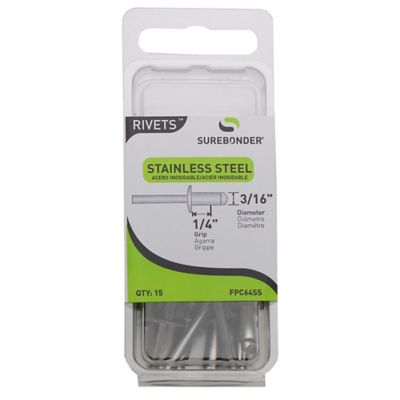
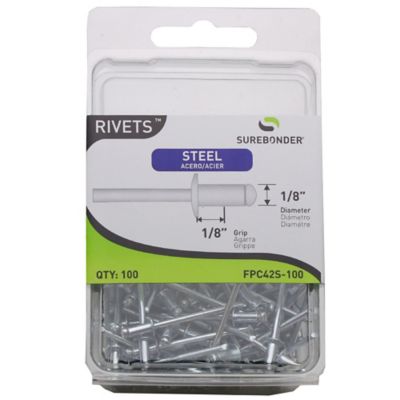
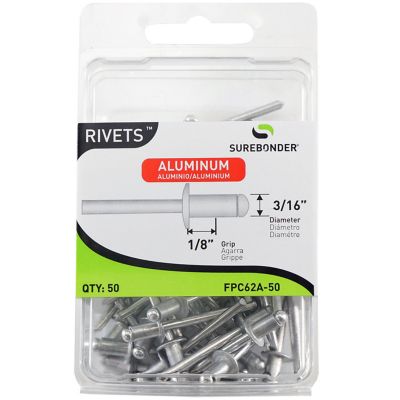
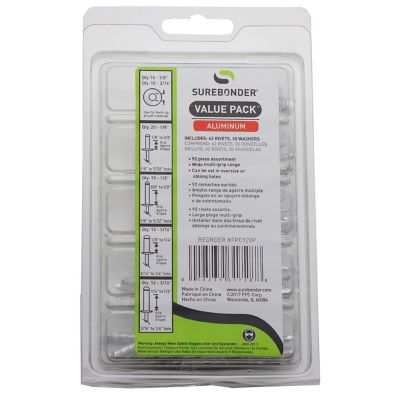
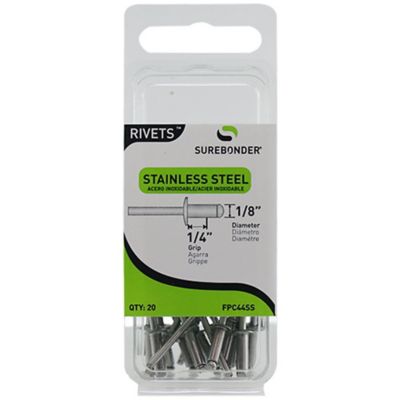
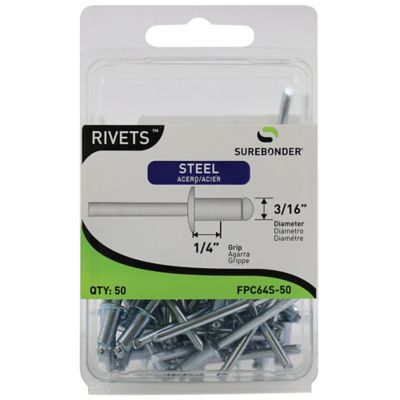
Material and finish are worth a close look when choosing steel rivets. Carbon steel provides strength for many steel-to-steel connections, while a zinc-plated finish adds a protective barrier against corrosion. Stainless steel offers corrosion resistance through the alloy itself, although the grade and exposure still matter. Neither finish nor material alone tells the whole story. On a blind rivet, the body and mandrel may have different material specifications, so both deserve attention when corrosion or material compatibility is a concern. Contact between dissimilar metals can encourage galvanic corrosion when an electrolyte, such as moisture containing salts, is present. That makes the surrounding sheet metal, any coating, and the service environment part of the selection—not just the rivet in the hole. Fit is equally important. Rivet diameter corresponds to a specified hole size, and a hole that’s too large can leave a loose fit or reduce joint strength. A hole that’s too tight can prevent proper insertion. For blind rivets, grip range describes the combined material thickness the fastener is designed to clamp. Two overlapping sheets, plus any washer or backing piece included in the connection, all contribute to that thickness. Overall rivet length is not the same measurement as grip range. Solid rivets need enough shank projecting beyond the joined materials to form the closing head, with the required allowance depending on the rivet and setting method. Head shape also affects how the finished connection sits. A dome head stands above the surface, a countersunk head can sit flush in a properly prepared hole, and a large-flange head spreads contact over more surface area. That broader contact can help with thin material, but it doesn’t turn a weak panel into a load-bearing support. Edge distance, rivet spacing, and the condition of the base metal matter too. A sound connection needs enough intact material around each hole to resist tearing, especially near a panel edge or an existing crack.
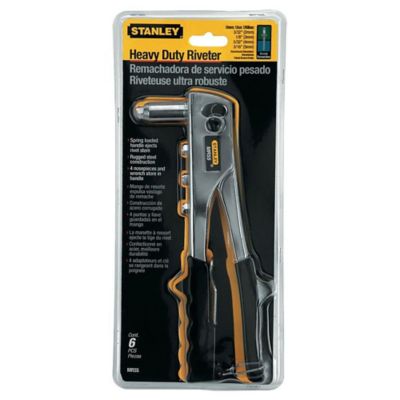
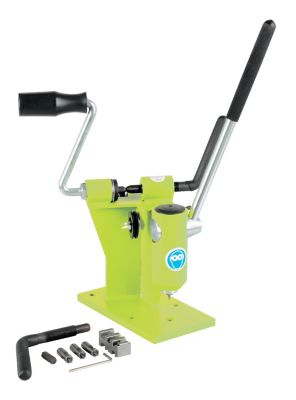
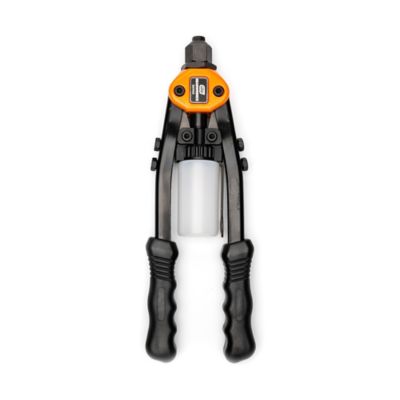
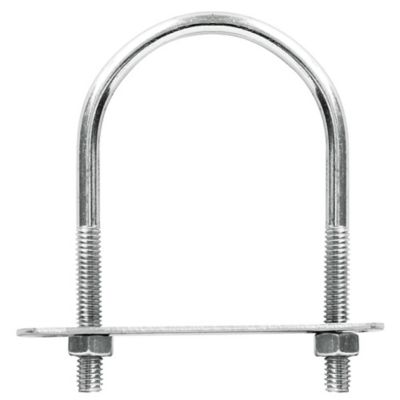
The right steel rivet also needs to match the tool and the working space. Blind-rivet tools have limits for fastener diameter and material; a hand riveter that handles an aluminum rivet may not have the capacity for a steel rivet of the same diameter. Matching nosepieces, adequate pulling force, and clearance for the tool help the fastener seat as intended. A long handle can provide leverage at the workbench but may be awkward inside a tight equipment compartment. Solid steel rivets call for suitable setting tools and firm backing, rather than a blind-rivet gun. These differences become clear on everyday shop jobs: a thin enclosure panel may offer access from only the front, while a loose metal assembly on the bench may allow support on both sides. Clean, aligned holes and closely fitted layers give either style a better starting point. Burrs, gaps, and badly worn holes can keep a rivet from clamping properly, even when the nominal size looks right. Eye protection matters during drilling and setting, particularly when mandrels break or metal chips fly. After installation, care centers on the joint and its surrounding surfaces. Signs of movement, rust streaks, cracking, or an opening seam deserve attention, and damaged protective coatings may need treatment compatible with the assembly. Rivets don’t require periodic tightening like threaded fasteners, but the connection still benefits from inspection during equipment maintenance. Standard open-end blind rivets shouldn’t be assumed to create a watertight seal; applications requiring sealing call for a fastener and joint design rated for that purpose. Likewise, structural repairs, lifting equipment, brakes, and other safety-critical assemblies need the specified fastening system, not a general-purpose substitution. Where the job calls for clamping around pipe or round tubing instead of permanently joining overlapping sheets,
steel U bolts serve a different fastening role. Keeping those roles straight helps narrow the choice to a connection that fits the work, whether that’s a neat panel seam or a bracket attachment that stays put through everyday shop service.