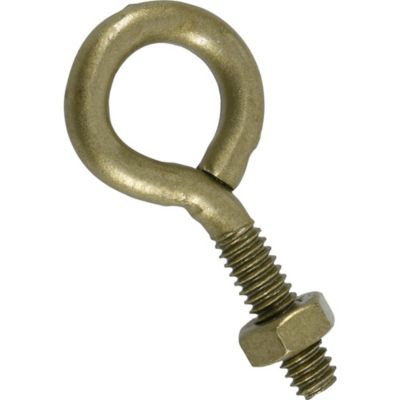
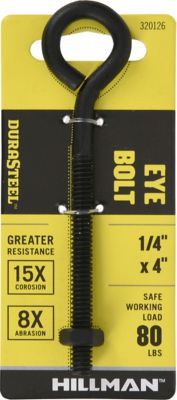
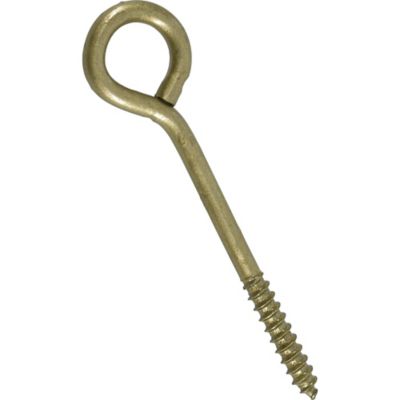
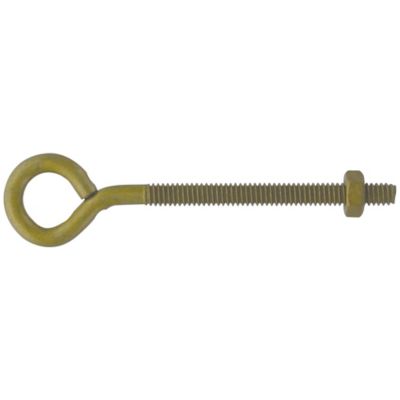
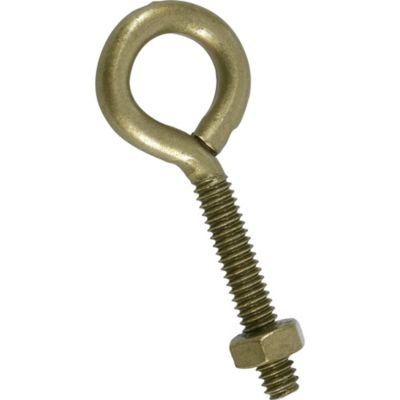
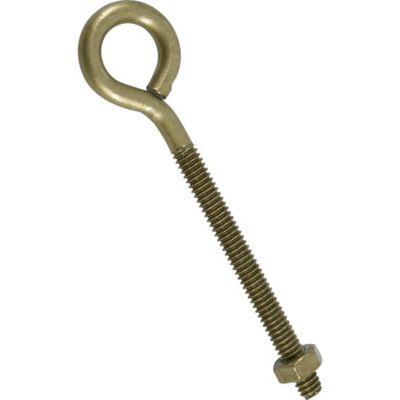
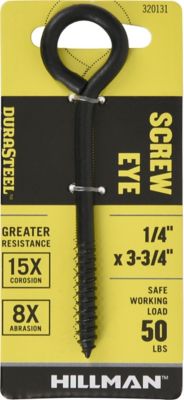
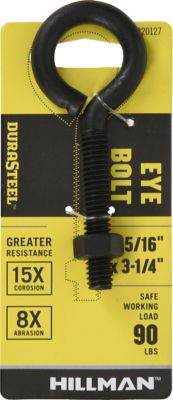
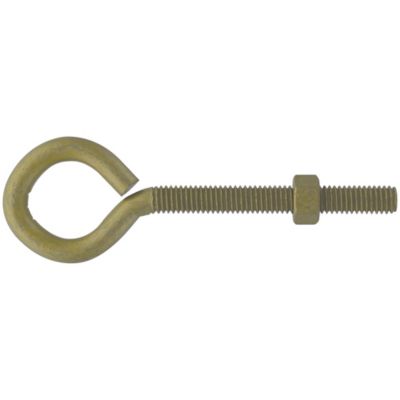
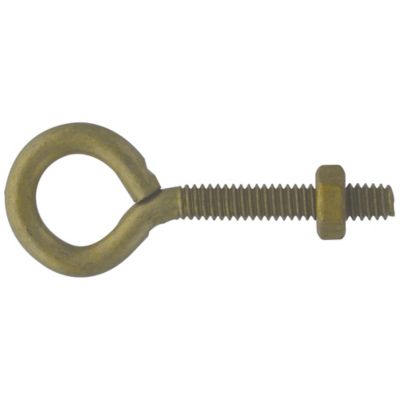
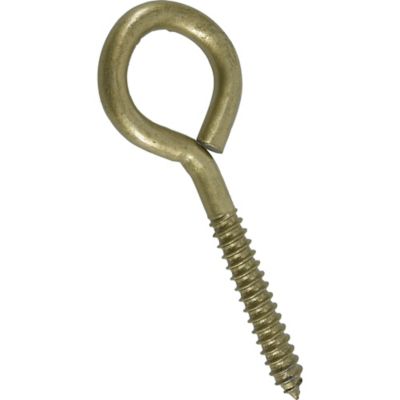
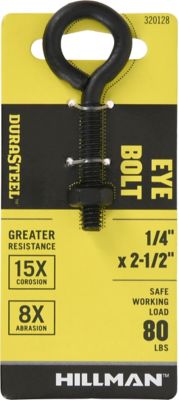
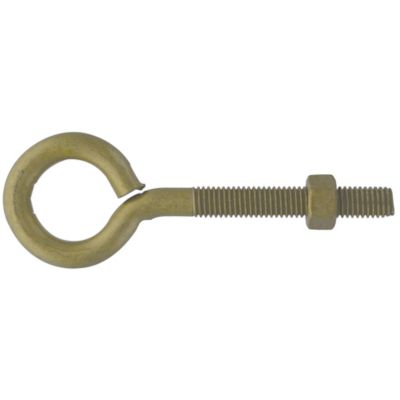
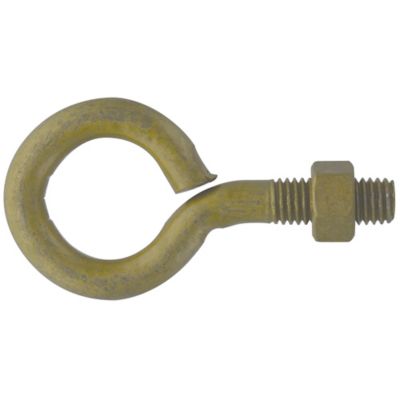
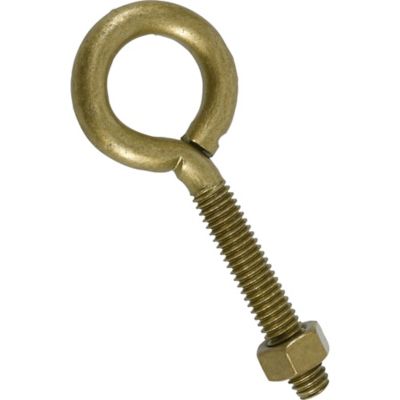
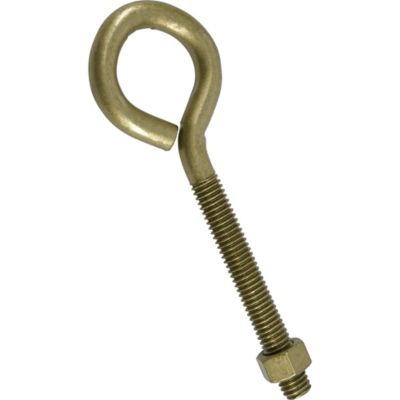
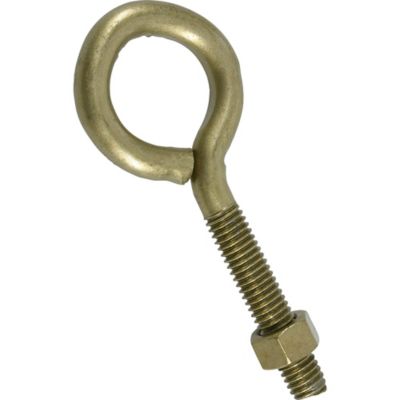
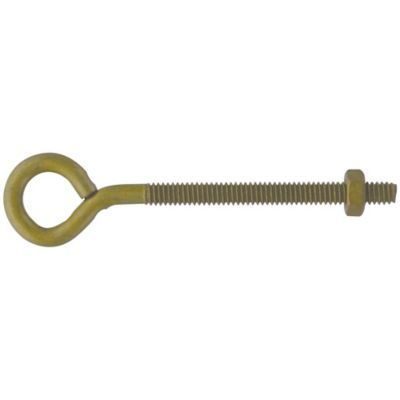
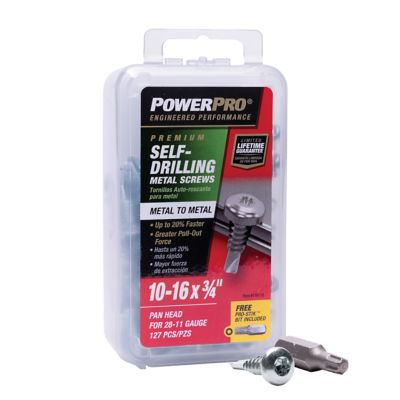
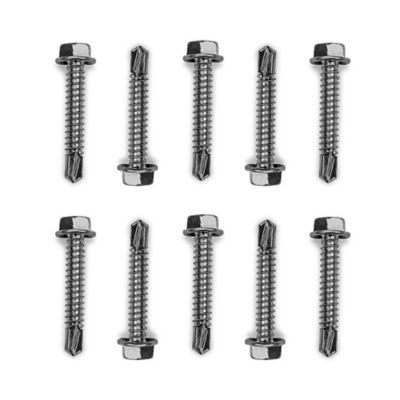
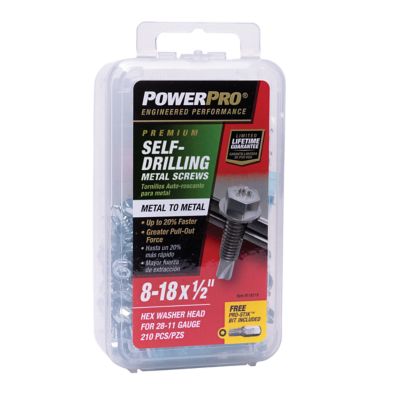
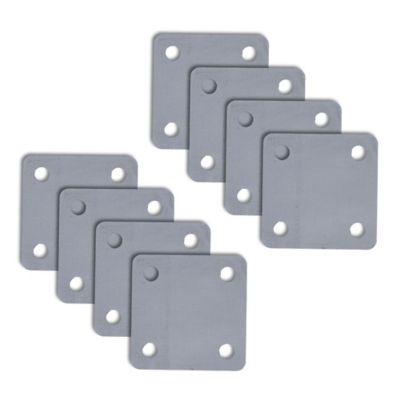
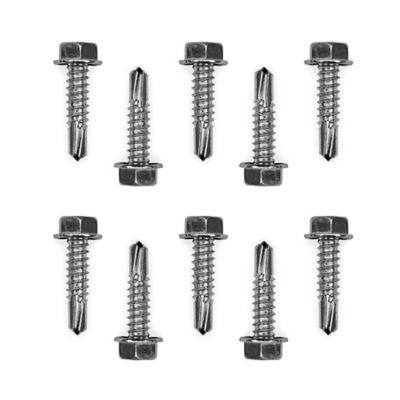
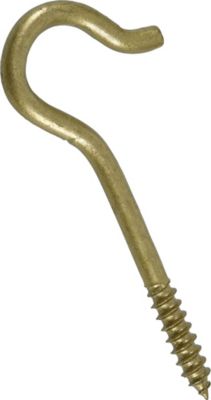
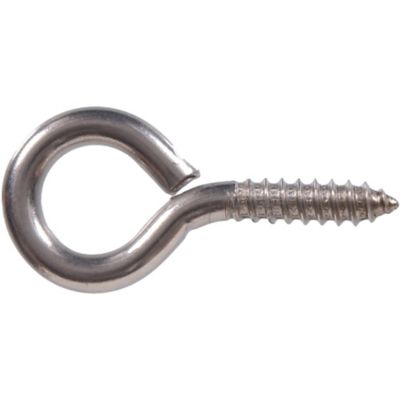
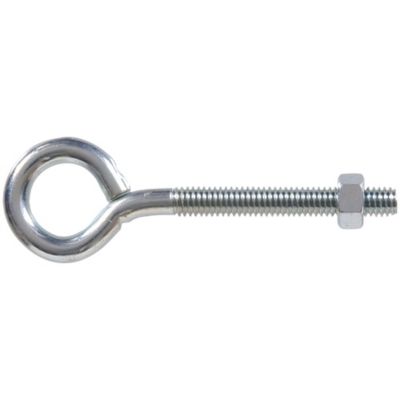
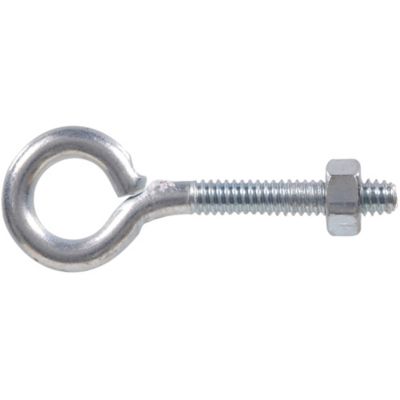
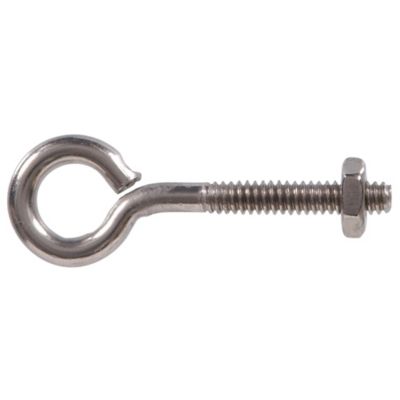
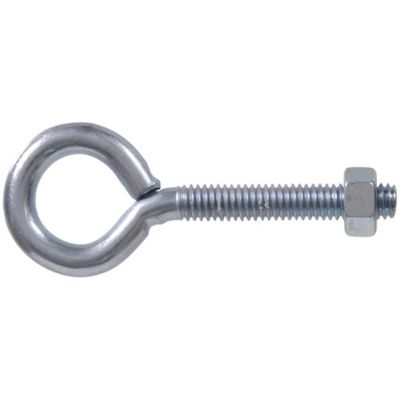
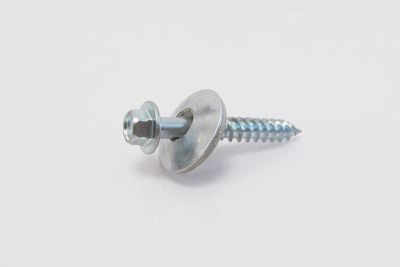
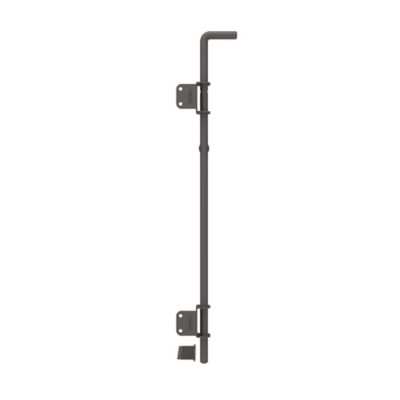
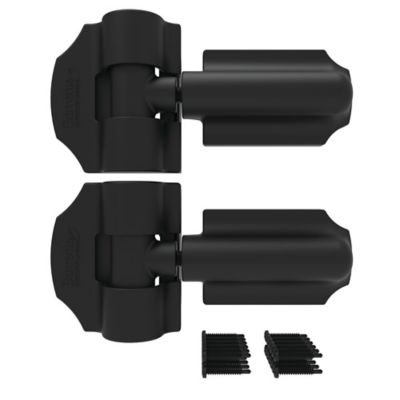
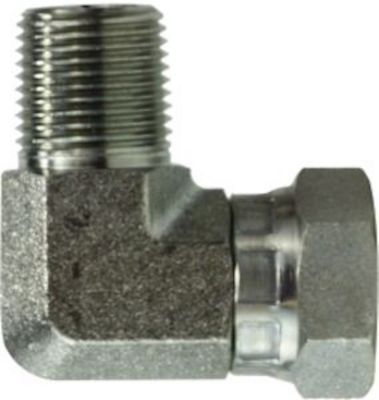
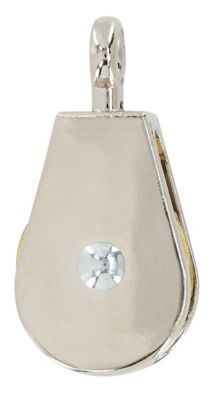
Metal hardware includes fasteners, brackets, hinges, latches and other metal components that join materials, support connections or let parts move and close. It has a place in building projects, woodworking, equipment assembly and everyday repairs around the farm, home and workshop. Some hardware holds a connection tight, while other pieces provide a pivot point, spread pressure across a surface or keep a door securely shut. A feed-room door, a shop bench and a pasture gate all depend on these small working parts, though each puts different demands on them. Fasteners may connect wood to wood, metal to metal or a combination of materials, and the right connection depends on more than appearance. Diameter, length, thread pattern and head style all affect how a fastener fits and performs. A connection through a thick gate frame needs a different reach than one through a thin panel, and extra length can leave an exposed end where clothing or equipment might catch. Threaded pieces also need matching diameters and thread pitches; parts that look close in size may not fit together properly. Washers can spread clamping pressure or serve another specified purpose, while nuts secure compatible threaded connections. Hinges and latches bring their own fit considerations, including mounting-hole spacing, opening direction and clearance around the moving part. On a barn door, that clearance can make the difference between a smooth swing and an edge that drags against the frame. For shelves, work surfaces and framed assemblies, brackets and connectors help transfer force between adjoining pieces when selected and installed for that purpose. Measurements matter, but so does the material underneath the hardware. Sound lumber, suitable metal thickness and properly prepared mounting points give the connection a suitable base. Metal hardware works as part of an assembly, so a stout-looking piece alone does not establish how much the finished project can support. The surrounding structure, attachment method and manufacturer’s specifications all belong in that decision.
Material and finish make a practical difference in how metal hardware handles its surroundings and holds up to repeated work. Steel is common where strength and rigidity matter, while stainless steel offers corrosion resistance that varies by grade and exposure. Aluminum brings less weight to suitable applications, and brass has a distinct appearance that can suit visible fittings and certain functional connections. Those materials are not interchangeable simply because two pieces share the same shape. Their strength, hardness and compatibility with adjoining materials can differ, so intended use should lead the choice. Protective finishes also serve different purposes. Zinc plating, galvanizing and painted or powder-coated surfaces can help shield steel, but they do not provide identical protection in every setting. A hinge inside a dry cabinet faces different conditions from a latch near a livestock watering area or a connector exposed to fertilizer residue. Moisture, salts, manure and cleaning chemicals can affect metal surfaces, making the finish and the manufacturer’s care directions worth a close look. Contact between different metals can also contribute to corrosion when an electrolyte, such as moisture, is present. Material compatibility matters at the fastener as well as the larger fitting, especially when a connection stays damp or is difficult to inspect. Appearance has a role, too: matching finishes can keep exposed hardware looking consistent across a door, cabinet or work area without changing the need for suitable strength and fit. Routine care generally centers on removing buildup, keeping working parts clear and checking for changes at the connection. Packed dirt can interfere with a latch, and loose fasteners can allow movement that enlarges mounting holes over time. Lubrication belongs only where the hardware’s instructions call for it, since the wrong treatment can attract grit or interfere with a mechanism. Rust, cracks, bent sections, worn threads and enlarged holes deserve attention rather than another hard pull on the handle. Keeping surfaces clean also makes these signs easier to spot before a small repair turns into a bigger job.
Intended use helps narrow metal hardware choices, whether the job is keeping a tool cabinet shut, supporting a work surface or hanging a gate that gets opened several times a day. Static weight is only part of the picture. Movement, leverage, vibration and repeated impacts can put additional demands on a connection. A long gate, for example, places leverage on its hinges and post even before someone leans against it. A drawer that carries tools needs hardware suited to its load and travel, while a removable panel may call for a connection that allows repeated access without damaging the mounting surface. For assemblies facing greater demands,
Heavy Duty Hardware is a related category to consider alongside the application’s load requirements and mounting details. Terms describing strength are no substitute for a stated rating, and a rating applies only under the conditions the manufacturer specifies. The number and placement of mounting fasteners, the supporting material and the direction of force can all affect performance. Hardware for lifting, overhead support, fall protection or other safety-critical work must be specifically rated for that application rather than treated as a general-purpose replacement. For everyday projects, ease of handling matters alongside strength. A latch should have room for fingers to operate it, a handle should clear nearby surfaces, and moving parts should not create an unexpected pinch point. Tight spaces can also limit access for a wrench or driver, which makes head style and tool clearance practical considerations before assembly. Farmers, property owners, woodworkers and maintenance crews often need hardware that fits existing holes or matches an established assembly, not merely something that looks similar on the bench. Matching those details helps keep repairs straightforward and working parts aligned. Whether the project is a shop fixture or a gate by the barn, well-matched metal hardware supports the everyday jobs that keep a place running.