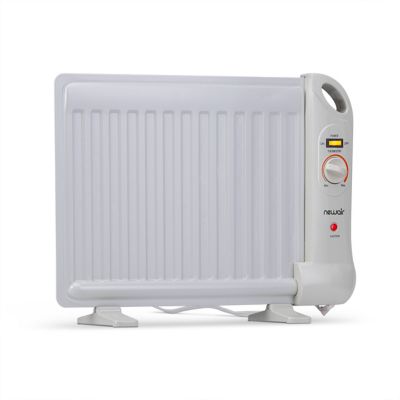
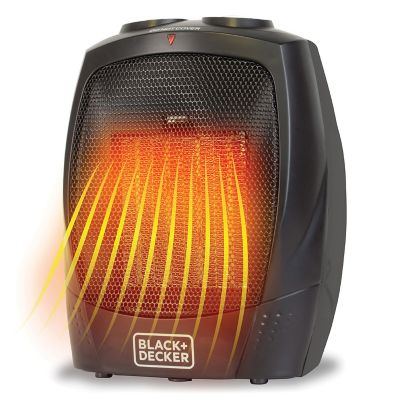
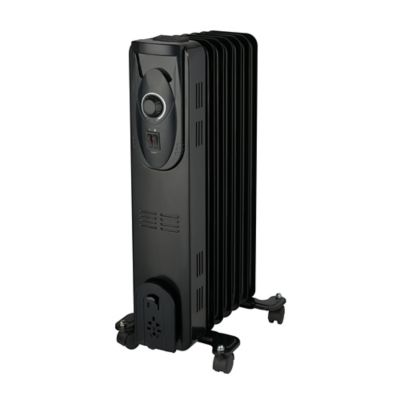
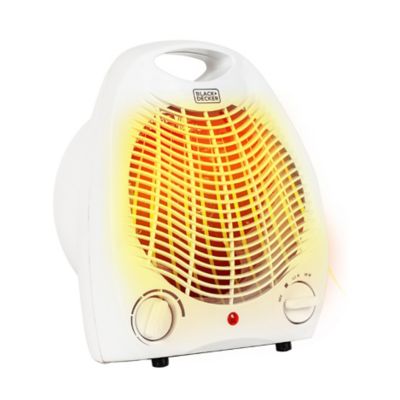
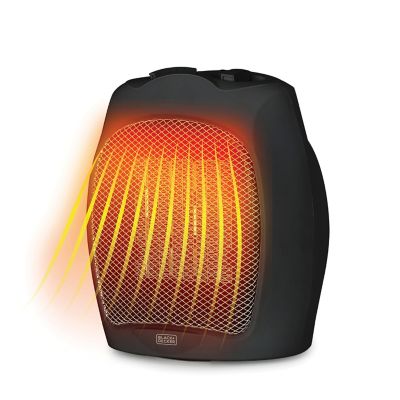
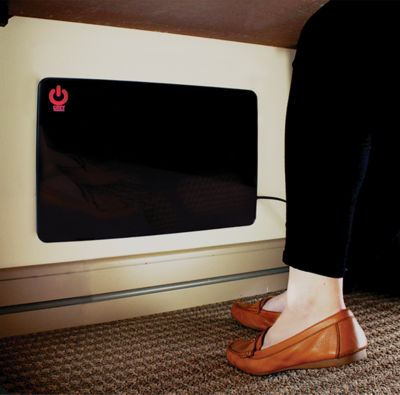
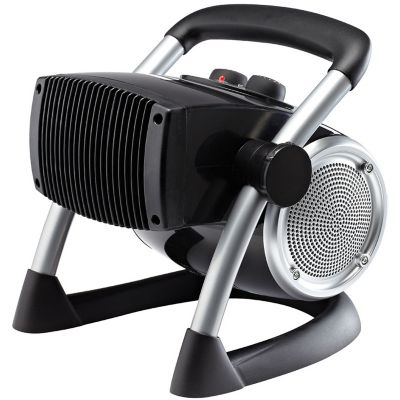
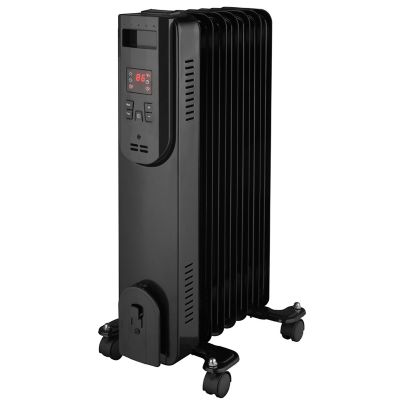
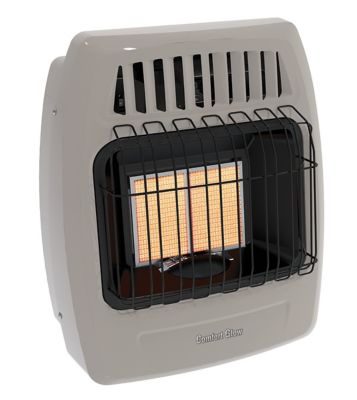
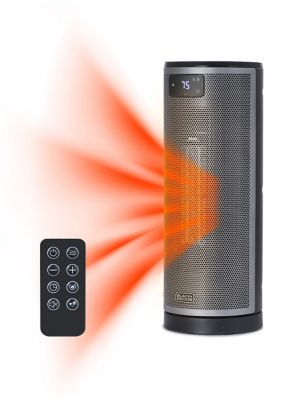
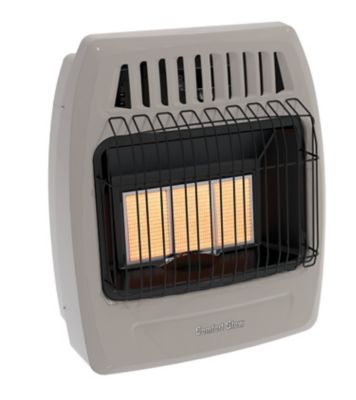
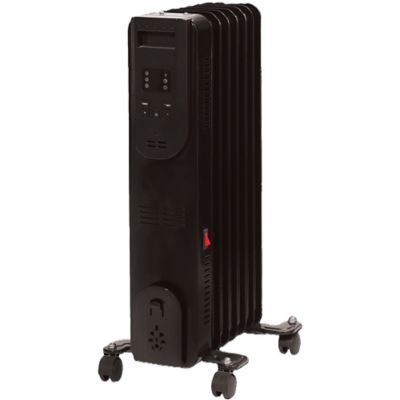
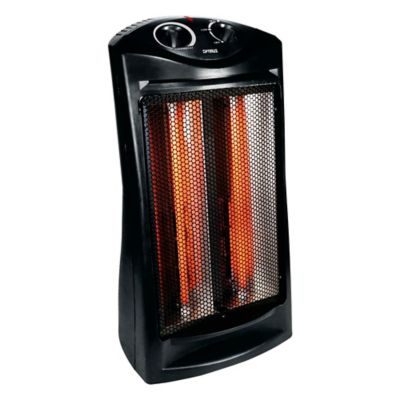
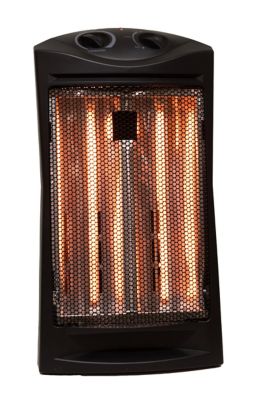
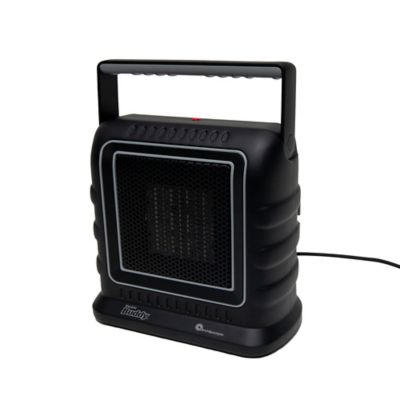
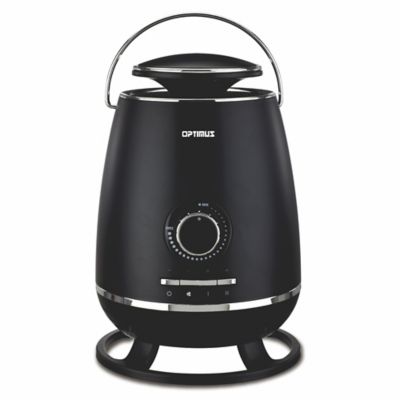
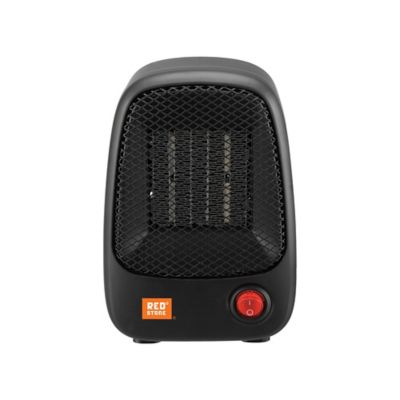
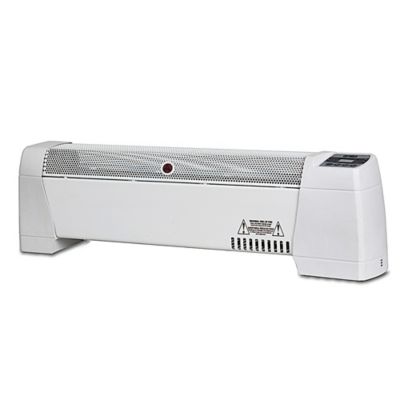
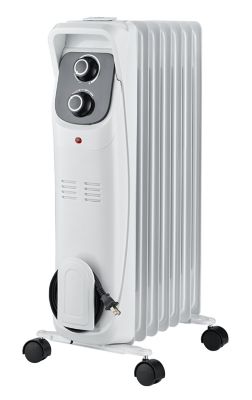
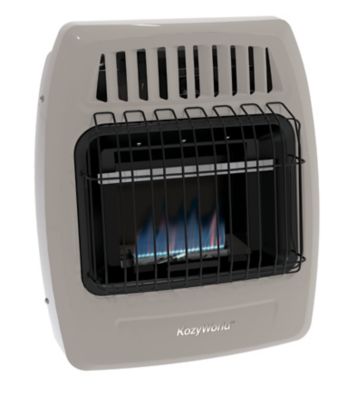
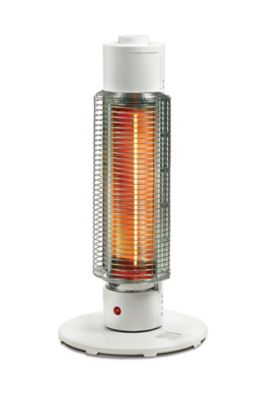
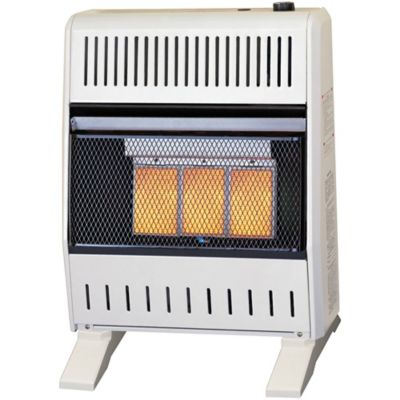
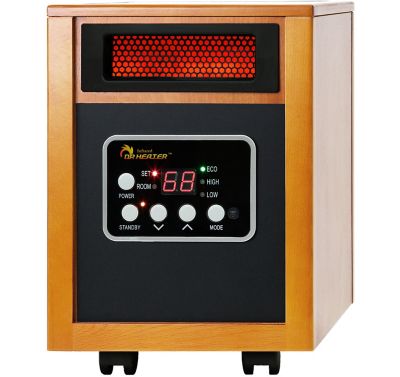
Office heaters provide supplemental warmth for personal workspaces and enclosed rooms, with the right fit depending on whether the goal is to warm one person at a desk or distribute heat throughout an office. A compact personal heater can suit a single workstation, while a room-oriented heater with suitable output and airflow can help take the chill off a larger enclosed space. Neither takes the place of a properly functioning primary heating system. In a farmhouse office, a bookkeeping room off the shop or a shared workspace, room layout matters just as much as square footage. Tall ceilings, drafty windows, exterior doors and open doorways all affect how much warmth stays where it belongs. Radiant heaters deliver warmth directly toward people and nearby surfaces, making them well suited to a defined seating area when proper clearances are possible. Fan-forced heaters move warmed air into the room, which can make their effect noticeable sooner around a workspace. Ceramic heaters commonly pair a ceramic heating element with a fan, though the exact operation varies by design. Oil-filled electric radiators warm more gradually and generally operate without a fan; their sealed oil carries heat within the unit and does not need routine refilling. That slower, quieter heat can be a good match for someone spending several hours on payroll, invoices or paperwork. Fan sound may matter more during phone calls, online meetings or concentrated desk work than it would in a busy reception area. Oscillation can spread moving air across a wider area, but it does not increase the heater’s total heat output. Office heaters belong to the broader category of
Space Heaters, with heating style, dimensions and controls helping distinguish a personal warming option from one intended for a whole room. The useful match is the heater that suits the workspace and its heating needs, not simply the one with the tallest housing or the most settings.
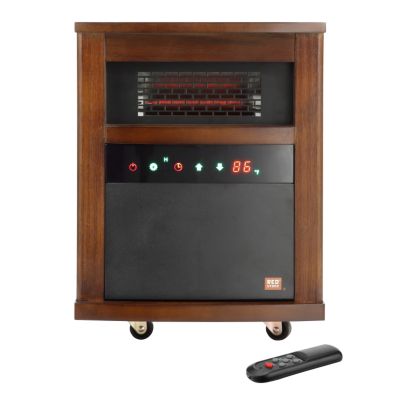
Size and fit go beyond finding an empty patch of floor. A heater needs enough room for its required clearances without crowding chair wheels, desk legs, filing cabinets or the path to the door. A narrow body can fit a smaller footprint, but its height and base still need consideration around busy work areas. Carry handles and manageable weight matter when a heater moves between approved locations, while a broad, stable base helps it stay settled where it belongs. Wheels can make a heavier radiator easier to move, provided the unit is cool and the manufacturer’s handling directions are followed. Housings may combine metal panels, molded components and protective grilles, and surface temperatures vary by design. A grille or housing should never be treated as a shelf for gloves, paperwork or a lunch bag. Controls also make a difference over a full workday. An adjustable thermostat can cycle heat to help maintain a selected setting, while separate heat levels let the user choose among the outputs provided. A timer can limit operating time, although it does not replace supervision or make unattended operation appropriate. Clearly marked controls are handy when the heater sits away from the desk, and a readable display can spare repeated bending to check settings. Wattage describes electrical input and provides a useful comparison of heating capacity. Many portable electric heaters reach 1,500 watts on their highest setting, but specifications vary. Two electric resistance heaters operating at the same wattage produce roughly the same total heat; their airflow, shape and heating method influence how that warmth reaches the occupant. Lower-output settings may suit a small personal area without sending as much heat into the room. Room-size ratings are a starting point rather than a promise, especially in spaces with poor insulation or frequent door traffic. For a farm office where someone steps in and out between chores, steady room heat and quick, directed warmth serve different purposes.
Safe placement and straightforward care are part of making an office heater work well day after day. Portable electric heaters should plug directly into a suitable wall outlet, never an extension cord or power strip. The outlet must hold the plug firmly, and the heater’s cord should stay clear of foot traffic, chair casters and rugs. A printer, coffee maker or other high-draw appliance sharing the circuit can add to the electrical load, so circuit capacity matters even when there is an open socket. Keep combustible materials at least three feet from the heater, and follow any greater clearances listed by the manufacturer. Paper stacks, curtains, coats, cardboard boxes and upholstered furniture all count. A heater belongs on a stable, level surface approved in its instructions, not balanced on a crate or tucked into a crowded cubby. Tip-over shutoff and overheat protection add safeguards, but neither makes blocked airflow or cramped placement safe. A safety certification mark from a recognized testing laboratory is another useful consideration. In a work setting, employer rules and building requirements may also limit portable heater use. For ordinary enclosed offices, electric heat avoids the fuel storage and combustion concerns associated with fuel-burning equipment; outdoor and jobsite heaters should not be substituted for indoor office equipment. Dust and lint can collect around air openings, particularly in offices connected to farm or shop work. Cleaning generally starts with switching the heater off, unplugging it and letting it cool completely, followed by the care method specified in the manual. Clear vents support proper airflow, and cords, plugs and housings deserve regular checks for damage. Any damaged heater, loose outlet connection or unusual smell calls for stopping operation rather than working around the problem. Turn the heater off and unplug it when leaving the workspace. With the right heating style, sensible placement and regular care, an office heater can make desk work more comfortable without getting in the way of the day’s work.