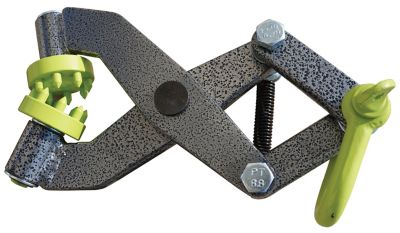
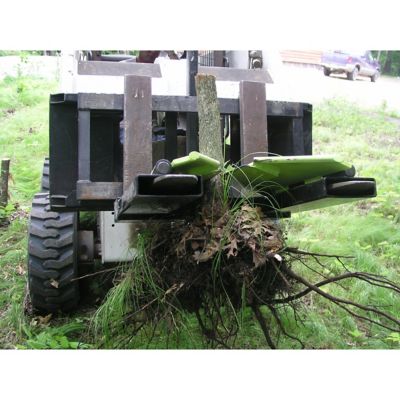
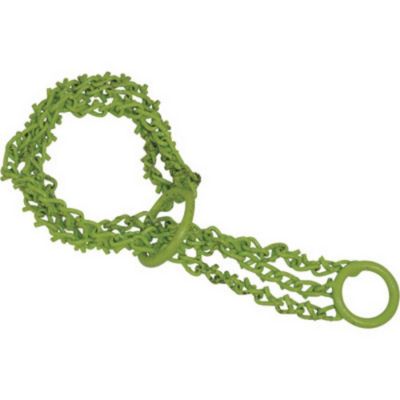
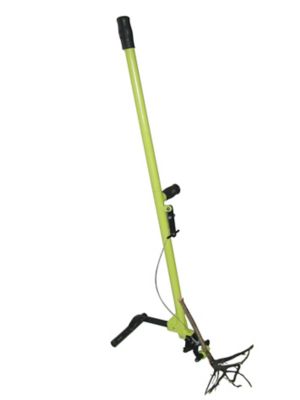
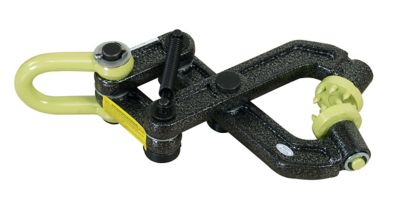
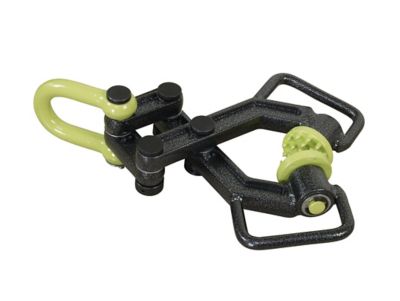
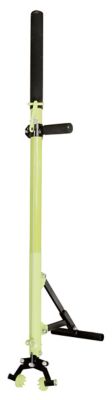
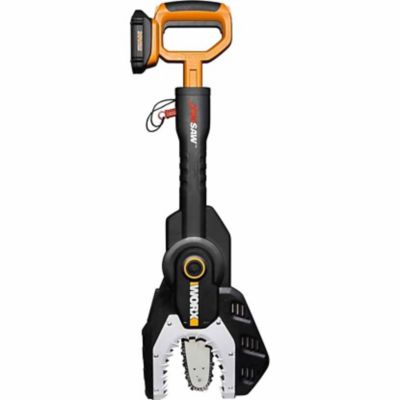
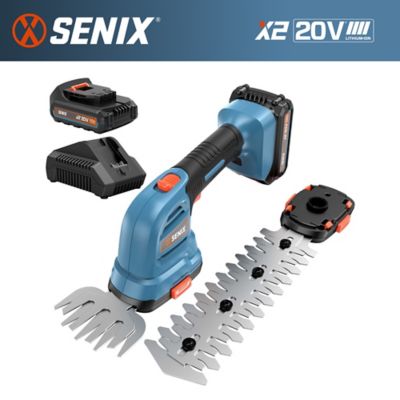
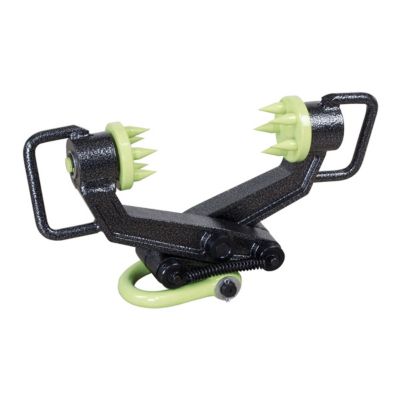
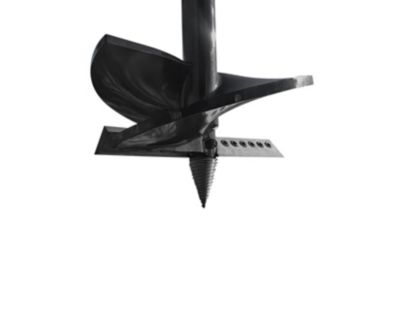
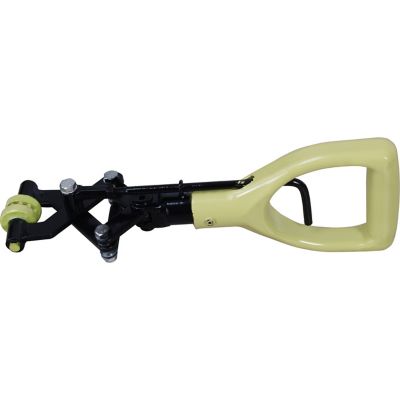
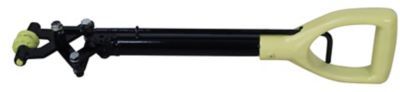
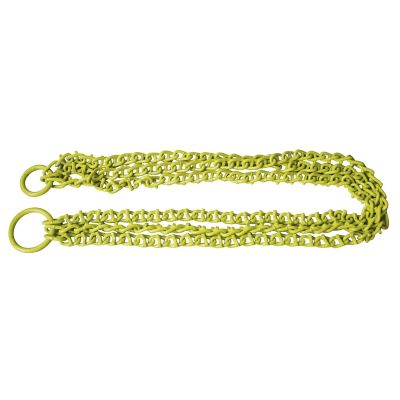
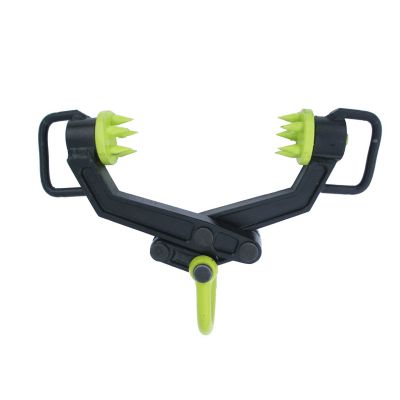
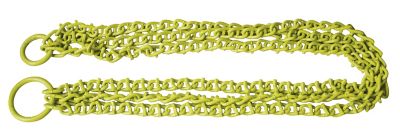
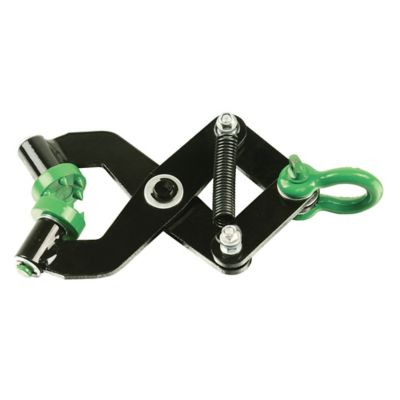
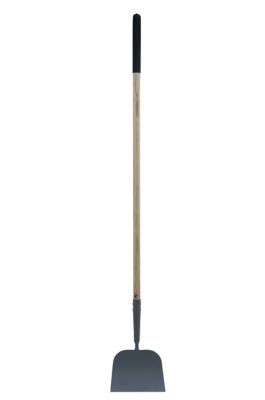
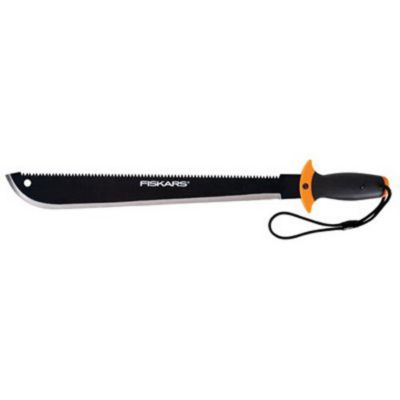
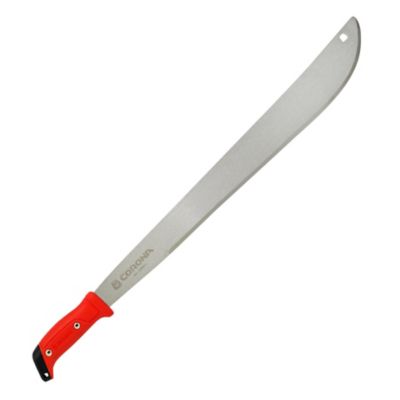
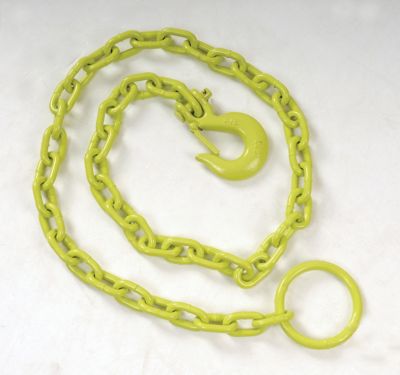
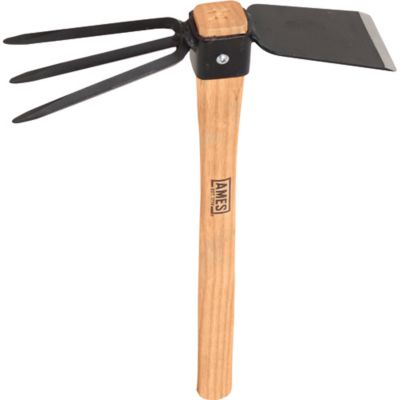
Shrub removal tools cover the cutting, digging and pulling jobs that come with clearing woody plants from yards, fence lines and planting beds. A bush beside the porch can have a surprisingly wide root system, while a row of overgrown shrubs along a pasture fence may leave little room to swing a digging tool. The right equipment depends on stem thickness, root spread, soil conditions and access to the plant’s base—not just how tall the branches stand. For removing an entire shrub, root ball and all, the main options include manual lever pullers, gripping jaw pullers, purpose-built pulling systems and digging tools. Cutting tools handle the branches and exposed roots that can get in the way, but trimming a shrub to ground level does not remove its root system or prevent every species from sprouting again. Manual shrub pullers pair a gripping mechanism with a long lever to lift smaller woody plants without motorized pulling equipment. Their usefulness depends on the tool’s rated stem capacity, how firmly the jaws can grip and whether the base has enough support on the ground. Mechanical jaw pullers grip the woody base, while certain chain or choker designs cinch around stems; each design has its own attachment requirements and working limits. Root-cutting spades, shovels and mattocks offer more control where access is tight or nearby plants need to stay put, though digging generally means more soil disturbance and physical effort. No single style suits every root system. A shallow-rooted hedge in open ground presents a different job from an old foundation shrub wedged between a walkway and a wall. For homeowners tending a few beds, acreage owners reclaiming fence lines and grounds crews handling repeated clearing work, a combination of cutting, digging and pulling tools often makes more sense than expecting one tool to tackle every part of the job. The useful match is between the tool’s intended purpose and the plant, space and ground conditions at hand.
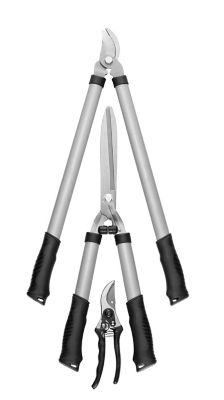
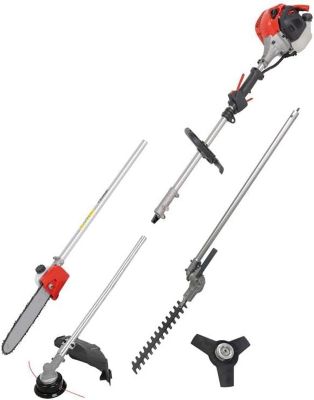
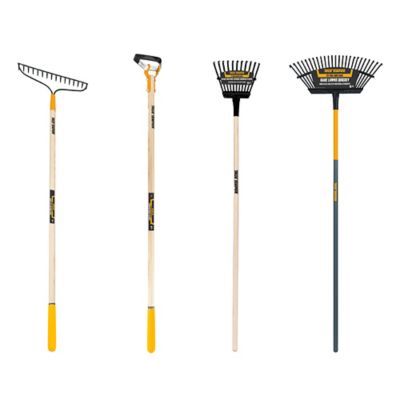
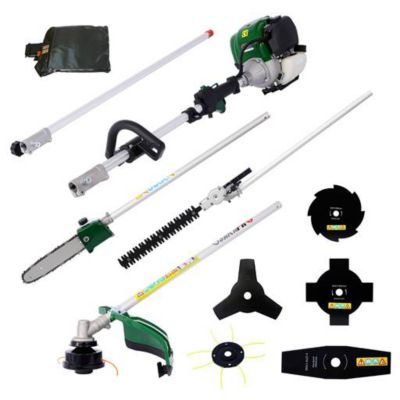
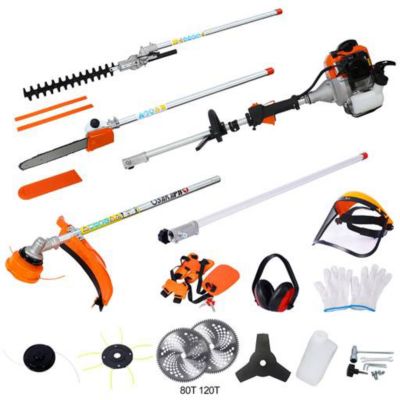
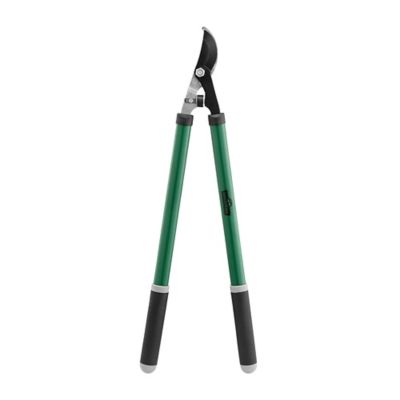
Construction and fit make a noticeable difference when shrub removal turns into an afternoon of working close to the ground. Steel digging heads, reinforced sockets and firmly attached handles are worth considering for tools that encounter compacted soil and tangled roots. Heat-treated cutting edges can help resist wear, while protective finishes help limit corrosion without replacing routine cleaning. Handle materials bring different trade-offs: wood has a familiar feel and may be replaceable on some designs, fiberglass resists moisture, and steel adds rigidity but can increase overall weight. Handle length matters as much as material. A longer shaft can provide leverage and reach, but it also needs clearance from siding, wire fencing and neighboring plants. Shorter tools fit into cramped beds more easily, with less reach and leverage as the trade-off. Grip shape, tool balance and total weight deserve attention, especially for anyone who expects to work in gloves or carry equipment along a long stretch of fence. On manual pullers, jaw opening determines which stems fit, and the base footprint affects support on softer ground. A tool’s stated capacity is a limit, not a promise that every shrub within that diameter will lift easily; deep roots, rocky soil and multiple trunks can change the job considerably. For branch work, bypass loppers suit live stems within their cutting capacity, while pruning saws can handle woody growth too thick for those blades. Root cutting calls for an edge or blade intended for that task, since soil and grit quickly wear ordinary pruning edges. Powered cutting equipment also needs the correct blade, adequate working clearance and protection from contact with stone or metal. Where clearing work includes woody growth beyond ordinary bushes,
Small Tree Removal Tools cover a related set of equipment considerations. Shrubs with thicker trunks or extensive roots may call for a different approach rather than simply a longer handle or a stronger pull.
Pulling equipment deserves particular attention to compatibility, because a shrub’s visible size says little about the force its roots can resist. Vehicle-assisted shrub removal tools are appropriate only when the pulling device, connecting hardware, attachment points and vehicle are approved for that application. An ATV, utility vehicle or tractor is not automatically suitable simply because it can move the load. Rated components, manufacturer-approved connections and a clear working area matter more than engine size, and sudden jerking can overload equipment or send a broken connection flying. These systems need controlled force within the manufacturer’s instructions, with people kept clear of tensioned lines and the path of movement. Manual equipment avoids the need for a pulling vehicle, but still requires sound footing, room for the handle’s travel and attention to pinch points. Around a house, barn or driveway, underground utilities, irrigation tubing, drainage lines and nearby foundations may rule out pulling altogether. Calling 811 before ground-disturbing work helps identify marked public utilities; private lines and irrigation may need separate locating. Those site conditions belong in the buying decision just as much as jaw size or handle length. During the cooler months, reduced foliage can make stems easier to see, but frozen ground can make digging and pulling substantially harder, while saturated soil can offer poor footing and support. Good care helps keep shrub removal equipment ready between jobs: soil cleared from metal surfaces, thoroughly dried tools, cutting edges maintained to the maker’s directions and moving joints lubricated where specified. Pulling gear also needs inspection for bent parts, worn gripping surfaces, damaged links and frayed cable before another load goes on it. Dry storage helps limit rust, and covered cutting edges make a shed or shop safer to navigate. For property owners who regularly clear volunteer brush or replace tired foundation plantings, practical features such as manageable weight, serviceable parts and straightforward storage can matter as much as pulling capacity. Well-matched equipment supports steady work, whether the task is one stubborn bush by the gate or a longer stretch of encroaching growth along the fence.