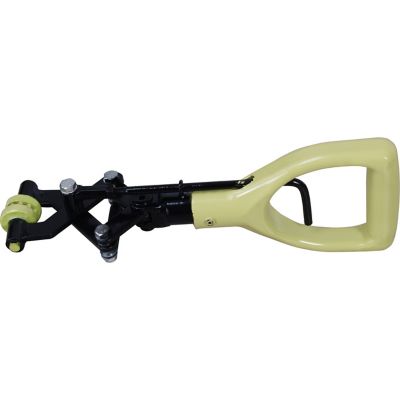
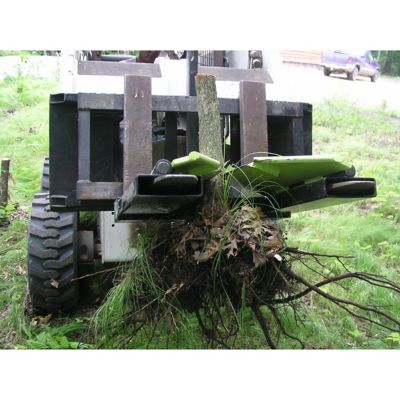
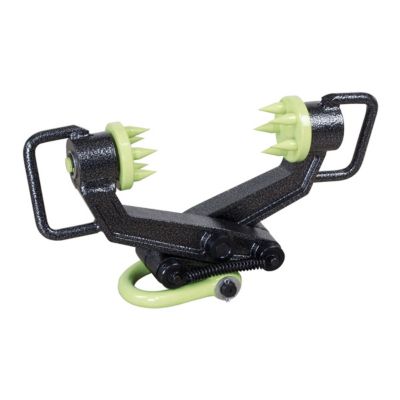
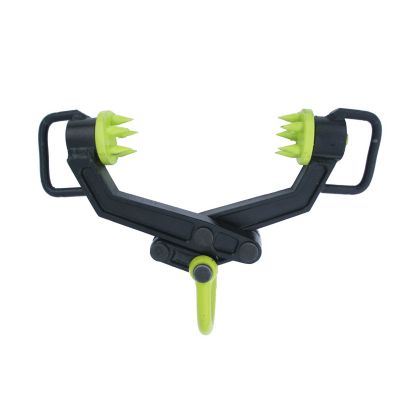
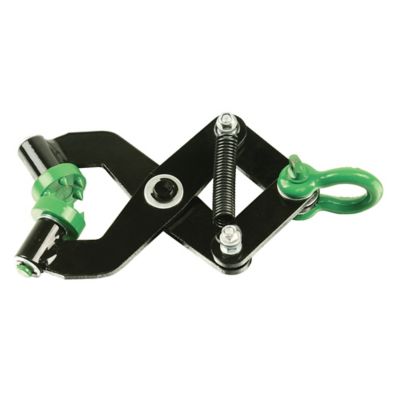
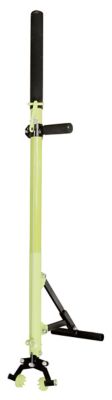
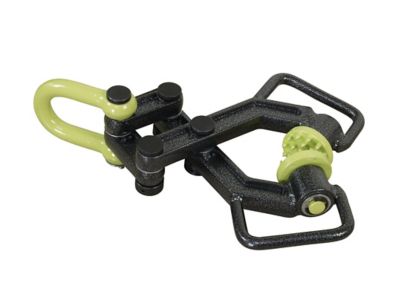
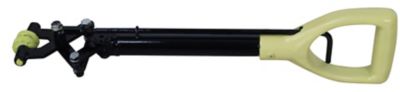
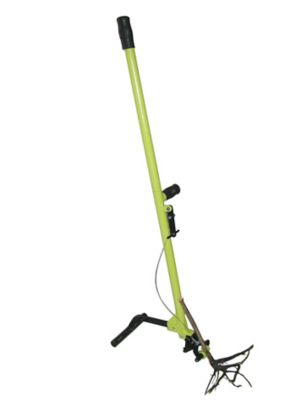
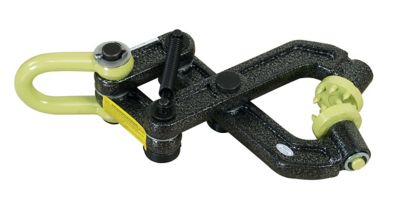
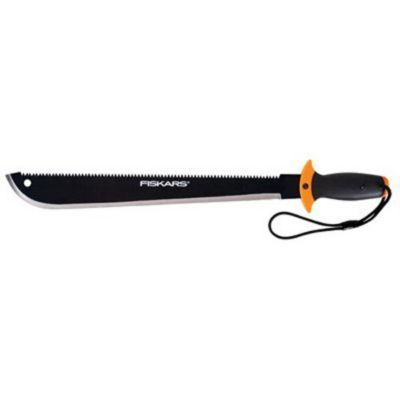
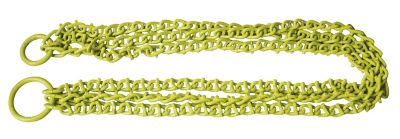
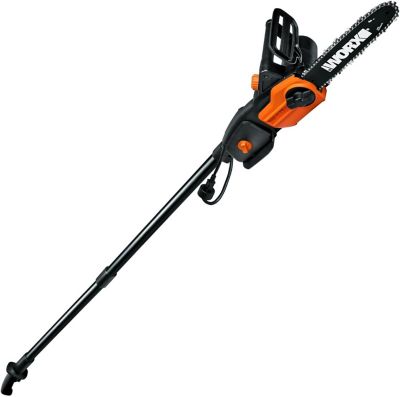
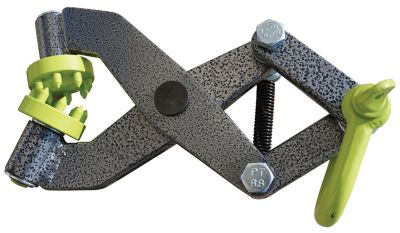
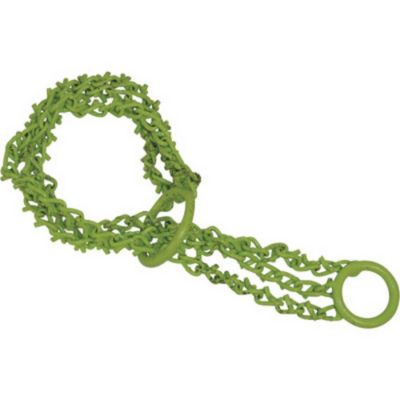
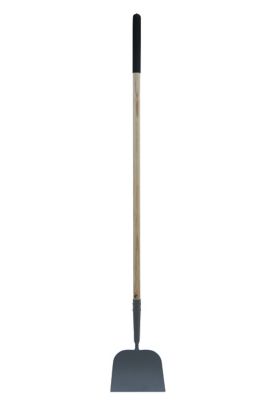
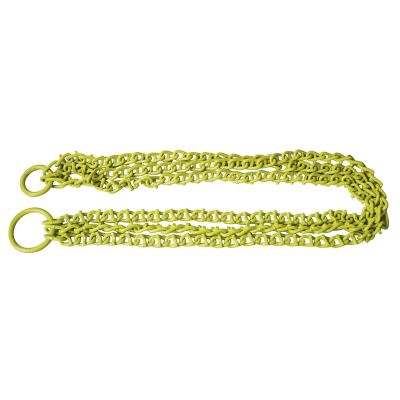
Small tree removal tools cover two different jobs: cutting a tree at the trunk and pulling it out with its roots. The right fit depends on trunk diameter, root spread, soil conditions, and how much working room surrounds the tree. A slender sapling growing in open ground presents a different challenge than a woody volunteer wedged against a woven-wire fence or tucked beside an outbuilding. Hand-operated tree pullers grip the lower trunk and apply leverage, making them an option for smaller stems within the tool’s rated capacity. Removing the root crown along with the stem can leave less material to deal with afterward, although broken roots may still produce shoots in some species. Cutting tools make more sense when the trunk exceeds a puller’s capacity, roots have a firm hold, or nearby structures limit movement. Loppers, pruning saws, and suitable powered saws serve different cutting ranges, so the tool’s stated capacity matters more than the tree’s height alone. A short, thick-stemmed tree can demand more cutting power than a taller, pencil-thin sapling. Root structure matters just as much: shallow, spreading roots behave differently from a deep taproot, and compacted clay holds roots differently than loose, sandy ground. For folks tending fence lines, pasture edges, garden boundaries, or acreage around the house, these differences help narrow down a practical tool selection. The goal might be clearing a gate’s swing, making room for fence repairs, or keeping woody growth from crowding an established planting. Each job calls for a balance of reach, leverage, cutting capacity, and control rather than simply the biggest tool. Removing a tree completely also includes dealing with what remains below the cut, while trimming unwanted growth may call for much less equipment. That distinction keeps the focus on the work at hand and helps avoid buying more power or reach than a small, accessible sapling needs. Access for carrying tools and hauling away branches is another practical consideration, especially along narrow paths and tight corners.
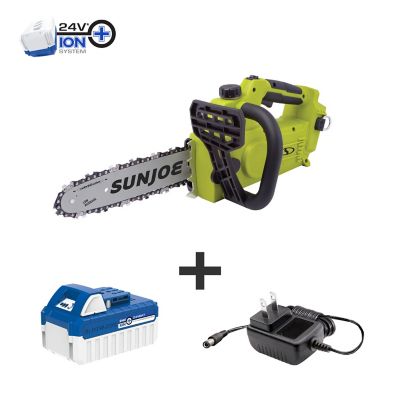
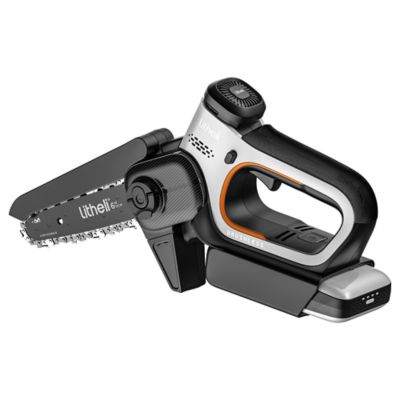
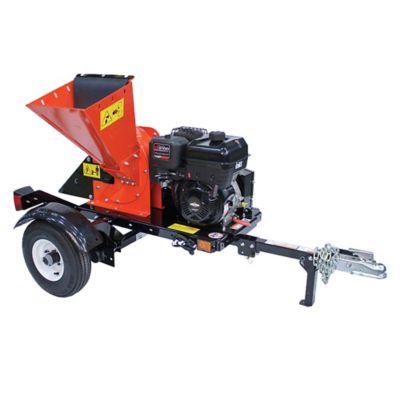
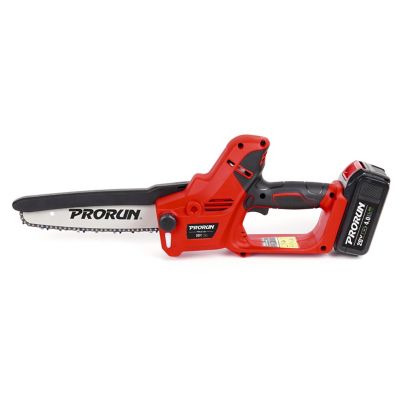
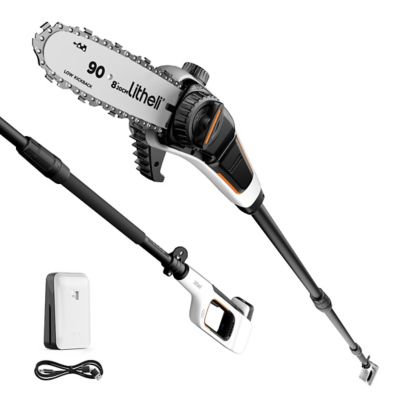
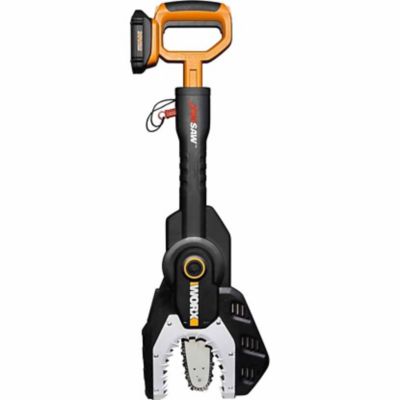
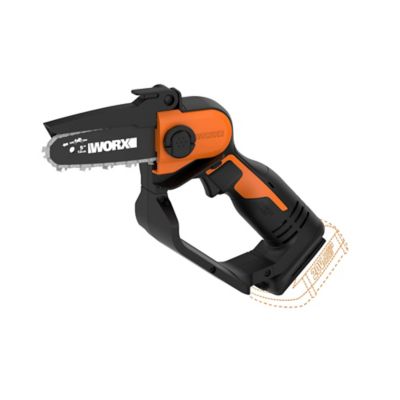
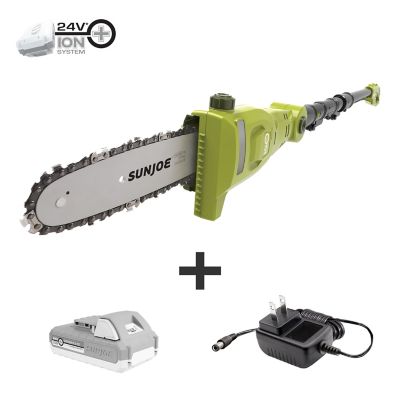
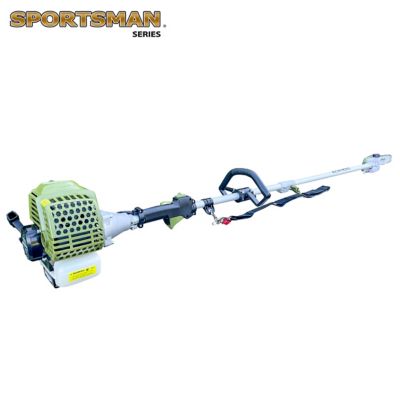
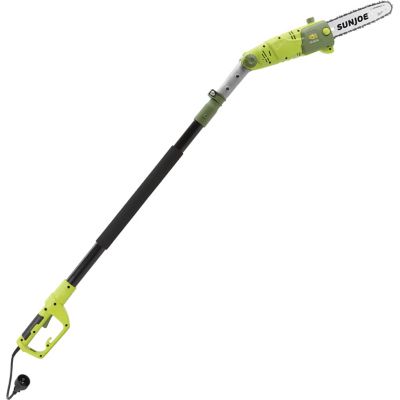
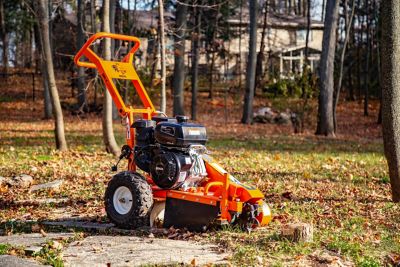
For above-ground cutting, blade shape, handle length, and power source all affect how a tool feels through a full stretch of work. Bypass loppers have passing blades suited to clean cuts on living branches within their rated size range; longer handles offer leverage but need room to open. Compact handles are easier to maneuver in close quarters, though they provide less leverage on thicker growth. Pruning saws bring a different cutting action to woody stems, with tooth patterns and blade lengths that affect cutting speed, clearance, and control. A folding blade helps cover the teeth between jobs, while a fixed blade and sheath offer another carrying arrangement. Powered cutting equipment can reduce repeated hand sawing, but added weight, noise, vibration, and maintenance deserve consideration alongside cutting capacity. Battery-powered equipment brings charger and battery compatibility into the decision, while gas-powered equipment involves fuel handling and engine care. Neither power source removes the need for sound footing, a clear work area, and protective equipment appropriate to the tool. Materials make a difference over time, too. Hardened steel cutting edges resist wear, and replaceable blades or other service parts can extend a tool’s working life. Protective blade finishes may help limit corrosion, but they do not replace cleaning and proper storage. Handle materials such as wood, fiberglass, and steel each bring a different balance of weight, feel, and upkeep. Grip shape matters when hands are gloved, and a comfortable handle should allow control without forcing an awkward wrist position. Overall length deserves attention as well: extra reach can be handy beside brush, but an oversized tool becomes cumbersome around tight fence corners. Landowners handling scattered saplings may favor a lighter setup that carries easily from one spot to another, while repeated clearing work puts greater emphasis on balance, serviceable parts, and manageable vibration. Fit is personal, and a tool that feels steady through repeated cuts is often a better match than one chosen for cutting capacity alone.
Below the surface, small tree removal becomes a matter of reaching, loosening, and separating roots without damaging nearby features. Digging tools, root-cutting tools, and leverage tools handle different parts of that work. A narrow spade can reach around a root crown, while a mattock’s head combines ground-working functions for soil and roots within its intended scope. Tool weight deserves attention here: a heavier head can deliver more force, but it also takes more effort to lift and control. Sound handle connections, suitable working length, and room to move matter as much as the head’s shape. Cutting blades meant for clean wood can dull quickly when they contact dirt or stones, making separate equipment for exposed roots a sensible consideration. Where cutting leaves a stump behind,
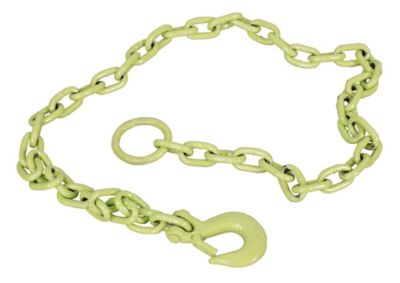
Stump Removal Tools address the remaining wood and root crown rather than the standing trunk. The amount of follow-up work depends on stump size, root depth, and whether the space needs to accommodate mowing, foot traffic, or another planting. Underground utilities, irrigation lines, and roots belonging to nearby trees can limit digging, so utility location and site conditions belong in the planning before ground disturbance. A small trunk does not automatically mean a low-risk job, either. Leaning stems, tensioned branches, overhead wires, and trees close to buildings call for added caution and may warrant a trained tree-care professional. Hand pullers also have rated limits; improvised vehicle pulling is not a substitute for equipment designed for the task. After the work, removing soil and sap from tools, drying metal surfaces, and following the manufacturer’s lubrication and sharpening instructions help keep them ready for the next fence-line cleanup. Covered cutting edges and secure storage protect both the tool and anyone passing through the shed. For property owners, grounds crews, and anyone keeping woody growth out of working spaces, a manageable combination of cutting, pulling, and digging equipment offers more flexibility than expecting one tool to handle every trunk and root system.