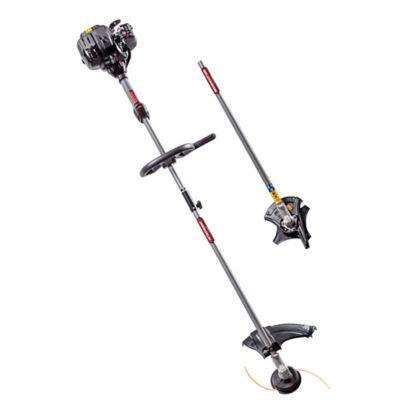
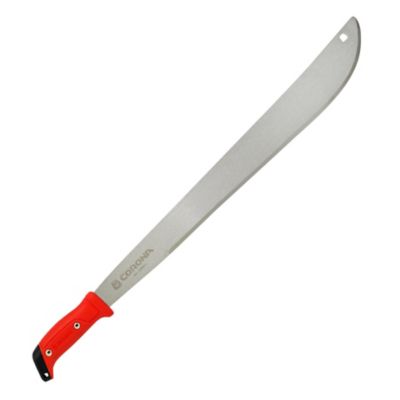
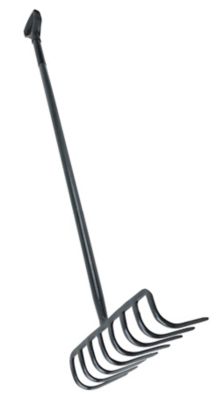
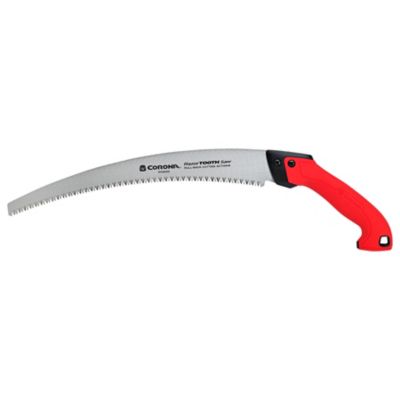
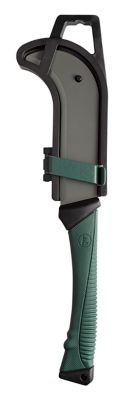
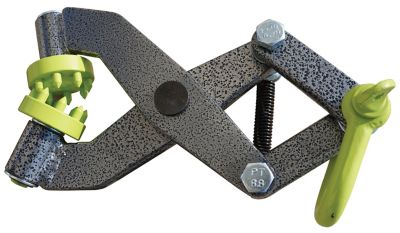
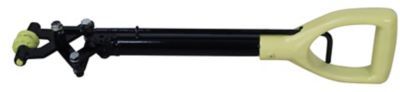
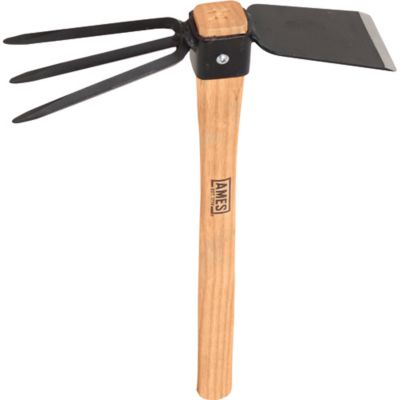
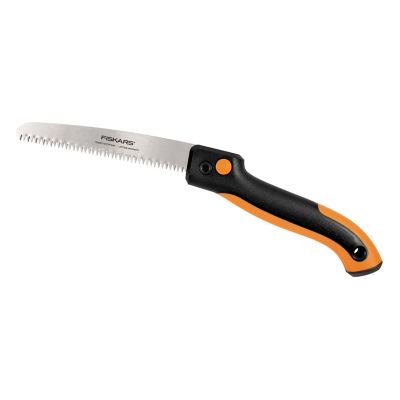
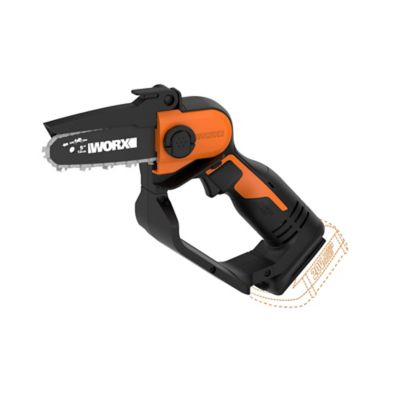
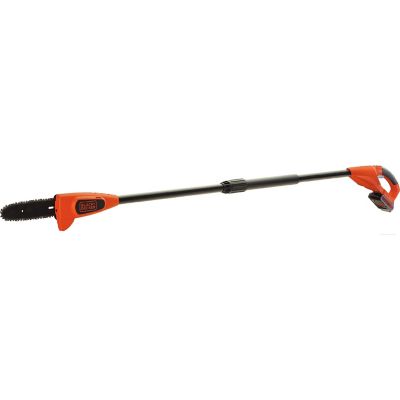
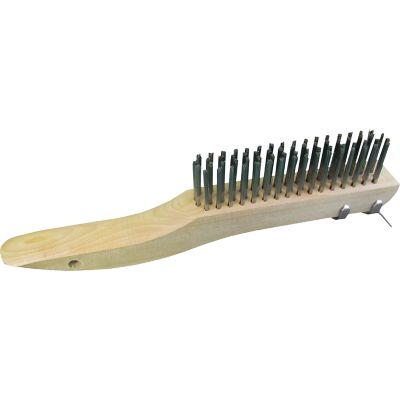
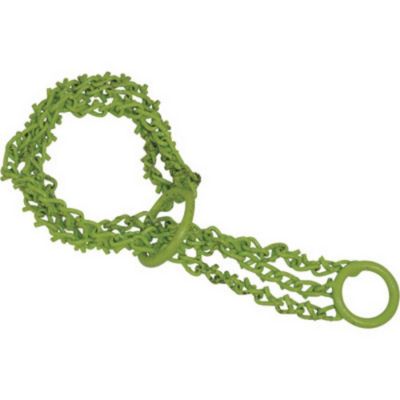
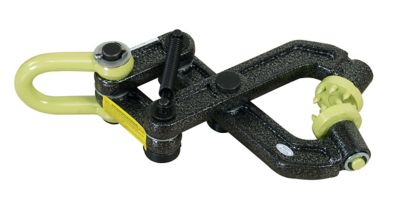
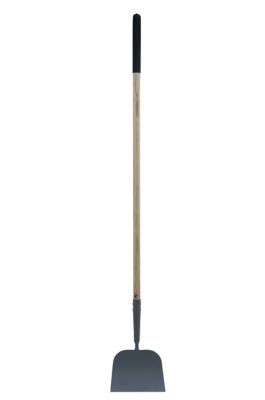
Brush clearing tools help turn overgrown edges, fence lines, trails and outbuildings into usable ground again. The right choice depends mostly on the kind of growth you are dealing with, how much area needs attention and whether you want to cut vegetation down or remove it by the roots. Handheld cutters such as loppers and pruning saws are a practical fit for small branches, woody stems and young saplings, while brush hooks and axes give you a swinging cutting action for tangled vines, briars and thicker growth. Machetes can help open a path through thin undergrowth, tall weeds and flexible stems, especially when you need to reach the base of a plant before cutting. For small shrubs and shallow-rooted plants, a weed wrench or other leverage-style puller can grip close to the ground and help remove the plant instead of leaving a stump behind. That difference matters around fence posts, pasture edges and paths where cut-off stems can quickly send up new shoots. Before choosing a tool, take a walk around the area and look closely at the vegetation. Note whether the stems are soft or woody, whether they are scattered or packed together, and whether the soil is loose enough for pulling. A few waist-high weeds and thumb-sized saplings call for a different approach than a wall of thorny brush with mature stems. Measuring the largest stems gives you a better idea of the cutting capacity and leverage you need, while the total size of the clearing helps determine whether hand tools will do the job comfortably or whether powered equipment is a better match.
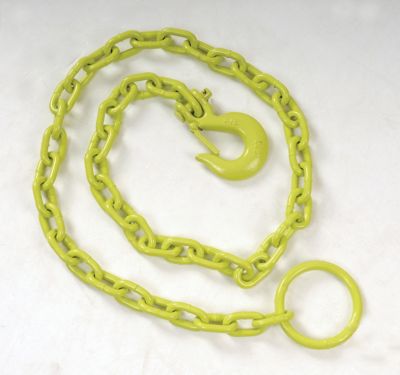
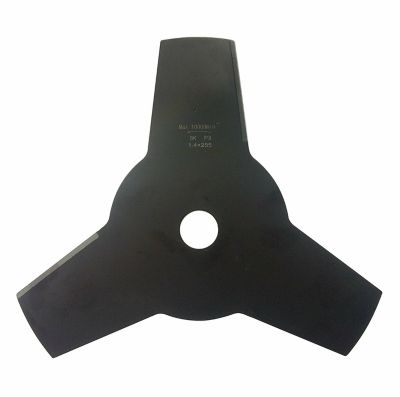
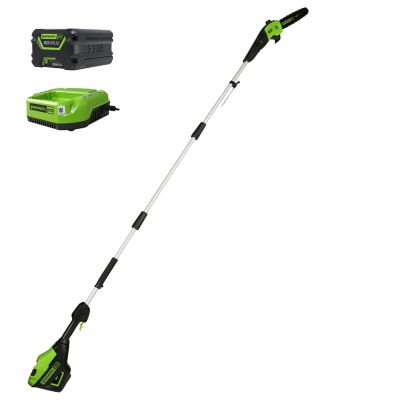
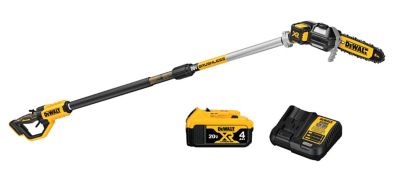
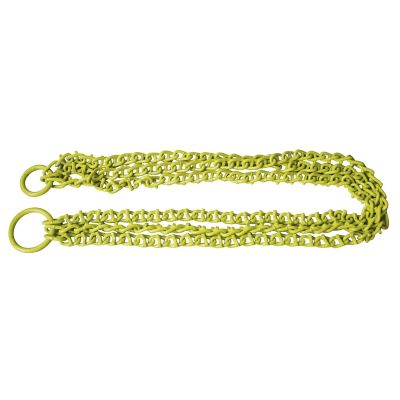
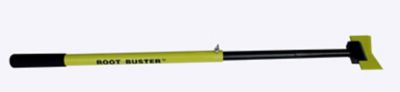
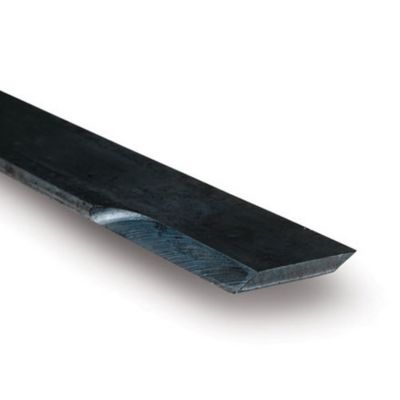
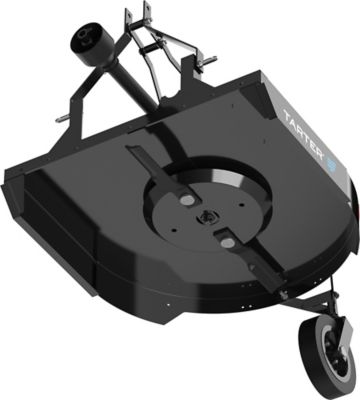
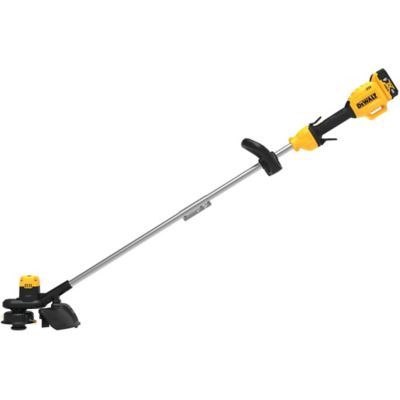
For heavier growth, powered brush cutters and walk-behind or riding brush mowers can cover more ground and handle tall weeds, dense grass, vines and young woody plants with less repeated swinging. Brush cutters generally use a heavy-duty cutting head suited to rough vegetation, while brush mowers are built for broader areas and uneven ground where an ordinary lawn mower would be out of its element. Large properties may call for equipment attachments designed for tractors, skid steers, utility vehicles or other machines, including cutting, mulching or grappling attachments made for demanding clearing work. Pulling tools can also be useful when the goal is to take out small trees, shrubs or clumps by the roots. A single-stem puller may suit individual plants, while a chain-style clump puller can gather several shallow-rooted stems at once. When using a vehicle to pull brush, match the tool to the machine, check connection points and use only equipment rated for the load. Brush that looks small above ground can have a surprising root hold, especially in packed clay or rocky soil. Think about reach, handle comfort, overall weight and storage, too. A tool that feels manageable for ten minutes may become tiring after an afternoon along a long fence row. Cushioned grips, balanced handles and a size that fits the person using it can make a real difference. For cutting tools, look for a sturdy head, a secure connection and a blade that can be maintained as it wears. For pulling tools, strong jaws or teeth should close firmly around the stem without slipping. Anyone clearing brush should wear gloves, eye protection, sturdy boots and long sleeves, and should inspect the work area for wire, rocks, holes, poison ivy, nests and hidden fencing before starting. Keep bystanders, children and pets well away from swinging tools and powered equipment, and follow the manufacturer’s directions for fuel, batteries, guards and maintenance.
Brush clearing tools are useful for homeowners, acreage owners, farmers, hunters, land managers, trail stewards and anyone trying to reclaim a neglected corner of property. They can help open a walking path through the back lot, keep weeds from crowding a gate, clear growth beneath a fence or tidy the edges around a barn, shed or pond. During the cooler months, brush is often easier to see after leaves thin out, and clearing can make future mowing, fencing and property maintenance more manageable. In areas where wildlife cover is important, it is wise to clear selectively rather than stripping every patch of growth; leave suitable shelter where it belongs and focus on access routes, structures, drainage areas and places where brush creates a hazard. A dependable clearing tool can also make a thoughtful gift for someone who enjoys maintaining acreage, tending a hunting property or improving trails by hand. For smaller cleanup jobs around beds, walkways and garden borders, browse
Garden Cleaning Tools to round out the work with tools suited to lighter outdoor cleanup. No matter the size of the job, plan a workable starting point and an area for cut brush before you begin. Short pieces can be gathered for disposal or chipping, while larger limbs may need to be stacked safely away from driveways, fences and buildings. Taking the growth down in stages—first opening a path, then cutting the larger stems, then gathering the debris—helps keep the job organized and gives you a clearer view of what remains. With a tool matched to the plant size and the ground conditions, even a rough patch that has been closing in for years can become a clean, useful part of the property.