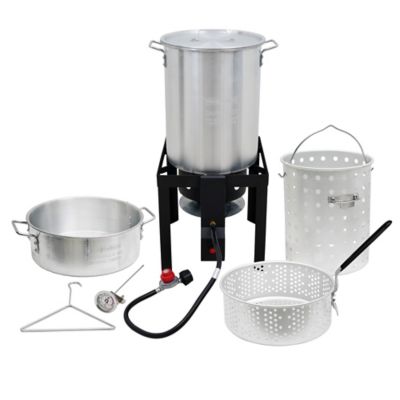
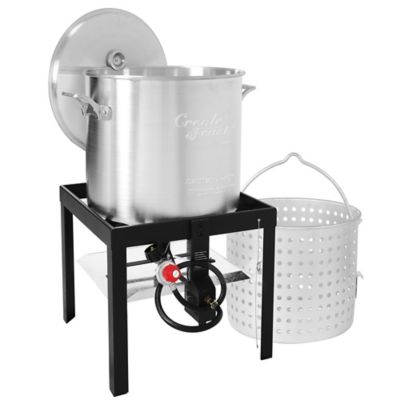
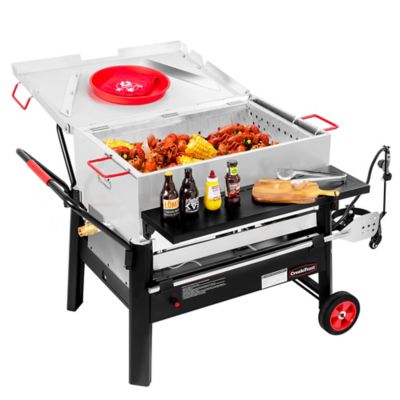
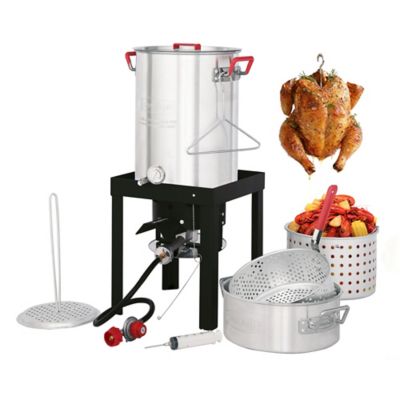
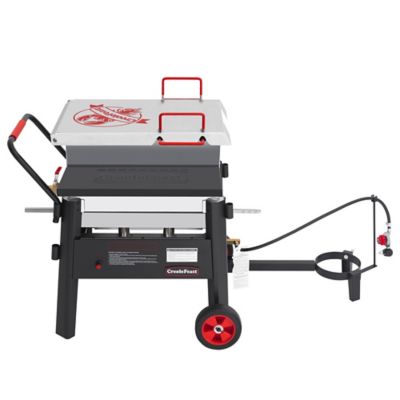
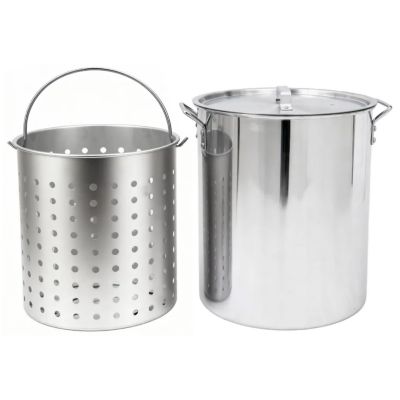
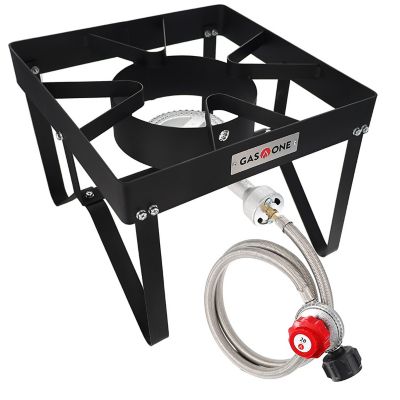
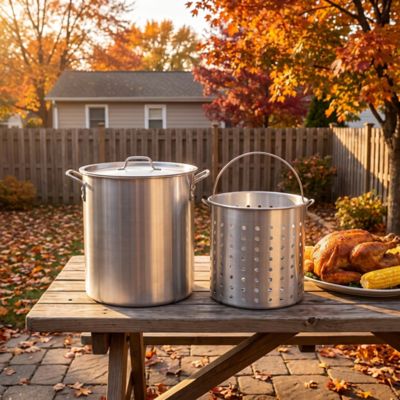
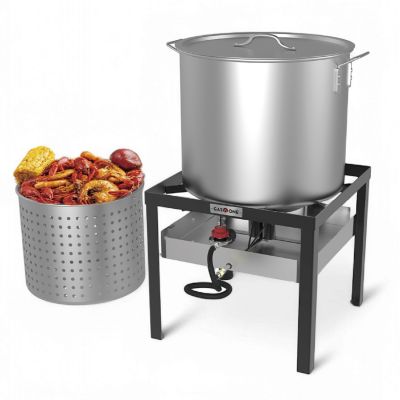
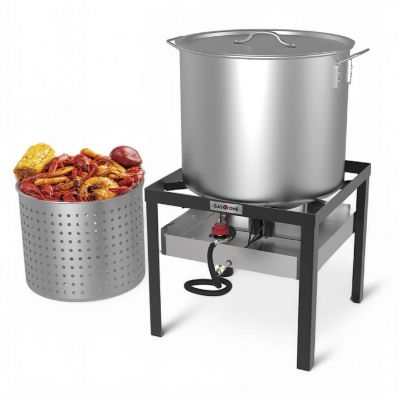
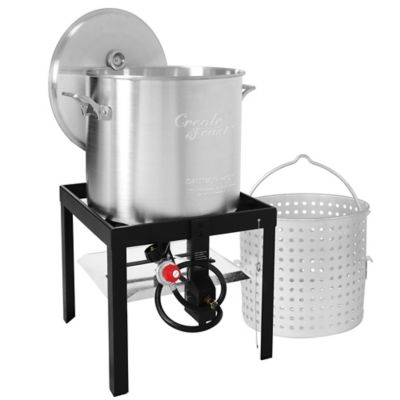
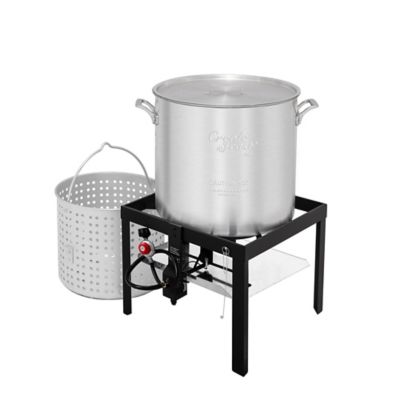
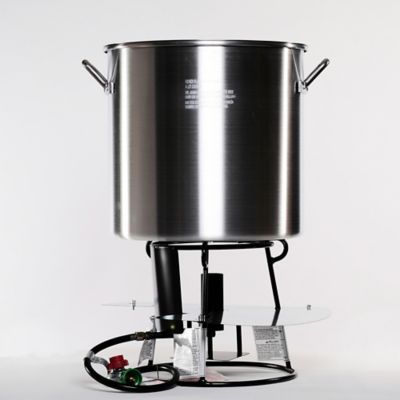
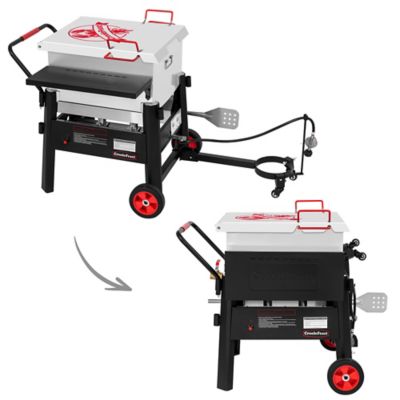
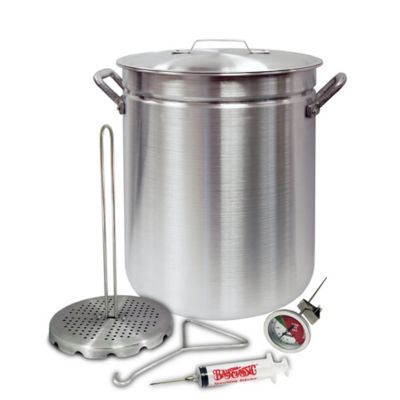
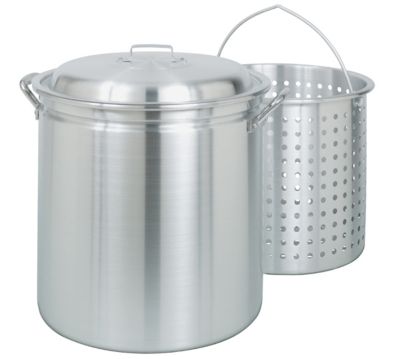
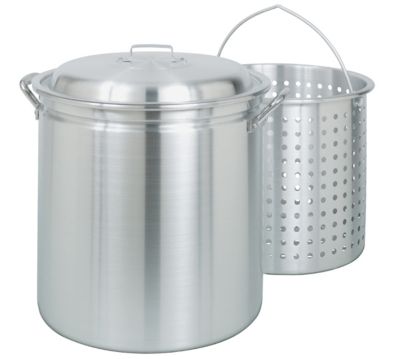
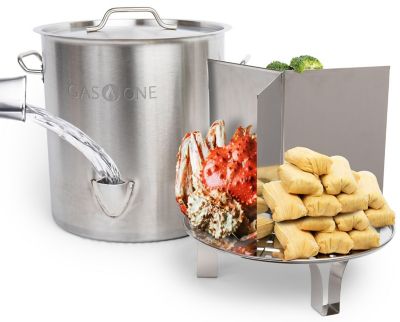
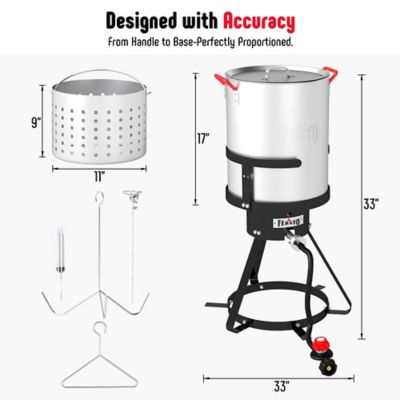
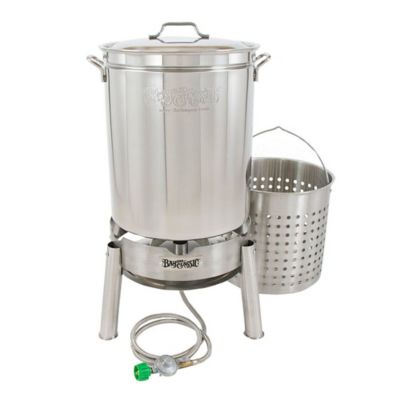
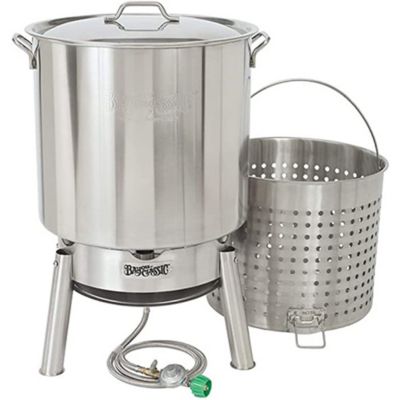
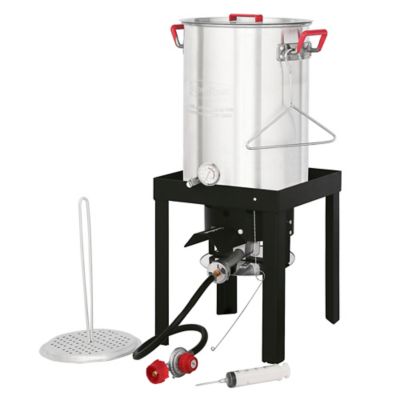
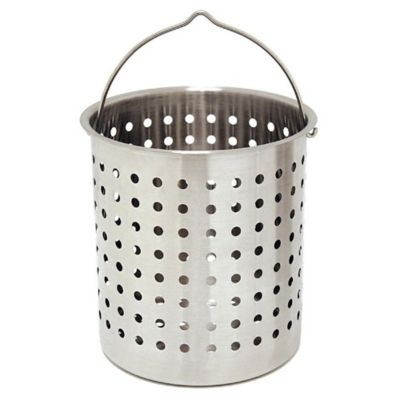
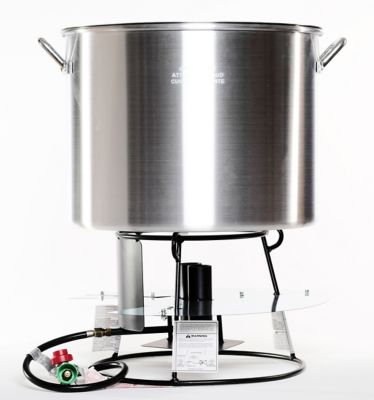
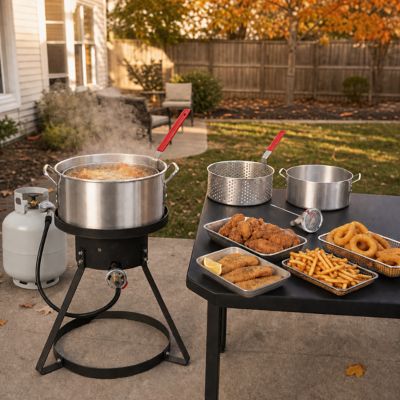
Shrimp boilers make it easier to bring the taste and gathering spirit of a coastal seafood boil to the backyard, camp, hunting cabin, tailgate or community cookout. These outdoor cooking setups are built to heat a large pot of water quickly, then hold a steady boil for shrimp, crawfish, crab, corn on the cob, potatoes, sausage and other hearty fixings. A typical shrimp boiler may include a propane burner, stockpot and lift-out basket, while smaller electric units are designed for more compact cooking spaces and lighter batches. When comparing options, start with the number of people you usually feed and the amount of food you plan to cook at one time. A pot in the 30- to 60-quart range can work well for family meals, neighborhood suppers and a few friends gathered around a picnic table. Larger 80- to 100-quart setups are better suited to big reunions, church fish fries, fall festivals and other occasions where a single batch needs to serve a crowd. Keep in mind that pot capacity includes water, seafood and vegetables, so the listed quart size does not equal the amount of finished food. A pot filled too high can boil over, cook unevenly and become difficult to lift safely. For that reason, a little extra room is useful, especially when adding a basket packed with corn, potatoes and shell-on shrimp. Aluminum is a common choice because it heats quickly, weighs less than many other metals and is easier to move when the cooking is done. Look for sturdy handles, a stable burner frame and a basket or strainer with a strong lifting handle. That inner basket is more than a handy extra; it lets you raise the whole meal from the hot water, drain it over the pot and transfer it to a serving table with less scooping and splashing. On a cool afternoon, there is something special about the sound of a burner humming beside the porch, steam rolling off the lid and a long table waiting under the trees. Shrimp boilers help make that kind of meal practical, whether the menu is a simple supper for the family or a full spread served on paper-lined tables.
Propane shrimp boilers are often the best fit for high-volume outdoor cooking because they deliver strong heat and are not limited by an indoor outlet. High-output burners can bring a full pot of water to a boil faster than a standard kitchen range, which matters when hungry guests are waiting and the pot is loaded with cold seafood. A propane setup also gives you the freedom to cook on a patio, driveway, campsite or other well-ventilated outdoor area. Place the burner on a level, noncombustible surface away from buildings, vehicles, dry grass and low branches, and keep the propane cylinder upright and positioned according to the manufacturer’s instructions. Check hose connections before lighting, use the proper regulator and never leave a lit burner unattended. Electric shrimp boilers can be a convenient choice for smaller portions, indoor-approved locations or cooks who want a simpler plug-in setup. They are generally easier to carry and store, though they may take longer with a full pot and require a suitable outlet, extension cord or circuit. Always follow the equipment instructions for indoor or outdoor use rather than assuming an electric appliance can be used anywhere. Capacity, heat source and portability are the big decisions, but the small details affect how enjoyable the cook will be. A tight-fitting lid helps retain heat, while a perforated basket makes it easier to drain the meal without fishing around in boiling water. Wide, stable feet help keep the burner steady, and heavy-duty handles are valuable when a pot must be moved after it has cooled. Think about storage as well. A large pot, basket, burner and propane cylinder take up room in a shed or garage, while a compact electric unit may fit on a shelf between uses. If you already enjoy cooking outdoors, you may also want to compare shrimp boilers with other backyard equipment, including
Outdoor Fryers, for a broader range of fried and boiled meals. Whichever style fits your setup, keep raw seafood chilled until it is ready for the pot, use clean utensils for cooked food and wash the pot, basket and work surfaces thoroughly after serving.
Shrimp boilers can be a practical addition to a home where meals tend to grow once friends and family start showing up. They are useful for seafood lovers, backyard cooks, campers with a suitable outdoor setup, sports fans hosting a tailgate and anyone who enjoys serving food family-style instead of plating each portion in the kitchen. They also make a thoughtful gift for a new homeowner, a seasoned griller, a fisherman, a camper or the person who always volunteers to cook at the reunion. For a gift, consider how the recipient actually cooks before choosing a size. Someone with a small patio may appreciate a compact electric boiler, while a large family or regular event host may put a bigger propane setup to work several times each season. A complete kit can be especially helpful when it includes the pot, burner, basket and basic connections, but it is still worth checking whether fuel, cooking utensils, a thermometer or a sturdy outdoor table must be purchased separately. Before the first boil, read the instructions, inspect the basket and burner, and test the setup with plenty of open space around it. During the cooler months, seafood boils can warm up a gathering without keeping the cook tied to an indoor stove, and the same equipment can be used for corn, potatoes, hot dogs and other foods when shrimp is not on the menu. Seasonings, lemons, onions and sausage can turn a plain pot of water into a meal that fills the yard with a savory smell, while a few coolers and a long table make serving simple. Afterward, let the equipment cool completely before draining, cleaning and storing it in a dry place. With the right capacity, dependable heat source and easy-to-handle basket, shrimp boilers take much of the fuss out of cooking a generous batch and leave more time for passing plates, swapping stories and enjoying the people gathered around the meal.