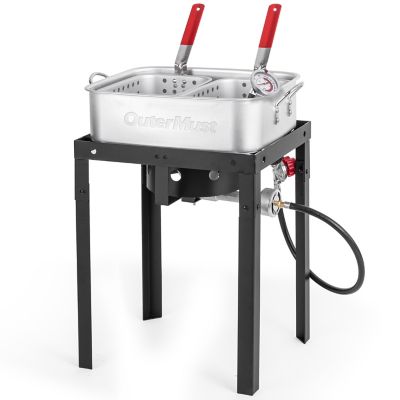
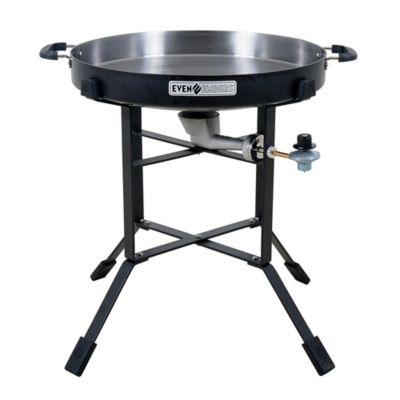
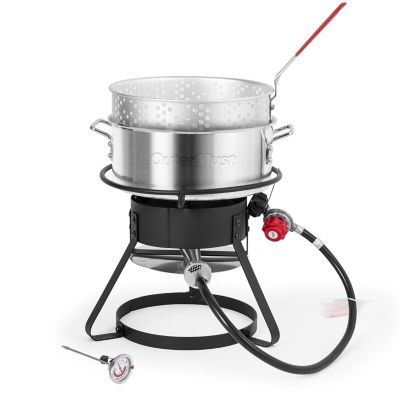
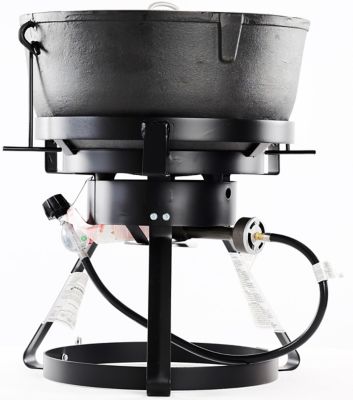
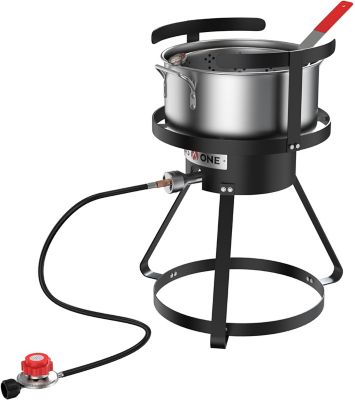
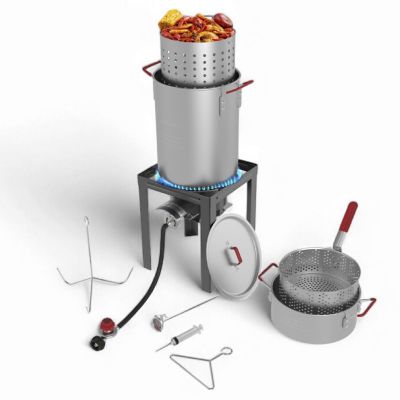
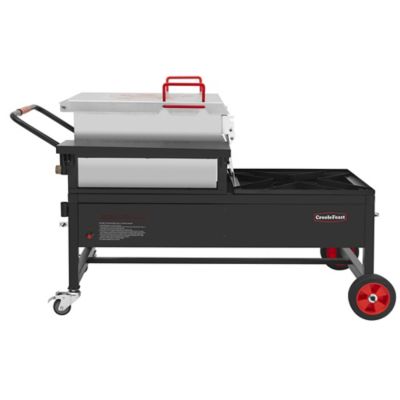
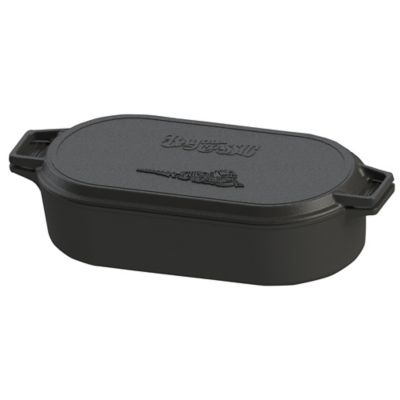
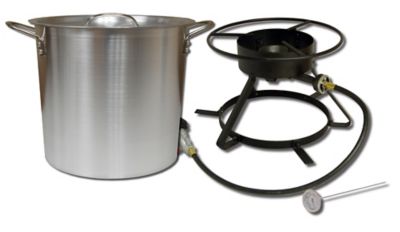
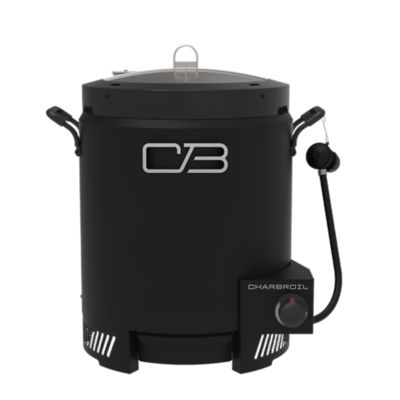
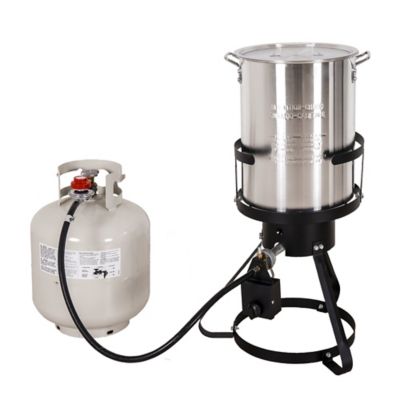
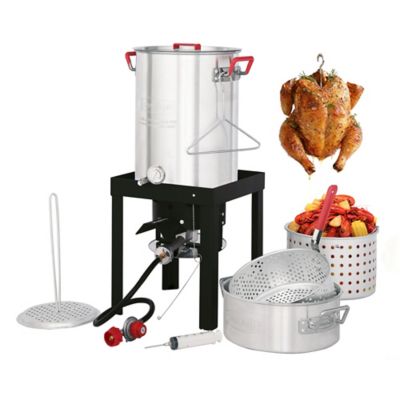
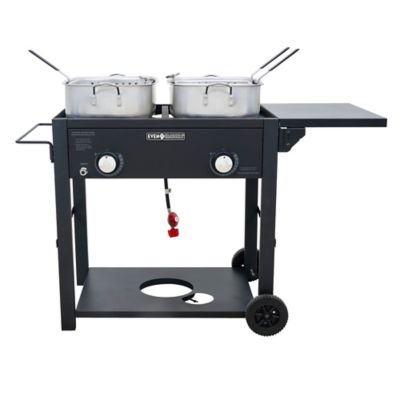
Outdoor fryers bring a different kind of cooking to the backyard, with room for golden fish fillets, crisp chicken wings, hush puppies, and other favorites that tend to disappear as soon as they reach the serving tray. For the household that enjoys a fish fry after a day at the pond or feeds a full table after a long stretch of chores, the appeal is straightforward: a dedicated outdoor cooking setup can handle foods that need space, hot oil, and steady attention. The right fit starts with what’s on the menu and how much food needs to reach the table at once. A shallow frying pan suits different meals than a tall stockpot, while a basket with enough room lets smaller pieces cook without crowding. Pot volume alone doesn’t tell the whole story, since the maximum oil fill line and the space displaced by food determine the safe working capacity. Burner output matters, too, but a higher heat rating isn’t the only consideration. Control over the flame, compatibility between the burner and vessel, and the ability to monitor oil temperature all contribute to a manageable setup. Propane outdoor fryers offer flexibility in placement where safe clearances allow, while outdoor-rated electric fryers need a suitable power source and the electrical protection specified by the manufacturer. Some cooking systems also support boiling or steaming with the proper components, which can make them a good match for families that enjoy everything from fried catfish to a pot of shrimp and corn. Those functions depend on the equipment’s design, rather than on the shape of the pot alone. For cooks whose plans center on a whole bird,
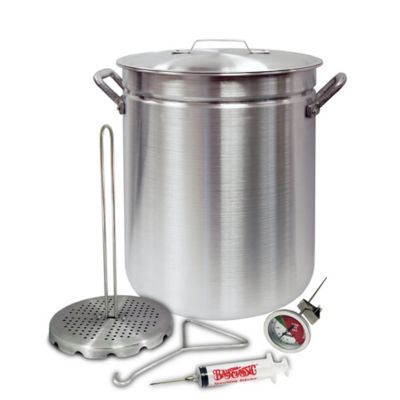
outdoor turkey fryers are a related category worth considering, with vessel dimensions, lifting equipment, and bird-size limits that deserve close attention. Whether supper is a few portions or several rounds of food, matching the fryer to the meal makes more sense than choosing by size alone.
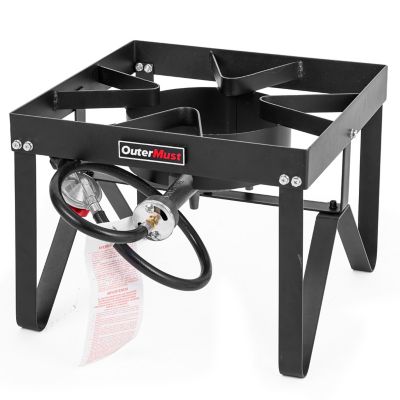
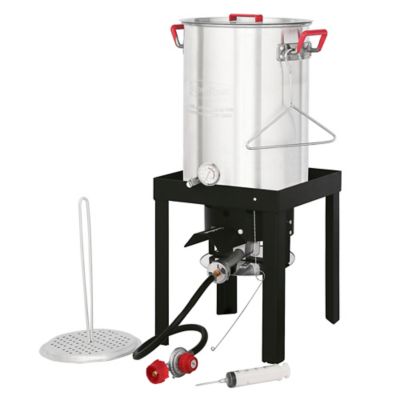
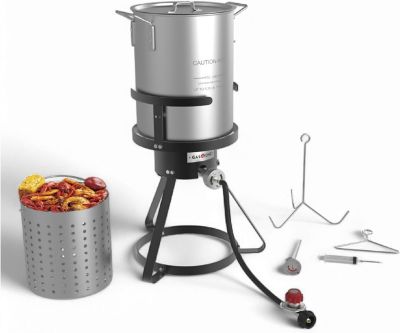
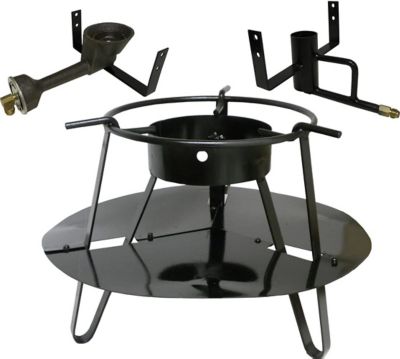
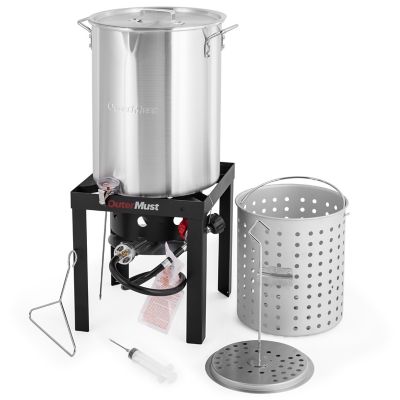
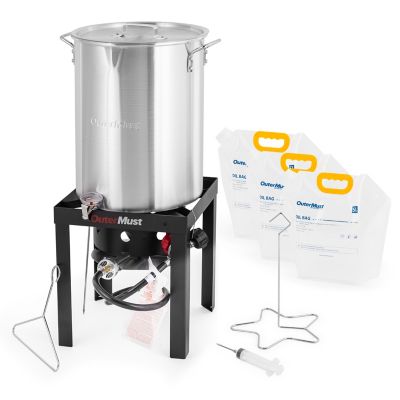
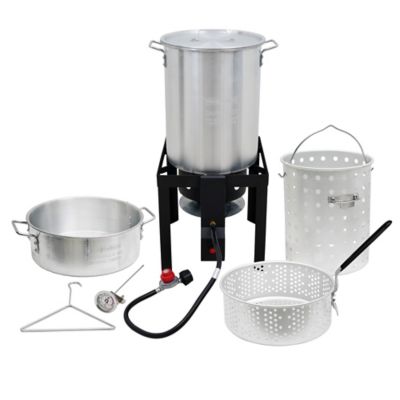
Materials and construction make a noticeable difference in how an outdoor fryer handles cooking, cleaning, and storage. Aluminum pots are generally lighter to carry and respond readily to changes in burner heat, while stainless steel vessels offer resistance to corrosion and can tolerate regular scrubbing when the manufacturer’s care directions allow it. Neither material makes a fryer maintenance-free, and both benefit from prompt cleaning after the equipment and oil have cooled completely. A vessel’s base, wall thickness, and handle attachment all deserve a look, especially when the setup will see frequent meals rather than an occasional gathering. Steel burner stands need a level, noncombustible surface and a footprint that supports the specified pot securely; a larger vessel isn’t a suitable replacement simply because it rests on the frame. Compatibility extends to baskets, lids, racks, lifting hooks, hoses, and regulators. Parts should match the cooking system’s specifications instead of relying on makeshift connections or improvised supports. Basket design matters in everyday cooking as well. Perforations allow oil to drain, while the size and shape determine whether the basket works better for small battered pieces or larger portions. Handles and lifting points should provide the grip and clearance called for by the equipment’s design, though metal surfaces can still become hot enough to require appropriate hand protection. A thermometer that reads clearly across the recommended frying range helps the cook watch the oil rather than guess from the sound of bubbling. For breaded fish or chicken, the fryer also needs enough working room to lower food carefully and lift it without reaching awkwardly across the vessel. Storage is another practical consideration: the pot, stand, and accessories need a clean, dry place, while propane cylinders require separate storage according to their safety directions. A setup that fits the cooking area but has nowhere suitable to go afterward can become a nuisance between meals. Manageable weight, accessible surfaces, and components that come apart as intended make cleanup less of a chore.
The best outdoor fryer for a household is one that fits both the menu and the cook’s willingness to stay with it from ignition through shutdown. Deep frying isn’t a leave-it-alone job, particularly when children, pets, or guests are moving around the yard. A proper cooking space keeps the fryer outdoors, well away from buildings, overhangs, combustible surfaces, and foot traffic, with the clearances required by the manufacturer. Garages and enclosed spaces aren’t appropriate places for fuel-burning fryers. That dedicated space also gives the cook room to work without someone squeezing past a hot pot to reach the table. Whole poultry must be completely thawed and thoroughly dried before frying, and food of any kind needs careful preparation to limit moisture entering hot oil. The correct oil level must be established before heating according to the fryer’s directions; an overfilled pot can spill when food goes in. Oil intended for deep frying, controlled heat, and a suitable food thermometer each serve a different purpose, from managing the cooking medium to checking that the meal has reached a safe internal temperature. Water should never go on an oil fire, and a fire extinguisher rated for cooking-oil fires belongs within reach. These practical demands are worth considering when choosing a fryer as a gift for an enthusiastic backyard cook, an angler who likes sharing the catch, or the family member who always volunteers to handle the main dish. Experience, available cooking space, and comfort with the fuel source matter more than the size of the crowd that person usually feeds. After the meal, cooled oil needs proper handling and disposal, not a trip down the drain, and food residue needs cleaning from baskets and vessels before storage. Regular checks of connections, fasteners, and cooking surfaces help keep the equipment ready for the next meal. With a well-matched setup and attentive cooking, outdoor frying can become a familiar part of feeding family and friends, whether the table holds fresh-caught fish, a platter of wings, or a round of crisp onion rings.