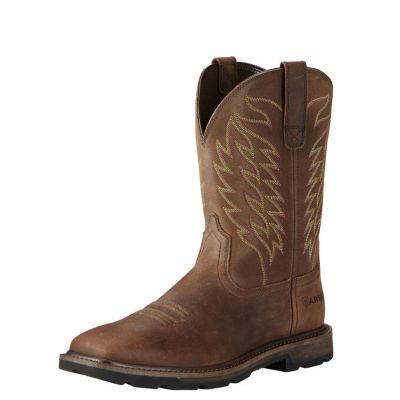
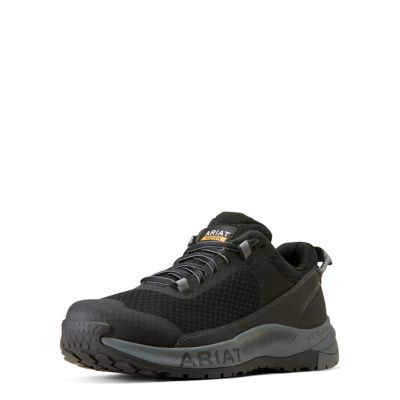
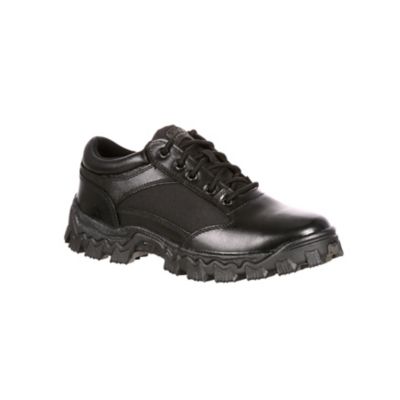
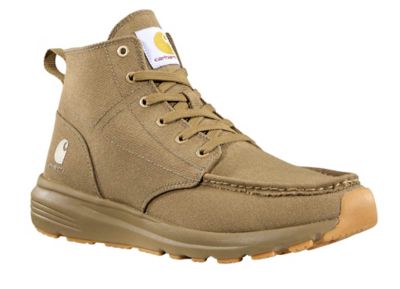
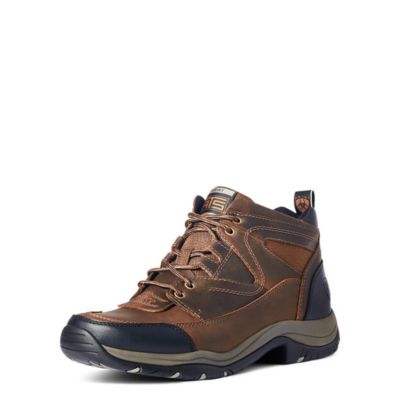
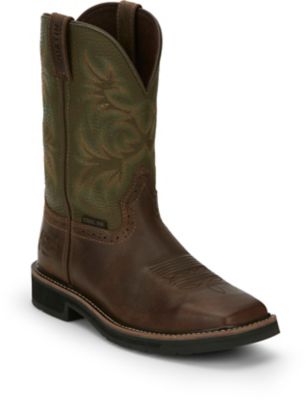
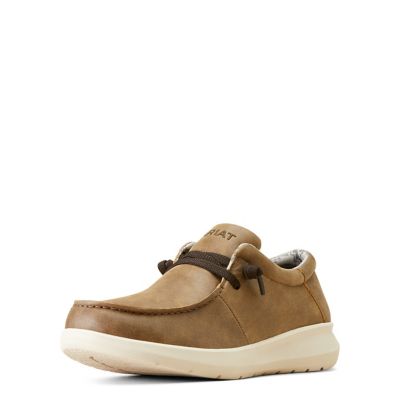
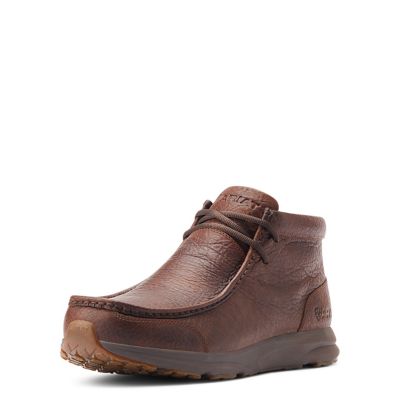
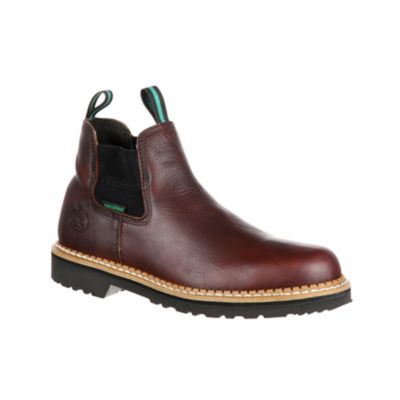
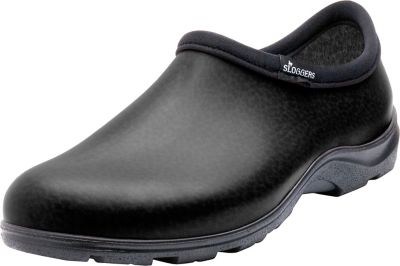
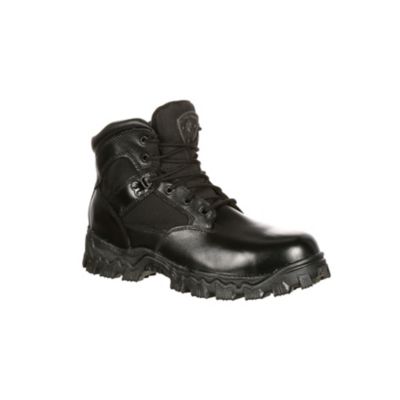
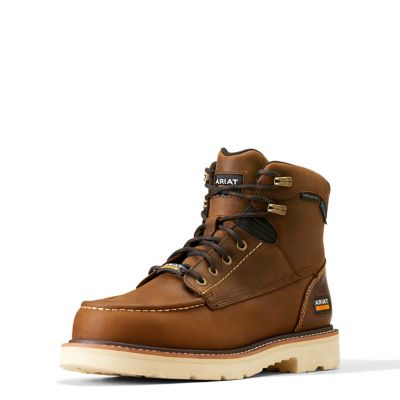
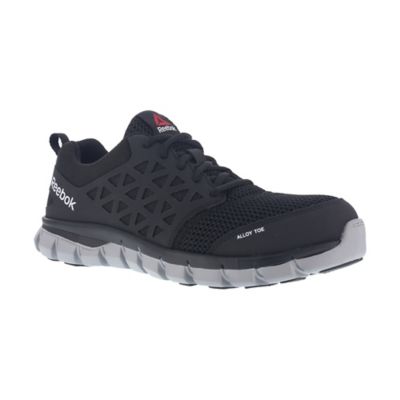
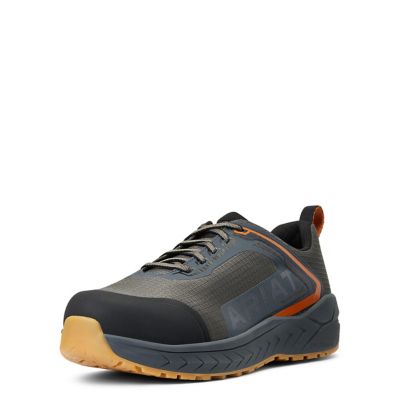
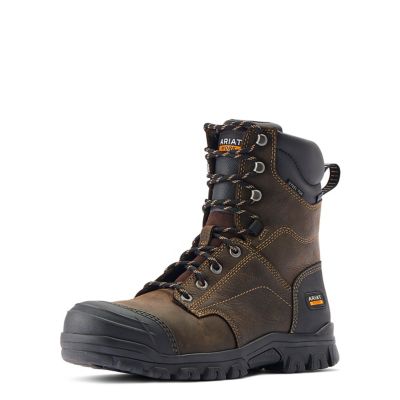
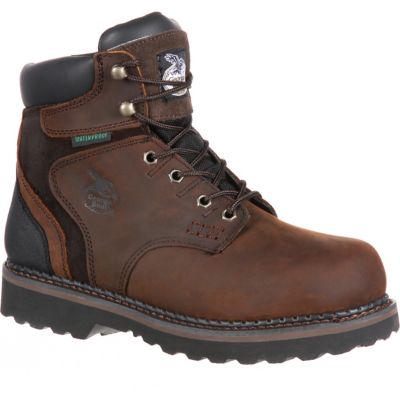
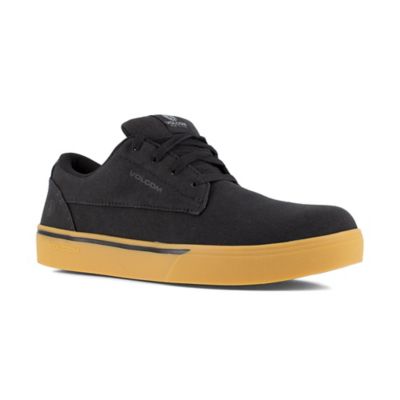
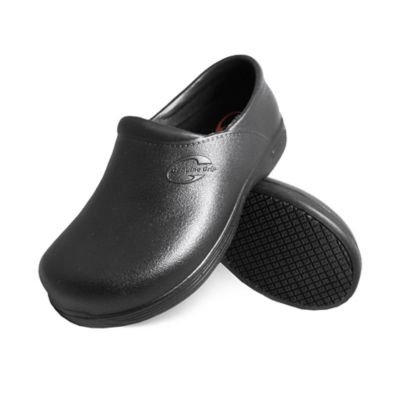
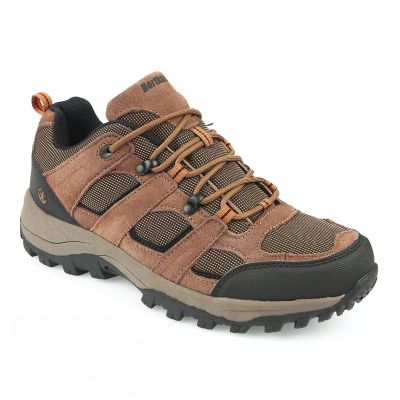
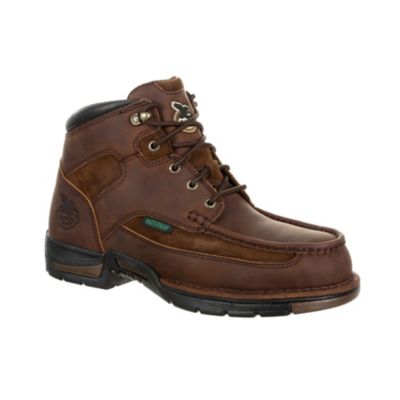
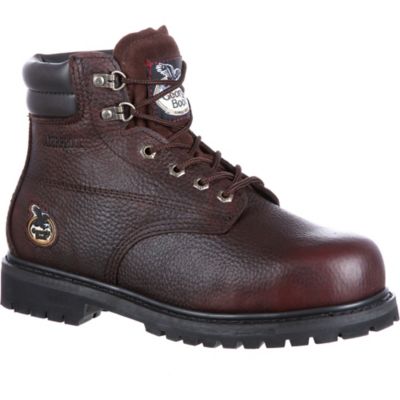
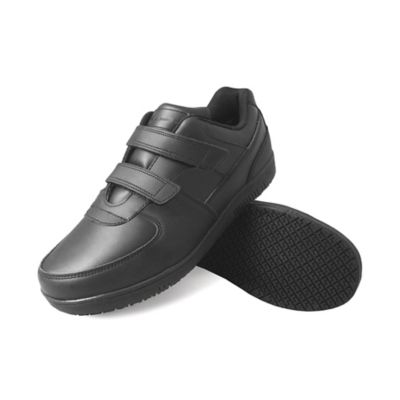
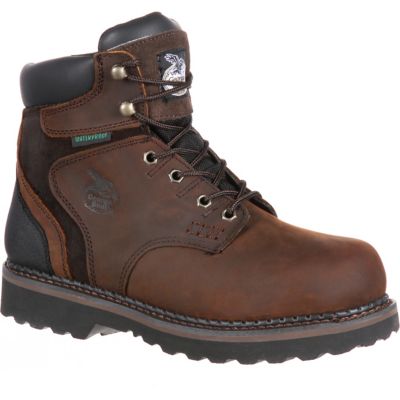
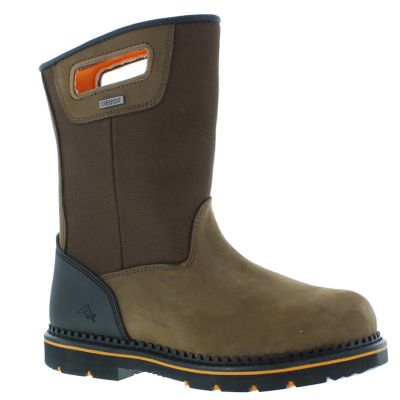
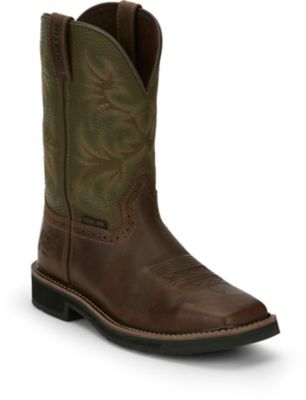
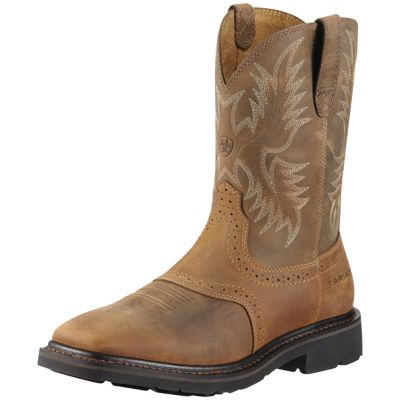
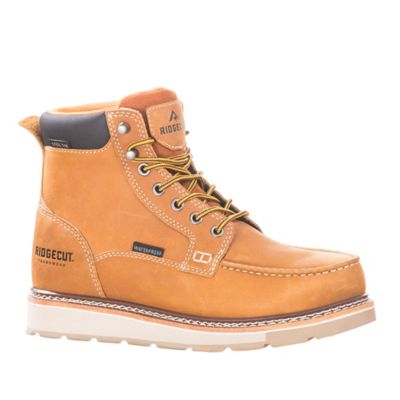
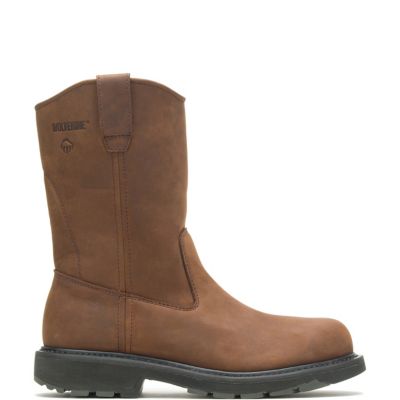
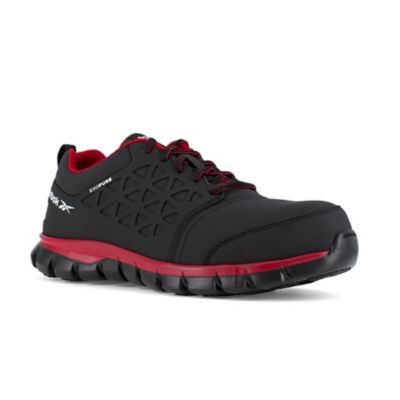
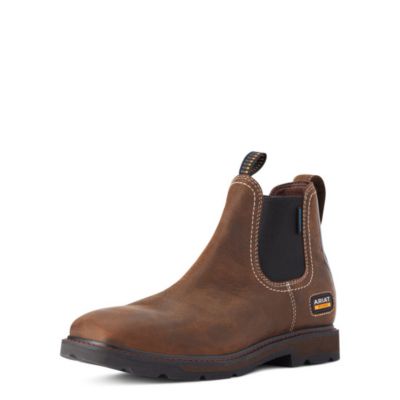
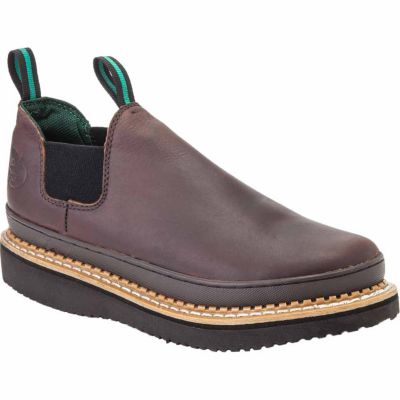
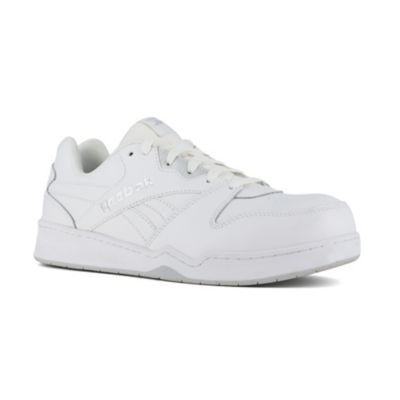
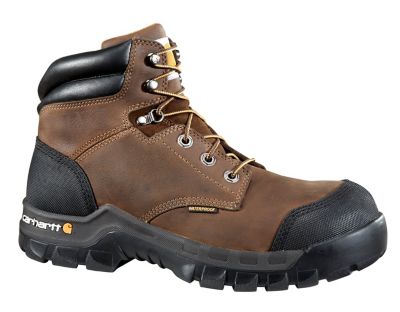
Finding the right shoes for standing on concrete starts with understanding how hard surfaces affect your feet and legs over a long day. Concrete does not give much under pressure, so every step and shift of weight can send impact up through the heels, knees, hips, and lower back. Whether you spend a shift behind a counter, walk warehouse aisles, work in a shop, care for animals, or move between outdoor jobs and indoor floors, supportive footwear can make those hours feel more manageable. Look for shoes with generous cushioning that helps absorb shock without feeling overly soft or unstable. A thick midsole made with durable foam can help reduce the harsh feel of concrete, while a firm heel area and supportive arch can help keep your feet aligned as you stand and walk. A broad, stable outsole is another useful feature because it spreads your weight over more surface area and gives you a steadier platform. Comfort should not mean a loose or sloppy fit. Your heel should stay planted without rubbing, your toes should have room to move, and the widest part of your foot should sit comfortably inside the shoe without squeezing. Try footwear with the type of socks you normally wear for work, especially if you use thicker crew socks during the cooler months. Allow a little room at the front for natural foot swelling over a long shift, but avoid sizing up so much that your foot slides around. A properly fitted shoe can help reduce hot spots, blisters, and the tired, heavy feeling that often arrives after hours on a hard floor.
The work setting matters just as much as cushioning. Smooth concrete can become slick when exposed to water, mud, grease, feed dust, or cleaning products, so a slip-resistant outsole is an important consideration for kitchens, barns, service areas, loading docks, and other places where the floor may not stay dry. Check the outsole pattern and the footwear description for traction suited to your environment, and keep in mind that a tread designed for indoor floors may feel different from one made for gravel, wet pavement, or uneven ground. If your job includes handling equipment, stocking heavy materials, or working around livestock, you may also need a more rugged shoe or boot with reinforced construction, extra protection around the toes, and materials that can stand up to daily scuffs. For security professionals and others who spend long hours walking a route or standing at an entrance, the options collected under
Shoes for Security Guards can offer useful inspiration when comparing support, traction, and work-ready construction. Breathability is worth considering for active shifts, while water-resistant materials can be helpful when early-morning dew, wet sidewalks, or changing weather are part of the routine. A removable footbed may make it easier to use an approved insert or replace a worn insole, but added support should never create pressure or numbness. Give new shoes a little time to settle in before relying on them for a full day. Wearing them around the house, shop, or yard in short sessions can reveal rubbing at the heel, tightness across the toes, or a tongue that presses in the wrong spot. Keep an eye on the tread and midsole as the shoes age. Even when the upper still looks good, flattened cushioning, uneven wear, or a smooth outsole can signal that the footwear is no longer providing the same support and traction.
Shoes built for long periods on concrete can be a practical choice for many kinds of workers, from retail and warehouse teams to mechanics, growers, delivery drivers, teachers, reception staff, and anyone whose daily routine keeps them on their feet. They can also make a thoughtful gift for a family member starting a new job, a friend preparing for long event shifts, or a hardworking relative who comes home with sore feet after standing on a shop floor all day. Focus on the recipient’s real routine rather than choosing based on appearance alone. Someone moving between a farm supply store and muddy outdoor chores may value durable, easy-to-clean materials and dependable traction, while a person working in a polished indoor building may prefer a lighter profile with a quieter, non-marking sole. During the cooler months, consider how thicker socks, layered clothing, and damp conditions may affect fit and comfort, but avoid choosing a shoe that feels tight when worn with the socks used on the job. Footwear should support natural movement, not force the foot into a rigid position. Cushioning can soften each step, arch support can help reduce strain, and a stable base can make standing feel less demanding, yet individual comfort still matters most. Feet differ in width, arch shape, and pressure points, so the best choice is the one that feels secure and comfortable through the kind of workday it needs to handle. With the right combination of cushioning, support, fit, traction, and durable construction, shoes for standing on concrete can help turn a long shift from a daily struggle into a more comfortable part of the work.