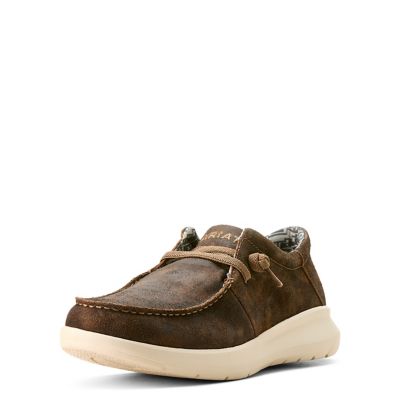
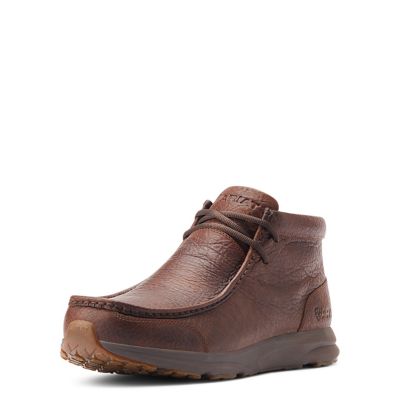
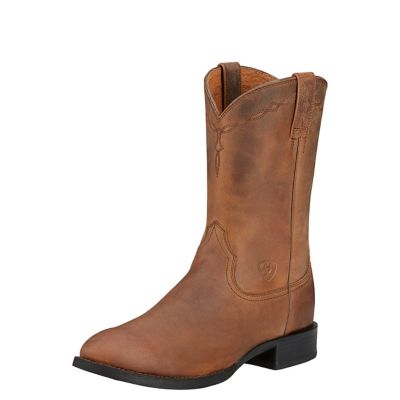
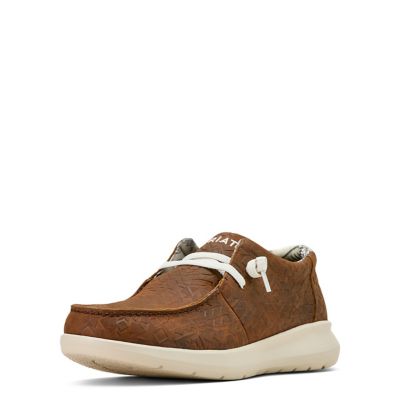
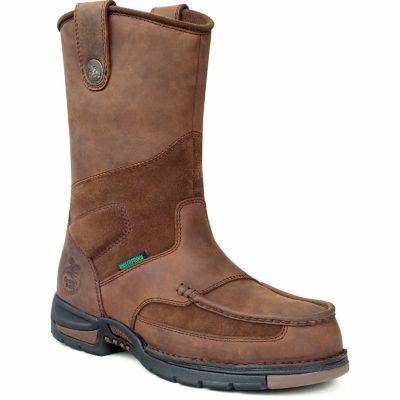
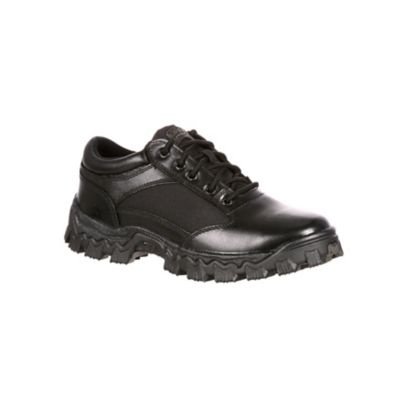
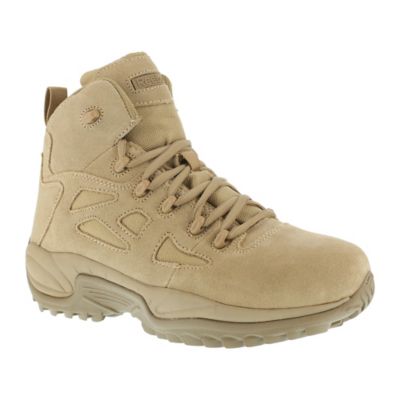
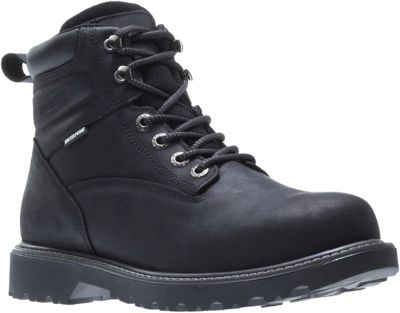
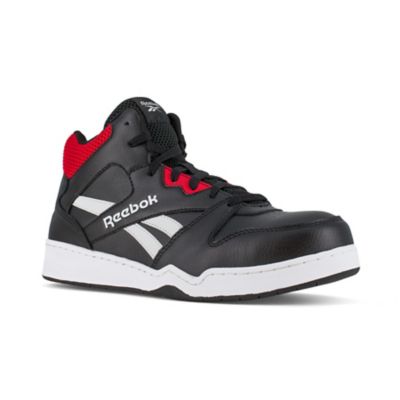
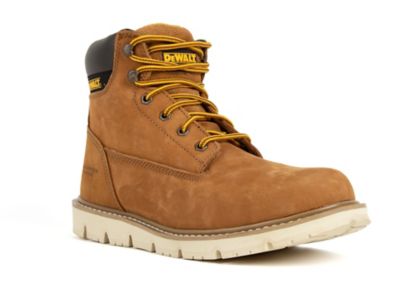
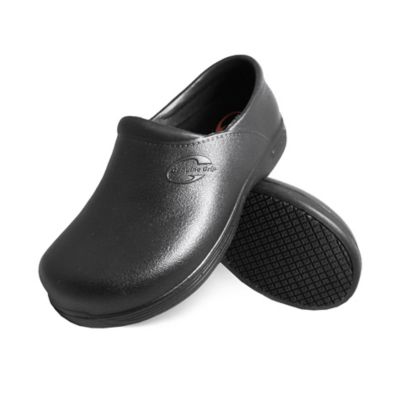
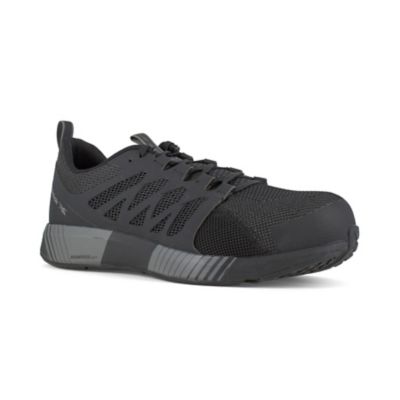
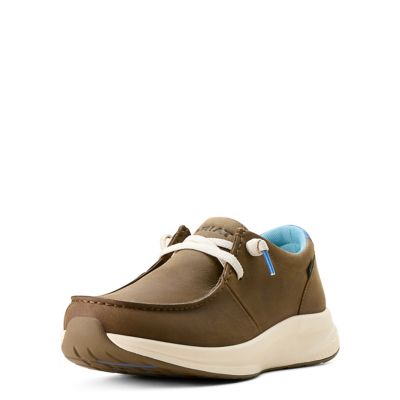
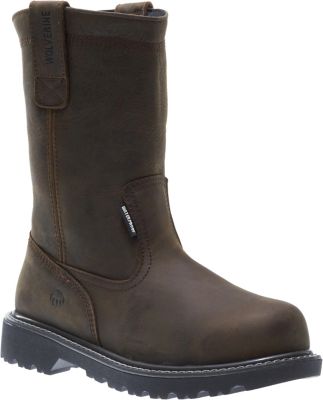
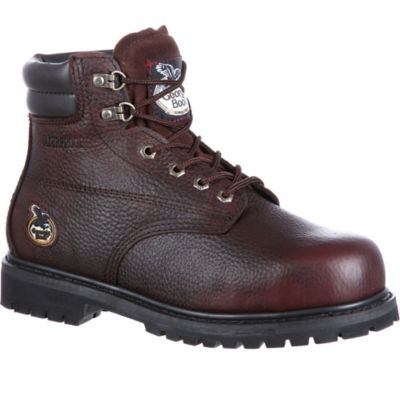
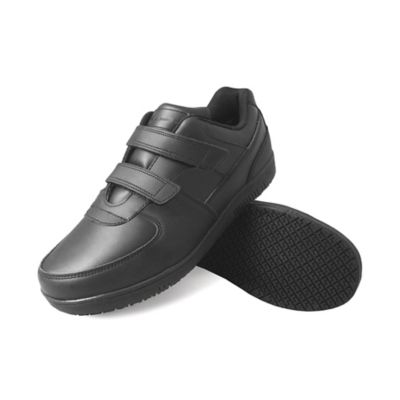
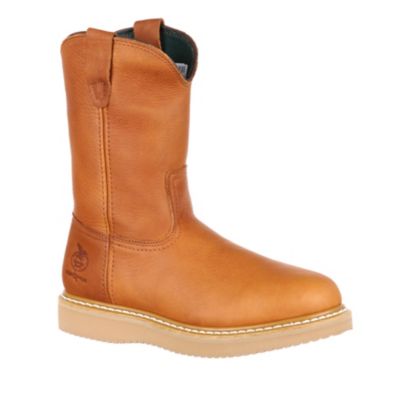
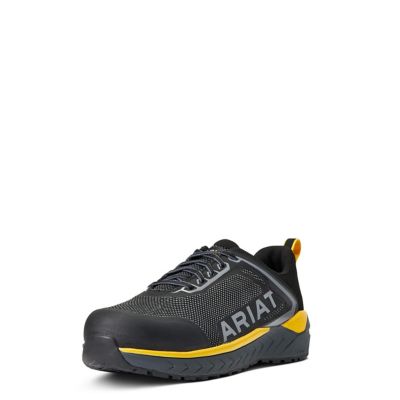
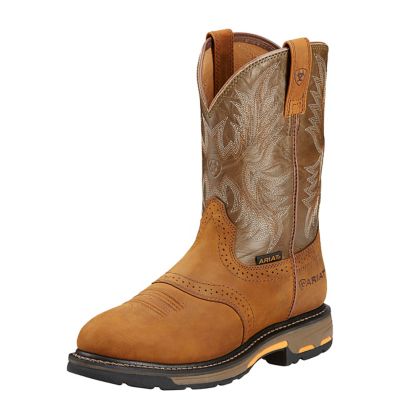
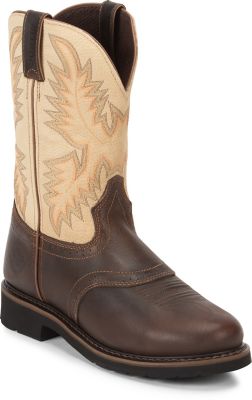
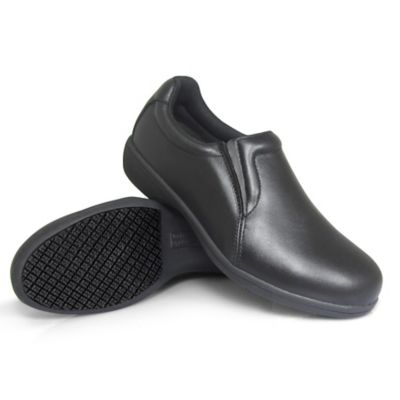
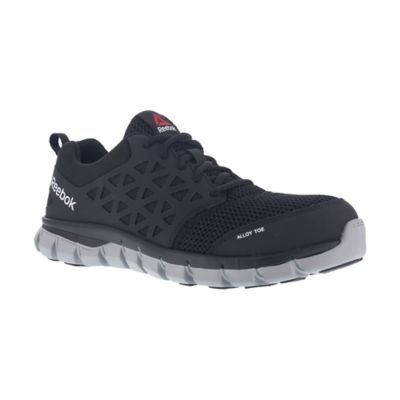
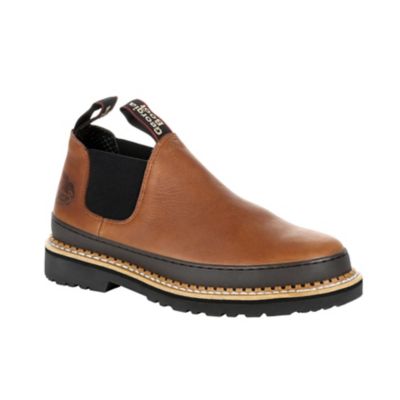
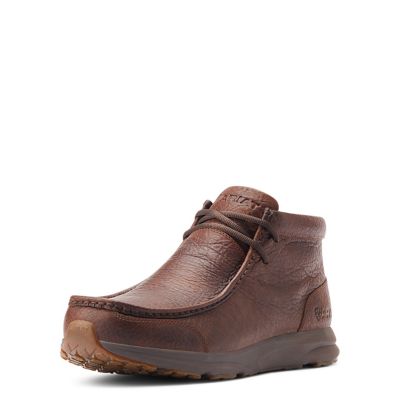
Shoes for standing all day at work bring together cushioning, steady support, a secure fit, and outsoles suited to the floor underfoot. The best match depends on the job: standing at a checkout counter puts different demands on footwear than carrying parts across a repair shop or making rounds through a warehouse. On hard floors, cushioning helps soften contact with the ground, while a supportive footbed and stable base help keep feet from feeling like they’re sinking into the shoe. More padding isn’t always the answer. A very soft sole may feel pleasant at first but allow too much movement for someone planted at a workbench for hours. A balanced feel, with some give beneath the heel and forefoot and enough structure through the middle, often makes more sense for long shifts. Arch support should follow the shape of the foot without creating a hard ridge or pressure spot, and a heel that sits securely helps limit rubbing as the workday moves along. For retail workers, kitchen crews, shop hands, and folks handling chores between trips to town, weight matters, too. A lighter shoe can feel less cumbersome over repeated steps, provided it still meets the job’s protection requirements. Standing comfort and walking comfort overlap, but they aren’t exactly the same. Someone who stays near a packing table may value a broad, steady platform, while someone covering aisle after aisle may prefer more flexibility at the ball of the foot. For jobs that involve more ground to cover,
Shoes For Walking On Concrete All Day offers a related footwear category. In either case, comfortable work shoes should leave room for natural movement without allowing the foot to slide around. Footwear works alongside practical habits such as changing position, taking permitted breaks, and using an appropriate standing mat where the workplace allows one. Even a well-fitting pair can’t remove every strain of spending a shift on your feet.
Materials and construction make a difference once shoes leave the entryway and head into a full day’s work. Leather uppers offer structure and can be wiped free of everyday dirt, though their care needs depend on the finish. Textile and mesh uppers generally allow more airflow and may bend more readily, making them practical where ventilation and freedom of movement matter more than splash protection. Smooth synthetic surfaces can simplify cleanup in settings where spills are part of the routine. Breathable doesn’t mean liquid-resistant, and a shoe that handles an occasional splash isn’t necessarily suitable for repeated exposure to liquids. Linings, seams, and tongue padding also affect how the shoe feels after several hours. A rough seam across the toes or a stiff edge near the ankle can become more noticeable with every trip between the counter and the back room. Beneath the foot, foam midsoles provide cushioning, while outsole materials and tread patterns influence grip, flexibility, and wear. Slip-resistant work shoes are worth considering for approved settings with slick floors, but no tread can prevent every slip. Performance depends on the surface, the substance on it, and the condition of the sole; grease, dust, and tracked-in grit present different challenges. Workplace rules come first when protection is required. Steel and composite safety toes are designed for impact and compression protection when they meet the applicable standards, while a soft-toe shoe does not provide that protection. Toe material alone doesn’t establish a shoe’s safety rating, so the footwear’s labeling needs to match the employer’s requirements. The same care applies to electrical hazard protection, puncture resistance, and other job-specific features. A service counter may call for flexible, easy-clean footwear, while a shop floor with rolling equipment may require a more protective build. Reinforced areas around the toe, firmly attached soles, and sound stitching can help shoes hold up to daily wear, but extra weight and stiffness aren’t automatically better. The right construction balances the demands of the work with enough comfort to keep moving naturally.
Fit is where all those features come together. Work shoes should feel secure through the heel and midfoot, with enough space for toes to spread without brushing the front or pressing against the sides. Feet can swell over a long shift, so trying shoes later in the day with the socks intended for work gives a more useful sense of fit than a quick try-on in thin socks. Length and width both count: going up a size to solve a width problem can leave the heel loose and put the shoe’s flex point in the wrong place. A roomy toe box is especially important in safety-toe footwear because the protective cap won’t stretch to accommodate pressure. Lace-up closures allow adjustment across the foot, while slip-on styles depend more heavily on the shape of the upper and heel opening to stay secure. Neither should require gripping with the toes to keep the shoe in place. Removable footbeds can make cleaning and replacement easier, and they may allow space for a prescribed insert if the shoe has sufficient depth. Stacking inserts can crowd the foot and change the fit, so compatibility matters more than simply adding cushioning. Comfort should be apparent during a short walk and a few minutes of standing; persistent pinching, numbness, or heel slipping isn’t something to count on resolving with wear. Once shoes enter the work rotation, a little upkeep helps preserve their fit and function. Brushing debris out of tread keeps the grooves clear, and cleaning uppers according to their material helps prevent buildup around seams and flex points. Letting shoes dry fully between shifts, away from direct heat, helps protect their shape. Leather may need a suitable conditioner, while some textile or synthetic uppers call for a damp cloth and mild cleaner rather than soaking. Flattened cushioning, worn-smooth tread, separating soles, or a heel that has begun to lean are signs the pair deserves a closer look. Well-matched shoes for long hours on your feet make room for both the work at hand and the way your feet actually move.