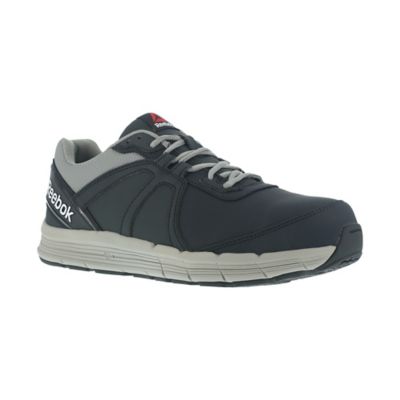
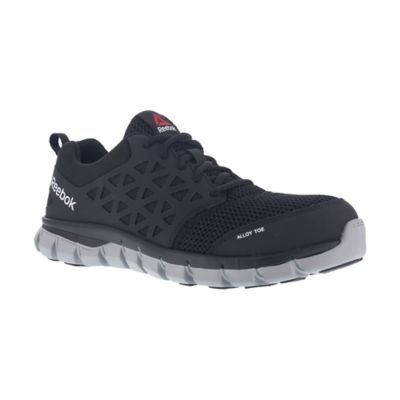
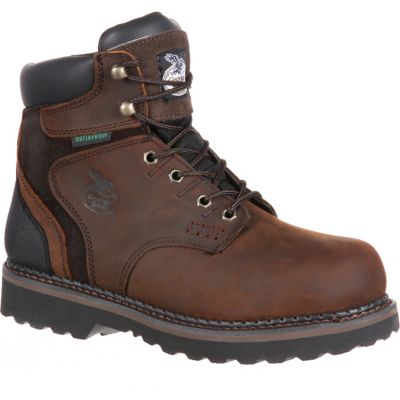
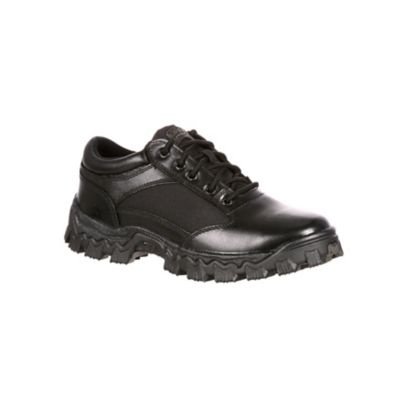
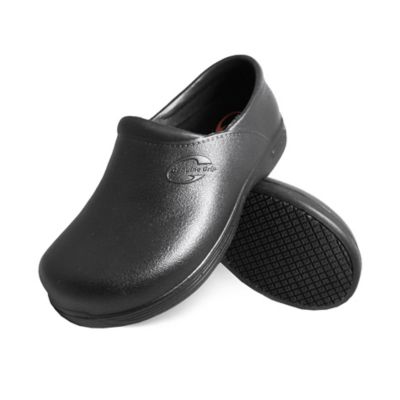
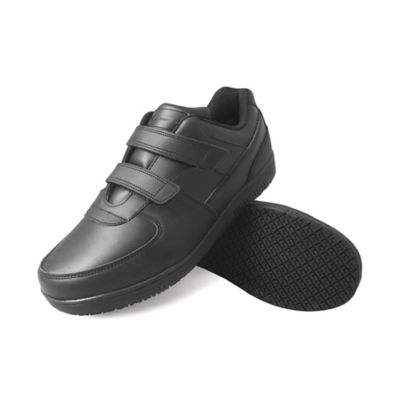
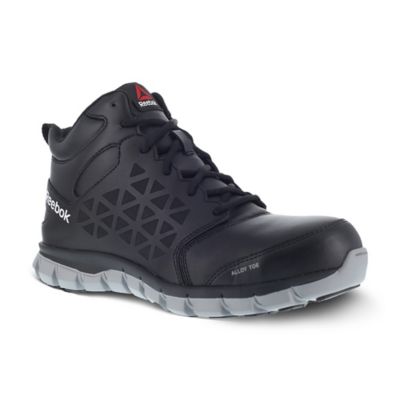
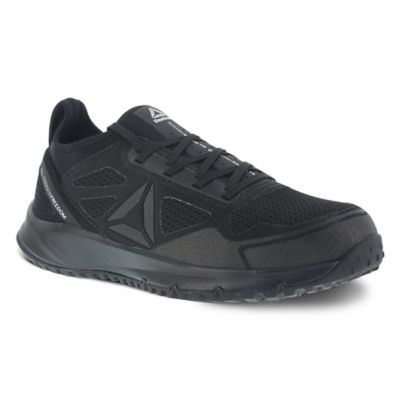
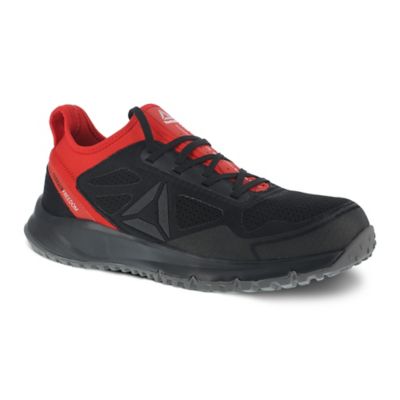
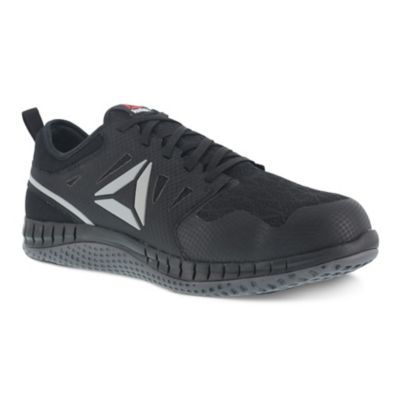
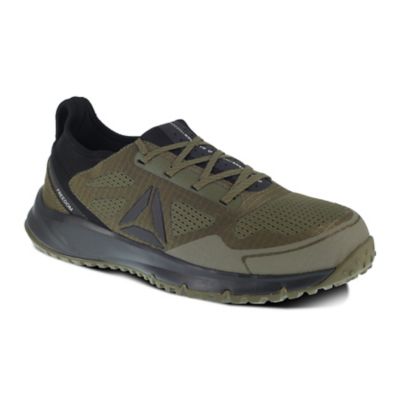
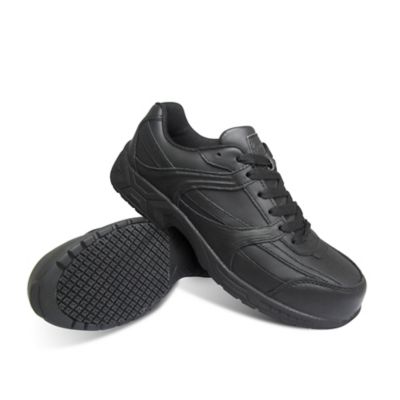
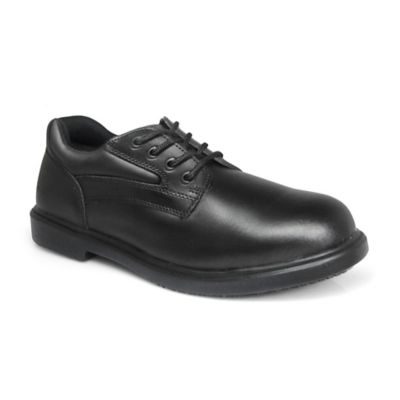
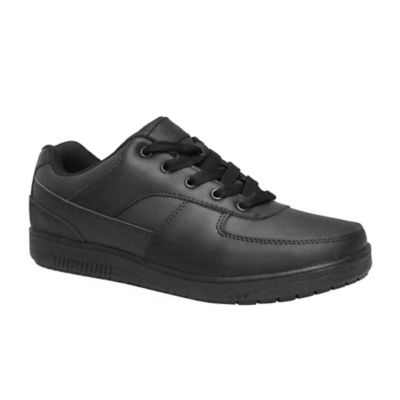
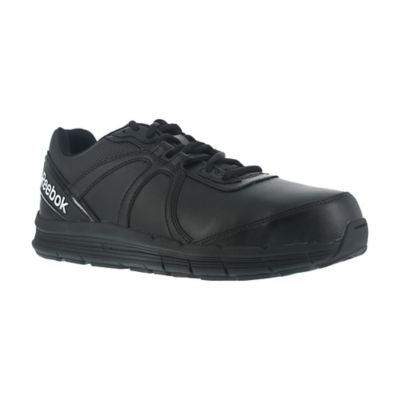
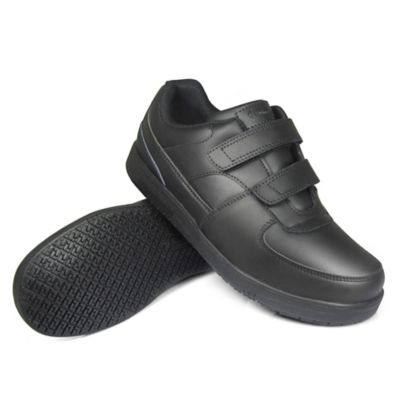
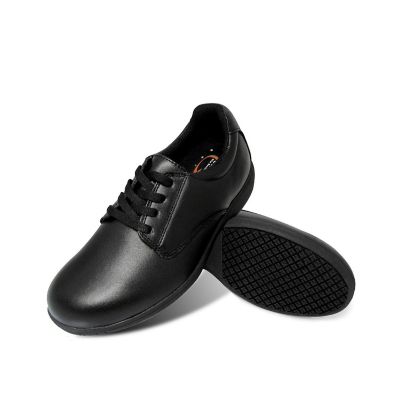
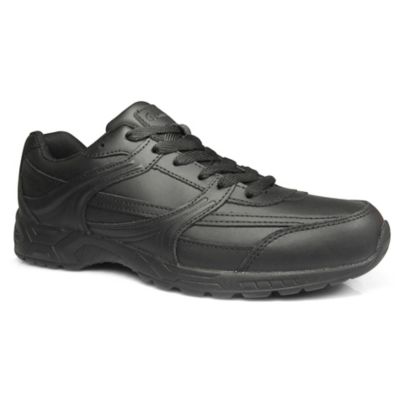
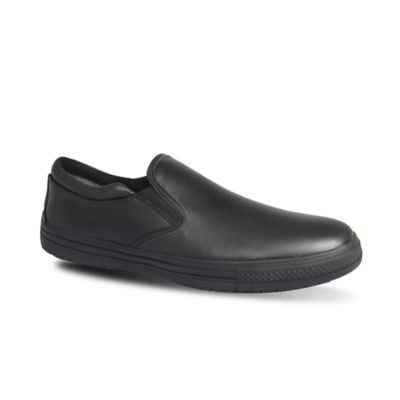
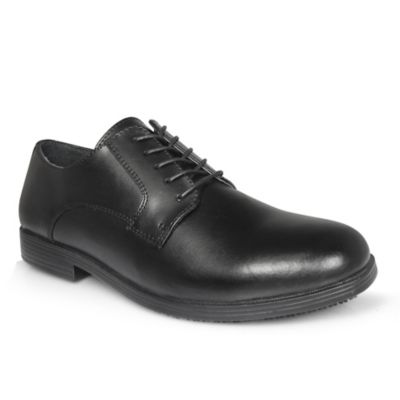
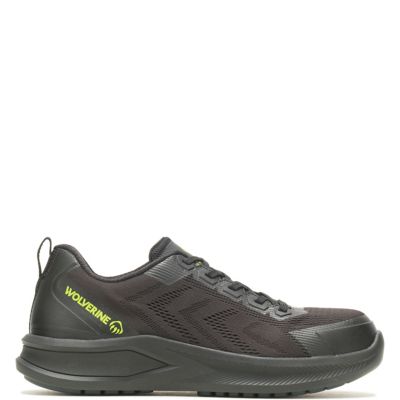
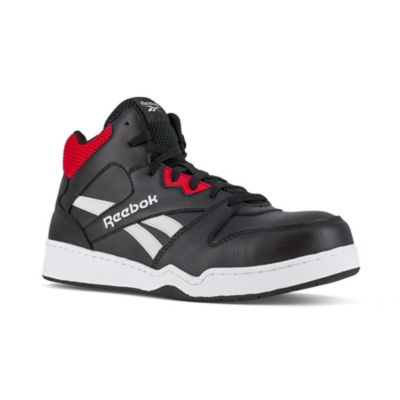
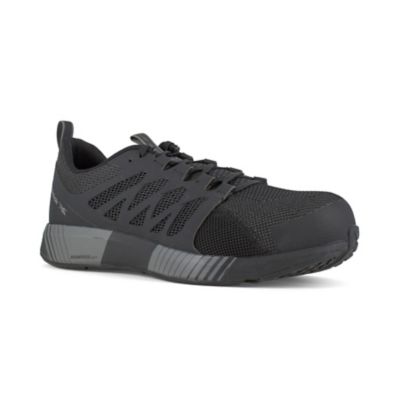
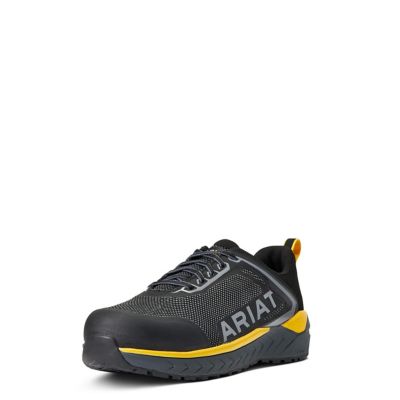
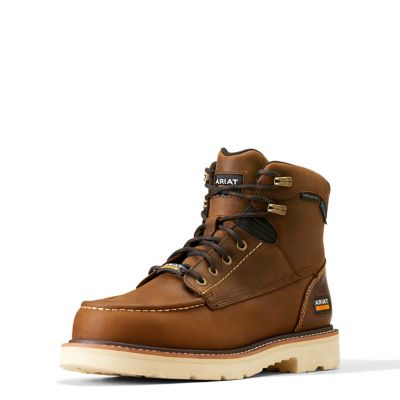
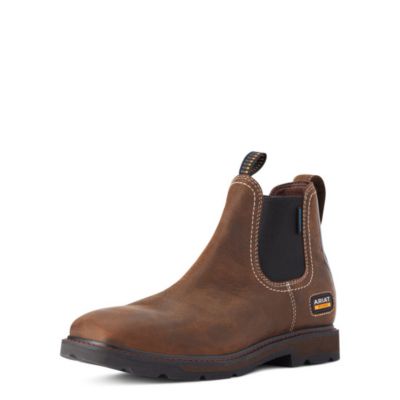
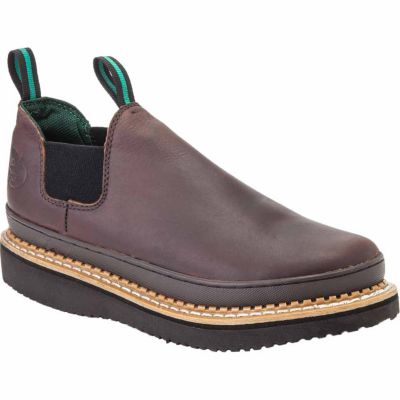
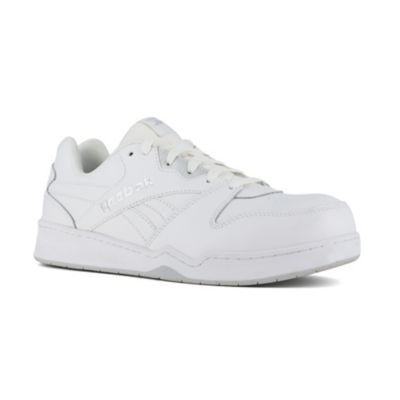
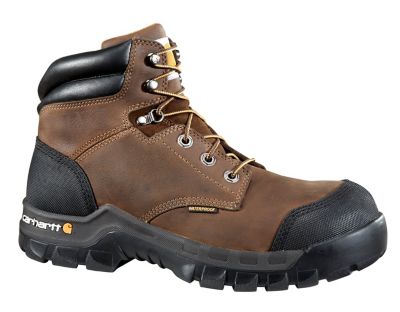
Finding shoes for walking on concrete all day starts with looking beyond appearance and focusing on the kind of support your feet need for long hours on a hard, unyielding surface. Concrete does not give much underfoot, whether you are crossing a warehouse floor, stocking shelves, working a farm supply counter, checking animals, moving through a shop, or walking from one end of a large property to the other. Each step sends more impact back through your heels, arches, knees, and hips than a softer surface would. Shoes with a thick, shock-absorbing foam midsole can help create a cushion between your feet and the floor, while a stable, generously sized base helps keep you steady when you turn, stop, or carry a load. A curved or rocker-style sole may make heel-to-toe transitions feel smoother by helping your foot roll forward instead of forcing it to bend sharply with every step. For people who spend more time standing than walking, look for even cushioning beneath the heel and forefoot, along with dependable arch support that does not feel hard or intrusive. If your day involves constant movement, a responsive midsole and flexible forefoot can help reduce that heavy, worn-out feeling that builds by the end of a shift. The best choice depends on your stride, foot shape, and daily routine, so pay close attention to how the shoe holds your heel, supports your arch, and leaves room for your toes to spread naturally.
Fit matters just as much as cushioning. Feet commonly swell during a long shift, especially during warmer weather or after hours spent walking, so shoes should have enough space across the forefoot without allowing your heel to slide around. A wide or roomy toe box can be helpful for people with broad feet, bunions, or toes that feel cramped in narrow footwear. Those with flatter arches may prefer a supportive, steady feel through the middle of the shoe, while people with higher arches often appreciate well-padded construction that fills in support without pressing into one tender spot. Try shoes on with the socks you normally wear for work, and check the fit later in the day when your feet are closer to their largest size. Walk across a hard floor if possible, paying attention to whether your heel stays planted and whether the sole feels stable rather than squishy or wobbly. Breathable mesh or ventilated textile uppers can help move heat and moisture away from your feet during busy indoor shifts or warm days outdoors. Reinforced toe areas, padded collars, and durable overlays add useful protection in active work settings, while a slip-resistant outsole is worth considering anywhere floors may collect dust, water, mud, oil, or feed. If your workplace has specific safety rules, check whether you need a protective toe, electrical hazard protection, puncture resistance, or another work-rated feature. A comfortable walking shoe may be right for general movement, but it should not replace required safety footwear where the job calls for extra protection. For more options built around long periods on your feet, browse
Men's Work Shoes For Standing All Day.
Shoes in this category can suit a wide range of everyday routines, from delivery drivers and retail workers to nurses, teachers, kennel staff, gardeners, warehouse crews, and anyone who walks concrete floors from sunrise through the afternoon. They can also be handy for travel, fairs, outdoor markets, community events, and errands where a regular day quietly turns into several miles on pavement. A dependable pair makes a thoughtful gift for someone starting a new job, heading into a busy season at the store, working long hours around the barn, or replacing footwear that has flattened out and lost its support. When choosing a pair for someone else, consider their usual size, width, work environment, and preference for a low-cut walking style or a more secure work-shoe shape. Good socks make a difference, too. Moisture-wicking socks can help reduce dampness and rubbing, while cushioned soles add another layer of comfort without making the shoe feel too tight. Give new footwear time to settle in with shorter walks before wearing it through a full shift, and watch for hot spots around the heel, little toe, or ball of the foot. Rotate pairs when possible so the cushioning can recover between long days, and replace shoes when the tread is worn smooth, the midsole feels compressed, or your feet and joints begin aching sooner than they used to. During the warmer season, breathable uppers and lighter construction can keep feet more comfortable, while cooler months may call for roomier fits that accommodate thicker socks. Across changing weather and busy workdays, the right shoes for walking on concrete all day should feel secure, cushioned, and steady enough to let you focus on the job instead of counting every step.