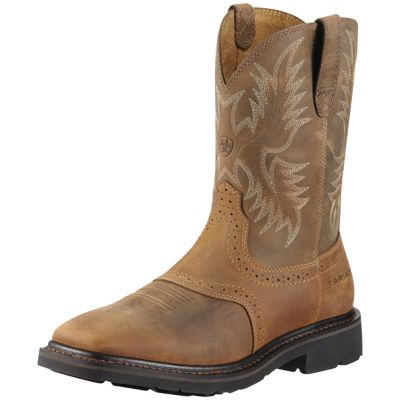
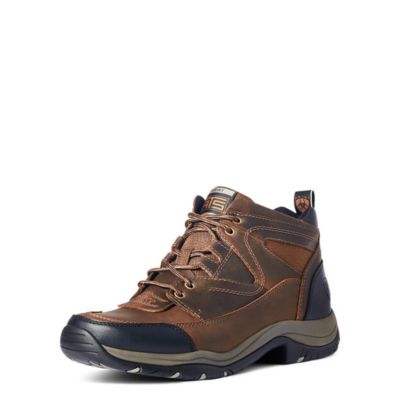
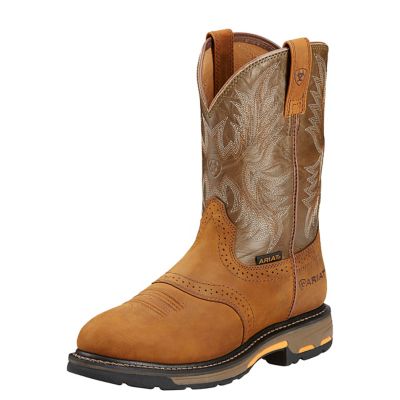
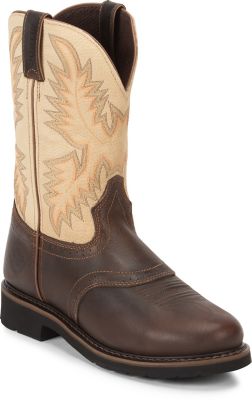
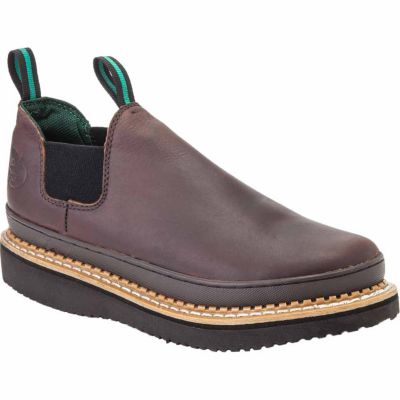
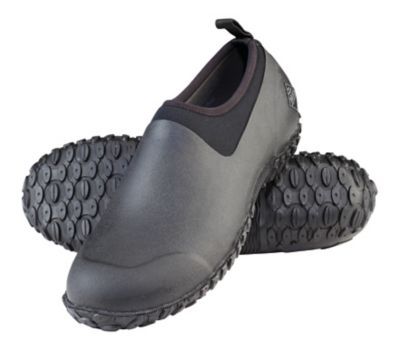
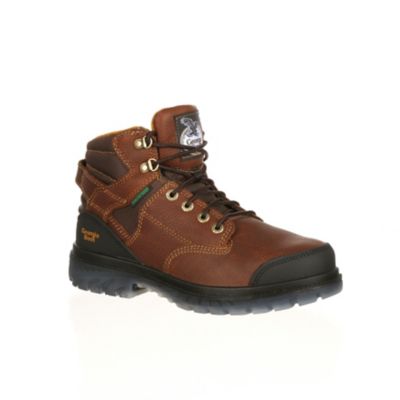
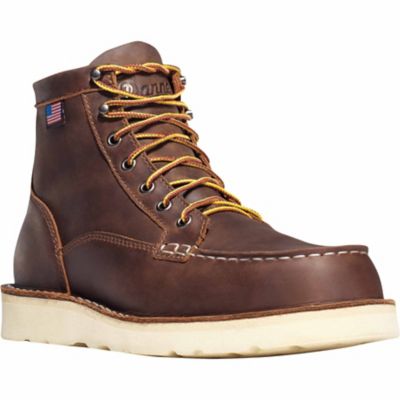
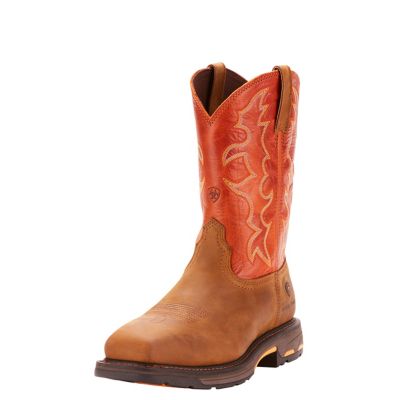
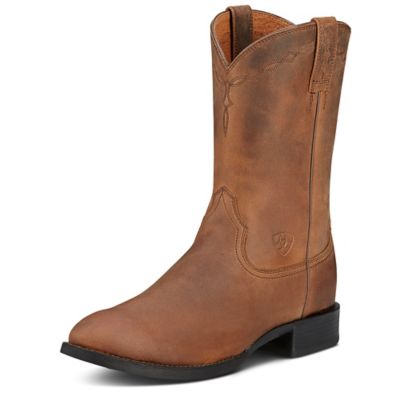
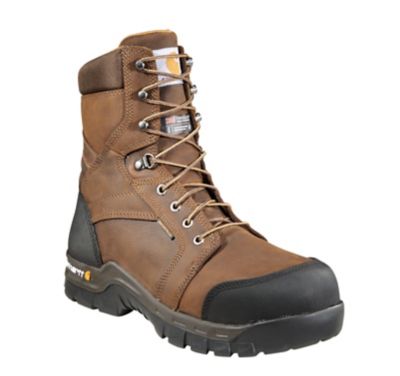
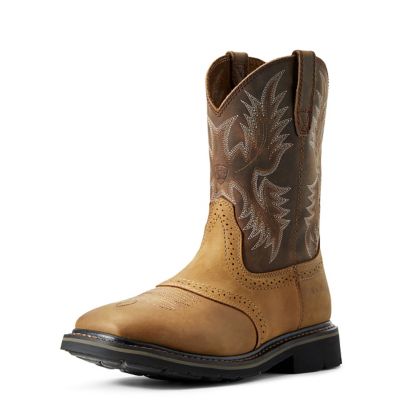
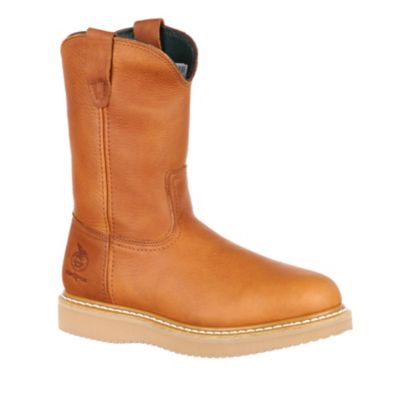
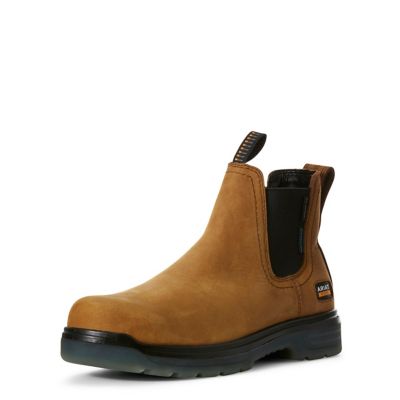
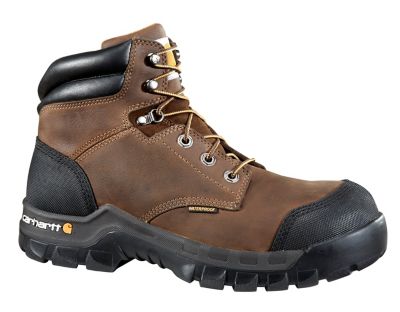
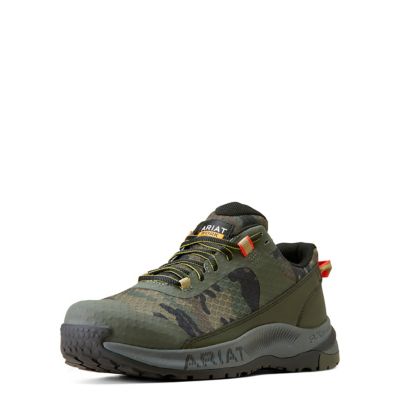
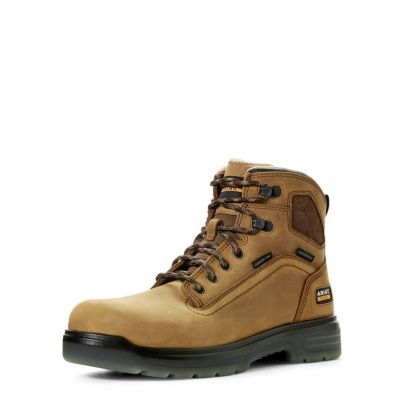
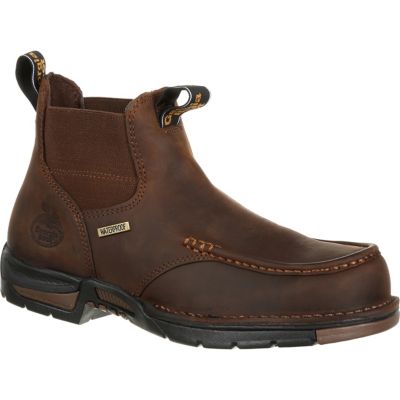
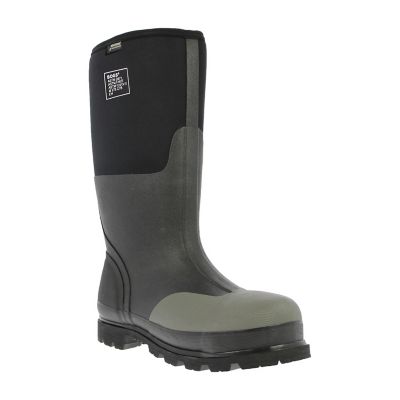
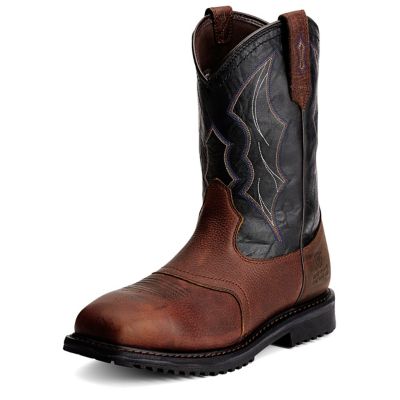
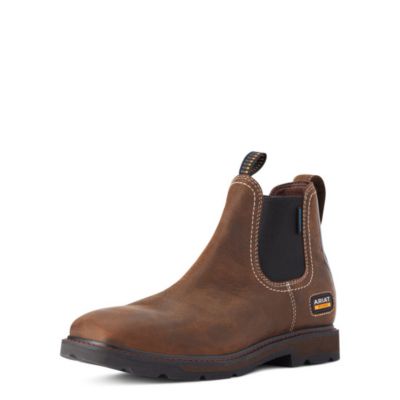
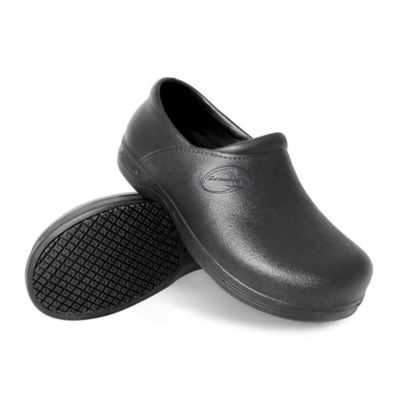
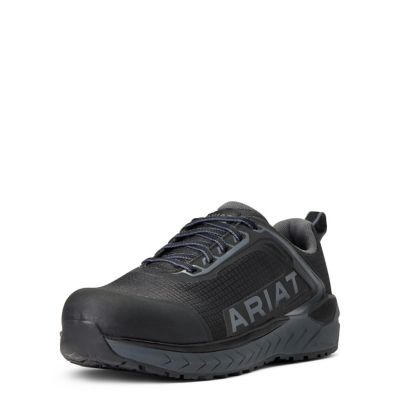
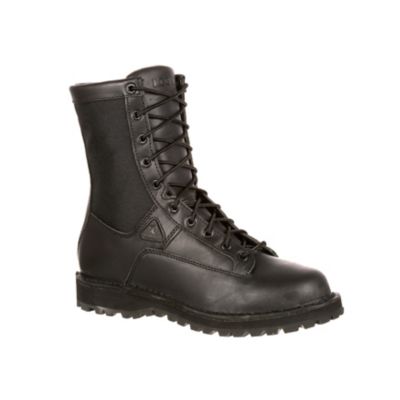
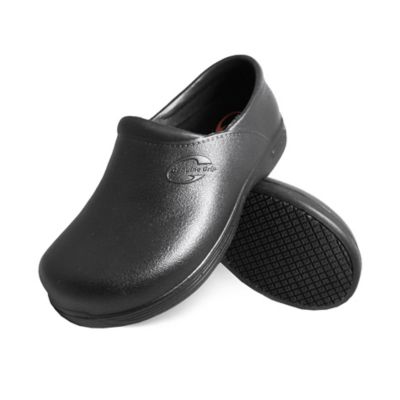
Men’s work shoes for standing all day bring together cushioning, steady support, a comfortable fit, and traction suited to the job. That combination matters when a shift means hours on concrete, trips between the service counter and the back room, or standing at a workbench until the last task is done. A soft step can feel good at first, but all-day comfort takes more than a pillowy insole. The midsole cushions each step, while the shape of the footbed and the firmness of the shoe help support the foot during long stretches of standing. Too much softness without enough stability can leave feet working harder to stay balanced. A secure heel, room across the forefoot, and a sole that bends near the ball of the foot help a work shoe move naturally without feeling loose. For warehouse crews, shop workers, mechanics, and folks tending a busy farm store, the right balance depends on how much of the day involves walking, standing still, climbing steps, or carrying loads. Someone stationed at a parts counter may favor a supportive base with generous cushioning under the heel. Someone moving through aisles all day may appreciate a lighter shoe that does not feel cumbersome by the end of a shift. Rubber outsoles with tread suited to the floor can help with grip, but slip resistance varies by shoe and surface. A sole intended for a smooth indoor floor may behave differently on loose gravel or packed dirt. Wet entryways, dusty shop floors, and greasy service areas each bring their own footing concerns, and no shoe makes every surface slip-proof. Work shoes should match the employer’s footwear requirements as well as the daily routine. Cushioning and comfort features do not replace required toe protection or other safety features. For jobs around falling objects, rolling equipment, or electrical hazards, the shoe’s stated safety classification matters more than its appearance. A work-shoe shape can feel less restrictive around the ankle than a taller boot, though it offers less coverage against brush, splashes, and debris.
Materials make a noticeable difference in how men’s work shoes feel through a long day and how they hold up to the surroundings. Leather uppers offer coverage and can be wiped free of everyday dirt, making them practical around a dusty bench or a busy receiving area. They may feel firmer at first than fabric uppers, but a shoe should not require painful wear before it fits comfortably. Mesh and textile panels allow more airflow, which can be welcome in heated buildings or during steady movement. That open construction provides less of a barrier against spills and fine debris unless the shoe includes additional protection. Water-resistant materials can help with light moisture, while waterproof construction is better suited to repeated wet exposure within the shoe’s coverage limits. Neither feature keeps water from entering over the collar, and waterproof designs may feel warmer indoors. During the cooler months, the walk across a damp parking lot can call for different protection than the dry floor inside, so the whole workday deserves consideration. Fit matters just as much as the upper material. Toes need space to spread without pressing against the front or sides, while the heel should stay secure rather than rubbing with every step. Wide sizes can provide needed room without the extra length that comes from sizing up. Trying shoes with work socks later in the day can give a better sense of fit when feet have had time to swell. Lace-up designs allow adjustment across the instep; slip-on styles depend more heavily on the shape of the opening and heel for a secure feel. Removable footbeds can make room for compatible replacement insoles or prescribed orthotics, provided the added support does not crowd the toes or lift the heel too far. The broader selection of
Comfortable Work Shoes For Men offers another way to consider footwear for daily tasks, with room, support, and freedom of movement remaining important across different work routines.
Construction and routine care help determine how well work shoes stand up to repeated shifts. Reinforcement around the toe and heel can help in areas that scrape against shelving, workbench legs, or the underside of equipment. Well-secured seams and firmly bonded soles matter when footwear repeatedly flexes, catches dust, and moves between indoor and outdoor surfaces. A heavier shoe is not automatically a better choice for every job; extra protection has a purpose, but unnecessary weight can become noticeable after hours of walking. Safety-toe work shoes deserve particular attention to fit because the protective cap will not stretch to accommodate crowded toes. Steel and nonmetallic safety toes can both serve workplace needs when they carry the required rating, and the complete shoe’s construction determines its weight and feel. Electrical hazard protection and static-dissipative properties serve different purposes, so those markings should never be treated as interchangeable. Once shoes are part of the daily routine, clearing dirt from the tread helps keep grooves from staying packed with mud and grit. Cleaning methods should follow the material and the maker’s care directions, whether that means brushing away dry dust, wiping the upper with a damp cloth, or applying a suitable leather conditioner. Wet shoes generally fare better drying with airflow away from direct heat, which can damage certain materials and adhesives. Removable insoles can be taken out to dry when the care directions allow it, and rotating between pairs gives each pair more time to air out. Wear checks matter even when the uppers still look presentable. Flattened cushioning, uneven heel wear, separating soles, and tread worn smooth can change both comfort and footing. For men spending their workdays on hard floors, a well-fitting pair is everyday equipment, much like gloves that grip properly or a jacket that leaves room to reach. Work shoes also make a practical gift for someone starting a new role, though the recipient’s size, width, and workplace requirements are worth confirming first. The best match is footwear that suits the actual job and feels supportive well beyond the first few steps.