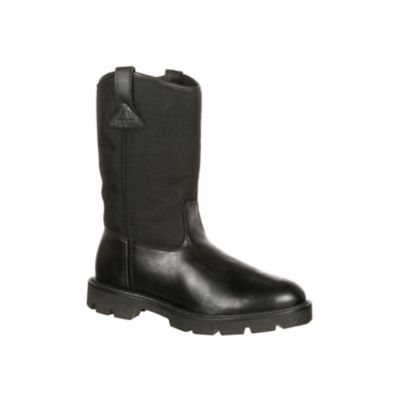
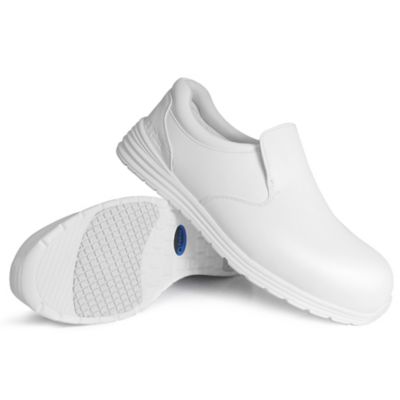
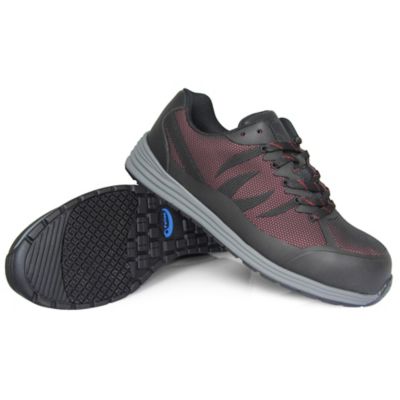
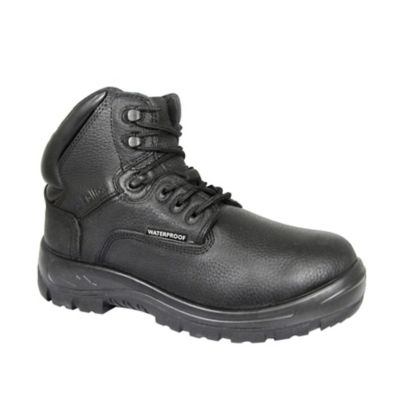
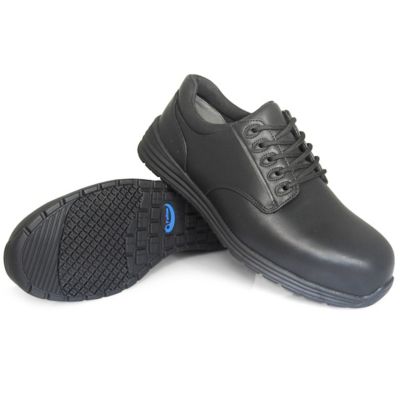
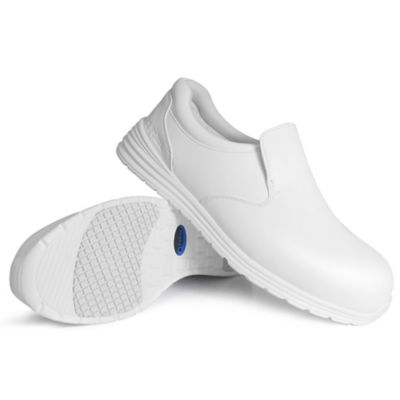
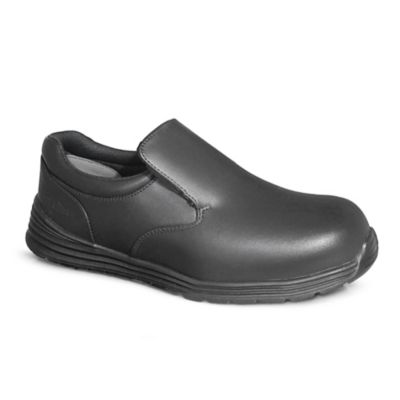
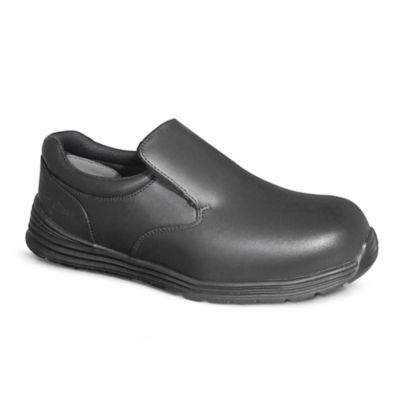
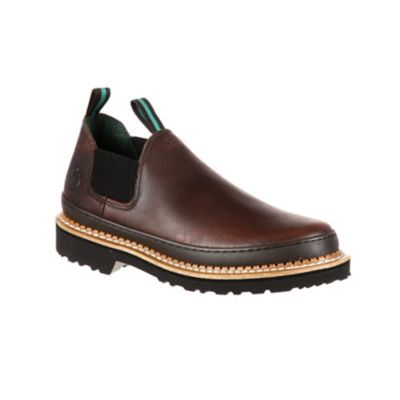
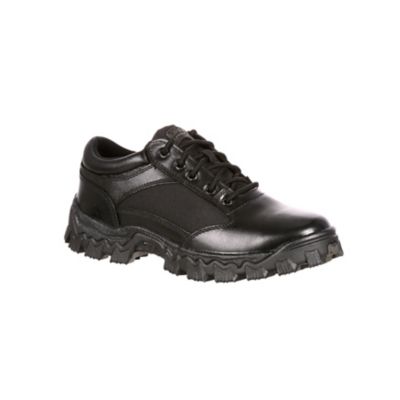
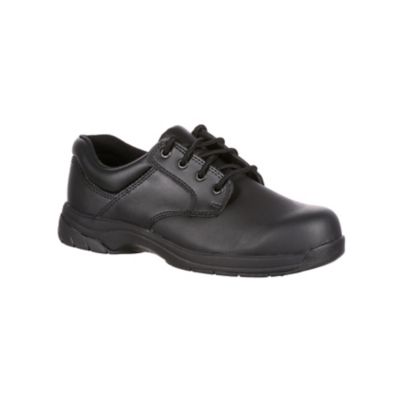
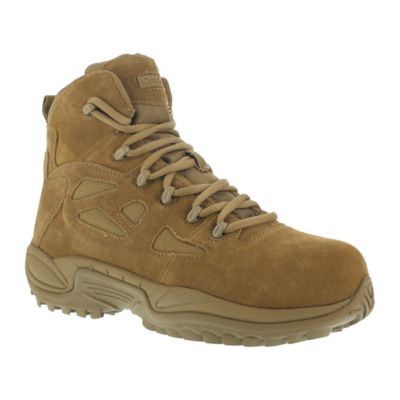
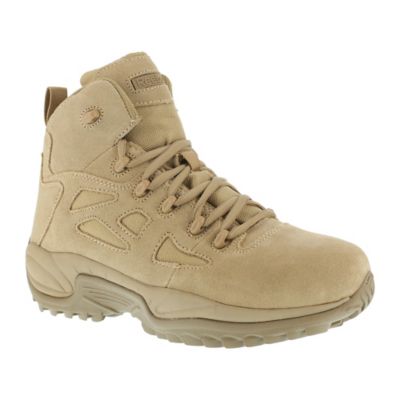
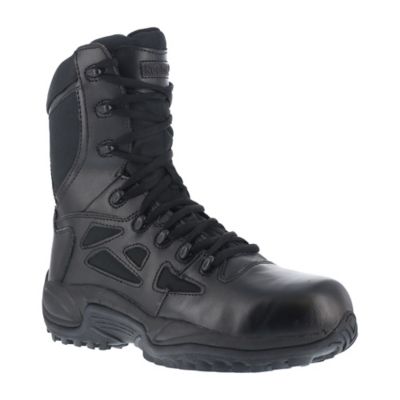
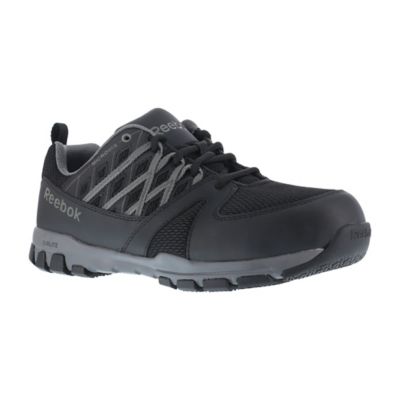
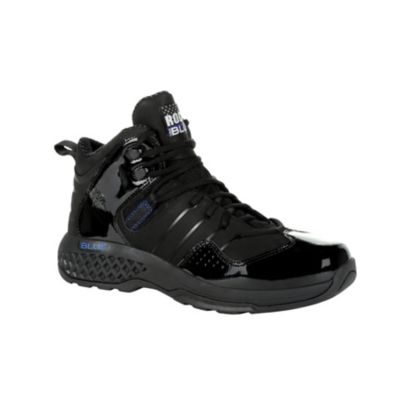
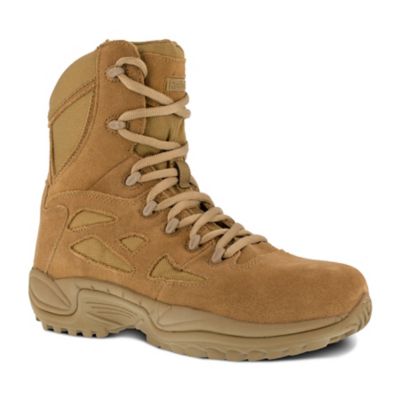
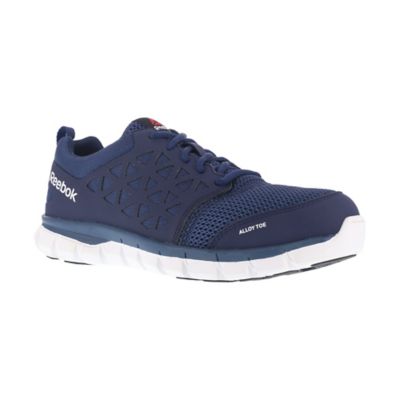
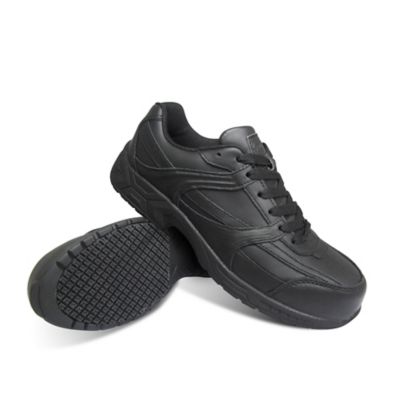
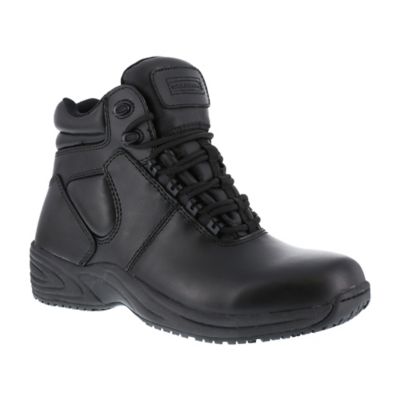
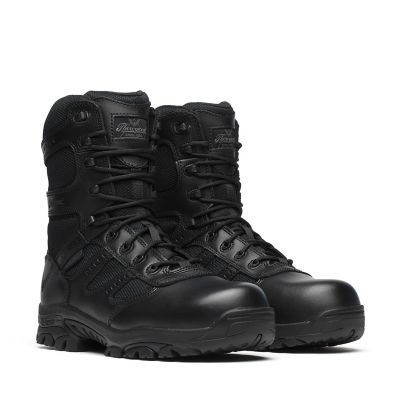
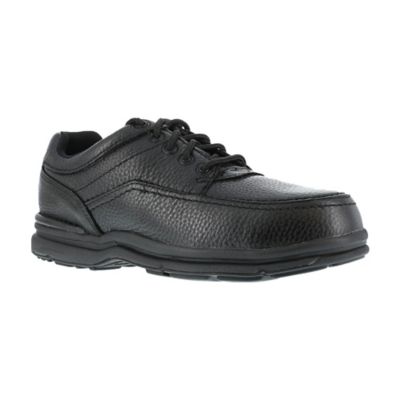
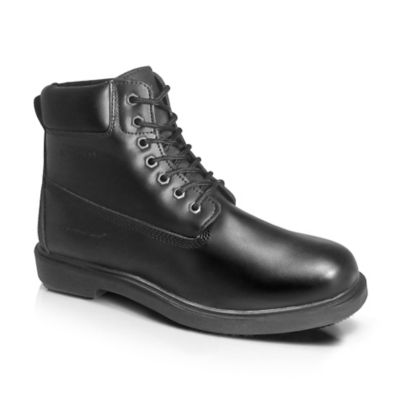
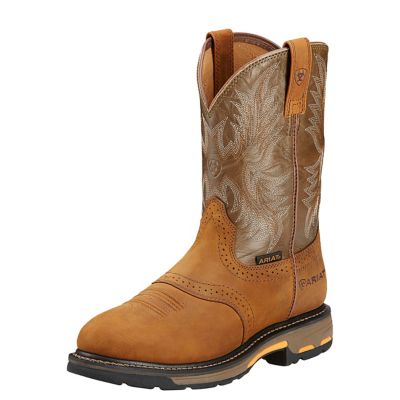
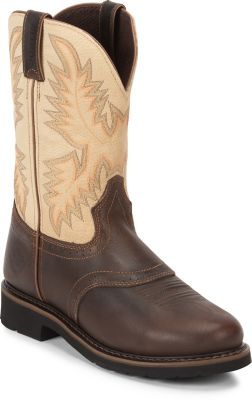
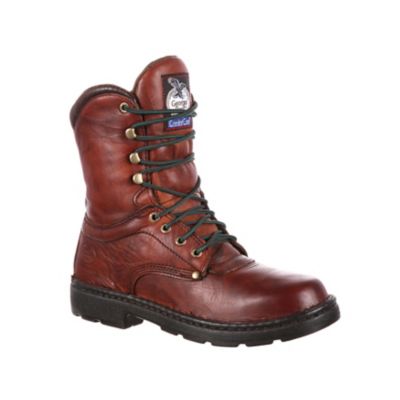
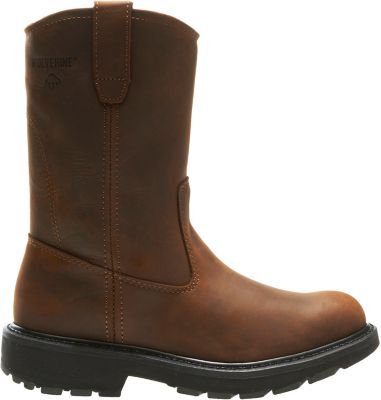
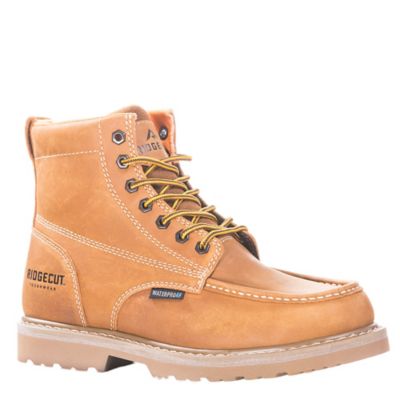
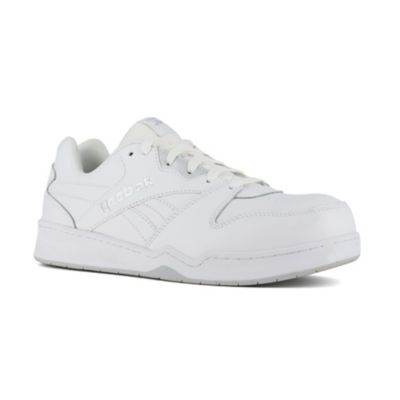
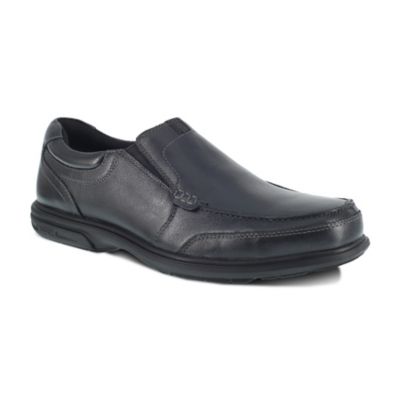
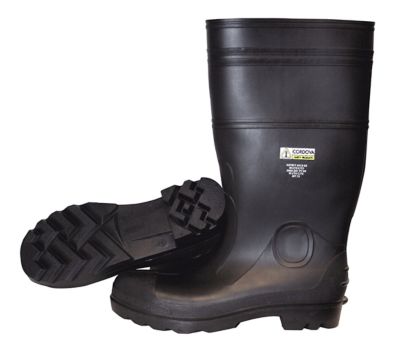
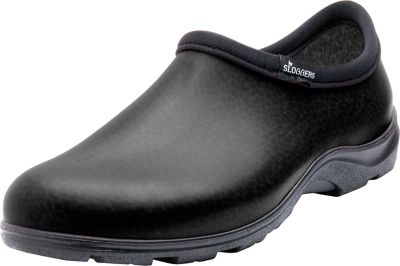
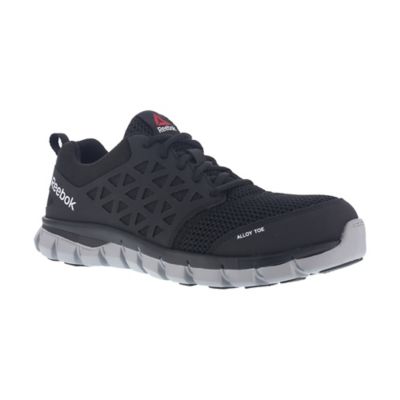
Shoes for security guards need slip-resistant traction, support for long hours of standing and walking, and a secure fit that works with the job’s uniform and surroundings. A shift can mean standing at an entrance, making rounds through a warehouse, climbing stairs, or crossing a large facility several times before clocking out. Each setting puts different demands on footwear, so the best match depends on the work rather than looks alone. A guard stationed at a reception desk may put more emphasis on underfoot cushioning and a polished appearance, while someone covering loading docks and concrete corridors may need more protection against scuffs and contact with equipment. Slip-resistant outsoles deserve close attention wherever spills, smooth flooring, or tracked-in debris are part of the workplace. Rubber compounds and tread patterns influence grip, but no sole prevents every slip on every surface. Manufacturer testing information and workplace requirements give a clearer picture than an aggressive-looking tread by itself. Outsole flexibility matters, too: a shoe should bend comfortably near the ball of the foot without feeling loose through the middle. A broad, stable base can feel steadier during long periods at a post, while a secure heel helps keep the foot from sliding as the pace picks up. Black footwear is common with security uniforms, though color, finish, sole markings, and ankle coverage may all be set by the employer. Smooth uppers often suit public-facing assignments, while less formal designs may fit active patrol duties where uniform rules allow them. Low-cut shoes leave the ankle freer to move, while higher collars provide more coverage; collar height alone does not establish how much support a shoe provides. For guards moving between a gatehouse, office, and work floor, the right balance is footwear that looks appropriate, stays comfortable during routine movement, and meets the demands of the assignment. It should feel like work footwear built around the shift, not just a dress shoe with a heavier sole.
Fit makes a noticeable difference when a short walk turns into miles of rounds. Shoes for security guards should hold the heel securely, give toes room to spread, and avoid pressure across the top or sides of the foot. Extra length is not a substitute for enough width, and a tightly cinched lace cannot fix a shoe that is too roomy through the heel. Trying footwear with the socks worn on duty gives a better sense of the space inside, especially when those socks have cushioning through the heel and forefoot. Feet can expand over the course of a day, so a fit that feels snug at the start may become uncomfortable later. There should be room to move naturally without the foot sliding forward when walking down stairs or stopping suddenly. Lace-up closures allow adjustment across the instep, and a padded tongue can soften contact beneath the laces. Cushioning helps soften repeated contact with hard floors, but a very soft footbed is not always the most comfortable choice for standing still. Some guards prefer a firmer platform with a shaped footbed, while others need more cushioning for frequent walking. Arch shape, foot width, and personal comfort all play a part. Removable footbeds can make room for appropriate inserts, provided the change does not crowd the toes or lift the heel out of position. Materials also affect the feel of a full shift. Leather uppers can offer structure, resist everyday abrasion, and take polish when the finish permits. Synthetic uppers vary widely in weight, flexibility, and surface care, while mesh panels allow airflow but may not suit every uniform or work environment. Reinforcement around the toe and heel can help areas that regularly brush against steps, door frames, or equipment. Seams and lining deserve attention because a small rubbing spot can become hard to ignore several hours into a shift. Comfortable security footwear balances cushioning, structure, and room to move rather than leaning on any single feature.
The practical priorities behind
Work Shoes carry straight into security work: a suitable fit, traction matched to the surface, and construction that stands up to regular shifts. Protection requirements depend on the location. Security staff assigned to an industrial property may need safety-toe footwear or other rated protection, while a front-desk assignment may call for a lighter shoe that meets appearance standards. A reinforced-looking toe is not necessarily a safety toe, and an outsole’s appearance does not establish an electrical-hazard rating. Marked ratings and employer requirements matter more than assumptions about how protective a shoe looks. Weight also deserves consideration when rounds involve repeated stair climbing or a long walk between checkpoints. Added protection can be necessary, but unnecessary weight may make an already long route feel longer. Care helps preserve both appearance and function. Grit caught in the tread can interfere with contact on the floor, and dirt left around seams can contribute to wear. Cleaning methods should follow the material and the manufacturer’s directions: leather, coated surfaces, and fabric panels do not all respond well to the same cleaner. Loose dirt generally comes off more easily before it settles into creases, while suitable leather care can help keep compatible uppers supple. Insoles and linings need time to air out between shifts, and direct heat can damage adhesives or stiffen some materials. Alternating footwear, when practical, gives each pair more time to dry inside. Regular checks for smooth tread, separating soles, frayed laces, and crushed cushioning can reveal wear before it becomes a problem on patrol. A shoe can still look presentable on top while losing grip or support underneath. For security guards, dispatch-area staff, gate attendants, and others who spend much of the workday on their feet, footwear earns its place through steady comfort and a fit that holds up from the first building check to the last walk back to the station.