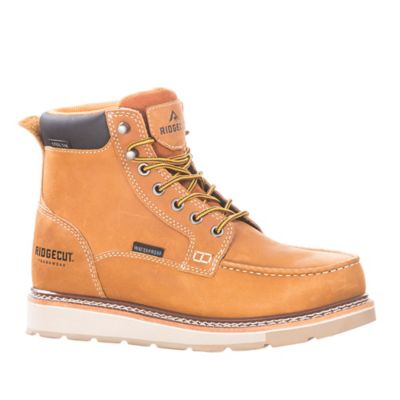
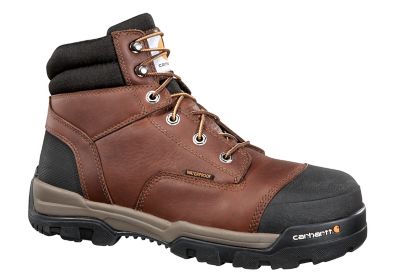
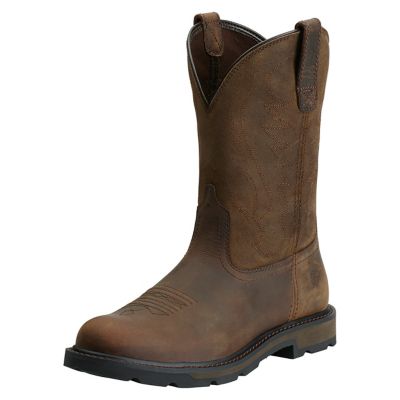
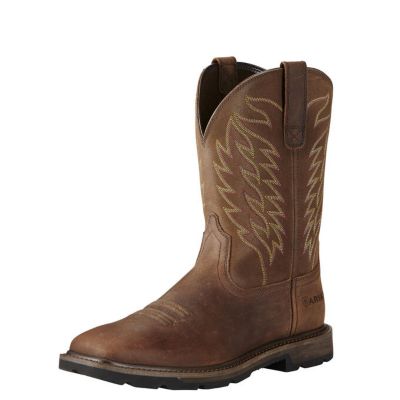
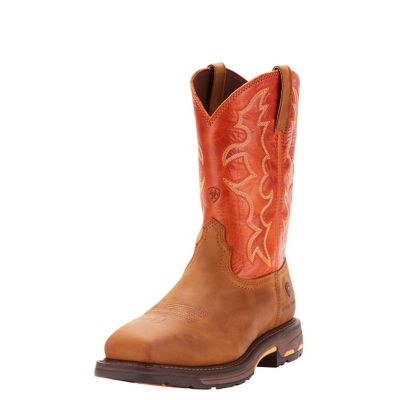
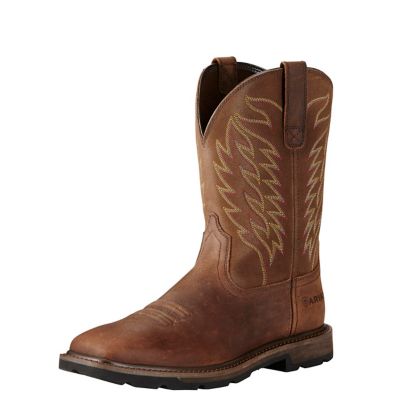
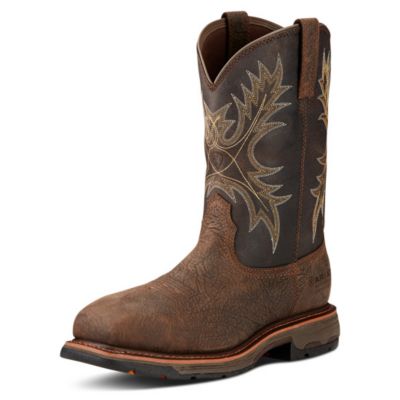
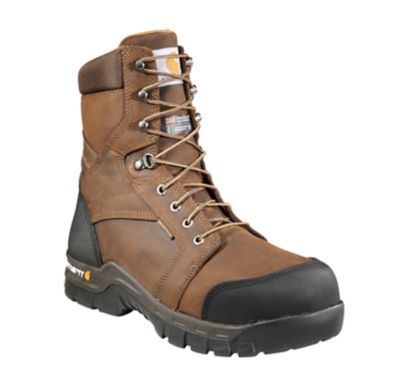
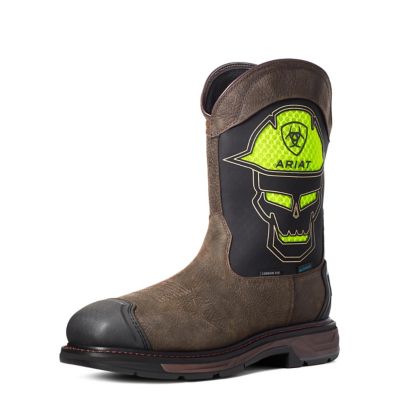
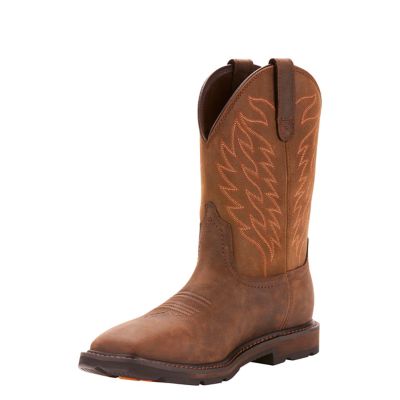
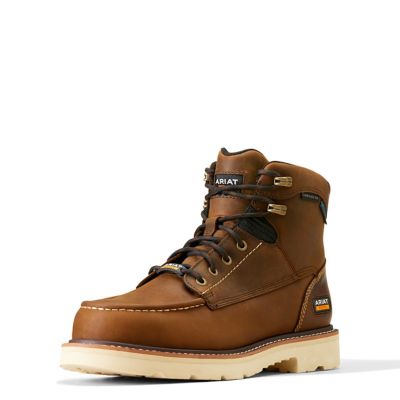
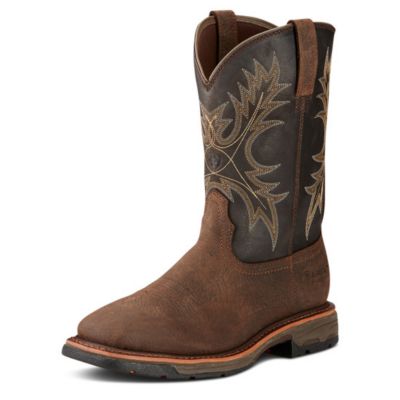
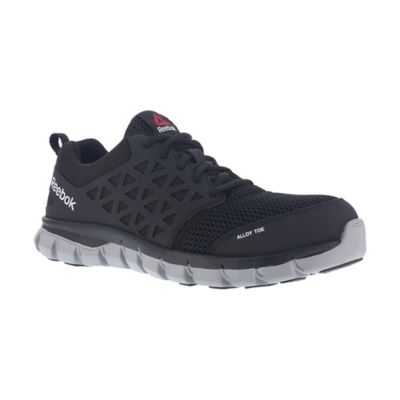
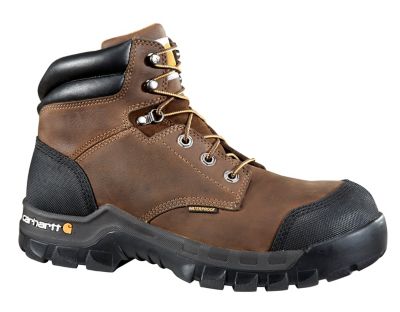
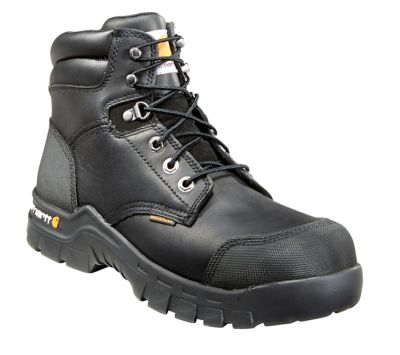
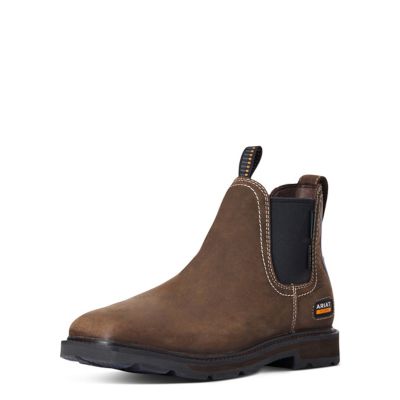
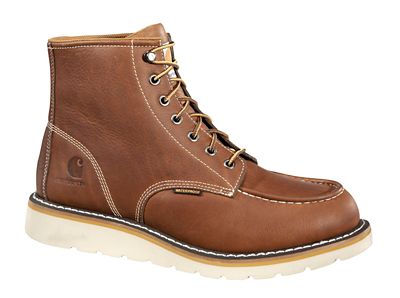
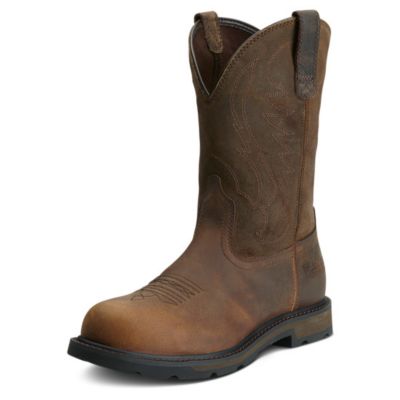
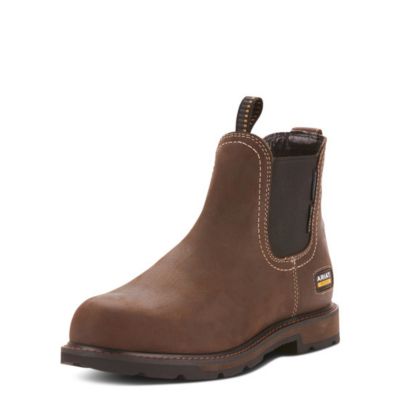
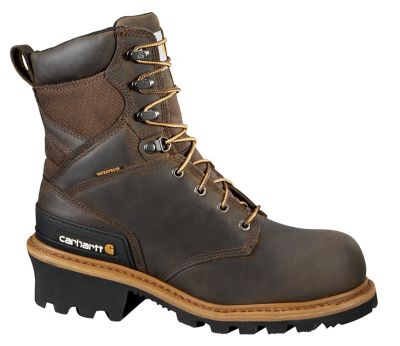
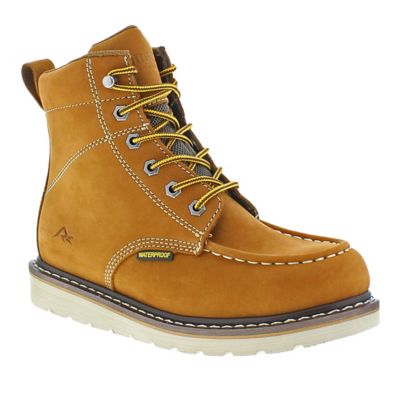
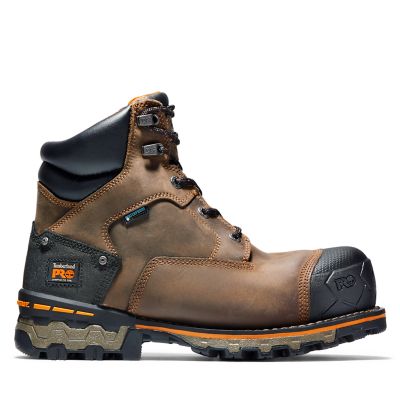
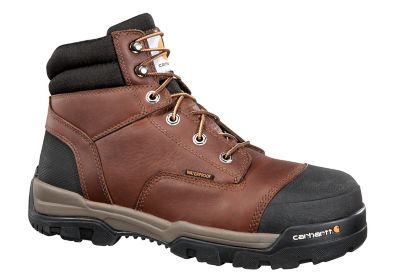
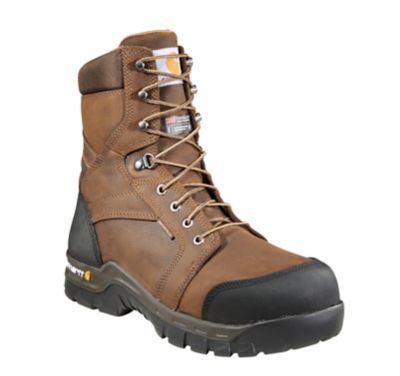
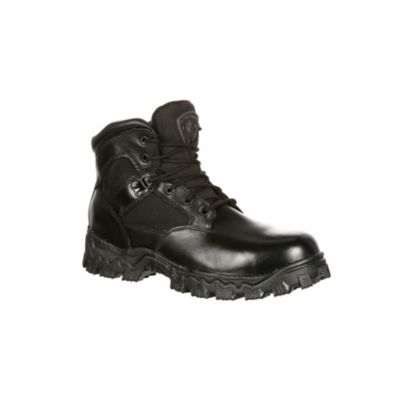
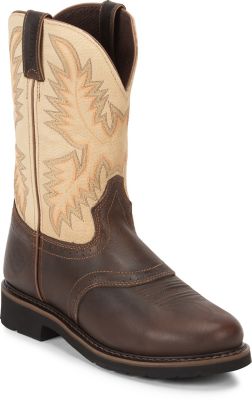
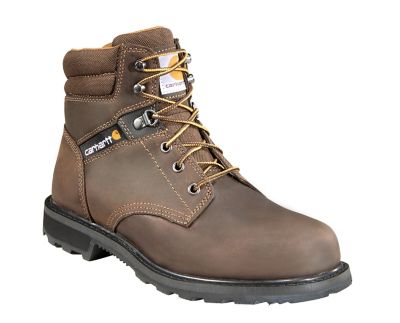
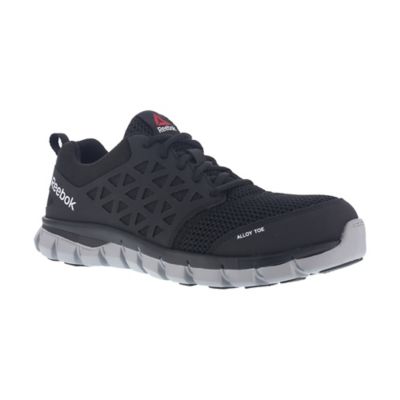
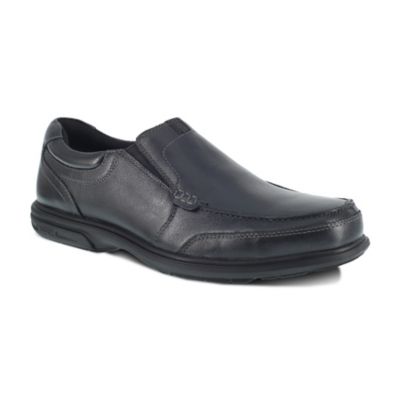
Shoes for construction workers should match the hazards of the job, with toe protection, traction, underfoot support and materials suited to the work. For jobs that require protective toes, footwear marked as meeting ASTM F2413 provides a useful starting point, along with the employer’s safety requirements. Steel, composite and alloy toe caps can meet the same impact and compression requirements when the footwear carries the appropriate marking; the toe material alone does not establish its protection level. Steel toes often have a relatively slim profile, while composite toes can offer a nonmetallic option, though other parts of the shoe may still contain metal. Alloy toes provide another option, with weight and fit depending on the whole shoe rather than just the cap. On a construction site, the outsole matters just as much as what covers the toes. Concrete dust, loose gravel, sawdust and tracked-in liquids all affect footing, and slip-resistant outsoles are not slip-proof on every surface. Rubber compounds and tread patterns vary, with broader contact areas often suited to finished floors and deeper lugs offering purchase on loose ground. Carpenters moving between framing and finish work, equipment operators climbing into a cab, and laborers carrying materials across a slab can put very different demands on their footwear. Low-cut work shoes allow more freedom around the ankle, while higher-cut footwear adds coverage around the ankle and lower leg. Neither style takes the place of careful footing or required site protection. Puncture resistance is a separate feature worth checking when the work involves nails, wire or sharp debris underfoot; a safety toe does not provide that protection by itself. Electrical-hazard and static-dissipative footwear also serve different purposes and should follow site requirements rather than assumptions based on appearance. Electrical-hazard ratings apply under specified conditions and do not replace required electrical protective equipment. The right match starts with the tasks, walking surfaces and protection requirements a worker faces from clock-in through cleanup.
Fit makes a big difference when the day includes standing at a saw, walking a long slab or squatting to fasten bottom plates. A work shoe needs enough room for the toes to spread without letting the heel slide around with every step. The protective cap should not press against the toes or rub across the top of the foot, and a painful pinch is not something to count on breaking in. Trying footwear with the same work socks and any prescribed orthotics helps show how it will feel on the job. Feet can swell through a shift, so a fit checked after some time on foot often gives a better picture than a quick try-on first thing in the morning. Width matters as much as length: moving up in length to solve a width problem can leave too much space at the heel and change where the shoe bends. Laces help draw the upper around the midfoot, while a padded tongue can soften pressure across the instep. Underfoot, cushioning and support do different jobs. A cushioned footbed helps soften repeated steps on hard surfaces, while the midsole and overall construction influence how steady the shoe feels under load. Too much softness can feel unsettled when carrying a toolbox or stepping over uneven ground. Workers who spend time on ladders may need footwear suited to rung contact, including the sole structure and heel shape specified for their work. Leather uppers offer coverage against everyday rubbing and scuffing and can soften with wear, while synthetic textiles may reduce weight and allow more airflow. Reinforced toe and heel areas can help manage abrasion from kneeling, crouching and climbing. Waterproof construction can be useful around washdown areas or plumbing work, although a low shoe can still let liquid enter through its opening. No single material handles every task equally well; comfort, coverage, weight and the demands of the job all play a part.
Construction footwear earns its keep through repeated bending, gritty floors and long hours under load, so the details that affect service life deserve a close look. Stitching, toe overlays, lace hardware and the bond between the upper and sole all face wear in different places. A worker who kneels to set forms may wear through the toe area before the tread is gone, while someone walking abrasive concrete all day may wear down the outsole first. Cement, adhesive, oil and other jobsite substances can affect footwear materials, making the maker’s care directions important. Loose grit can be brushed away before it works into seams, and packed tread needs clearing so its shape can contact the walking surface. Leather care products should suit the leather type, since not every cleaner or conditioner belongs on every finish. Footwear that gets wet should dry according to its care instructions, away from direct heat that can damage leather, adhesives or other components. Removing removable footbeds can help the inside dry between shifts. Regular checks can catch problems that are easy to miss when shoes stay by the back door or ride home in the truck: separating soles, split uppers, worn tread, frayed laces and exposed protective components all deserve attention. Protective footwear that has taken a significant impact may need replacement even when the outside still looks sound; the manufacturer’s guidance and workplace procedures should determine the next step. Worn-down cushioning can also change how a shoe feels before the upper gives out. For a closer look at the protection features associated with this work,
Safety Shoes for Construction Sites offers a related place to explore. Whether the job centers on framing houses, remodeling interiors or keeping a commercial project moving, well-matched construction shoes bring together the required protection, a secure fit and practical care. Those details matter when there is still material to carry, another room to finish and a full walk back to the truck.