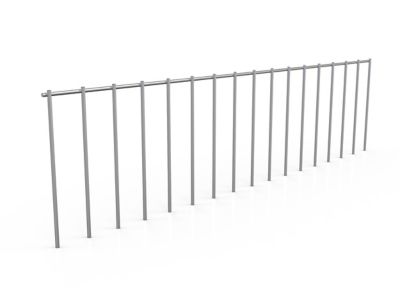
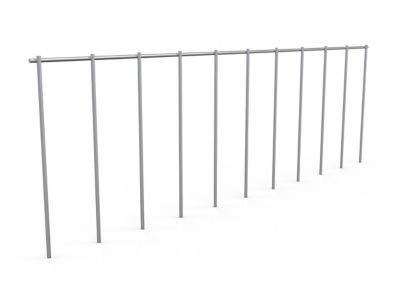
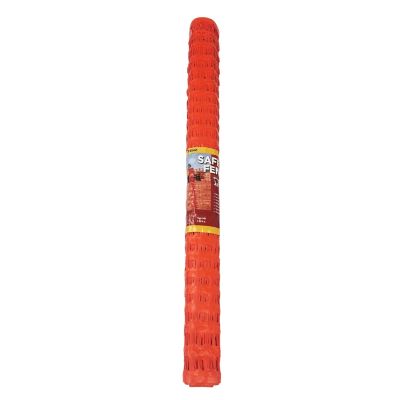
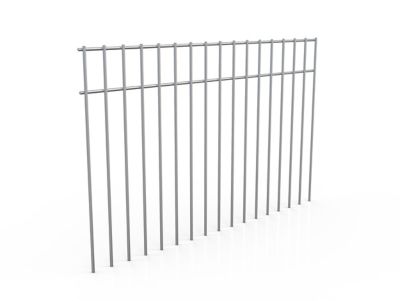
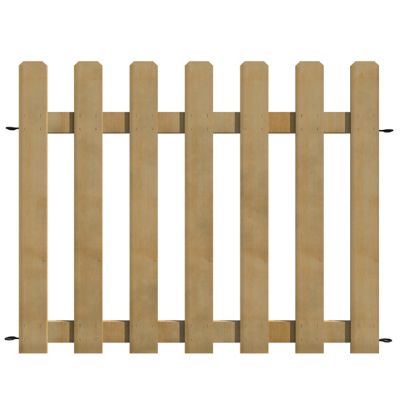
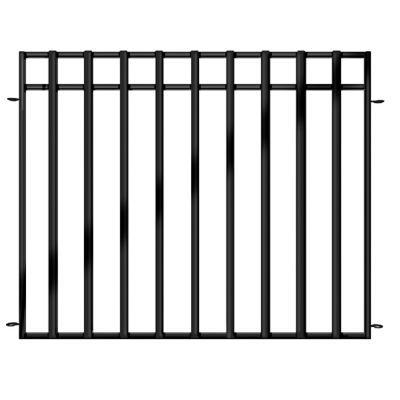
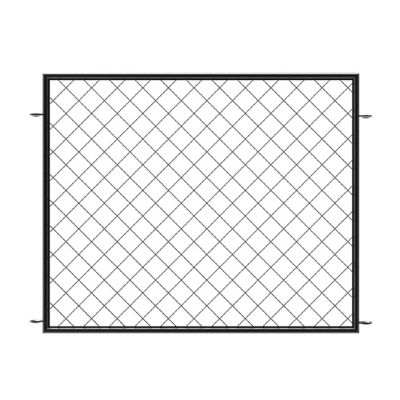
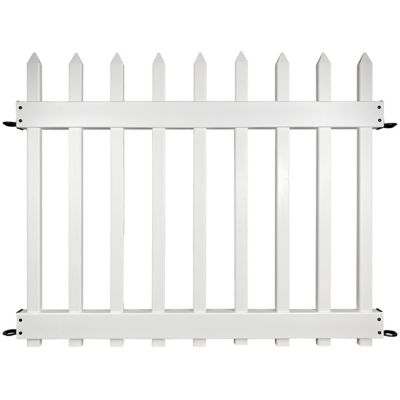
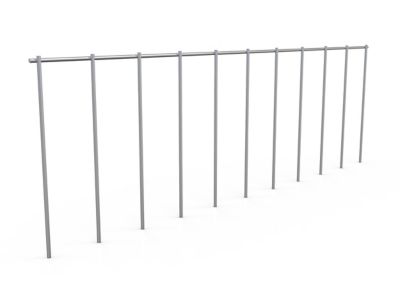
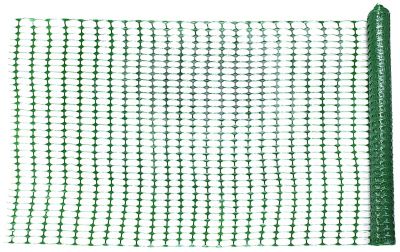
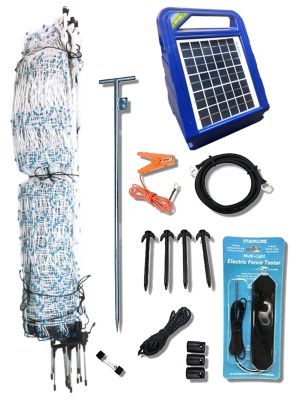
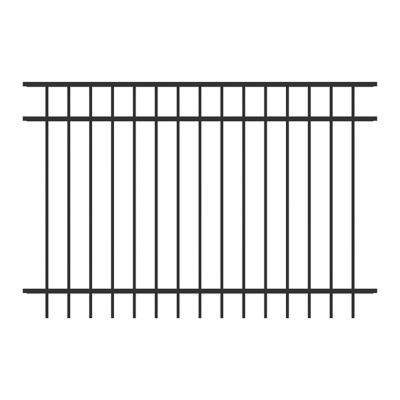
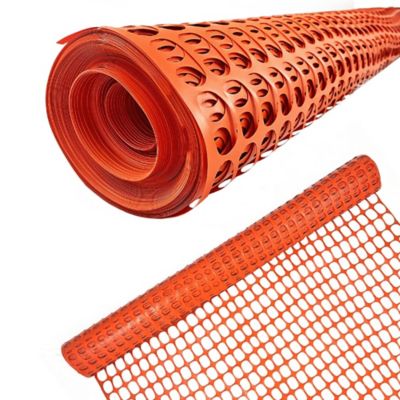
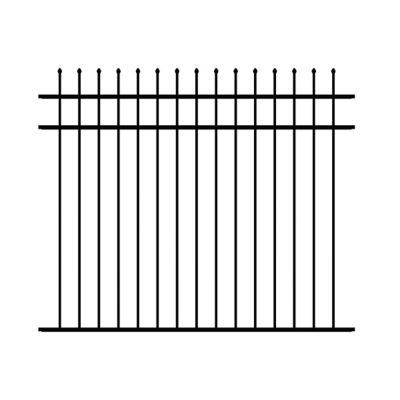
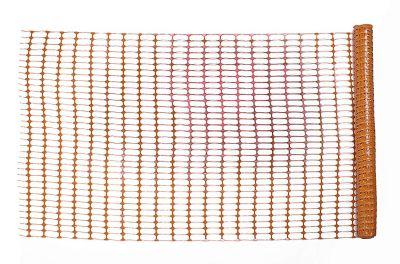
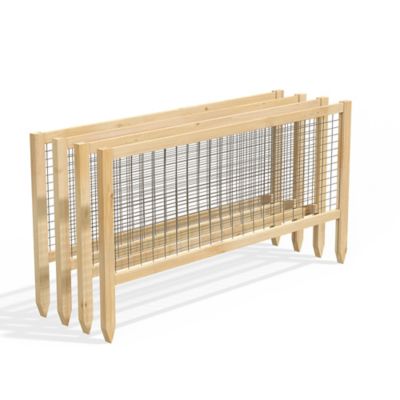
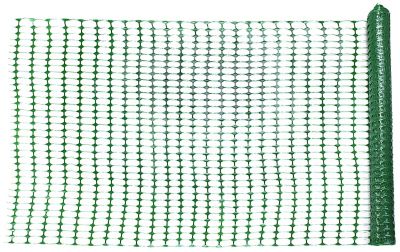
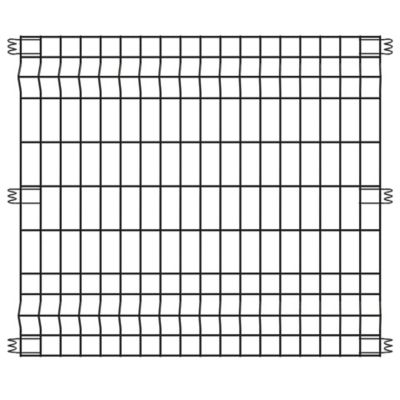
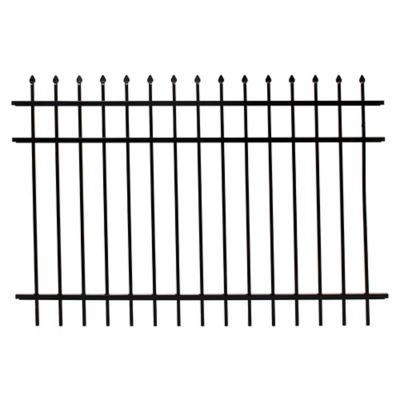
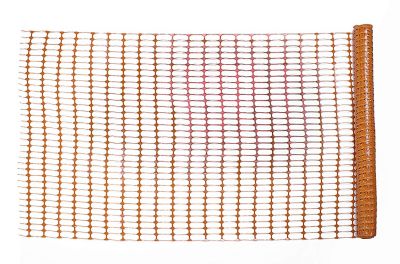
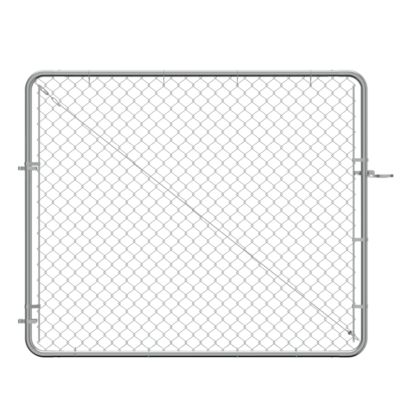
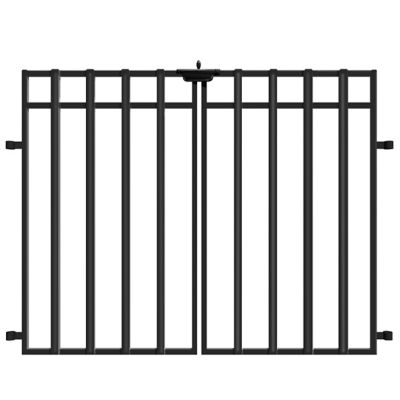
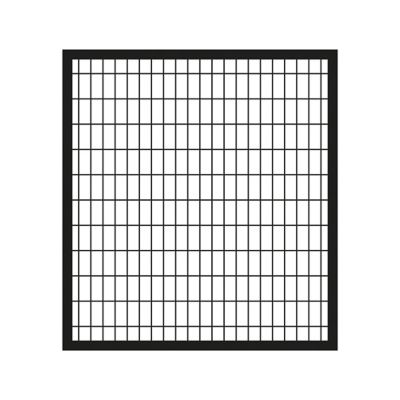
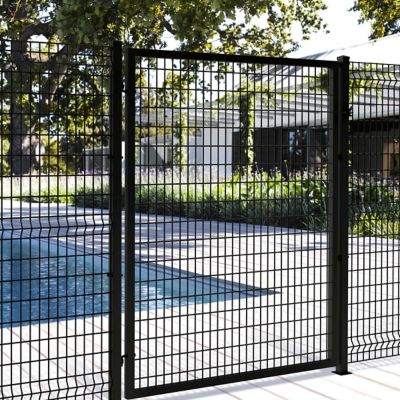
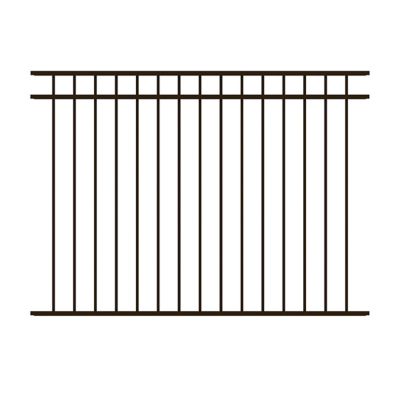
Safety fence panels help create a clear boundary around the places where people, pets, livestock and equipment need a little extra separation. Around a rural property, that might mean marking off a garden, keeping a young dog away from a busy driveway, guiding animals toward a gate or blocking access to a muddy area after heavy rain. On a worksite, farm or acreage, they can help direct foot traffic around an open trench, stacked materials, machinery or a section of ground that needs time to settle. Their value comes from making a boundary easy to see and simple to understand. A bright panel along the edge of a gravel lane catches the eye well before someone steps into the wrong area, while a neatly lined run beside a barn keeps people and animals moving in the right direction. When shopping, start by measuring the full length of the space, then account for corners, openings, slopes and the room needed for posts or supports. Panel height matters, too. A low barrier may be enough to guide people around a work zone, while pets, calves or other active animals may need taller sections that are harder to climb or push through. Think about the size of the openings in the mesh or rails, especially when a fence will surround small animals or be placed where children may reach through. A panel that looks suitable from across the yard may have openings that are too wide for a curious puppy or a small goat. For tighter spaces around a porch, side yard or garden bed, take a look at
Small Fence Panels to help match the boundary to the area without crowding walkways or gates.
The ground beneath the fence will shape the setup just as much as the panels themselves. Firm, level soil is straightforward, but many country properties have uneven pasture, shallow roots, loose gravel or stretches that stay soft during the cooler months. Walk the line before buying and note where the fence will rise, dip or turn. A panel system that connects cleanly on level ground may need extra support on a slope, and a long run can shift if its ends are not anchored well. Look for compatible posts, feet, stakes, clamps or connectors, and make sure the support method fits the surface. On packed soil, driven stakes may hold the line in place; on concrete or a barn floor, weighted bases can be more practical. Gates and access points deserve early attention. Leave enough room to carry feed, roll a wheelbarrow, move a lawn mower or bring a small tractor through without scraping the panels. If the fence will separate animals, position the opening where you can see both sides before stepping through. For a temporary work area, choose a layout that can be taken down and reset without leaving sharp edges, loose wire or exposed hardware. Check the panel finish for smooth edges and look over hinges, fasteners and connection points before installation. After the first strong wind or hard rain, walk the perimeter and press on each section to spot leaning supports or gaps. A quick check around the base can also reveal places where a dog, goat or other determined animal has started to dig. Keep the bottom edge close to the ground where practical, but avoid trapping water or creating a trip point along paths. If the fence sits near a road or driveway, select a color and pattern that stand out in low light, and add approved warning markers when the area calls for extra visibility.
Safety fence panels can serve households, farms, kennels, gardens, contractors and property managers, with the right setup depending on what needs to stay in or out. Families may place them around a freshly planted bed, a firewood stack or a patch of lawn that needs to recover from foot traffic. Gardeners can create a boundary around seedlings while they establish roots, keeping chickens, rabbits and curious pets from turning new growth into a snack. Livestock owners may arrange panels into a holding area near a loading point, a temporary pen beside a shelter or a lane that guides animals away from a gate. For fall chores and early winter work, they can also help mark off slick spots, freshly repaired fencing, snow equipment or areas where ice makes footing uncertain. In a barn or shop, a well-planned barrier keeps visitors away from moving equipment and gives everyone a visible path through the space. Placement still matters more than simply adding a panel. Keep barriers clear of tall grass, brush and stored materials so the line remains easy to see. Make sure panels do not block emergency exits, hydrants, electrical access or the sightline needed to back a trailer. If children or pets spend time nearby, inspect the fence often for bent sections, loose connectors and gaps at corners. Strong weather, curious animals and daily chores all put strain on a boundary, so choose components suited to the setting and check them as conditions shift. With thoughtful measurements and steady supports, safety fence panels can bring order to a busy yard without making the space feel closed in, helping everyone—from a farmhand carrying a bucket to a child walking beside the garden—know where to step and where to stay clear.