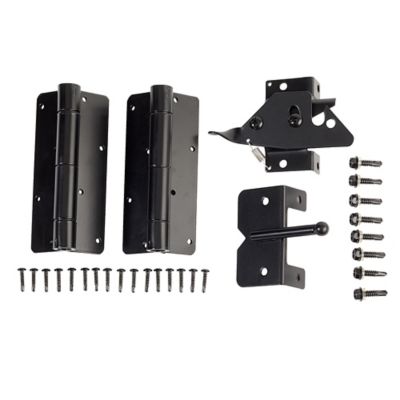
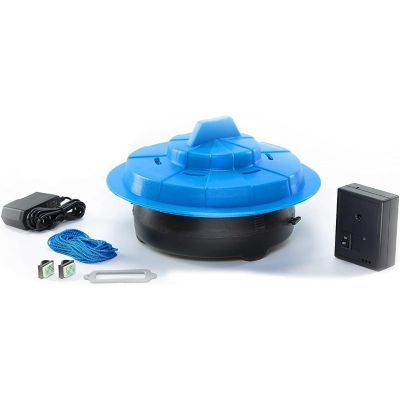
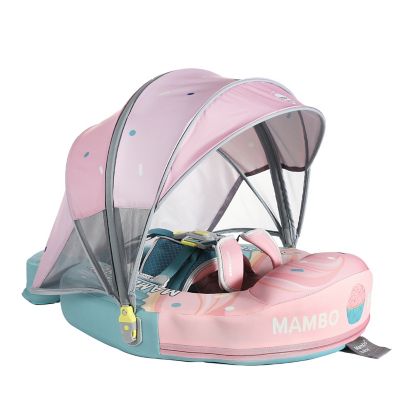
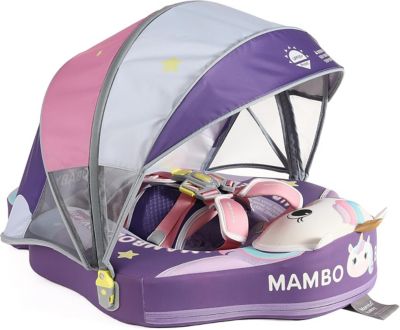
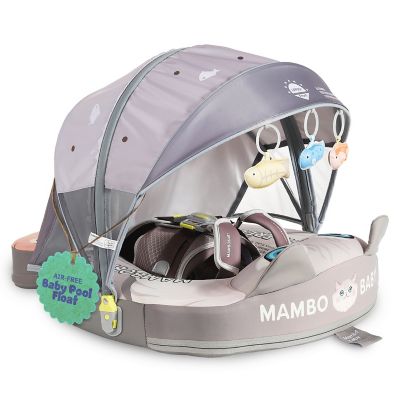
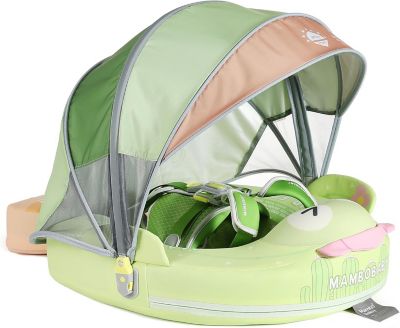
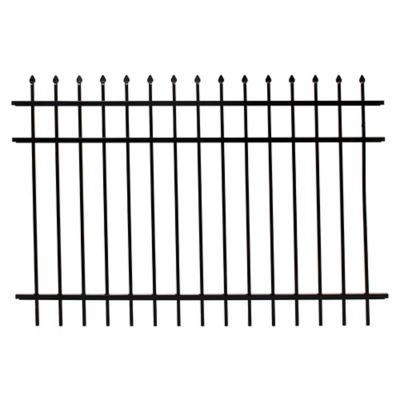
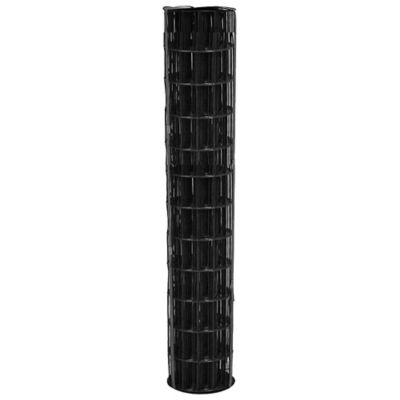
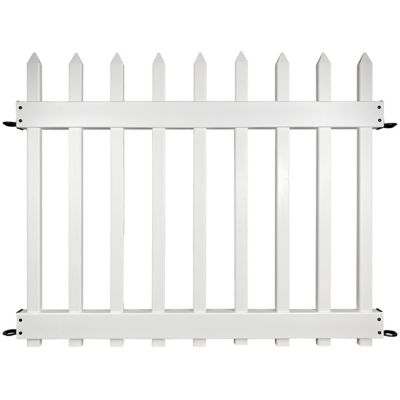
Pool safety equipment includes barriers, entry alarms, safety covers, flotation gear, and rescue tools that help limit access to water and support a response when trouble happens. Each category serves a different purpose, so a well-planned pool area depends on several layers rather than one piece of equipment. For a backyard pool on a country property, that might mean a separate enclosure inside the larger yard, a gate that closes and latches on its own, and rescue equipment within easy reach of the deck. Four-sided isolation fencing separates the pool from both the house and the rest of the yard, helping keep a wandering child from reaching the water unnoticed. A fence at least 4 feet high is a common safety recommendation, but local codes may call for greater height, particular opening sizes, or additional gate features. Mesh, metal, and other fence materials differ in visibility, upkeep, and installation requirements. Clear sightlines matter when adults are watching swimmers, while secure posts, properly spaced openings, and a gate that swings away from the pool help support the barrier’s purpose. Gate hardware needs to match the fence and maintain its closing action without dragging or catching. Door and gate alarms add another alert where a house or walkway provides access to the pool area. Water-entry alarms monitor certain disturbances in the water, but their detection methods, placement requirements, and operating limits vary. An alarm should be audible where a responsible adult will hear it, and battery checks and function tests belong in regular pool upkeep. Families with young children, grandparents hosting visits, and households where pets share the yard all have reasons to pay close attention to access points. The same goes for a pool near a patio where guests gather and gates open often. No fence, alarm, or flotation aid replaces close, constant adult supervision. These products help support that supervision and restrict access when swimming is not planned.
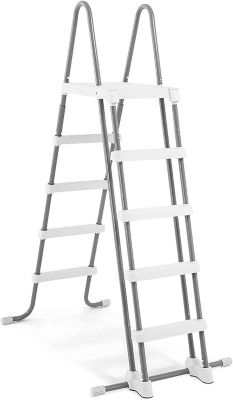
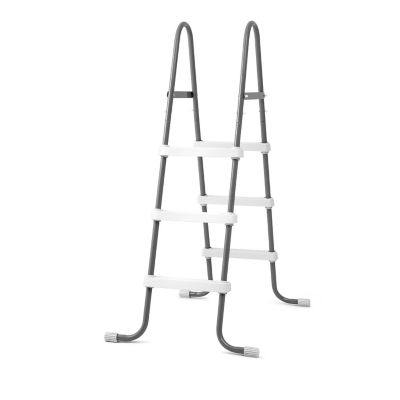
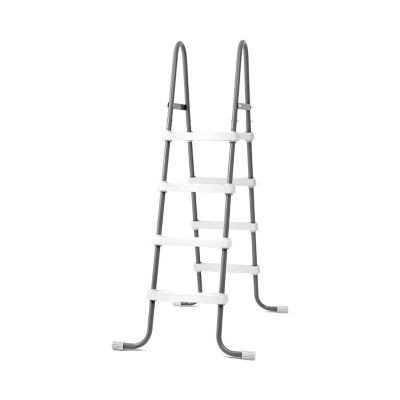
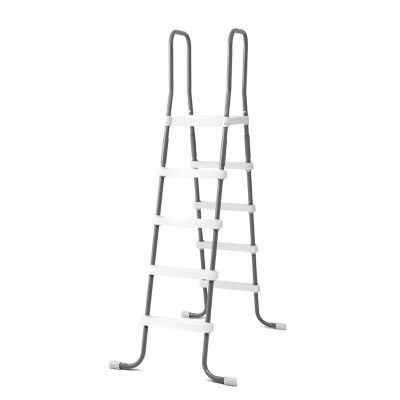
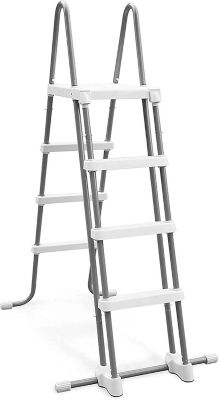
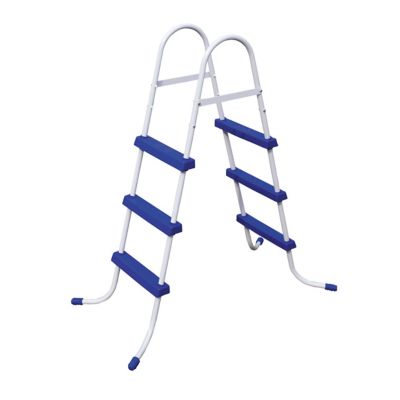
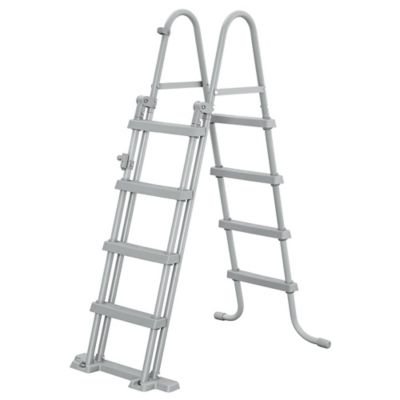
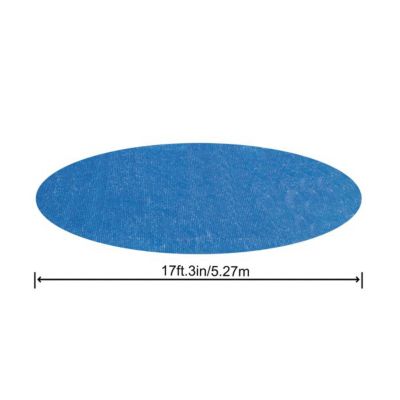
Fit is especially important with pool safety covers, nets, ladder barriers, and other equipment that attaches to the pool or its surroundings. Pool shape, overall dimensions, steps, raised edges, and nearby structures affect whether a cover can sit and anchor as intended. A rectangular water surface with an offset step needs different coverage than a simple rectangle, and an irregular deck can change where attachment points belong. Purpose-built safety covers differ from floating blankets and ordinary debris covers, which are not safety barriers. Mesh safety covers allow water to pass through, while solid designs require drainage or water removal according to their instructions. A cover identified as meeting ASTM F1346 has a defined safety standard behind its labeling, though correct installation, secure anchors, and ongoing inspection still matter. Pool safety nets also require the right sizing, tension, and attachment system; their purpose and limitations should be clear before they become part of a household’s protection plan. Covers and nets must be completely removed before swimming, never left partly across the water. Aboveground pools bring their own access considerations, particularly around ladders and steps. An access system designed to lock, lift, or otherwise restrict entry can add protection, but a tall pool wall alone does not address every route a child might take. Nearby chairs, storage boxes, and other climbable objects can defeat an otherwise thoughtful setup. Material choices also affect service life and care. Metal fittings need resistance to corrosion from pool chemicals, plastic components need inspection for cracks, and mesh or webbing needs checks for tears, stretching, and loose stitching. Anchors should remain secure in a suitable mounting surface rather than depend on a makeshift attachment. Cleaning, rinsing, storage, and replacement should follow the manufacturer’s directions, with particular attention to damaged straps or hardware that no longer works smoothly. Equipment that fits the pool and receives regular attention is a better foundation than a mismatched setup that leaves gaps or requires someone to improvise each time it closes.
Rescue and visibility equipment serves a different role from barriers: it helps organize the swimming area and gives a nearby adult tools for responding to an emergency.
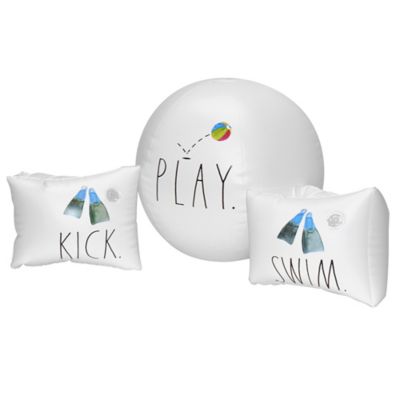
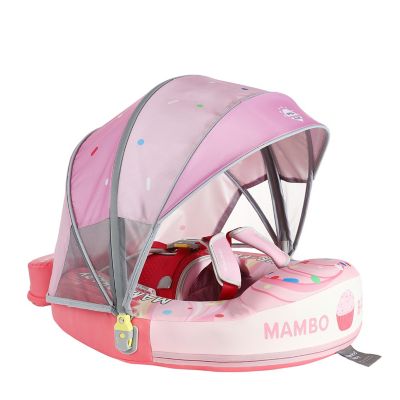
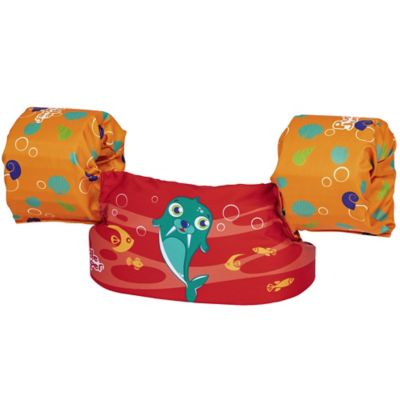
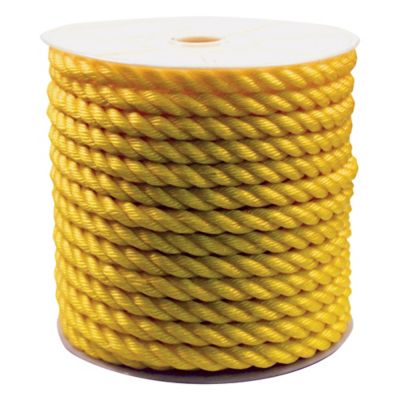
Pool Safety Ropes pair floating markers with a line to identify depth transitions or separate designated areas. They make a boundary easier to see, but they do not prevent someone from crossing it and should not be treated as a substitute for a fence, a life jacket, or supervision. Line length, float spacing, attachment compatibility, and visibility against the water all affect how well a rope suits its intended location. A clearly marked boundary can help guests understand the layout of an unfamiliar pool, especially where a shallow section drops into deeper water. Rescue rings, throw lines, and reaching poles belong in accessible positions where they can be retrieved without opening a locked shed or sorting through pool toys. Their placement should support a reach-or-throw response from a secure position rather than require an untrained bystander to enter the water. Rope condition, secure connections, pole length, and straightforward handling matter more than appearance. Equipment should be designated for rescue and kept separate from playthings so it stays where adults expect to find it. For children and less confident swimmers, a properly fitted U.S. Coast Guard-approved life jacket offers a different level of protection than inflatable toys or arm floats, but it still requires close supervision. The approval label, intended activity, weight range, and fastening system help establish the right fit; a jacket that rides up around the face is not fitting properly. Young children and inexperienced swimmers need an attentive adult within arm’s reach. A nearby first aid kit and a charged phone round out emergency readiness, while CPR training helps adults prepare to act. For households welcoming relatives or friends, these details make the pool area easier to understand and manage. Clear boundaries, controlled entry, well-fitting equipment, and a designated adult watching the water give every safety layer a practical job.