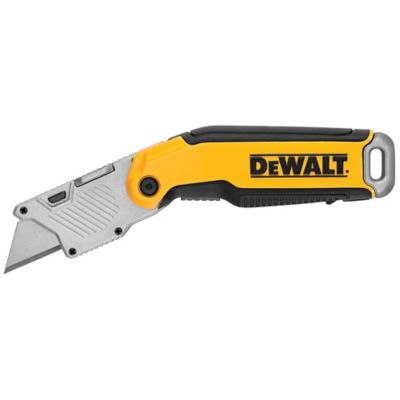
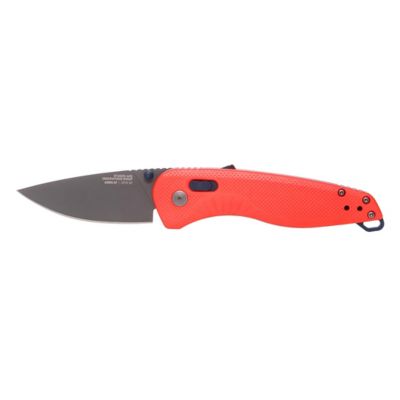
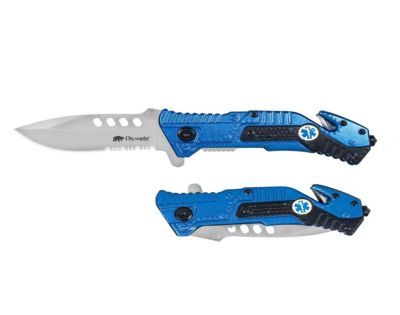
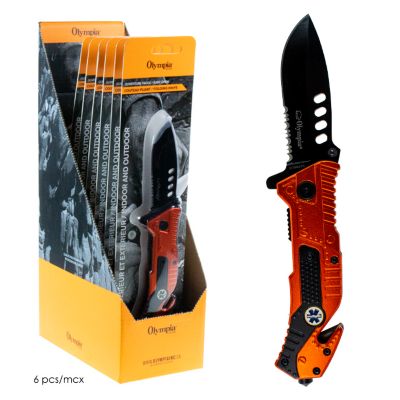
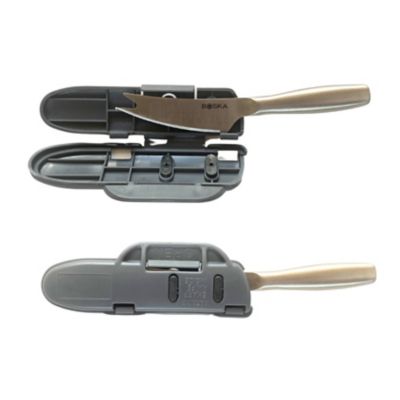
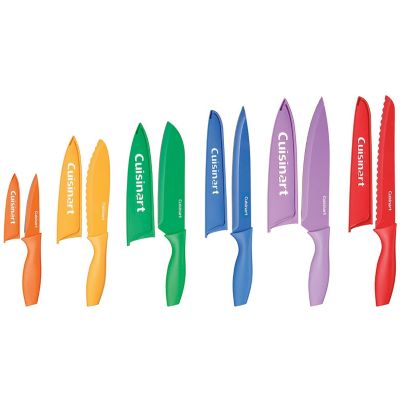
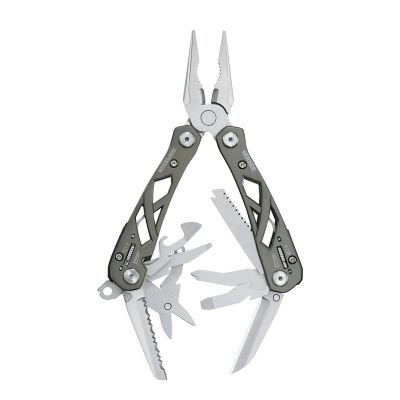
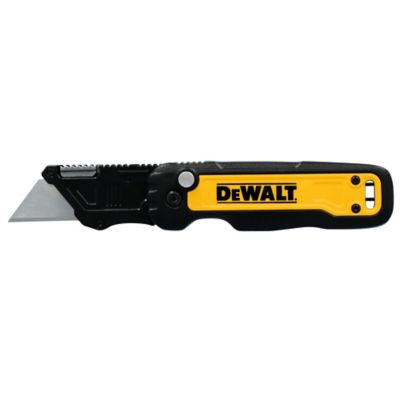
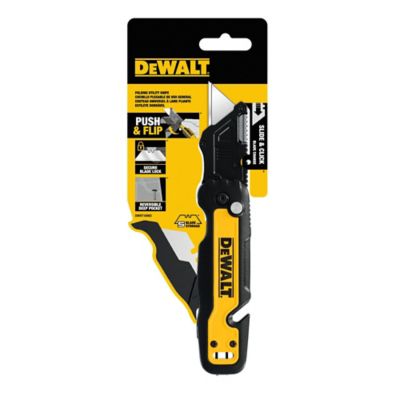
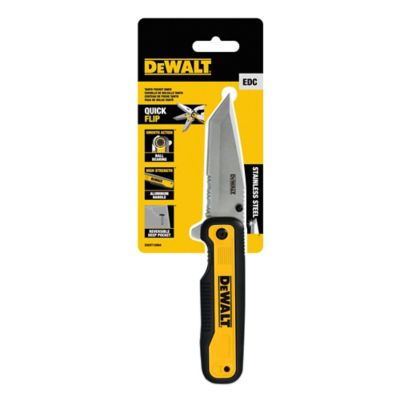
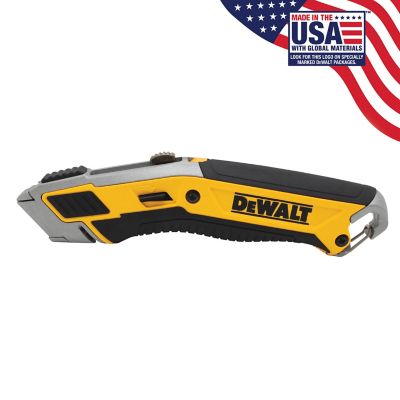
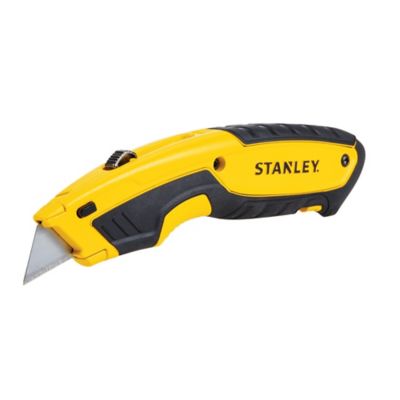
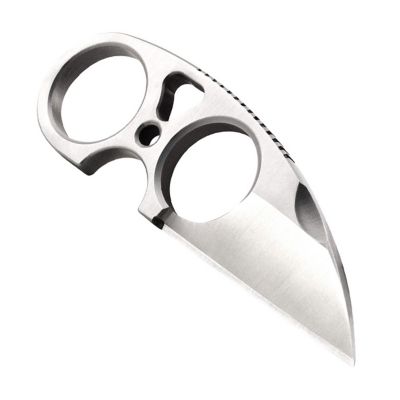
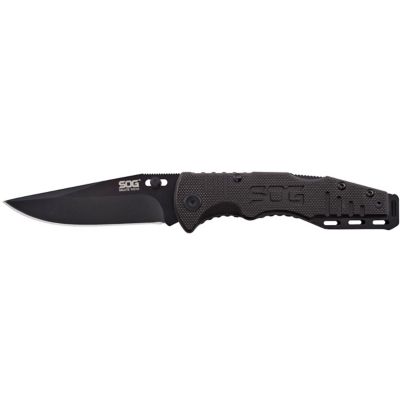
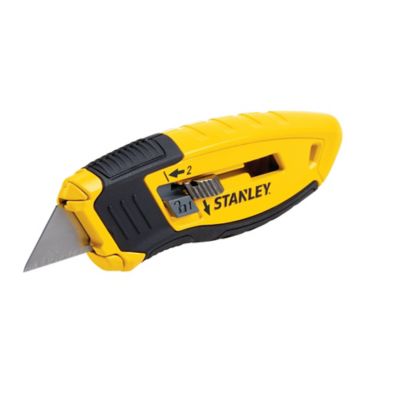
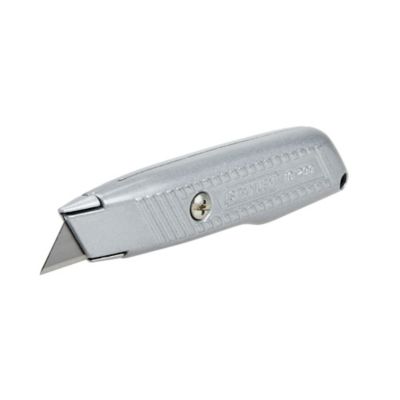
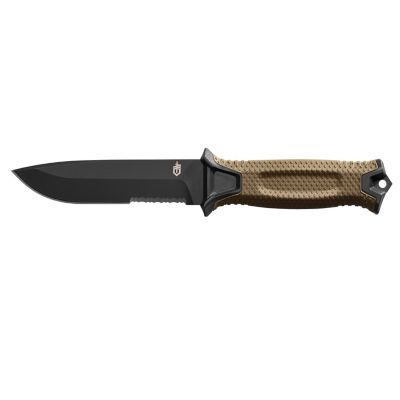
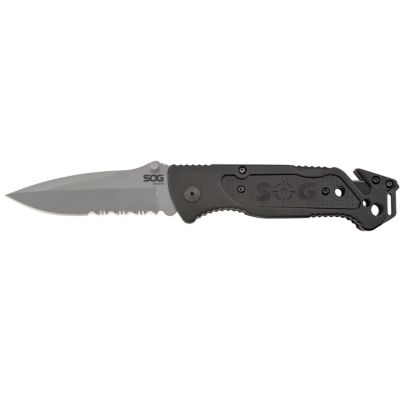
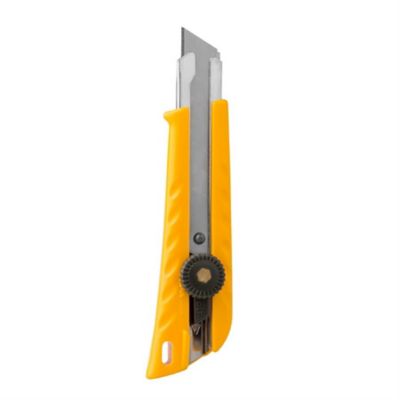
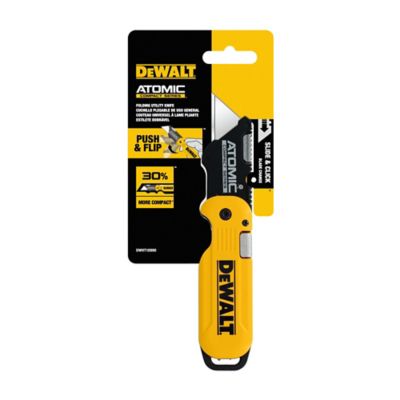
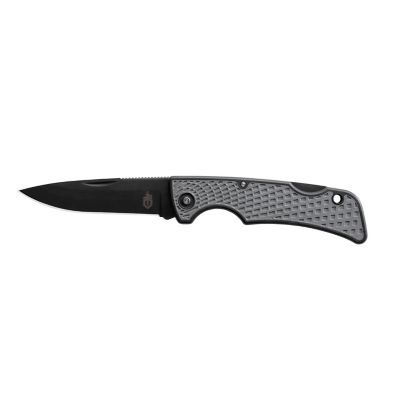
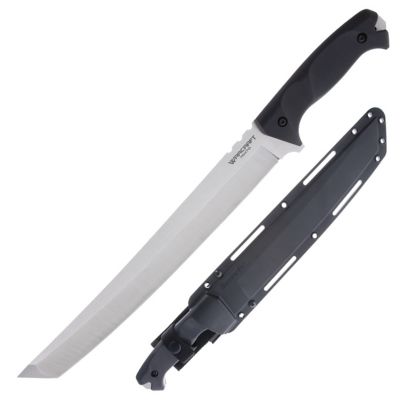
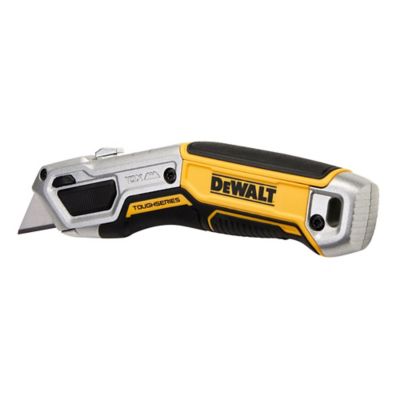
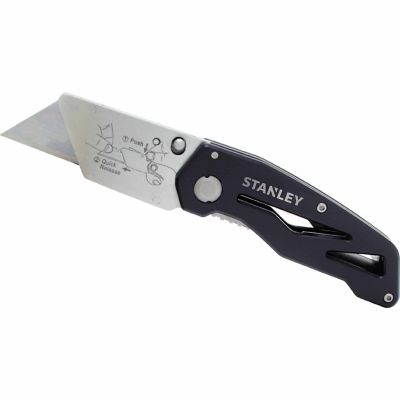
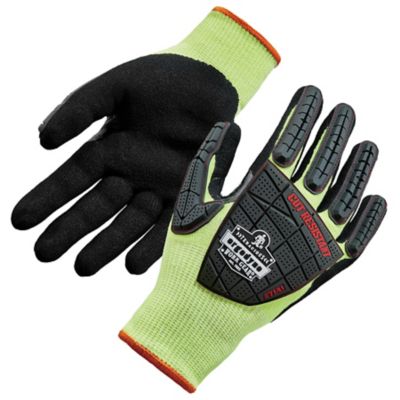
Safety knives are made for jobs where boxes, bags, shrink wrap, plastic strapping and other packaging need to be opened without leaving a fully exposed blade in hand. They are useful around farms, feed rooms, barns, warehouses, workshops, retail back rooms, shipping stations and busy household work areas. A safety knife may use a spring-loaded blade that retracts when the slider or trigger is released, or it may retract fully as soon as the blade loses contact with the cutting surface. Other designs keep the blade concealed inside a guarded throat, making them a practical choice for cutting film, tape and strapping while helping limit contact with the sharp edge. Disposable safety cutters offer a simple, low-cost option for occasional tasks, and because the blade is not replaced, there is no separate blade-change step. These tools can be especially handy during the steady flow of deliveries, feed bags and supply shipments that comes with maintaining a farm or small business. They also fit well in a tool drawer, glove compartment, packing area or workbench for opening parcels without reaching for a larger utility knife. A safer cutting tool still requires good habits: keep the cutting path pointed away from your body, use a stable surface when possible, keep hands clear of the material being cut, and put the knife away when the task is finished. Protective equipment may also be appropriate, including cut-resistant gloves for higher-risk work, and workplaces should follow their own safety procedures and applicable requirements.
Choosing the right safety knife starts with the material and the kind of cutting done most often. A concealed-blade cutter is well suited to cardboard tape, shrink film and plastic wrap, while heavier cartons or thick strapping may call for a guarded utility-style design with a replaceable blade. Rounded-tip or otherwise protected blade shapes can help reduce puncture hazards, but they still need to be handled with care. Self-retracting designs are useful when the user may become distracted or needs to move quickly between packages, since the blade is designed to return toward the handle when pressure on the control is released. Fully automatic retracting styles provide another level of protection by retracting when the blade comes away from the cutting surface, even if the trigger is still engaged. Look for a handle that feels steady in a gloved hand and provides enough grip for damp, dusty or cold conditions. An ergonomic shape and squeeze-trigger operation can help reduce hand strain during repetitive opening work, especially when breaking down a stack of incoming cartons. Ambidextrous handles and reversible sliders make it easier for both right- and left-handed users to work naturally instead of twisting the wrist or changing the cutting angle. A built-in tape splitter can be useful for separating packing tape without wearing down the primary blade or dragging adhesive across its edge. For frequent use, tool-free blade changes can reduce downtime and limit the need to handle extra tools, though replacement blades should always match the cutter and be changed according to the maker’s instructions. Store spare
Cutting Blades securely, and never carry a loose blade in a pocket, toolbox or work apron.
Safety knives serve a wide range of people, from shipping and receiving crews to livestock owners, gardeners, contractors, maintenance workers and do-it-yourselfers. A person sorting hay wrap, opening a pallet of fencing supplies or trimming feed-bag packaging may appreciate a guarded cutter that can be grabbed quickly from a nearby shelf. In a packing room, a lightweight self-retracting knife can help with repeated carton work, while a concealed cutter may be more convenient for breaking down thin film and tape. They can also make a thoughtful practical gift for someone setting up a home workshop, managing online shipments, organizing a craft room or keeping a busy garage in order; the best choice depends on the recipient’s hand size, typical materials and comfort with tool maintenance. During the warmer part of the year and into the cooler months, these tools can earn their keep through garden supply deliveries, seasonal storage, equipment maintenance and routine cleanup. Before purchasing, consider whether the knife is intended for light packaging or tougher materials, whether a replaceable blade is important, how often it will be used, and whether several people need to share it. Check the locking or retracting action before putting a knife into service, and replace a dull, damaged or sticky blade rather than forcing it through a carton. Keep the handle clean and dry, clear away adhesive buildup as directed, and inspect the guard, slider, trigger and blade area regularly. No safety feature replaces attention: cut at a controlled pace, avoid sawing toward a hand or leg, do not use a packaging cutter as a pry bar or screwdriver, and keep it out of reach of children. With the right design and sensible handling, a safety knife can make everyday opening, trimming and unpacking jobs feel more controlled while helping keep sharp edges where they belong.