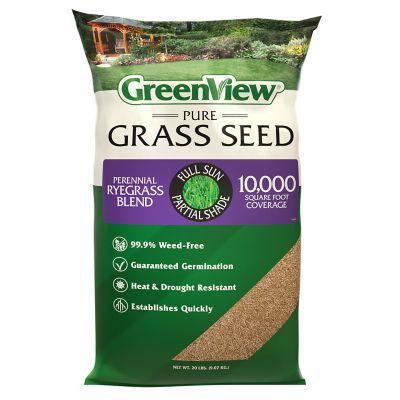
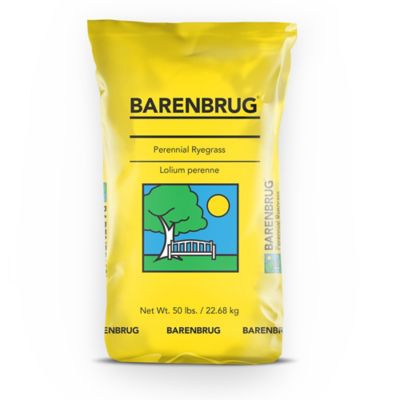
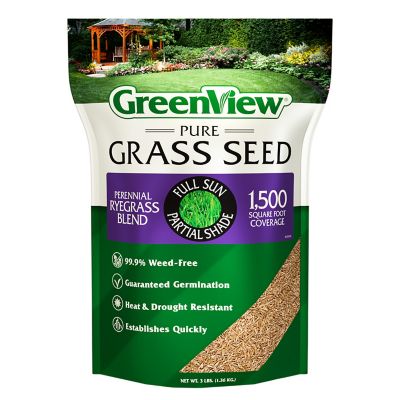
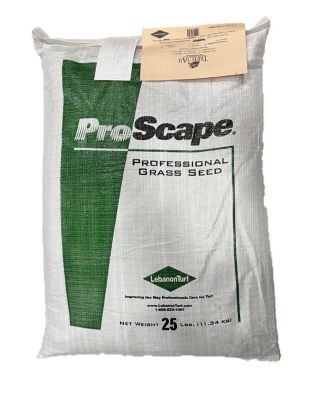
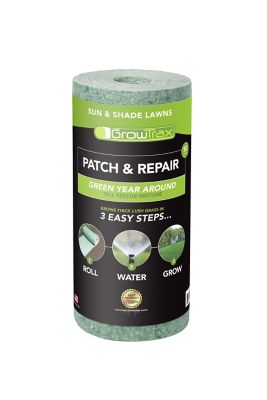
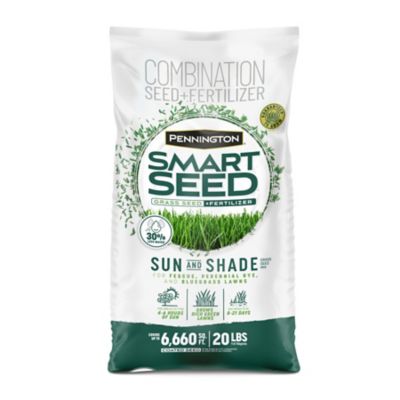
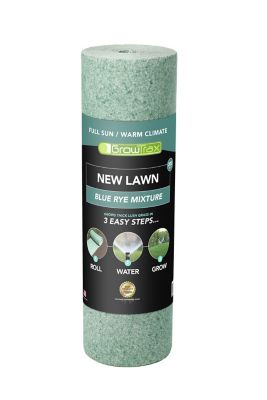
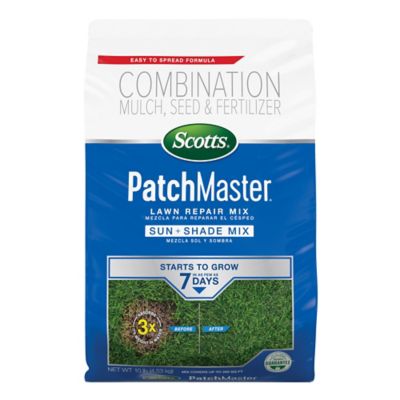
Perennial ryegrass seeds grow into a cool-season grass known for quick germination, a rich green color, and good tolerance for foot traffic once established. For a yard that sees muddy boots, backyard games, and regular trips between the house and barn, those traits can make perennial ryegrass a practical choice. It works well for starting lawns, thickening thin turf, and adding faster-establishing grass to a compatible seed blend. Under favorable conditions, perennial ryegrass seed can germinate in roughly 5 to 12 days, although a fully established lawn takes considerably longer. Consistent moisture, good seed-to-soil contact, and suitable soil temperatures all affect that timing. Planting recommendations often target soil temperatures around 50°F to 65°F; local growing conditions and the seed label matter more than picking a date on the calendar. Unlike annual ryegrass, which is generally grown for shorter-term coverage, perennial ryegrass can persist from year to year where the site suits it. Its growth habit is another important distinction: perennial ryegrass forms bunches and thickens through tillering rather than spreading widely through underground stems. That helps explain why a worn spot beside the gate may need additional seed instead of simply filling itself back in. Turf-type varieties generally have narrow blades and an upright growth habit that gives a maintained lawn a neat, even look. They perform best with sufficient sunlight, good drainage, and access to moisture, while deep shade, prolonged dry conditions, and poorly drained ground can limit performance. Regional fit deserves a close look, especially when comparing grass types for a large yard or acreage around a home. For another cool-season option,
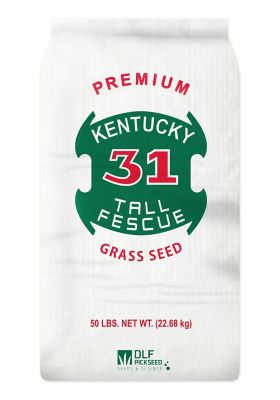
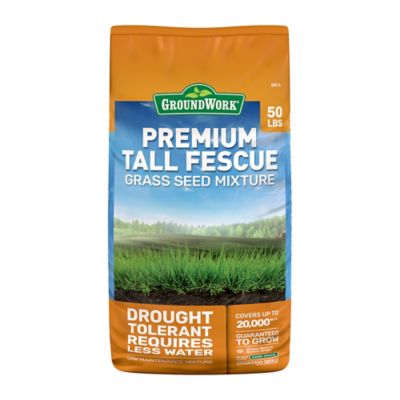
Fescue Grass Seeds include types suited to different needs: tall fescue often brings deeper rooting, while certain fine fescues can handle more shade. Matching the grass to the ground gives a lawn a better starting point than choosing by color alone.
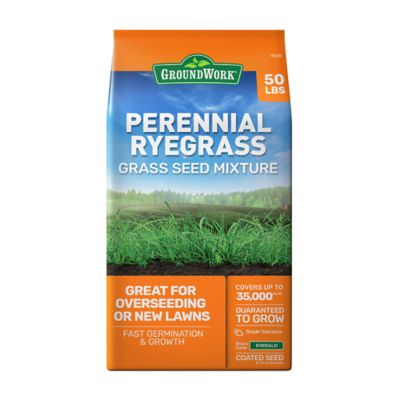
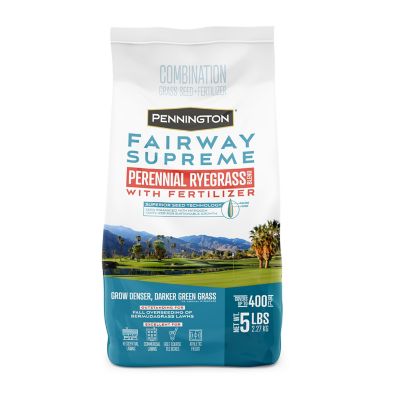
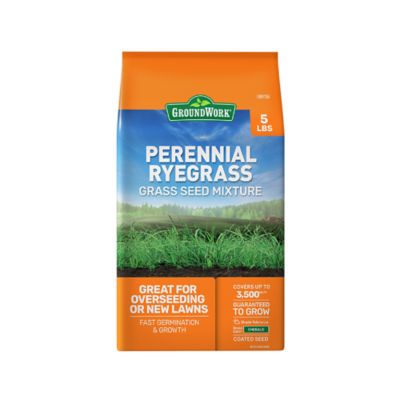
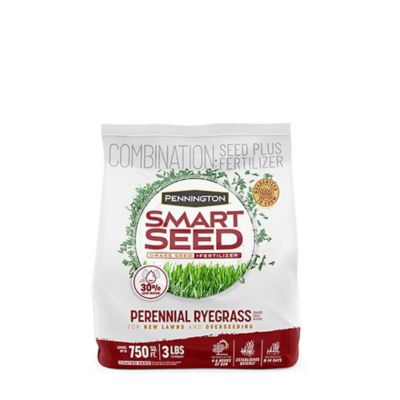
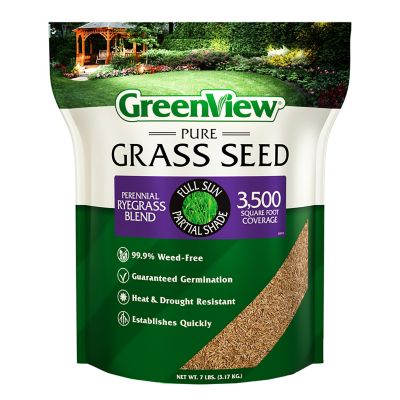
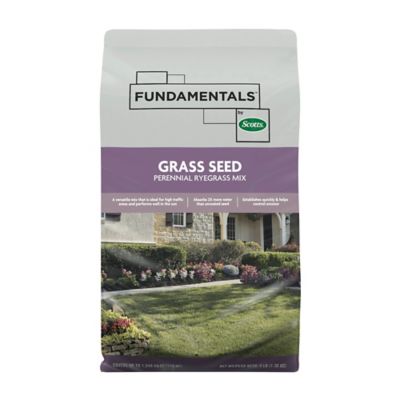
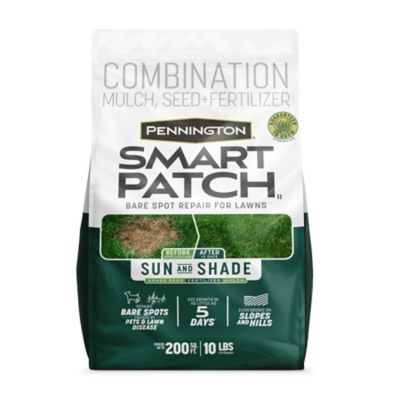
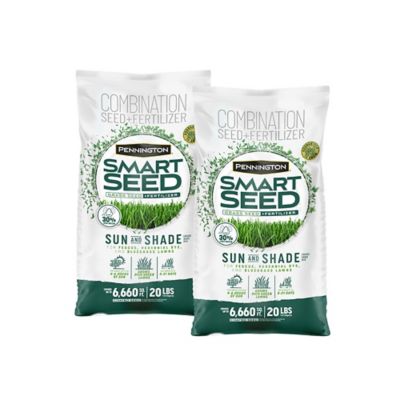
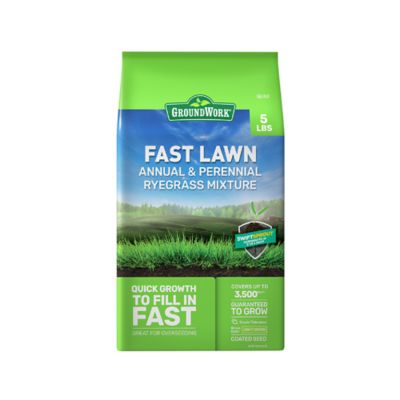
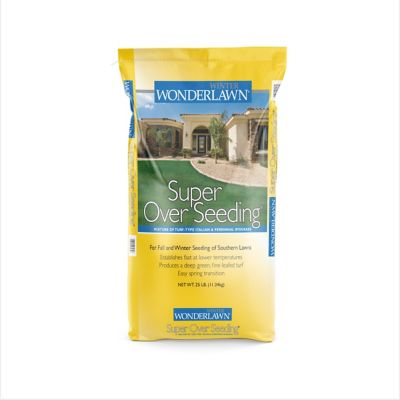
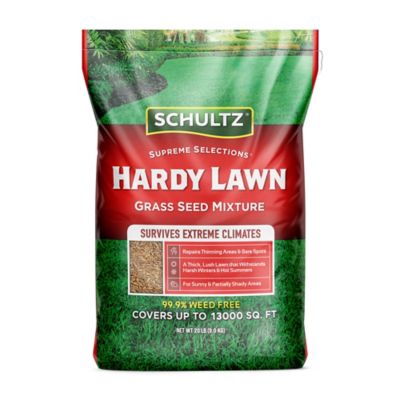
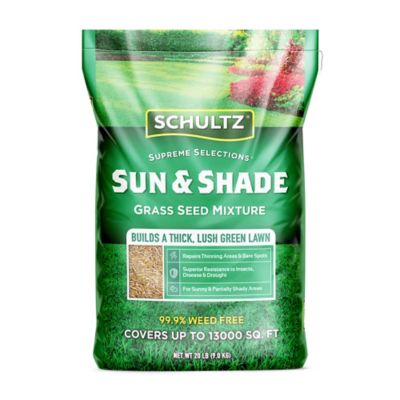
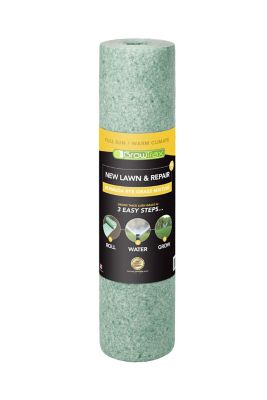
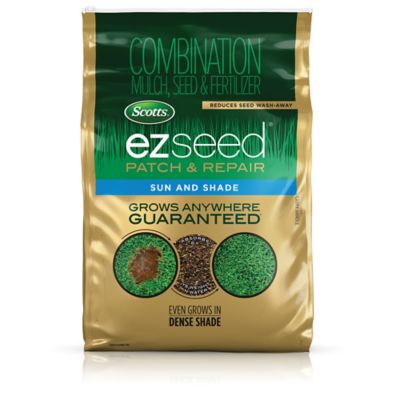
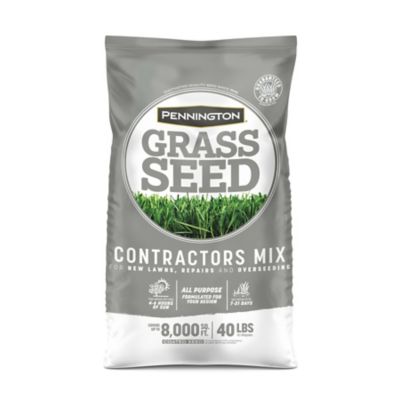
Choosing perennial ryegrass seed starts with the intended job. Turf-type seed is meant for lawns and other maintained grassy areas, while forage varieties are selected with livestock feed production in mind. Those purposes are not interchangeable, even when the grass names sound similar. A straight perennial ryegrass seed selection makes the species composition straightforward, while a blend may combine several perennial ryegrass varieties or pair ryegrass with other grasses. Multiple varieties can bring differences in appearance, growth, and disease response; mixtures with other species can balance quick establishment with traits such as spreading growth or deeper rooting. The seed analysis label helps explain what is in the bag, including the percentage of each grass, germination percentage, inert matter, and any listed weed or other crop seed. Checking that label also helps distinguish perennial ryegrass from annual ryegrass, cereal rye, or a mixture containing them. Coated and uncoated seed deserve a separate look. A coating may carry materials intended to support establishment or make the seed easier to handle, depending on its formulation, but coating weight is not the same as actual seed weight. Coverage should follow the directions for that seed rather than assumptions based on bag size. As a general reference, overseeding an existing lawn often calls for about 3 to 5 pounds of uncoated perennial ryegrass seed per 1,000 square feet, while a new lawn may call for roughly 6 to 9 pounds. The label takes priority because rates vary with the formulation and intended use. Measuring the planting area helps keep coverage consistent, whether it is a narrow strip along a driveway or a broad stretch behind the house. Surface conditions matter just as much as the amount of seed. Seed caught in thick thatch or lying on hard-packed ground has a tougher start than seed touching a prepared soil surface. Heavy traffic lanes, standing water, and dense weeds are site problems that extra seed alone cannot solve.
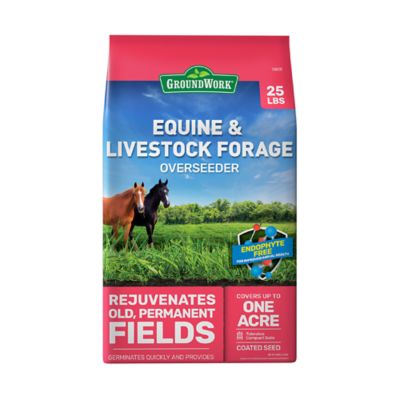
Care requirements are worth considering before choosing perennial ryegrass seeds, particularly for a property where watering and mowing have to fit around chores. Newly seeded areas need steady surface moisture without puddling or washing seed downhill. After establishment, watering needs change with the soil, root development, and growing conditions, so a fixed schedule is not a good fit for every yard. A sunny slope near the road can dry differently from level ground beside the porch. Young grass also needs time before it can handle the same traffic as established turf; fast sprouting does not mean a freshly seeded patch is ready for a wheelbarrow or a pickup tire. Many perennial ryegrass lawns are maintained around 2 to 3 inches tall, though the variety and local recommendations should guide mowing height. Sharp mower blades help keep the leaf tips clean, and removing no more than about one-third of the blade at a time avoids unnecessarily stressing the plants. Soil testing provides a useful basis for fertilizer and lime decisions, especially on ground that has received years of scattered applications without a clear picture of soil needs. For livestock acreage, the seed selection calls for another level of attention. Some turf-type perennial ryegrasses contain endophytes, fungi living within the plants that may help resist insects but can also produce compounds harmful to grazing animals. A lawn designation does not establish suitability for a horse paddock or pasture; forage suitability should be confirmed through the seed information and local agricultural guidance. Pasture performance also depends on fertility, drainage, grazing pressure, and enough recovery time between grazing periods. Seed treatments warrant label checks as well, including precautions involving children, pets, and livestock. Keeping seed dry and protected from rodents helps preserve it until planting. Whether the goal is thicker turf around the farmhouse or grass for an appropriate forage setting, the best fit comes from matching the seed’s intended purpose with the land and the care it will receive.