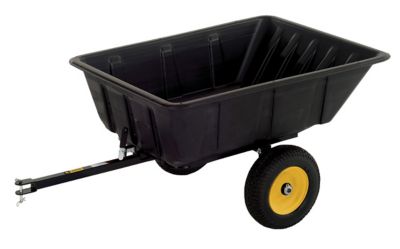
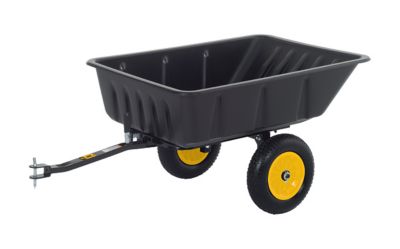
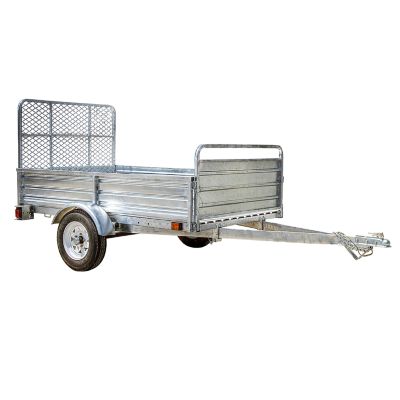
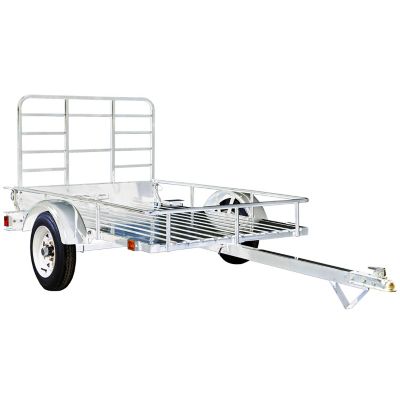
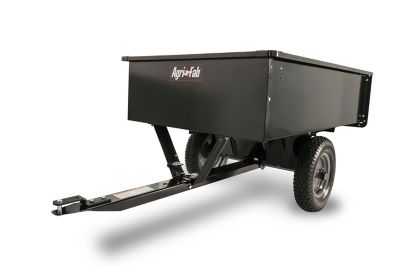
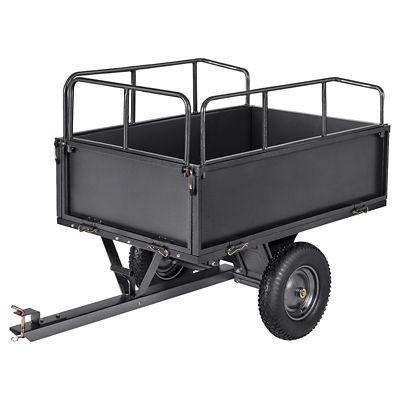
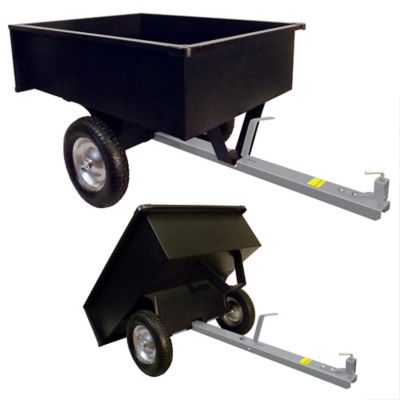
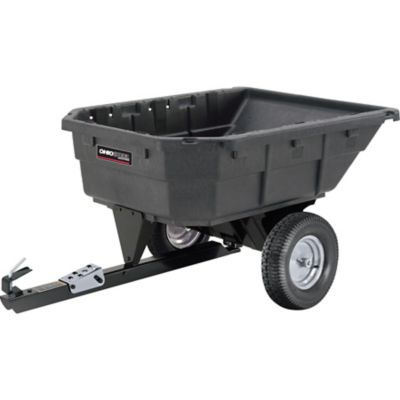
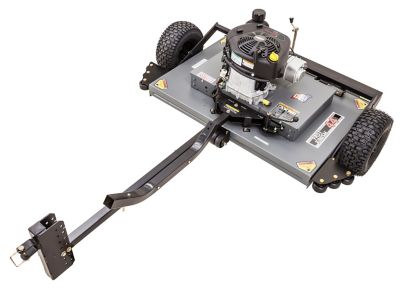
A riding lawn mower trailer is a tow-behind utility cart that connects to a compatible mower or lawn tractor to carry materials around a yard or property. Often called a lawn mower dump cart or garden tractor trailer, it takes some of the legwork out of moving mulch, soil, branches, tools, and other supplies between work areas. This type of trailer hauls a load behind the mower; it is different from a road trailer built to transport the mower itself. For a homeowner tending garden beds, someone keeping up a few acres, or a property owner hauling supplies out to a shed, the appeal is straightforward: less carrying by hand and more room for the things a job calls for. A load of pulled weeds can head to the compost pile, bags of soil can travel out to raised beds, and fencing tools can stay together on the trip to a repair. Bed size, load capacity, and unloading features help separate one cart style from another. A deep tub contains loose material, while a flatter bed with removable sides can leave more room for awkward branches or longer tools. A removable tailgate gives material a clearer path out of the back, and a tilting dump bed can reduce the amount of shoveling needed to empty a load. Those features vary by design, so a dump function does not necessarily mean the cart empties completely without a little help. Fine soil, tangled clippings, and sticky material all move differently. Weight capacity and bed volume also describe different things: a roomy bed may hold plenty of leaves but reach its weight limit with a much smaller amount of gravel. The best fit comes down to the loads that make regular trips across the property, not simply the biggest bed. Room to reach in, load comfortably, and park near the work matters just as much when the cart becomes part of everyday chores.
Compatibility starts with the towing vehicle, because not every riding mower is approved to pull a trailer. For shoppers pairing a cart with a
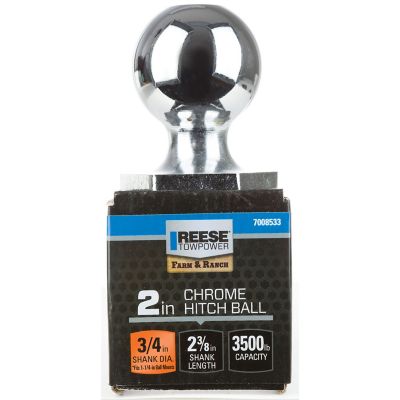
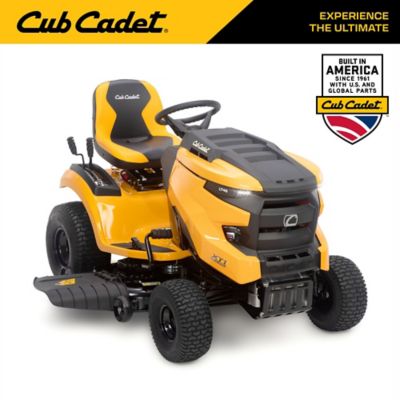
Garden Tractor Lawn Mower, the tractor’s approved hitch arrangement and towing limits matter as much as the cart’s capacity. Many lawn carts attach with a hitch pin, but hitch style, pin size, connection height, and clearance can differ. A connection described as universal still needs to match the mower’s requirements; it does not make every mower suitable for towing. Zero-turn mowers need particular attention to manufacturer approval, hitch equipment, and operating restrictions. The allowable load depends on the complete setup, including the weight of the empty cart and its contents, rather than the trailer’s load rating alone. A cart rated to carry a heavy load does not increase what the mower can safely pull or control. That distinction matters on properties with grades, tight turns, or routes that pass close to ditches. Even a familiar path from the barn to the garden can feel different with a loaded cart following behind. Trailer width, tongue length, and turning clearance affect how comfortably the combination moves through gates and around beds, while overall length determines how much room it takes to turn and park. Tire construction is another practical consideration. Pneumatic tires provide cushioning over uneven ground but need air-pressure checks and can pick up punctures. Solid and flat-free tire designs avoid routine inflation, though ride characteristics vary with their construction. Wider tires may help spread the load across turf, but ground marking still depends on total weight, soil conditions, tire pressure where applicable, and turning habits. Wheel size, axle construction, and serviceable bearings also deserve attention for repeated trips over established property paths. These carts belong in the work area and within the mower manufacturer’s operating limits, not on public roads or in service as passenger wagons.
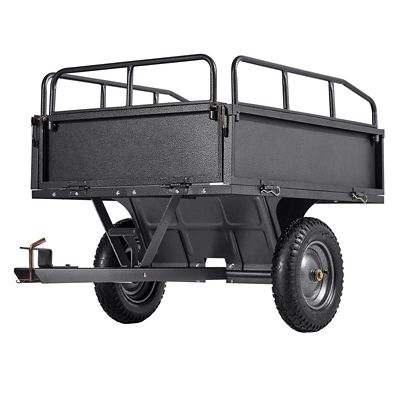
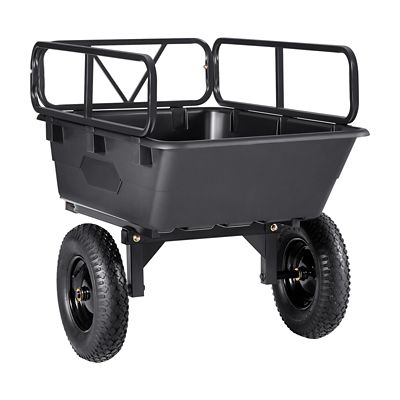
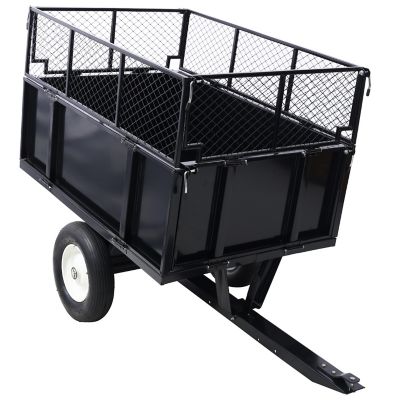
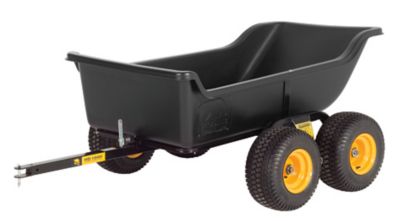
Bed material makes a difference in how a riding lawn mower trailer handles both the load and the cleanup afterward. Steel beds offer a rigid surface for tools, bagged supplies, and rougher hauling chores, though scratches in a protective finish can expose metal to rust. Molded polyethylene beds resist rust and generally rinse clean easily, making them a practical choice for loose soil, mulch, and plant debris. Their resistance to impacts, abrasion, and concentrated loads depends on the particular construction, so material alone does not tell the whole story. Bed thickness, frame support, axle design, and the way the body attaches to the chassis all contribute to how well a cart holds up to repeated work. Sharp stone edges and tools dropped into the bed can take a toll on either material. A load spread across the floor treats the cart differently from the same weight concentrated in one spot. Dumping hardware deserves the same attention as the bed: an easy-to-reach release, a secure latch, and a tailgate that comes off without a struggle can make unloading less of a chore. On some carts, a swiveling bed adds flexibility when there is little room to line up with a pile, provided the cart is positioned and operated as its manufacturer directs. Between jobs, clearing out trapped debris and allowing the bed to dry helps keep the cart ready for its next load. Steel surfaces benefit from attention to chipped finishes, while tires, hitch pins, retaining clips, fasteners, and bearings need the checks or service specified for the cart. Storage space counts, too, especially in a shed already shared with mower attachments and hand tools. A trailer that fits its parking spot, connects properly, and handles the property’s regular loads earns its place through ordinary work: carrying compost to the beds, gathering branches along the fence line, and bringing the tools back when the job is done.