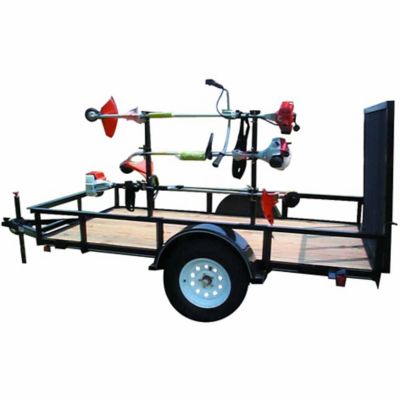
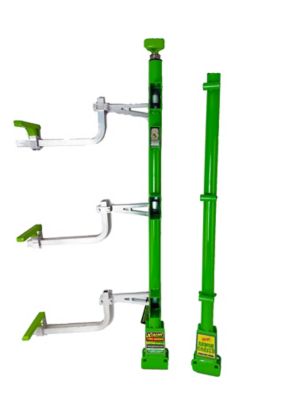
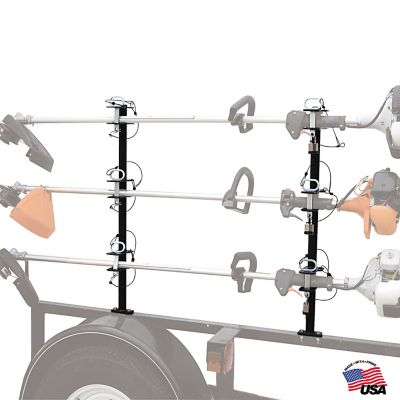
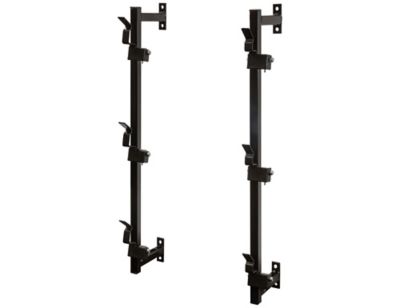
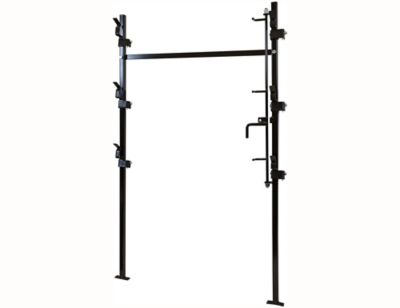
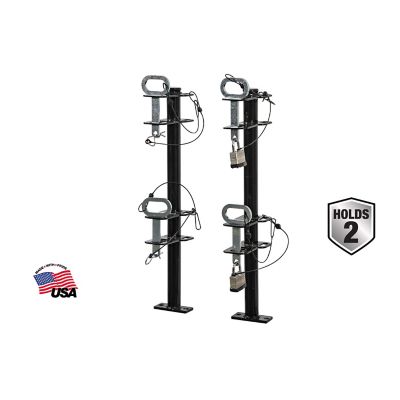
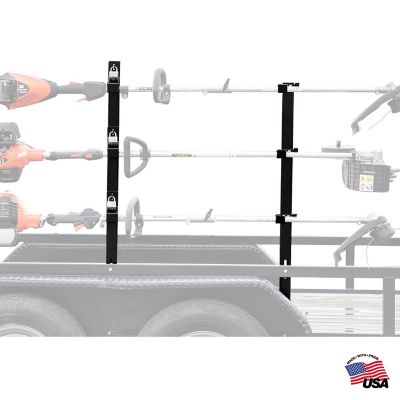
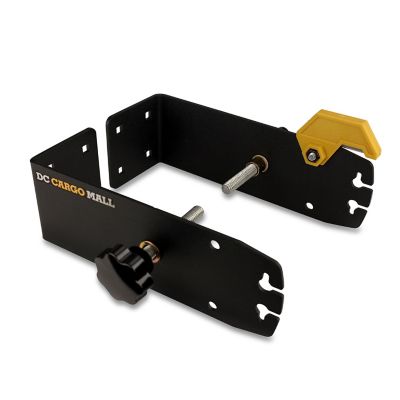
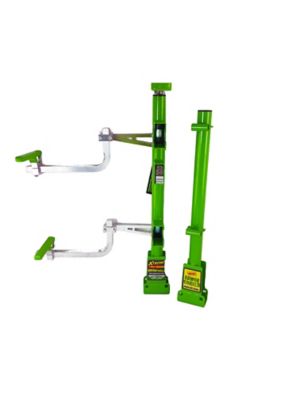
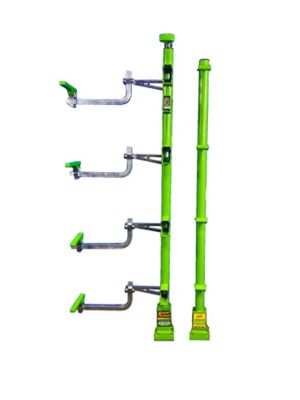
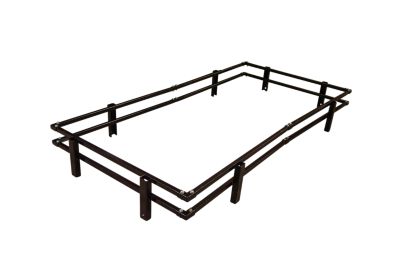
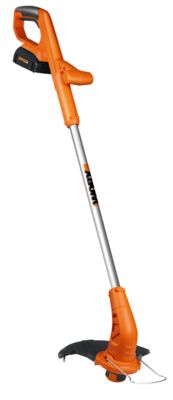
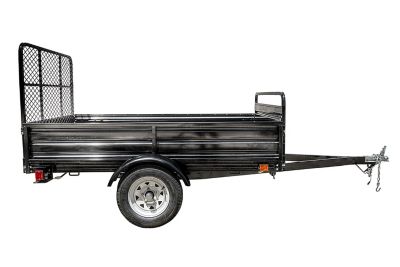
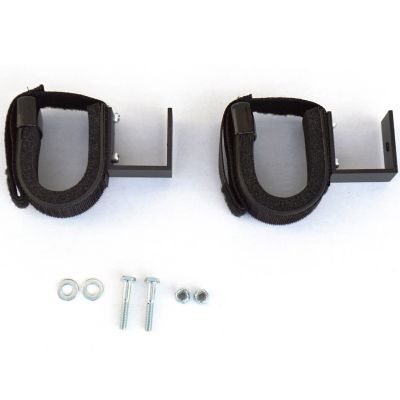
A weed eater rack for a trailer is a handy way to keep string trimmers, brush cutters and similar lawn-care equipment organized while you move from one job to the next. Instead of laying a trimmer in the trailer bed, balancing it across the rails or letting it slide around with fuel cans and hand tools, a properly fitted rack gives each machine a dependable place to ride. That can make a big difference for homeowners with large properties, landscapers, grounds crews, property managers and anyone who keeps several pieces of outdoor power equipment on hand. A trailer-mounted rack can help protect trimmer shafts, handles, guards and cutting heads from getting knocked around, while also freeing up floor space for rakes, blowers, shovels, fencing supplies or bags of seed. When you are checking options, start by measuring the trailer and the equipment you plan to carry. Pay attention to the length and diameter of the trimmer shaft, the shape of the handle, the size of the cutting head and the space needed to remove the machine without bumping into a neighboring tool. Some setups are intended for one trimmer, while others are built to carry several machines side by side, which is useful for crews who leave one unit fitted with line, another with a blade and a third ready for heavier brush. A rack should fit the trailer securely and leave room for safe access to gates, ramps and tie-down points. Look for sturdy construction suited to regular road travel, along with mounting hardware that matches the trailer’s rails, walls or frame. A solid fit matters on rough gravel lanes and washboard farm roads, where a loose rack can rattle, shift or put unnecessary strain on both the trailer and the equipment.
When comparing a weed eater rack for trailer use, think beyond simple storage and consider the daily routine around loading and unloading. A good rack should make it easy to lift a trimmer into place, secure it with a strap or holder and take it out without wrestling around other gear. Retention points are especially important when the trailer is bouncing behind a truck. Look for designs that help keep the shaft from swinging, the handle from catching on nearby items and the cutting end from contacting the trailer or another tool. Depending on how the rack is built, you may also want room for protective sleeves, locking pins or a separate way to secure the equipment against theft when the trailer is parked. Metal racks with a durable finish can stand up to dust, grass clippings and damp conditions, but every rack benefits from a little care. Brush off packed debris after a long day, check bolts and fasteners from time to time, and touch up worn areas before moisture and road salt have a chance to work on the metal. During the cooler months, equipment often gets stored for longer stretches between cleanup jobs, so a rack can help keep trimmers off the ground and away from wet trailer floors. Before putting a machine away, clear grass from the guard and cutting head, inspect the line or blade, and follow the equipment maker’s instructions for fuel and storage. Keeping the tool upright and supported also makes it easier to spot a cracked handle, damaged guard or loose connection before the next busy stretch of yard work. For replacement components and maintenance items that may be needed as equipment sees regular use, browse
Weed Eater Lawn Mower Parts to help keep the rest of the machine ready for the job.
These racks are useful anywhere a trimmer travels often, from a small trailer headed to a rural homestead to a work rig moving between fields, fence lines and roadside ditches. A property owner may use one to keep the trailer tidy while clearing weeds around barns, ponds and gates. A landscaping crew can save time by loading several machines in a consistent order, with the tools needed for edging and trimming placed where they can be reached first. A cemetery, campground, sports field or church grounds crew may appreciate the same organized setup when equipment has to move across a wide property. They can also make a practical gift for someone who spends weekends maintaining acreage, running a small mowing business or improving an older utility trailer for everyday work. When choosing one for another person, it helps to know the trailer style, the number of trimmers they carry and whether they prefer permanent mounting or a setup that can be removed when the trailer is needed for hauling. Consider the trailer’s total load rating as well, since a rack, multiple machines and other supplies all add weight. Keep heavier items low and distribute the load evenly, then use dependable straps or approved tie-downs rather than relying on the rack alone. Before pulling out, check that each trimmer is seated, every fastener is tight and nothing can reach a tire, hitch or moving gate. With the right fit and a few minutes of routine inspection, a trailer rack can turn a cluttered load into a neat, work-ready setup that holds up through fall cleanup, winter property chores and the return of heavier outdoor work as the weather warms.