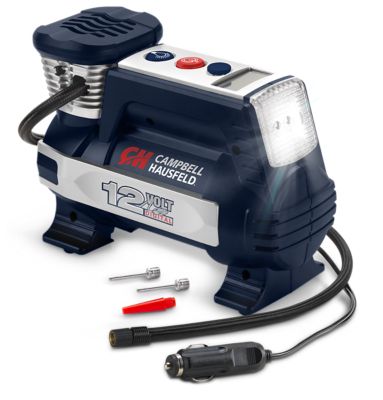
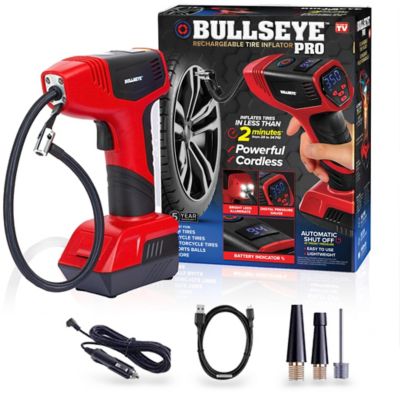
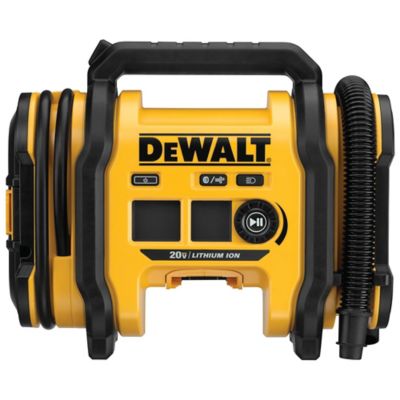
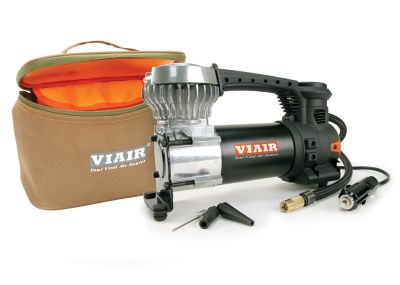
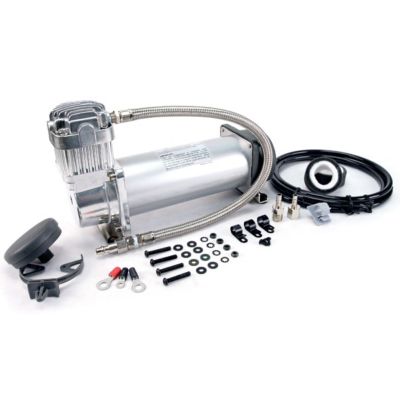
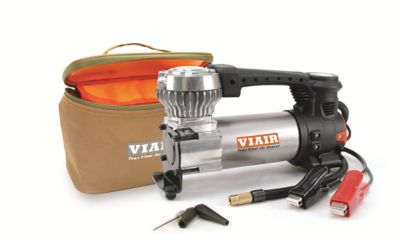
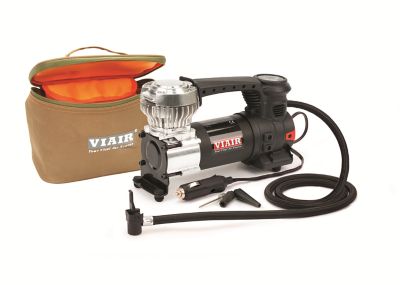
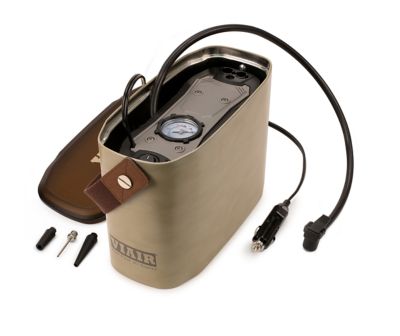
An air inflator is a compact powered pump that adds air to tires, sports balls and other compatible inflatables. It puts everyday air pressure checks within reach, whether a pickup is parked beside the barn, a bicycle is waiting by the porch or a wheelbarrow needs attention before the next round of chores. Portable air inflators serve a different purpose than a full-size shop air compressor: their main job is filling and topping off rather than running air tools. That smaller footprint makes them handy for drivers, acreage owners, cyclists and families hauling gear between home, practice and the campsite. The right fit depends on what needs air, how much pressure it requires and where the work happens. A passenger-car tire, a narrow bicycle tire and an air mattress call for different combinations of pressure and airflow. Maximum pressure, measured in pounds per square inch, or PSI, describes a pump’s pressure capability, but it does not tell the whole story about filling speed. Airflow and the size of the tire matter, too. A small pump may handle routine tire top-offs comfortably while taking considerably longer to fill a large tire from nearly empty. High-pressure tire inflation and high-volume filling are also different jobs; mattresses and larger recreational inflatables generally call for substantial airflow at low pressure. Some inflators have separate modes and hose connections for those tasks, while others focus on tires and smaller inflatables. For a household with bicycles, a utility trailer and a riding mower, compatibility across several valve types can matter more than the highest PSI printed on the housing. Larger truck, agricultural and equipment tires deserve particular attention to the inflator’s stated capabilities, operating limits and power requirements. A portable pump can be a useful companion for upkeep, but it is not a substitute for tire repair when a puncture, damaged valve or other problem keeps letting air escape. Matching the pump to the work helps keep a simple chore from turning into a long wait beside the driveway.
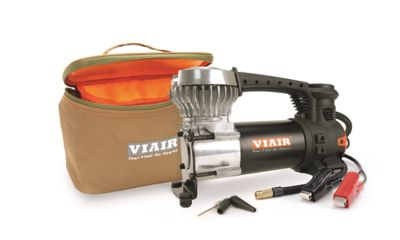
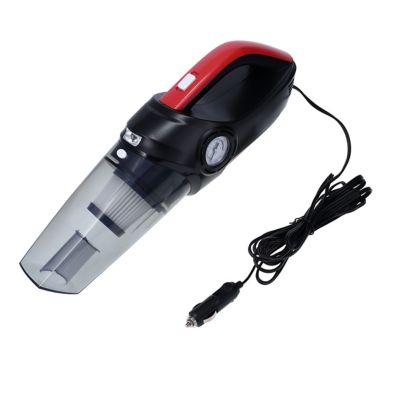
Power source shapes where an air inflator earns its keep. A 12-volt inflator connects to a compatible vehicle power outlet, making it a practical choice for routine tire checks away from the garage. Cord length and hose reach matter on longer pickups and trailers, since the connection needs to reach each valve without pulling tight. The vehicle outlet’s electrical rating must also meet the pump’s requirements; not every outlet can support every inflator. An AC-powered design suits work near an appropriate household outlet, while a battery-powered inflator offers freedom from a vehicle cord for tasks around the property.
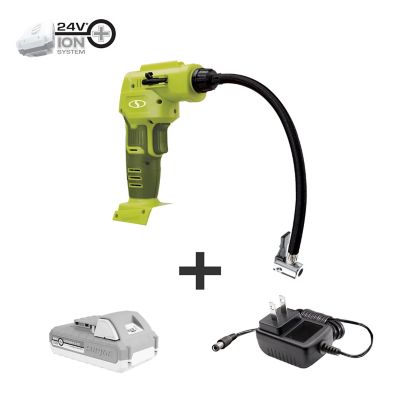
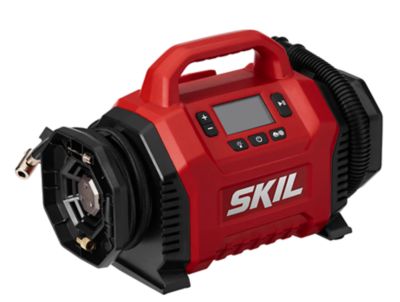
Rechargeable Tire Inflators are worth a look for carrying air power from the shed to the driveway or out to a bicycle parked along a fence line. Battery capacity, charging time and operating temperature limits help determine how well that setup fits the routine. For designs with removable batteries, the battery and charger must match the specified platform; a similar-looking connection does not guarantee compatibility. Multiple power options can add flexibility, though the supported connections vary by design. Controls and visibility make a difference as well. A readable digital display can simplify pressure checks, and selectable units help match the reading to the equipment’s pressure specification. Preset pressure settings with automatic shutoff stop inflation at a selected target, reducing the need to watch the display continuously, though they do not replace choosing the correct pressure or keeping an eye on the task. A built-in work light can help illuminate a valve tucked beneath a fender as daylight fades, but it is no replacement for a safe place to park. For vehicle tires, the cold inflation pressure on the vehicle placard or in the owner’s manual is the reference, rather than the maximum pressure molded onto the tire sidewall. Cooler weather can bring lower tire pressure readings, making periodic checks especially useful before a commute, a feed run or a longer drive with the family.
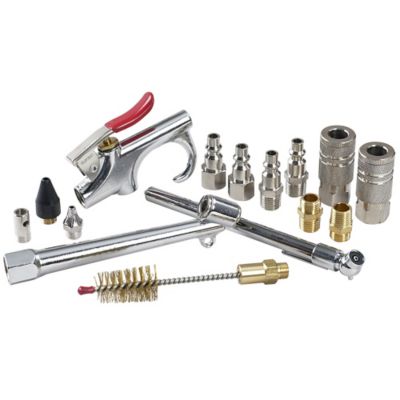
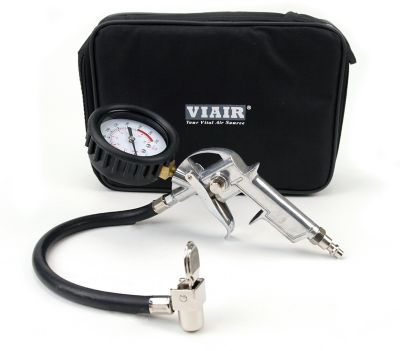
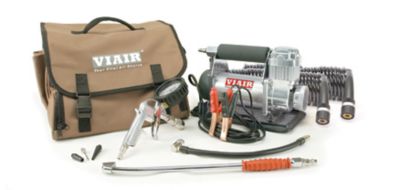
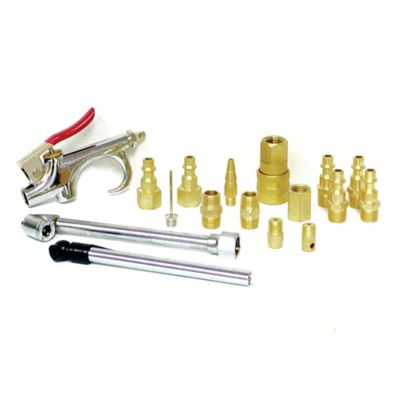
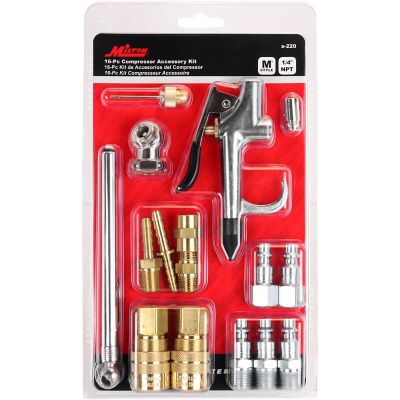
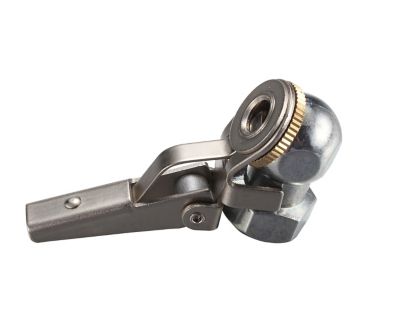
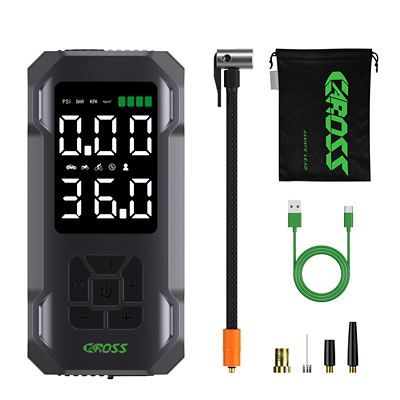
The parts that get handled every time often have the biggest effect on everyday convenience. A threaded connector screws onto a compatible valve, while a lever-style air chuck clamps into place; either needs enough clearance around the valve stem to seat properly. Standard automotive Schrader valves, bicycle Presta valves and inflation ports on recreational gear may need different fittings. Inflation needles serve sports balls, and tapered nozzles fit certain low-pressure inflatables, so the included attachment types should match the intended tasks. Hose flexibility matters when a valve sits at an awkward angle, particularly during cooler weather when some materials become stiffer. Reinforced hose construction, protected connection points and a sturdy housing help an inflator stand up to repeated handling around the garage or farm. Molded polymer housings keep carrying weight manageable, while metal components in the pump assembly can help manage heat during operation. Neither material alone tells the full story about service life; assembly, cooling and operation within the stated limits matter just as much. Rubber feet can reduce movement on a hard surface, and a carrying handle or fitted case makes the pump easier to move and put away. Built-in storage for cords, hoses and adapters helps keep small parts together instead of scattered across a toolbox drawer. Care is straightforward but important: air vents need room to breathe, fittings need to stay free of grit, and hoses and cords should not be pinched beneath heavier gear. Pumps can become hot during operation, so the stated duty cycle—the permitted running time followed by a cooling period—matters for longer inflation jobs. Dry storage and battery care within the manufacturer’s temperature recommendations also support long-term performance. An air inflator makes a practical gift for a new driver, a cyclist or someone tending a busy property, especially when its power connection and attachments fit equipment they already own. From checking trailer tires before hauling supplies to getting a ball ready for the backyard, the appeal is simple: manageable size, suitable power and the right connections for the work close at hand.