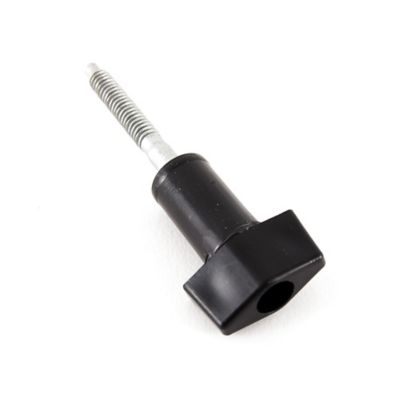
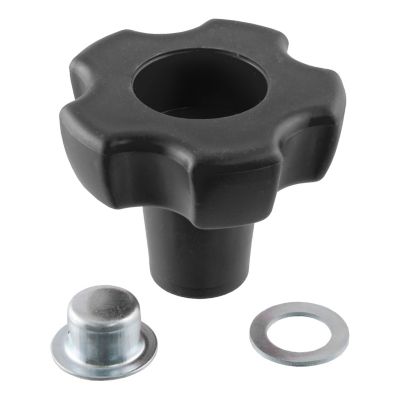
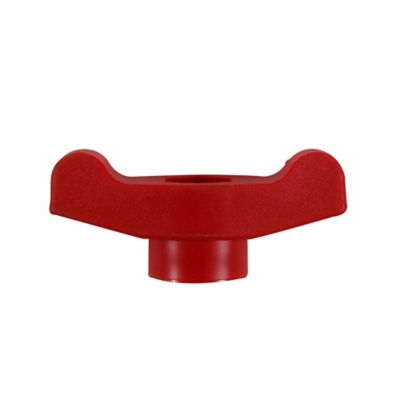
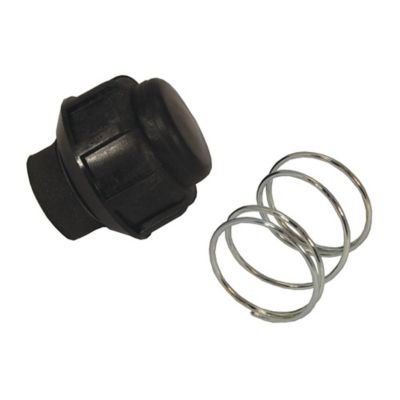
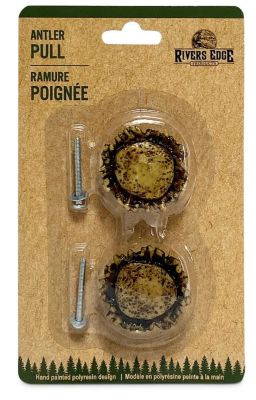
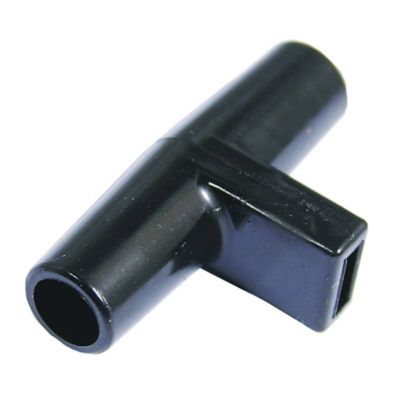
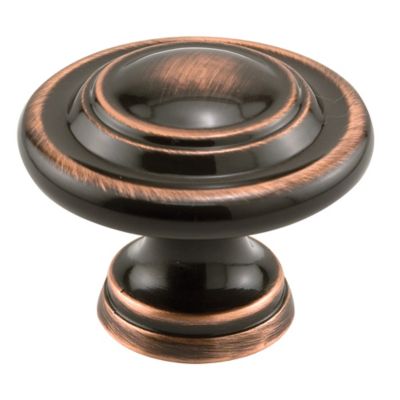
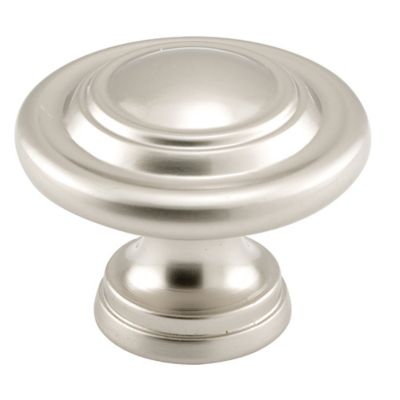
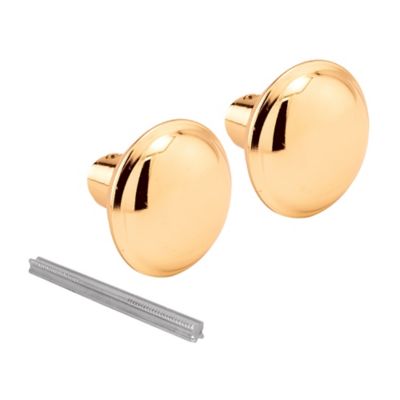
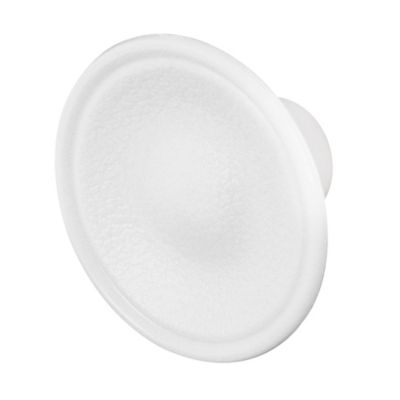
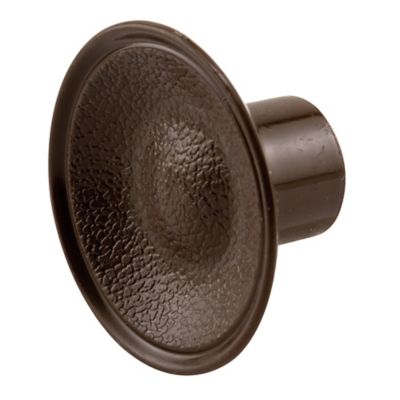
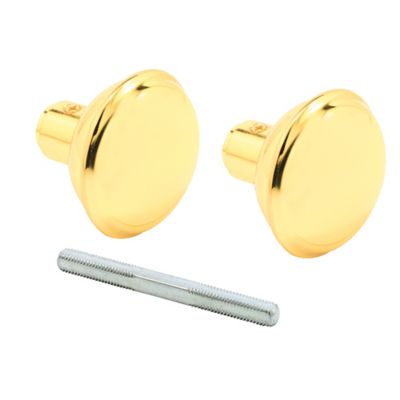
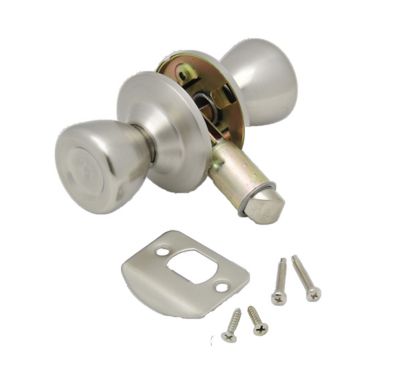
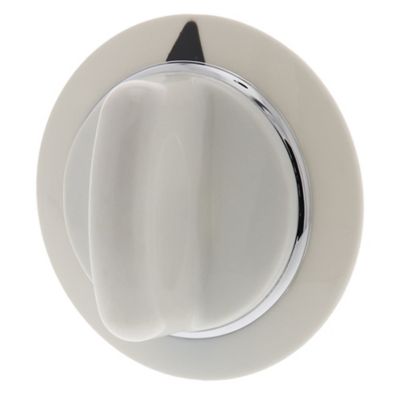
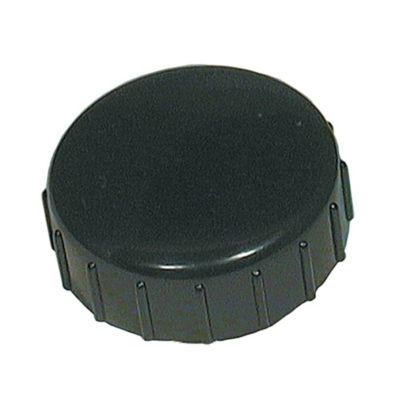
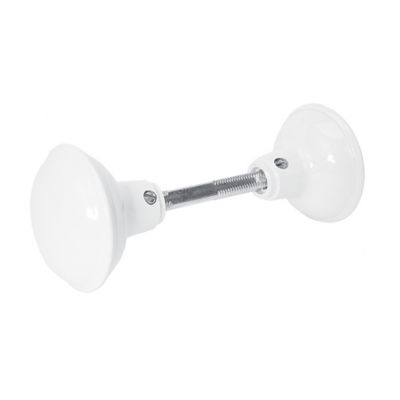
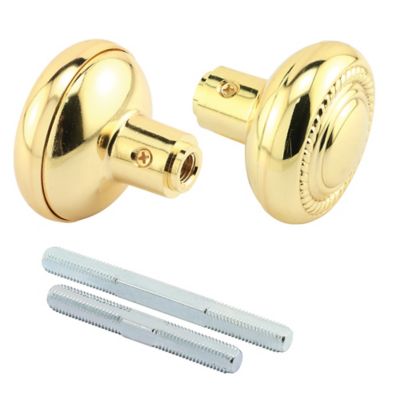
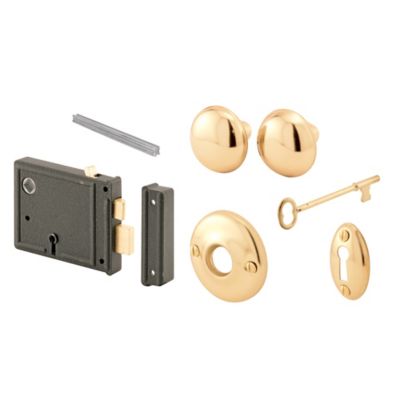
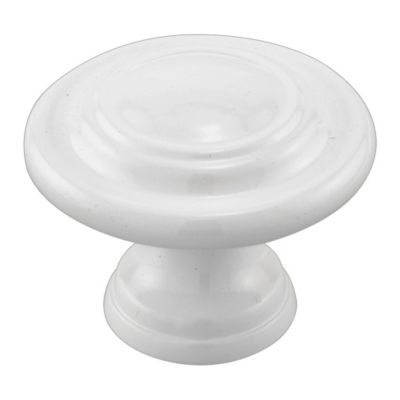
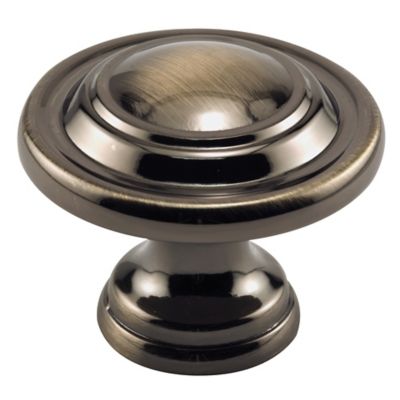
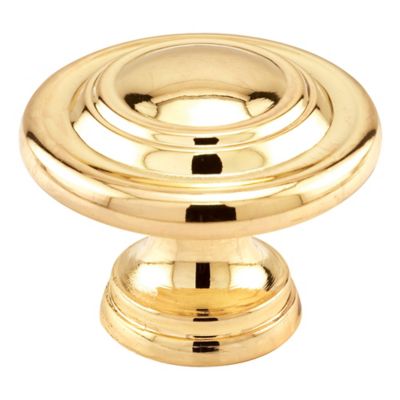
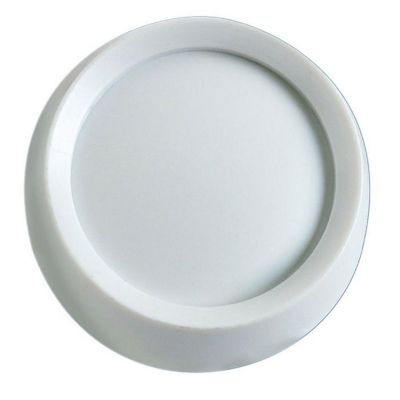
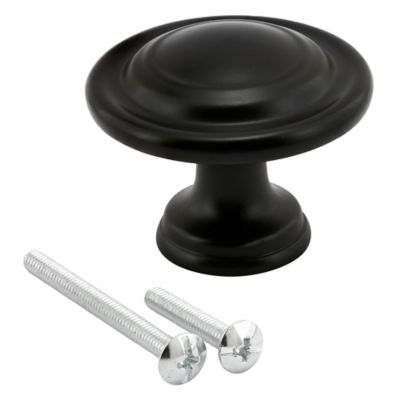
Replacement knobs help bring clear, comfortable control back to a stove, range, oven, cooktop, grill, heater, or piece of farm equipment when an original knob is cracked, missing, loose, or hard to read. A small part can make a big difference in a busy kitchen or shop. When a knob slips on its shaft, turns without changing the setting, or has markings that have worn away, everyday tasks can become frustrating, especially when you are cooking supper after a long day outdoors. Replacing the knob is often a straightforward way to restore a firm grip and make settings easier to see. Before shopping, look closely at the appliance or equipment and gather the brand, model number, and part number if they are available. These details help narrow the choices and can prevent the hassle of ordering a knob that looks right but does not connect properly. It also helps to decide whether you need one replacement or a full set. A single knob can make sense when one control has failed, while a matching set may be the better choice when several knobs show wear or when you want the controls to have the same appearance. For a gift, replacement knobs can be a practical pick for someone setting up a first kitchen, fixing up a hunting cabin, or keeping an older range ready for family meals. They are small enough to tuck into a tool drawer or care package, yet useful when a missing control is holding up an entire appliance.
The shaft shape is one of the most important details to check. Pull the old knob straight off, with the appliance turned off and fully cool, then inspect the metal post underneath. Many stove and range controls use a D-shaped shaft with one flat side, though round shafts, splined shafts, and other forms are also found. Shaft diameter can vary, so compare the post with the product information instead of relying on appearance alone. Universal replacement knob sets often include several adapters to work with common shaft shapes and sizes, making them useful when the original part is no longer easy to locate. An original equipment manufacturer, or OEM, knob is made for a particular appliance line and may provide the closest match for the fit, markings, color, and control range. Check that the replacement sits at the same height as the other controls and turns through the proper range without rubbing against the panel. A knob should slide into place with steady pressure; forcing it can damage the insert or the control shaft. Look for a sturdy insert, especially a metal-reinforced insert inside a plastic body, since repeated turning can place stress on that connection. The outer material should feel comfortable in the hand and stand up to the heat and routine handling expected around the appliance, while the markings should be easy to read in the kitchen’s usual light. Black, white, stainless, and chrome finishes are common choices, but matching the surrounding controls and panel usually gives the cleanest result.
Installation is generally simple, but careful handling matters. Disconnect power or shut off the fuel supply when the appliance instructions call for it, remove the old knob without twisting the shaft, and wipe away grease or dust before placing the new one. Never install a control that is loose, cracked, or difficult to turn, and do not operate an appliance if the knob does not point to the intended setting. After installation, turn the control gently and confirm that the indicator lines up with off, low, medium, high, or any other marked position. For gas equipment, watch for signs of a control problem beyond the knob itself and have service completed by a qualified technician when needed. Keep the model information and a spare knob in a labeled drawer so a future repair is less of a chore during the cooler months, when the range, oven, and shop equipment often see extra use. Replacement knobs can also sit alongside other small maintenance parts, including
Replacement Bearings, in a well-organized repair area. Whether the part is headed to a family kitchen, a camper, a barn office, or a country workshop, choosing the correct shaft style, size, finish, and control range helps keep daily work moving smoothly.