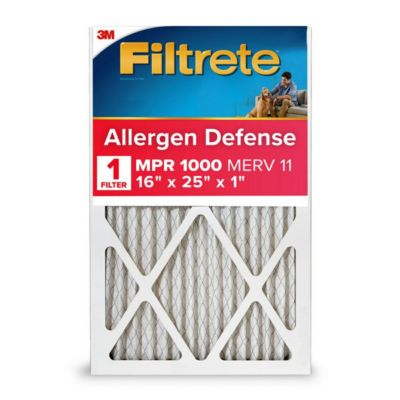
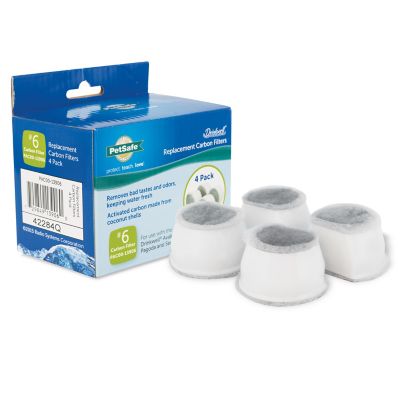
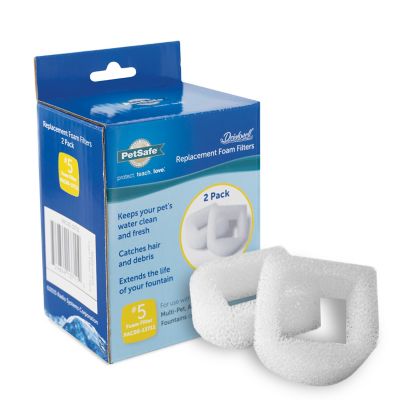
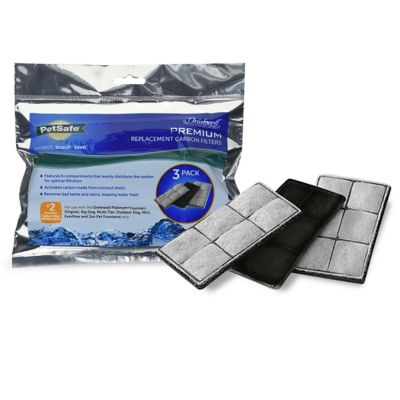
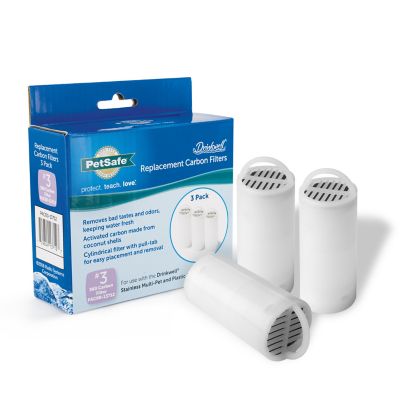
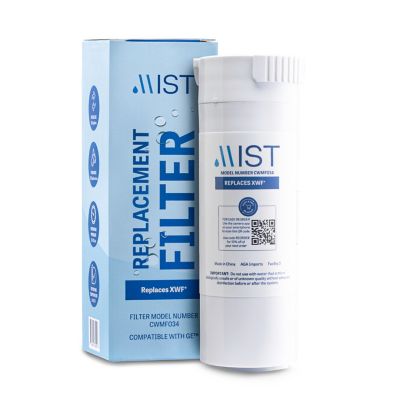
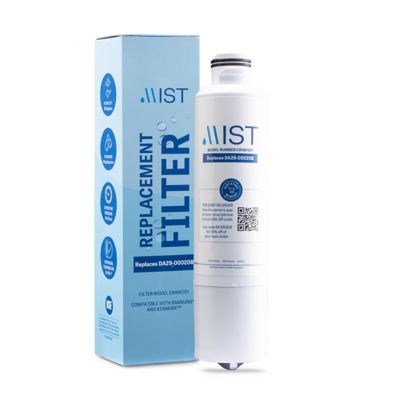
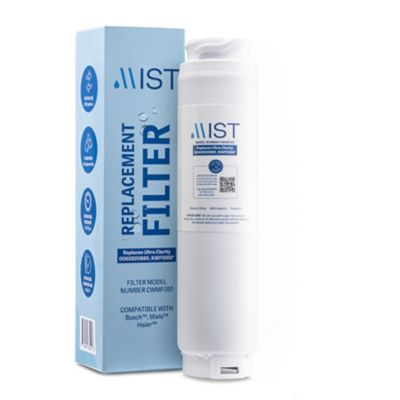
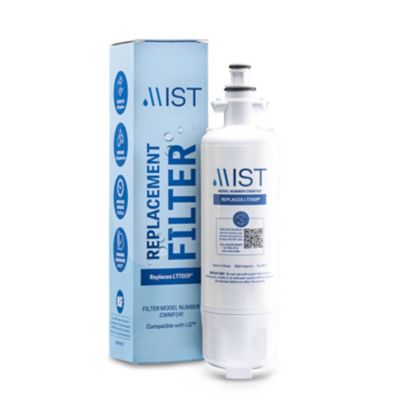
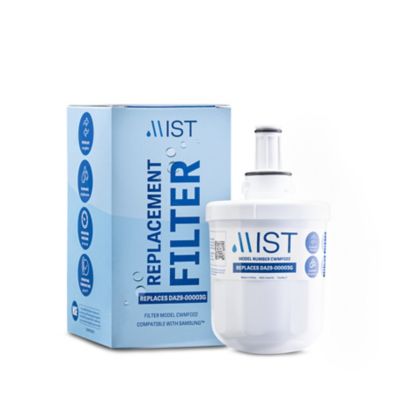
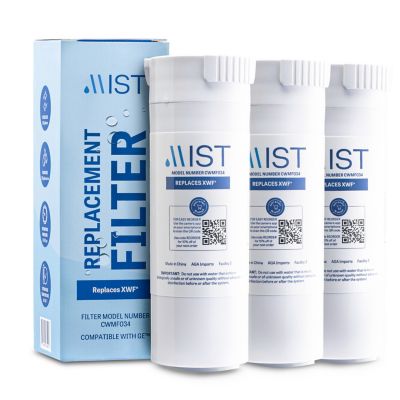
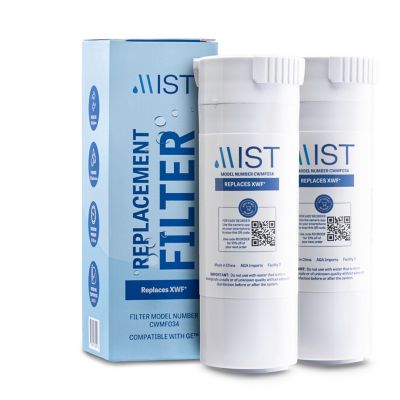
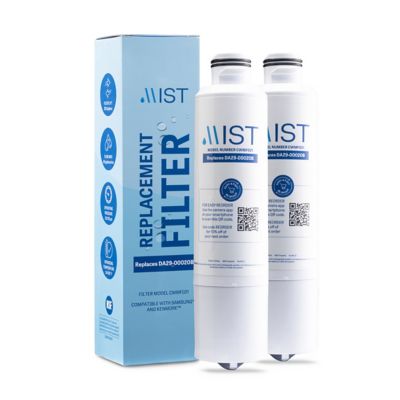
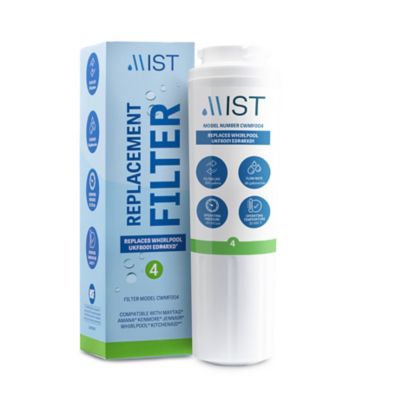
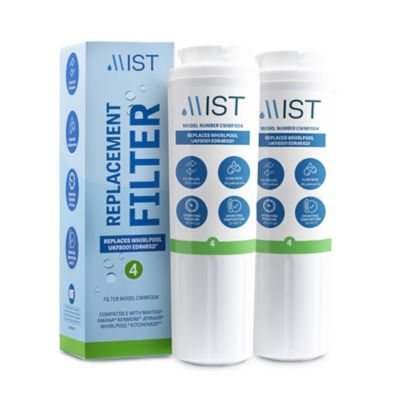
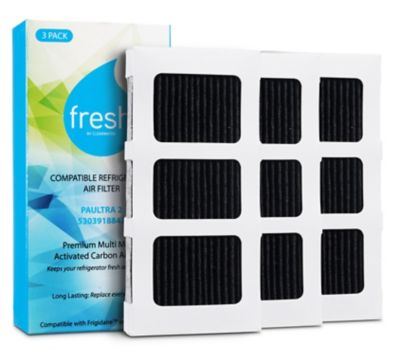
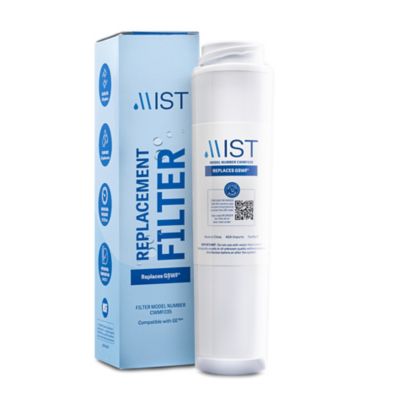
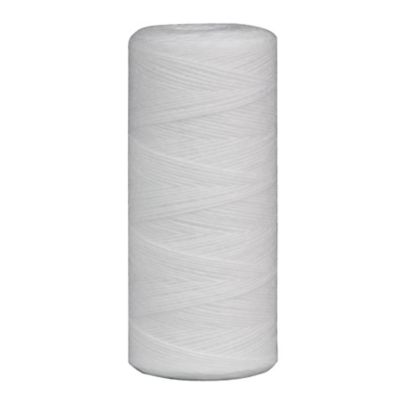
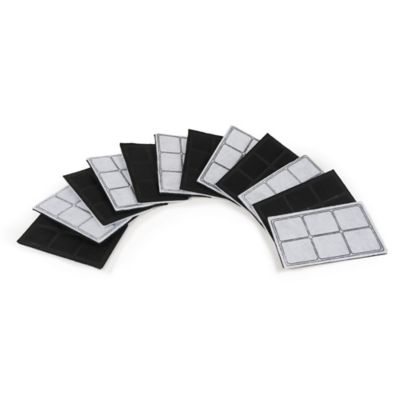
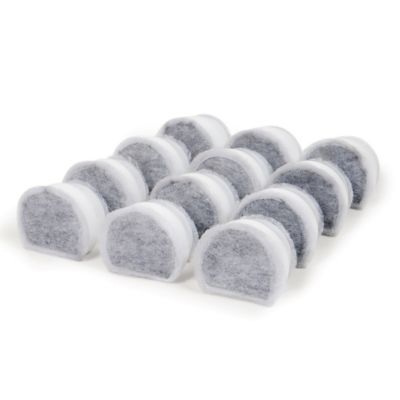
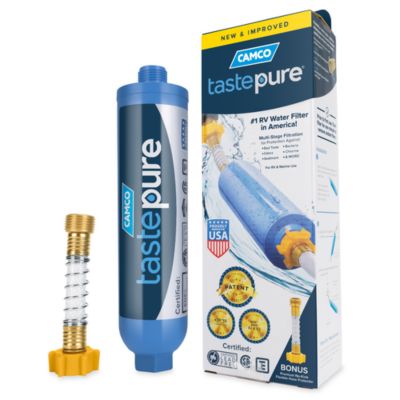
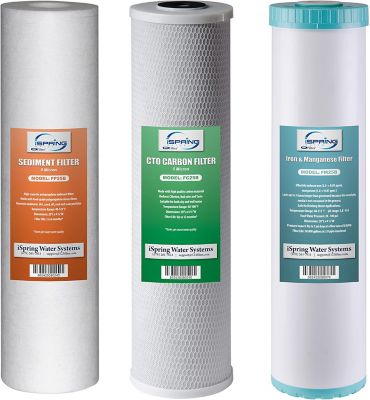
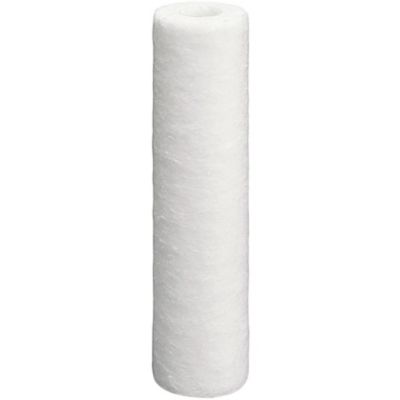
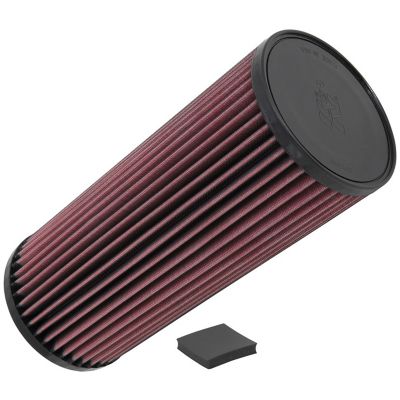
Replacement filter cartridges help keep water moving through a home, barn, shop, RV, or other water system with less sediment and fewer unwanted particles reaching faucets and fixtures. They are often installed in whole-house filter housings, under-sink systems, drinking water setups, ice makers, and other point-of-use equipment. Rural homes with private wells may see changes in water clarity after heavy rain, spring runoff, repairs, or periods of high water demand, while municipal water can also carry pipe scale or fine particles that a cartridge is designed to catch. The right replacement depends on the system and the water entering it, so start by checking the cartridge dimensions, connection style, flow rating, and filtration level listed by the equipment maker. Common options include sediment cartridges for sand, silt, rust, and visible grit; carbon cartridges for improving taste and odor; and multi-stage or specialty cartridges intended for particular water concerns. A lower micron rating can capture smaller particles, but it may also clog sooner or reduce flow when the incoming water carries a heavy sediment load. For well owners, browsing
Well Water Filter Cartridges can help narrow the selection for a private water system. When the water source has a strong odor, staining, or a recurring issue, testing the water and matching the cartridge to those results is a smart step. Filtration cartridges are not a substitute for disinfection or a complete treatment plan, and no single cartridge addresses every water concern. Pay attention to the filter’s stated purpose rather than choosing by appearance alone, especially when the cartridge will supply drinking or cooking water.
A cartridge is generally ready for replacement when water pressure drops, the flow from a faucet slows, the water develops an unusual taste or smell, or the filter reaches the service interval listed for the system. Heavy sediment can shorten that interval, so a household with a private well may need to check the cartridge more often than a home with relatively clear incoming water. Before starting, gather a replacement cartridge that matches the housing, a filter wrench if the housing requires one, a bucket, a clean cloth, and food-grade silicone grease for the O-ring. Shut off the water supply first, then open a nearby faucet or press the housing’s pressure-relief button to release trapped pressure. Place the bucket beneath the housing, loosen the bowl in the direction specified for that model, and remove the spent cartridge. Empty the water carefully and wash the inside of the housing with warm, soapy water, rinsing away any grit or residue. Inspect the O-ring for cracks, flattening, or debris. Wipe it clean and apply a thin film of food-grade silicone grease so it can seat properly; replace the O-ring if it is damaged or no longer fits securely. Set the new cartridge upright over the centering post, if the housing has one, and confirm that it sits straight before threading the bowl back into place. Tighten it by hand, then give it only the slight additional turn recommended for the housing. Overtightening can make the next change difficult or damage the seal. Slowly reopen the water supply while watching for leaks around the housing. Let a nearby faucet run for several minutes to clear trapped air and, with carbon cartridges, any initial carbon dust. Keep an eye on the connection during the first few minutes, and shut off the supply if water appears around the bowl or fitting.
Replacement cartridges are a practical choice for homeowners, renters with compatible systems, landowners maintaining a cabin, or anyone keeping a workshop and livestock area supplied with cleaner water. They can also make a thoughtful housewarming gift for someone moving into a home with a well, setting up a small homestead, or taking on responsibility for a rural property, particularly when paired with the system’s size and maintenance information. Keeping a spare on hand can prevent a slow faucet or muddy-looking water from interrupting cooking, bathing, laundry, or chores during the cooler months, when muddy driveways, storms, and indoor time can put more attention on the water coming from each tap. Store cartridges sealed in their original packaging in a dry place away from freezing temperatures, direct sunlight, fuel, and strong-smelling chemicals. Before ordering, compare the old cartridge’s length and diameter with the housing specifications, and check whether the system takes a standard size or a proprietary shape. Also confirm the intended installation location, because a whole-house cartridge may have different flow needs than one serving a single drinking-water faucet. A simple maintenance note on the cabinet or filter housing can track the installation date, pressure changes, water appearance, and any service work, making the next replacement easier to plan. With the proper fit, a clean housing, a sound O-ring, and a thorough flush, a replacement cartridge can help a filtration system do its job while supporting everyday routines from filling a coffee pot to topping off a stock tank.