Ranch fences are open, post-and-rail barriers, commonly built with two to four horizontal boards, poles, or metal rails between upright posts. They help mark property lines, divide pasture, frame a driveway, and support livestock management without closing off the view across a place. Wood, vinyl, and steel pipe are common materials for ranch-style fencing, while wire can serve as a separate fence or add containment behind the rails. The right arrangement depends on what happens along that stretch of ground. A fence bordering the lane to the house has a different job than one separating horses from a hayfield or keeping cattle out of a working area. Along a driveway, consistent rail spacing and a well-proportioned entrance may matter most. Around livestock, fence height, opening size, strength, and visibility deserve more attention than appearance alone. A three-rail fence can draw a clear boundary, but its open spaces may not contain smaller animals or young stock without suitable infill. Sheep and goats generally need a different approach than mature cattle, and horses benefit from fencing they can see clearly with no sharp projections or loose sections. Animals that lean, rub, reach through openings, or test a fence put different demands on the rails and posts. That makes the intended occupants just as important as the length of the property line. On acreage with several uses, matching the fence to each area often makes more sense than carrying one design everywhere. The stretch beside a front pasture might call for broad, visible rails, while a separate enclosure needs closer spacing or mesh suited to the animals inside. For ranchers, horse owners, hobby farmers, and folks keeping a few head behind the house, a sound fence layout supports everyday chores while keeping grazing areas, access lanes, and working spaces clearly separated.
Material choice affects how ranch fences look, how they handle contact, and how much attention they need over time. Wood offers a familiar farm-fence appearance, with board and round-rail styles that suit everything from a small paddock to a long roadside boundary. Wood species, treatment, rail dimensions, and suitability for ground contact all influence service life. Posts carry much of the load, so their size and condition matter even when the rails still look sound. Splintering, chewing, loose fasteners, and decay near the ground are worth considering wherever animals spend time against the fence. Vinyl provides a clean-lined post-and-rail look without the same painting demands, but rail construction, connection design, and the manufacturer’s stated purpose determine whether a system suits a livestock enclosure or a boundary with little animal contact. A fence made mainly for appearance should not be treated as livestock containment simply because it has a ranch-style profile. Steel pipe brings a substantial feel to working areas and other locations where strength matters, though joints, surface finishes, and protection against corrosion remain important. Rail placement and finished edges also affect animal safety, especially near feeding spots and narrow passages.
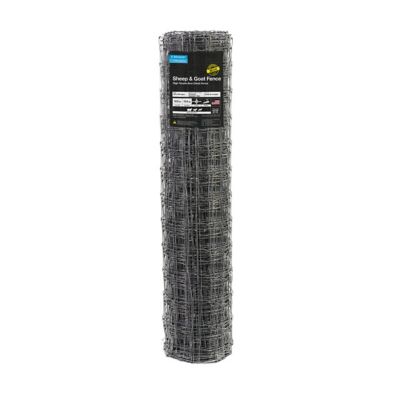
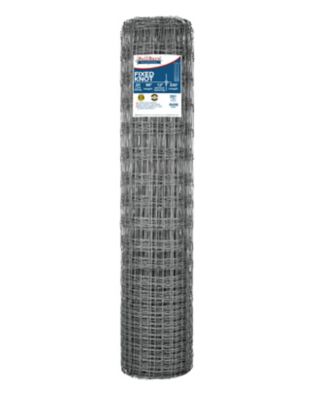
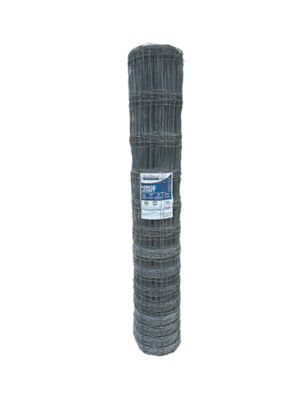
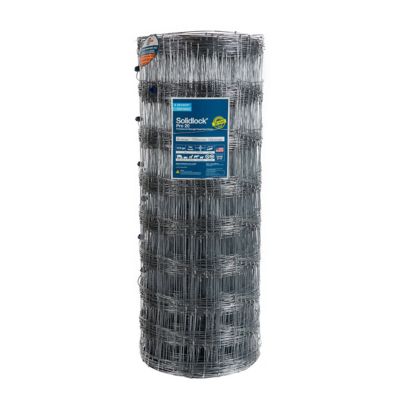
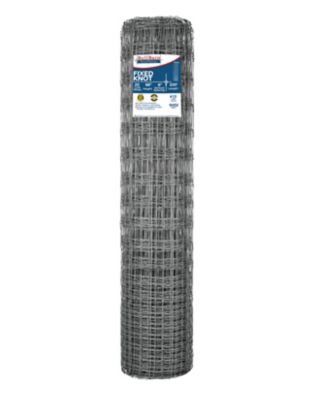
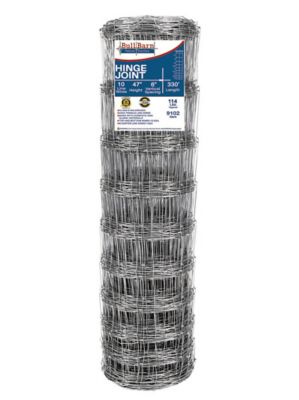
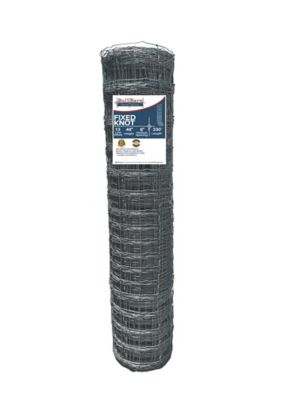
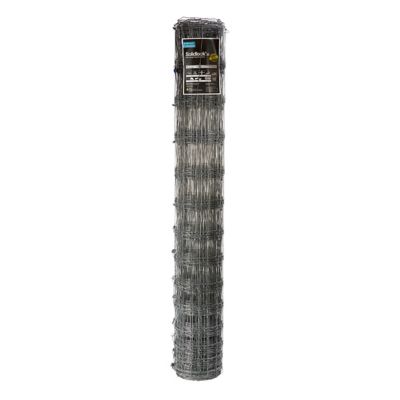
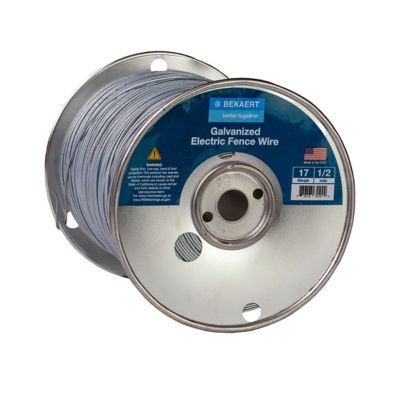
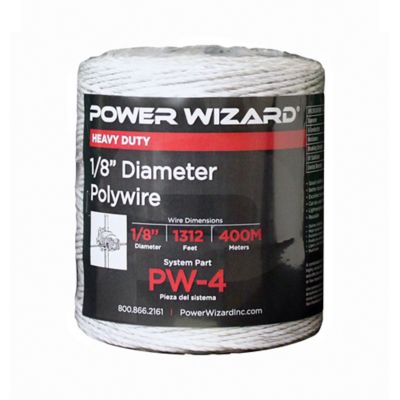
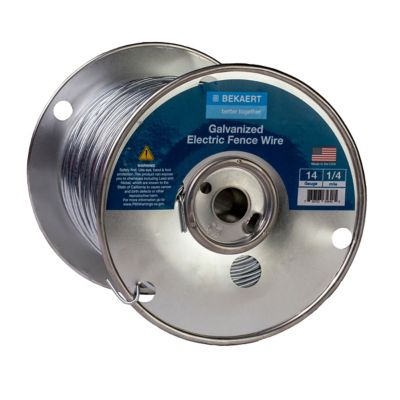
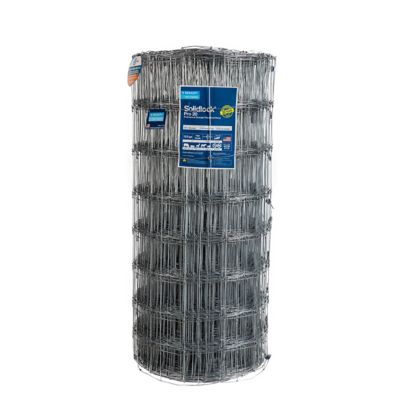
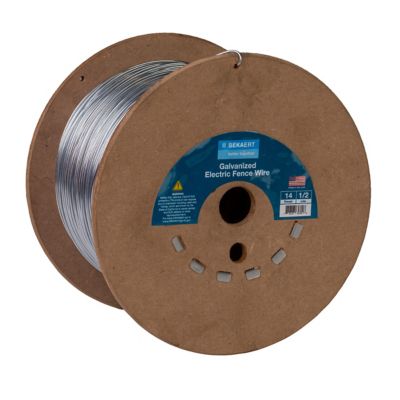
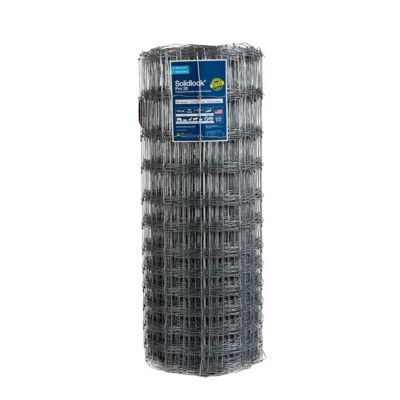
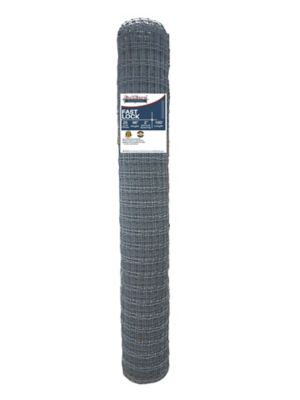
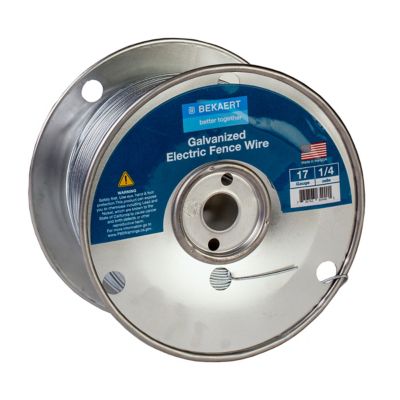
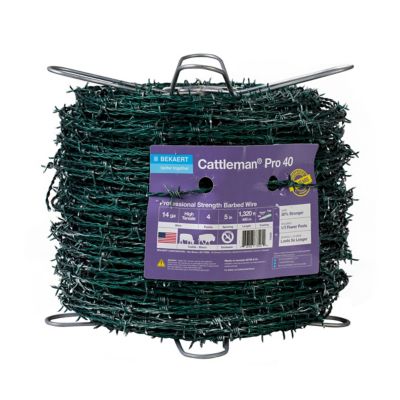
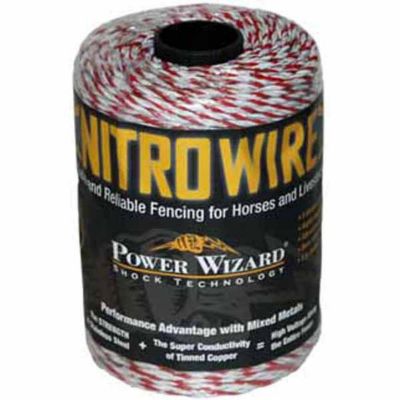
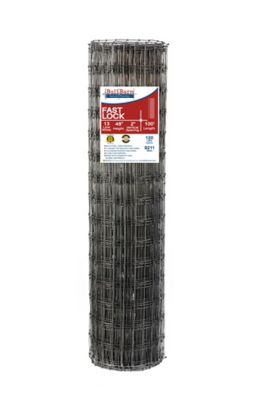
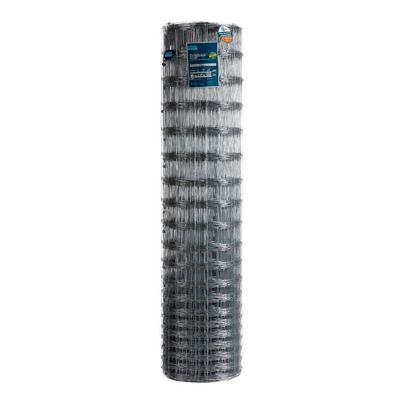
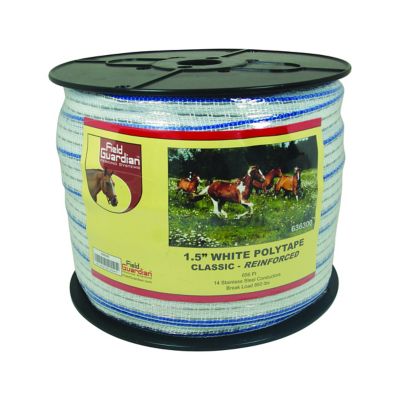
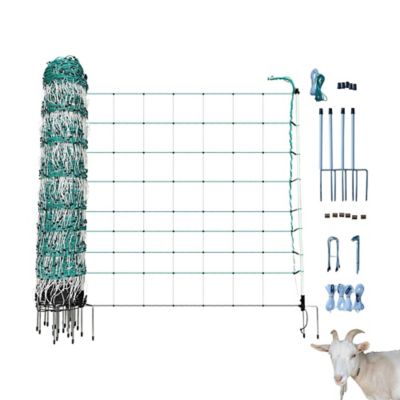
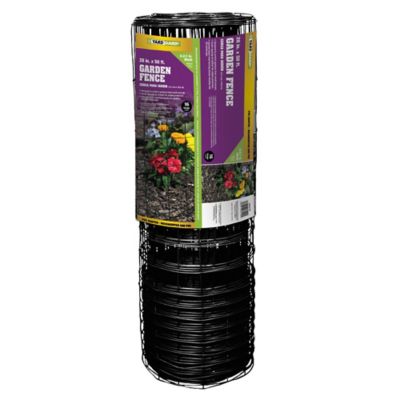
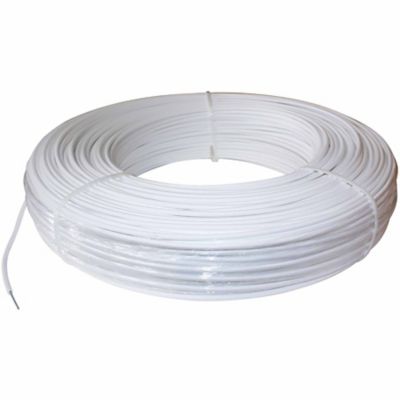
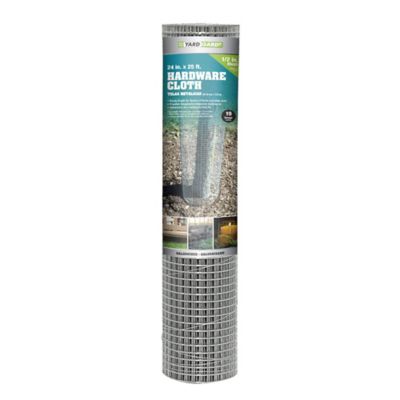
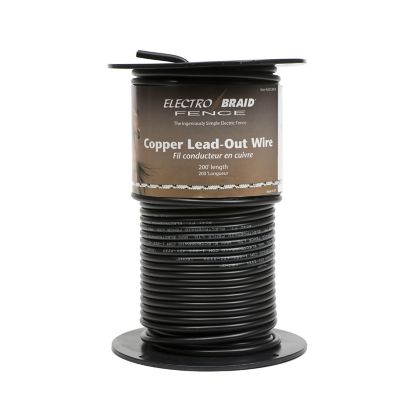
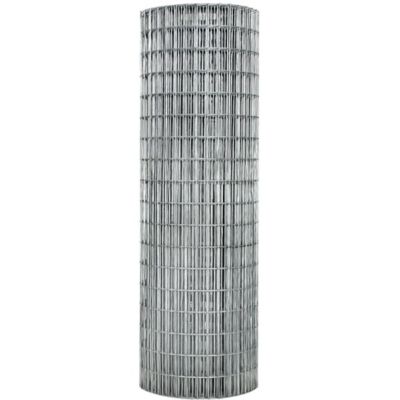
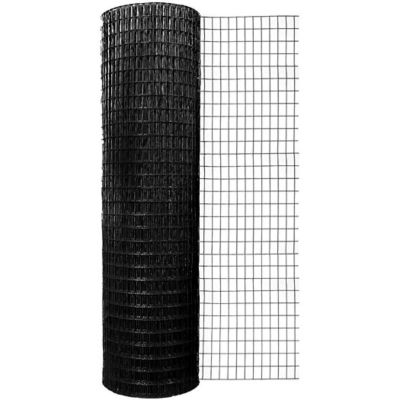
Fence Wires can serve as the main barrier or work alongside rails, depending on their construction and the animals involved. Woven wire offers a network of openings, while high-tensile systems depend on proper tension and strong end and corner assemblies. Mesh opening size deserves particular care around hooves, heads, and horns; a layout that suits one kind of livestock may create a trapping risk for another. Electrified strands can discourage contact where appropriate, but they require a compatible energizer, proper grounding, and attention to vegetation and connections. Electrification does not make an otherwise unsuitable fence right for every animal. Visibility matters here, too, particularly for horses, and smooth, visible fencing is generally preferable to barbed wire around equine areas.
The fit of a ranch fence is about the property as much as the material. Straight runs, rolling ground, corners, and entrances all affect how the finished line comes together. Rails that follow a slope create a different appearance and ground clearance than sections arranged in steps, and gaps beneath the fence can matter when smaller livestock share the pasture. Post spacing needs to suit the rail length, material, and expected load rather than appearance alone. Gate openings deserve the same thought as the fence itself: a passage that works for a person leading a horse may be too tight for a tractor pulling an implement. Room for a trailer to turn, a gate to swing clear, and livestock to move without crowding can make daily chores go more smoothly. Hardware fit matters, too, since hinges, latches, posts, and adjoining rails need to work together without sagging or leaving troublesome gaps. An entrance near a road also calls for clear sightlines and enough space to stop safely off the travel lane. Before a fence line is set, confirmed property boundaries, easements, local requirements, and underground utilities help establish where it belongs. Over the life of the fence, regular attention protects both its function and its appearance. Loose boards, protruding fasteners, leaning posts, damaged mesh, and gates that drag are more than cosmetic concerns when animals share the space. Wood may need an appropriate finish and replacement of compromised sections; vinyl needs cleaning and checks for cracked or displaced components; metal benefits from attention to damaged coatings, connections, and corrosion. Corners, gateposts, and spots where livestock gather often deserve the closest look because they carry extra strain. A fence beside a water trough or feeding area may see far more contact than a quiet stretch along the back pasture. Ranch fencing earns its place through that everyday work: defining the ground, helping direct livestock, and giving people room to move equipment and get chores done. Matching the material, layout, and upkeep to those jobs helps a fence remain a useful part of the property for years.