Fencing For Farms
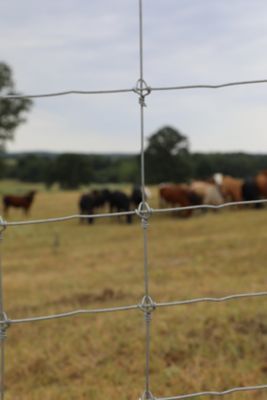
Find fencing for farms to help manage livestock, mark property lines, and divide pastures. Explore farm fencing options with your animals, acreage, and layout in mind, whether you’re planning a new fence line or updating an existing one.
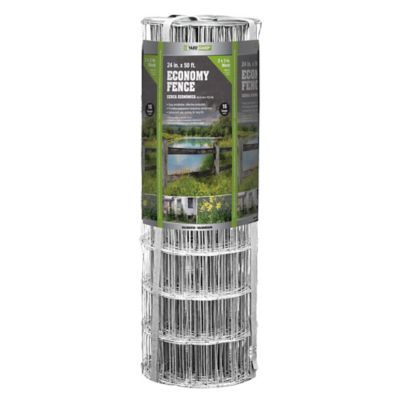
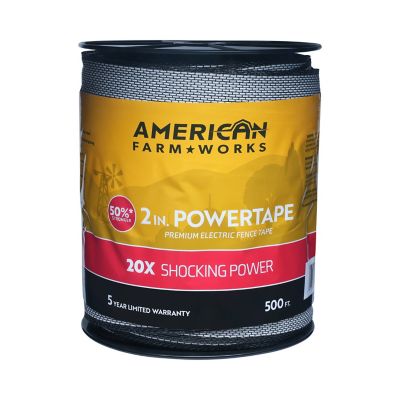
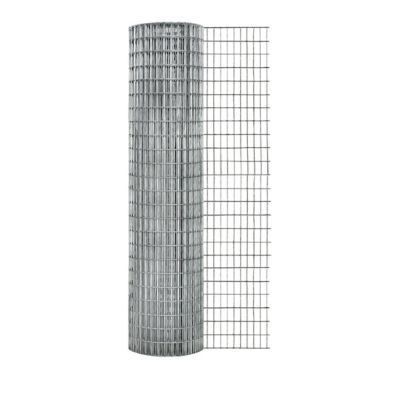
Best Of FAQ
What’s the difference between perimeter fencing and cross-fencing on a farm?
Perimeter fencing follows the outside boundary of a property or pasture. Cross-fencing divides the land inside that boundary into separate areas, such as paddocks, crop sections or livestock lots.
How do permanent and temporary farm fences differ?
Permanent fencing stays in a set location as part of your farm’s layout. Temporary fencing is set up for changing arrangements, such as seasonal pasture divisions or rotating grazing areas.
What’s the difference between woven wire and welded wire fencing?
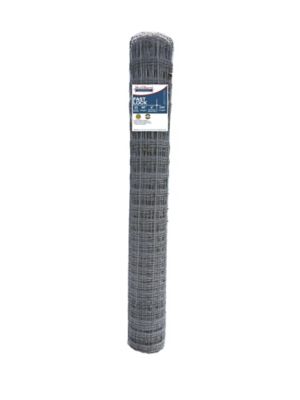
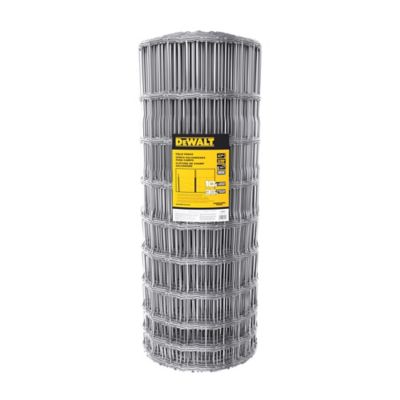
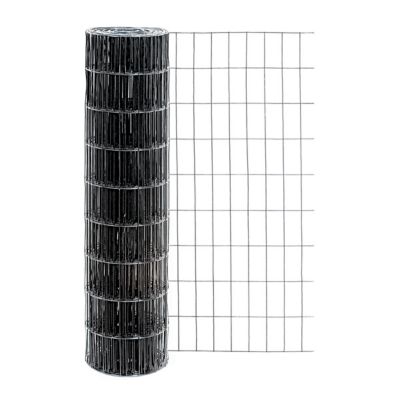
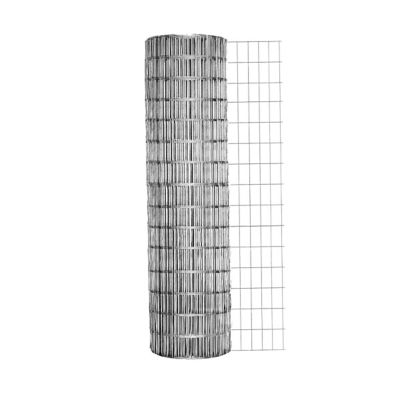
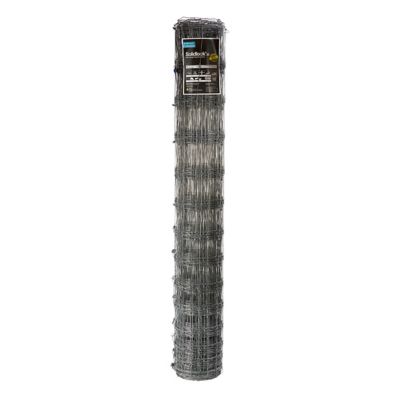
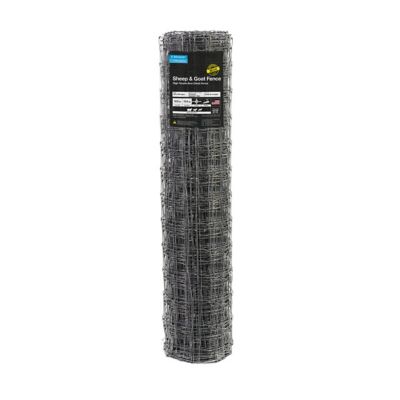
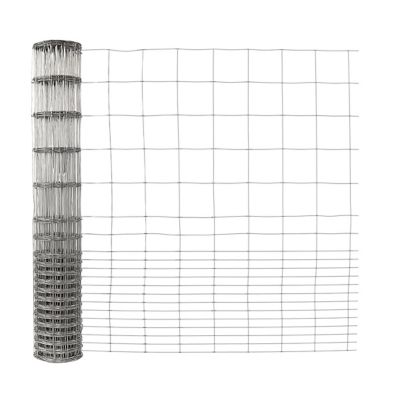
Woven wire fencing has horizontal and vertical wires joined by knots or wraps. Welded wire fencing has wires joined at their intersections by welds. The names describe how the fence fabric is put together.
What parts make up a farm fence?
A farm fence generally includes posts, fencing stretched or attached between them, and connection hardware. Corners, ends and gate openings may also have braces. The exact parts depend on the fence style and layout.
Where do gates fit into a farm fencing plan?
Gate locations usually follow the routes between pastures, barns, lanes and work areas. Start by mapping where you move livestock and equipment during daily chores, then mark the points where those routes cross a fence line.
Best Sellers
-
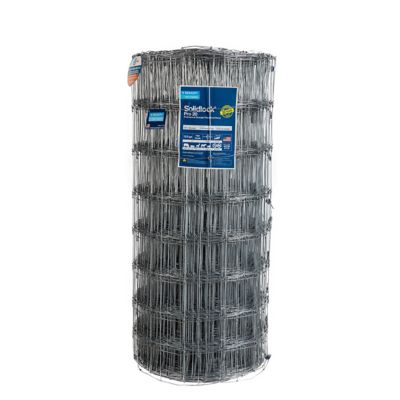
"Great fence at a great price"
-
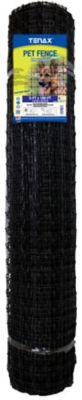
"Great pet fence fabric, easy to work with and from 30’ back you can barely see the fabric"
-
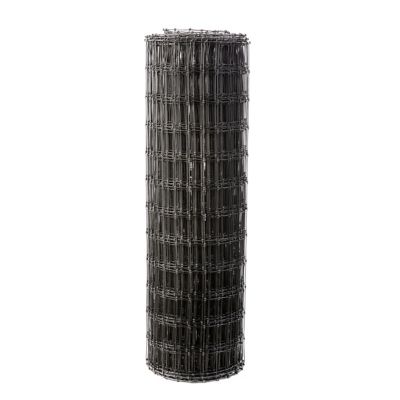
"Love the black finish. Same quality as OK or Red Barn"
-
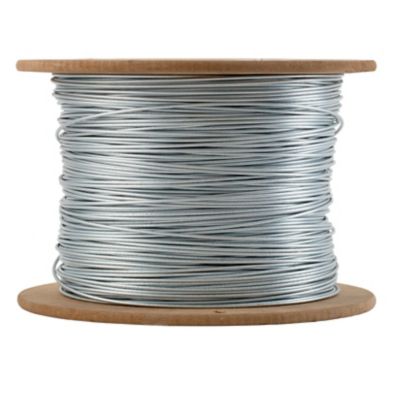
"Great product, very nice staff at Manassas store"
-
"Bought a few of them, love it! Very sturdy and great size and amount for the price"