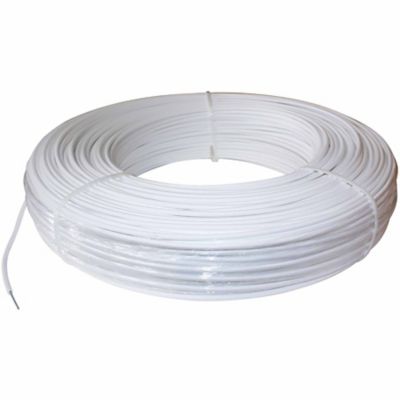
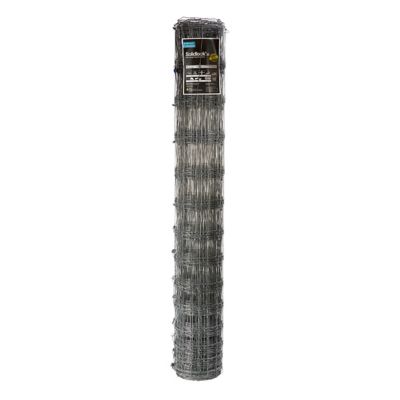
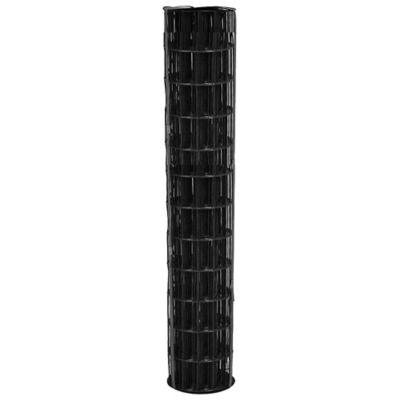
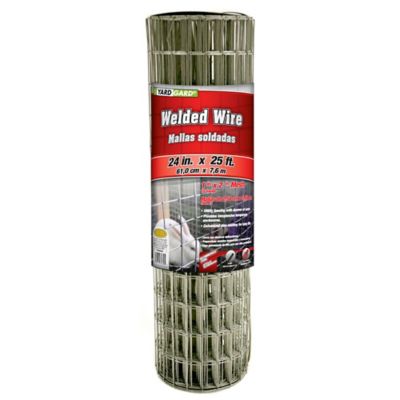
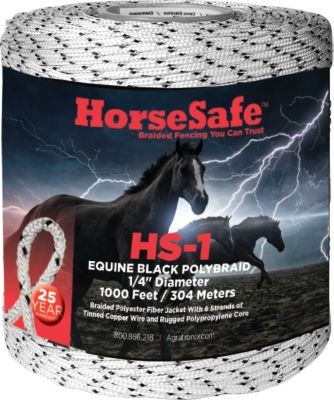
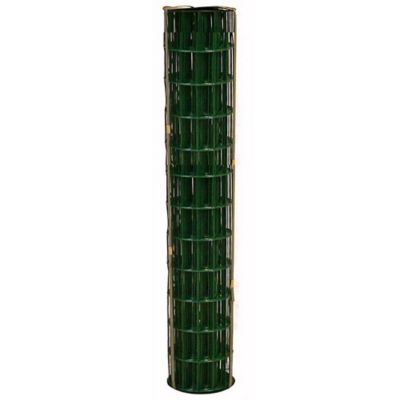
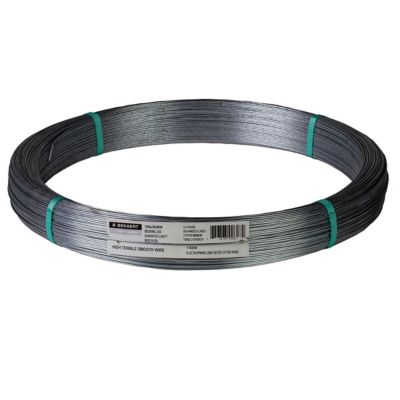
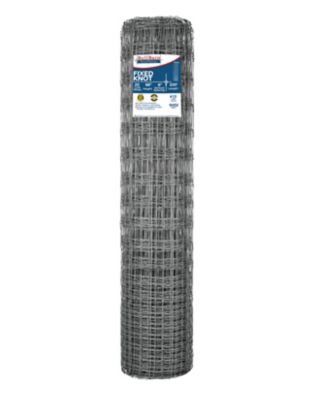
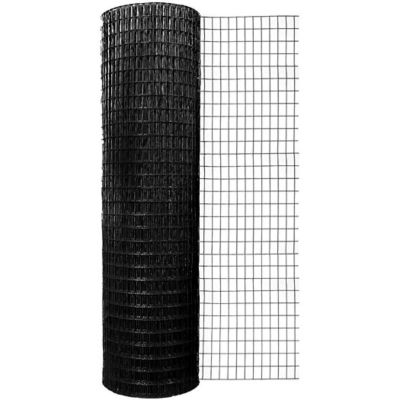
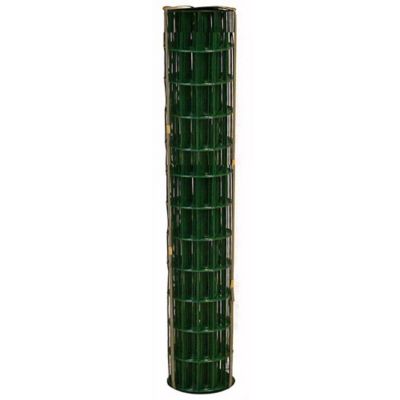
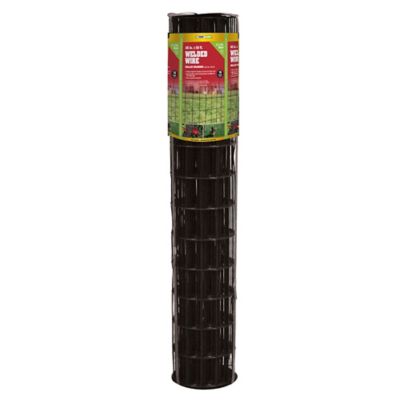
Fence wires help define the working spaces around a farm, pasture, garden, or rural home, from a long stretch beside a hayfield to the smaller enclosure behind the barn. The right match depends on what belongs inside, what needs to stay outside, and how much contact the fence will face. Cattle leaning toward grass across a boundary put different demands on a fence than a garden barrier meant to discourage browsing animals. Smooth wire, barbed wire, and conductive strands each serve different purposes, and their performance depends on the posts, braces, spacing, and connections supporting them. Smooth wire can form part of a tensioned livestock fence or an electric fencing system, while barbed wire is more suited to certain cattle and boundary applications where its sharp points are appropriate. Horse areas call for particular attention to visibility and injury risks; barbed wire generally is not a suitable choice, and a thin, hard-to-see strand may need a more visible companion fence component. Sheep and goats bring another set of concerns, since animals that push through gaps or test the bottom of a fence often need closer spacing or a suitable mesh barrier rather than a few widely spaced strands. Around a vegetable patch, small acreage, or equipment yard, wire may support an existing fence, add a strand above a mesh panel, or help establish a separate enclosure. Across different styles of
wire fences, the important distinction is between the wire itself and the complete barrier it helps create. A stout strand cannot make up for a loose corner post, and extra tension cannot correct a layout that leaves the wrong openings for the animals involved. For ranchers, acreage owners, and folks tending a few animals close to home, that whole-fence view makes it easier to match wire to everyday chores without asking it to do a job it was never meant to handle.
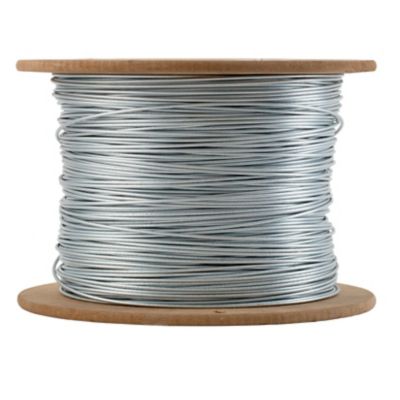
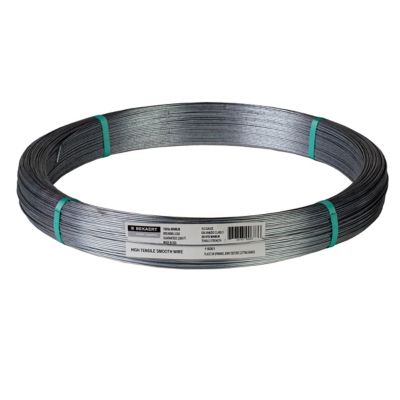
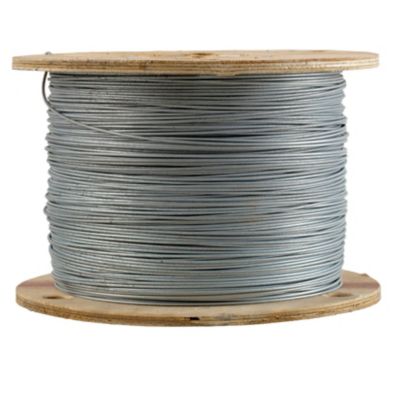
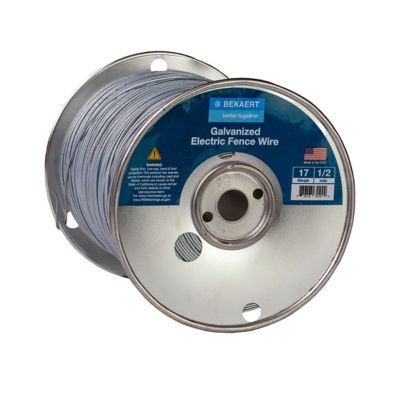
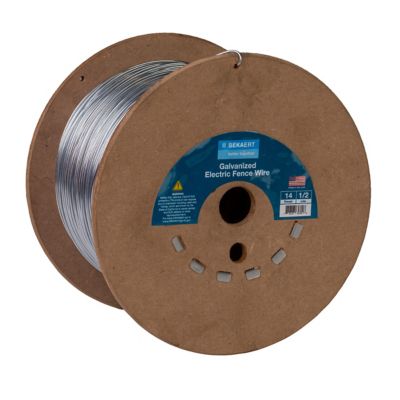
Material, coating, and wire size all affect how a fence handles work over time. Steel is common in agricultural fencing because it offers strength across a range of applications, while galvanized coatings help protect the underlying metal from corrosion. Coating specifications matter, especially where wire comes into contact with damp vegetation, soil, manure, or other conditions that can shorten its service life. Galvanized wire is not rustproof, and damaged coatings or poorly protected cut ends can become trouble spots. Aluminum wire is another option for some electric fence layouts, offering lighter handling and good electrical conductivity, though its strength and stretching behavior differ from steel. Gauge describes wire thickness within a given sizing system, with lower gauge numbers generally indicating thicker wire. Thickness alone does not tell the whole story: tensile strength, metal type, coating, and the intended application all belong in the comparison. High-tensile steel can carry substantial tension with a smaller wire diameter, but it calls for compatible hardware, sound bracing, and careful handling. Softer, lower-tensile wire is generally easier to bend and tie, which can matter when working around posts or making certain repairs, though it may stretch more under a load. Breaking strength is not the same as a recommended working tension, and pulling wire tighter than the fence system allows can damage components or create a hazard. Length is another practical consideration. A straight boundary may look simple from the gate, but each strand adds to the total footage, and corners, connections, and terminations add their own requirements. A fence with several parallel strands needs much more wire than the measured distance between its endpoints. Roll weight and handling also matter when the work stretches across a long pasture or follows a tight line beside an established enclosure. Wire can spring back when released, so controlled payout, suitable tools, gloves, and eye protection are sensible considerations for anyone handling it. Compatibility with existing posts, clips, strainers, and splices helps keep a repair from turning into a larger rebuild.
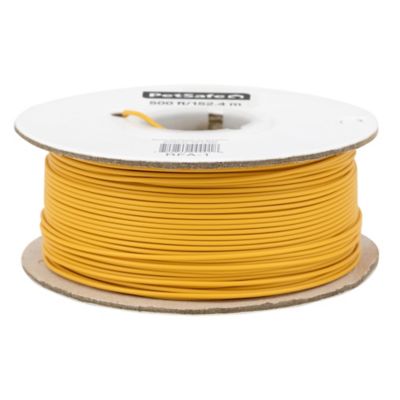
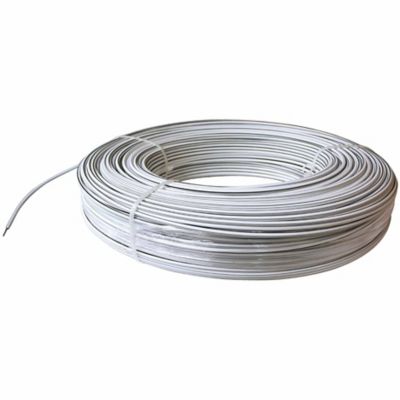
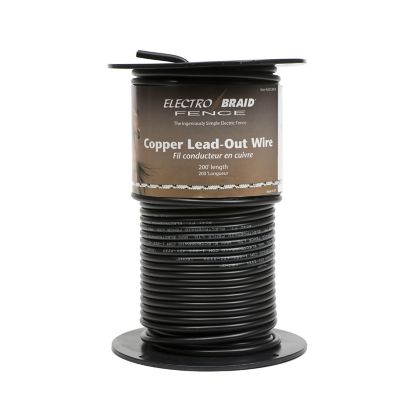
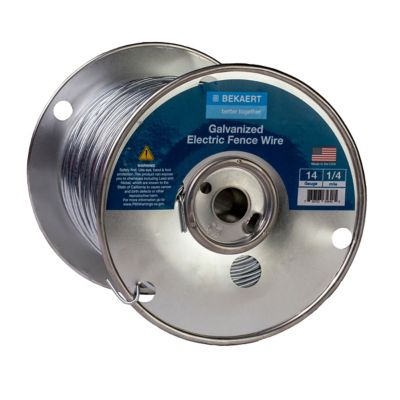
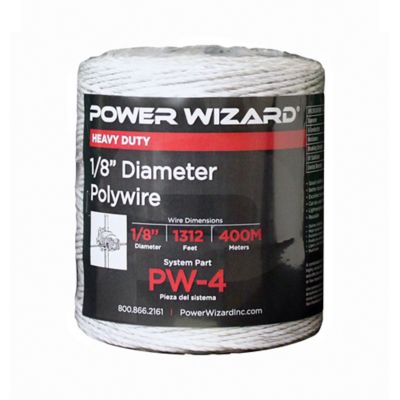
Electric fence wire adds another layer of considerations because it must carry a pulse as well as form part of a boundary. An effective electric fence depends on a compatible energizer, an appropriate grounding arrangement, sound connections, and insulators that keep electricity from leaking into posts or other unintended paths. The conductor’s electrical resistance matters over distance; two wires that look much alike may not carry a pulse equally well along a long run. Conductivity should be considered alongside strength and handling rather than treated as a substitute for either one. Total energized wire length, the number of strands, vegetation touching the fence, and the animals involved all influence the demands on the system. A short enclosure near the barn and a multi-strand pasture perimeter are different jobs, even when both call for electric fencing. Animals also need an appropriate introduction to an electric barrier, and some settings call for a physical fence as well. Where electric strands run alongside another fence, proper separation helps prevent accidental contact and electrical faults. Gates, corners, and changes in direction deserve attention because those are common places for connections, tension changes, and wear to collect. Over time, routine fence checks can reveal sagging spans, broken strands, loose ties, rubbing points, and corrosion before a small problem becomes an open route out of the pasture. Electric systems also benefit from checks with a suitable fence tester rather than assumptions based on appearance alone. Repairs need connectors and replacement wire suited to the existing materials, since an improvised joint can weaken the line or interrupt current. Sharp ends and damaged sections deserve prompt attention anywhere people or animals may brush against them. Whether the job is maintaining a familiar property line or setting up a new enclosure, fence wire works best as part of a well-matched system that fits the land, the livestock, and the daily work around the place.