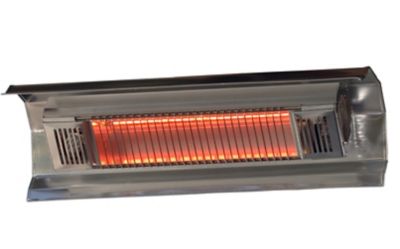
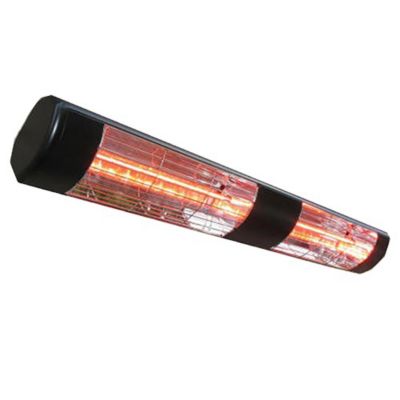
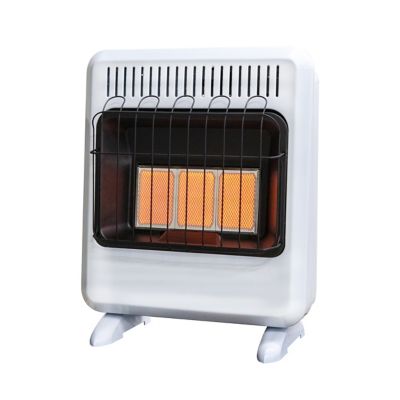
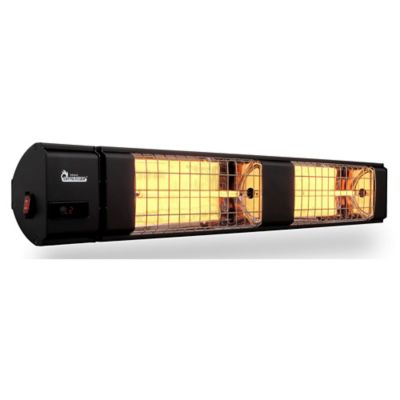
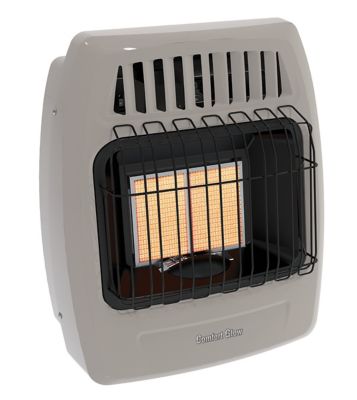
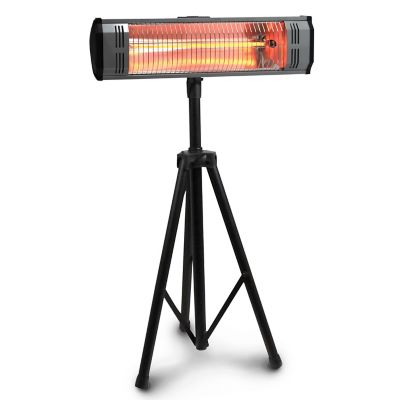
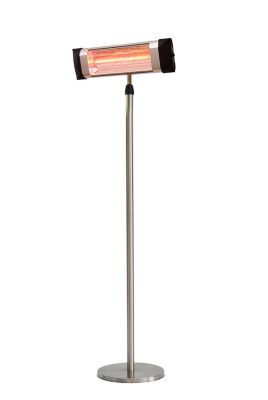
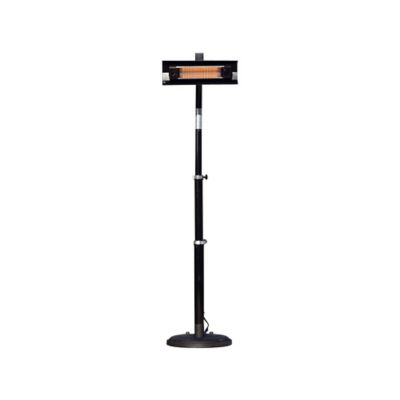
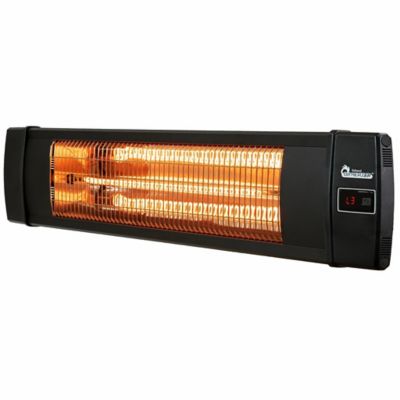
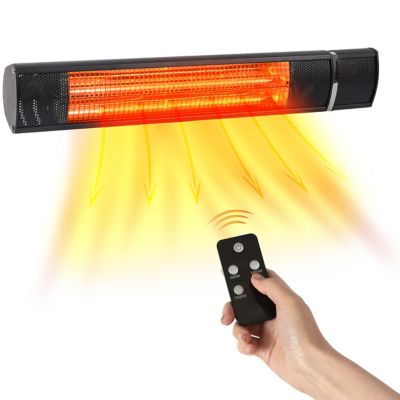
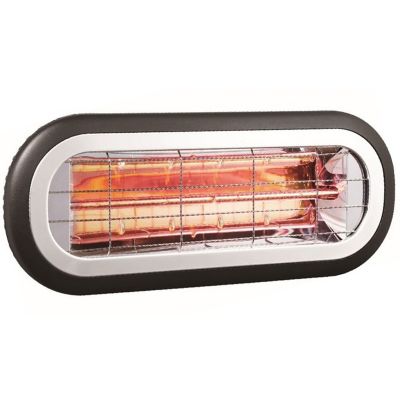
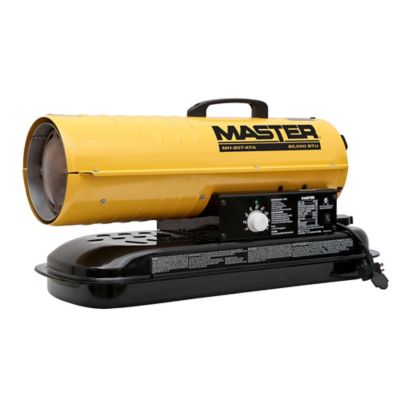
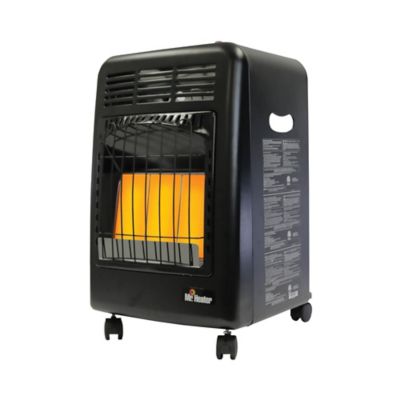
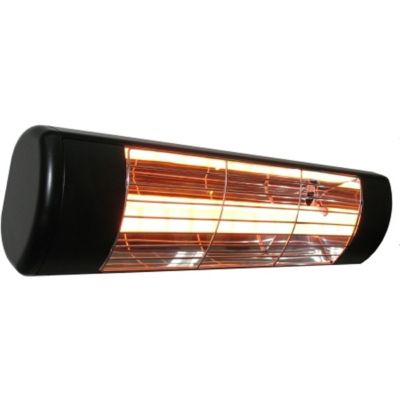
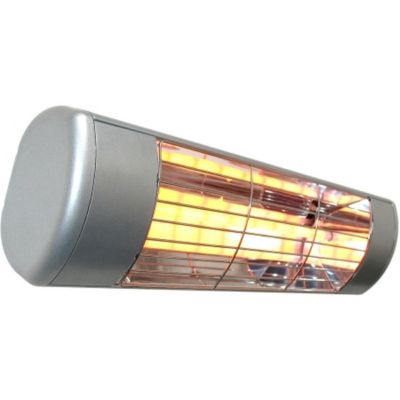
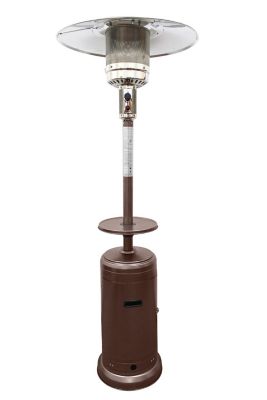
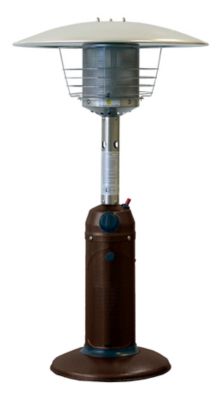
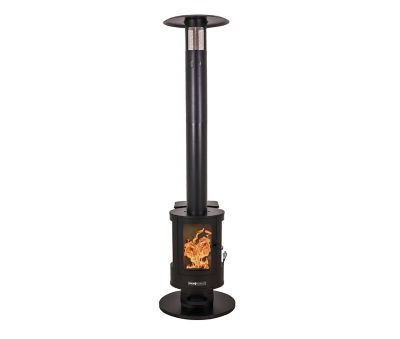
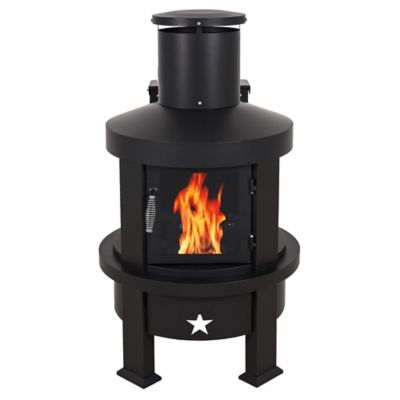
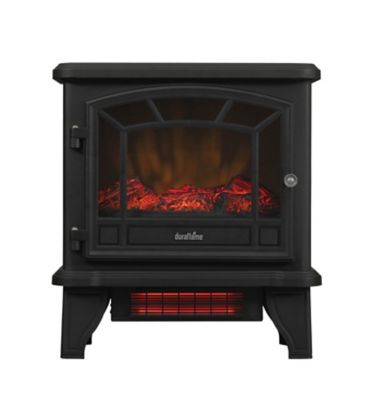
Infrared heaters bring focused warmth to the places where people spend time, making them a handy choice for chilly rooms, work areas, enclosed porches, garages, and other spaces that feel a little too brisk during the cooler months. Instead of heating the air first and waiting for warmth to move through the room, an infrared heater sends radiant heat outward to warm people, furniture, floors, walls, and other solid surfaces in its path. That direct approach can make the warmth feel quick and natural, much like stepping into a patch of sunshine on a crisp morning. Many people appreciate the steady comfort without the strong rush of air found with some forced-air systems. Since these heaters do not depend on a constant stream of heated air, they may also help limit the stirring of dust and drafts. They can be a practical addition beside a desk, near a favorite chair, in a hunting cabin, or in a shop where a little extra heat is welcome while someone sorts tools or finishes a project. Some models are made for room-wide comfort, while others are better suited to a smaller zone, so the best fit depends on the space, the layout, and where warmth is needed most. For a fireplace-style setting with a cozy glow, shoppers can also explore
Infrared Electric Fireplaces.
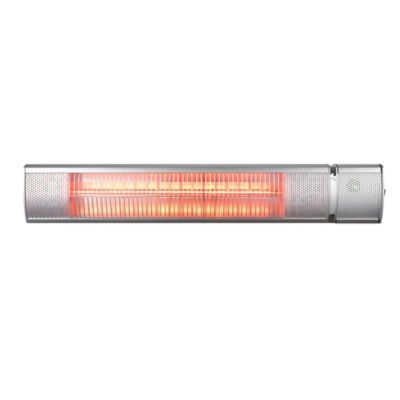
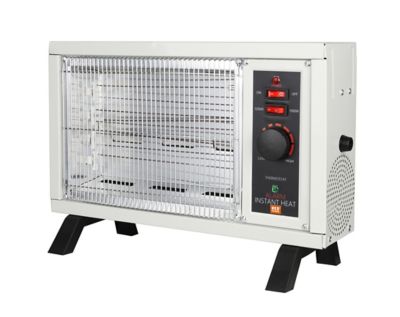
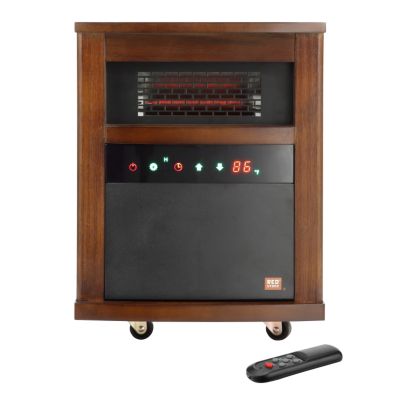
When comparing infrared heaters, start by looking at the space where the heater will operate. Room size, ceiling height, insulation, window placement, and outside drafts all affect how quickly a space feels comfortable. A compact unit may suit a bedroom, office, mudroom, or small enclosed porch, while a larger room may call for a heater designed to cover a broader area. Portable tower and cabinet styles can move from one room to another as the day changes, such as from a chilly morning workspace to a family room in the evening. Wall-mounted styles can help keep floor space clear in a finished shop, covered porch, or busy utility area, while tabletop units may offer a little extra warmth near a chair or desk. Check the heater’s recommended coverage area and power requirements, then consider the outlet location and cord reach before making a choice. Controls can make a big difference in everyday comfort, especially adjustable heat settings, thermostats, timers, remote controls, and automatic shutoff features. A quiet unit may be a better fit for reading, sleeping, working from home, or keeping the peace in a small cabin. For garages, barns, and workspaces, look for a design that fits the environment and follow all instructions about indoor or outdoor operation. Not every heater is made for open-air locations, damp areas, animal shelters, or dusty work zones, and a heater should never be placed where rain, wash water, loose bedding, hay, sawdust, or other flammable material can reach it. Keep the unit on a stable, level surface with clear space around the front, sides, and top, and keep clothing, curtains, paper, bedding, and furniture at a safe distance. A heater should plug directly into a suitable outlet unless the instructions say otherwise, and children and pets should not be left unattended near a hot appliance.
Infrared heaters can also make thoughtful gifts for someone settling into a new home, outfitting a workshop, finishing a basement, or preparing a porch for more time outdoors during the cooler part of the year. They may suit a parent who spends early mornings in a craft room, a neighbor with a chilly home office, or a friend who enjoys weekend projects in the garage. For a gift, pay attention to the recipient’s space and routine rather than choosing by appearance alone. A lightweight portable heater can make sense for someone who moves from room to room, while a larger cabinet style may fit a roomy living area or workshop. A thermostat and timer can add convenience for someone who wants steady warmth without frequent adjustments, and a remote control may be helpful when the heater sits across the room. Think about storage as well: a compact shape can be easier to tuck away when warmer weather arrives, while a wall-mounted design can stay in place without taking up floor space. Infrared heat works best when the warmth can reach the people and surfaces in front of the unit, so furniture placement matters. Keep chairs and workbenches within the recommended range, but do not block vents or place anything directly against the heater. In a farm shop, the heater may take the edge off while someone repairs a gate; in a mudroom, it may make boot changes more comfortable; in a sunroom, it can help stretch the time spent enjoying the view as the air turns cool. As with any heating appliance, read the operating instructions before plugging in, inspect the cord and housing regularly, and turn the unit off when leaving the area or going to sleep unless the manufacturer specifically provides a safe setting for that purpose. With the right size, placement, and features, an infrared heater can add focused comfort to everyday spaces without taking over the room.