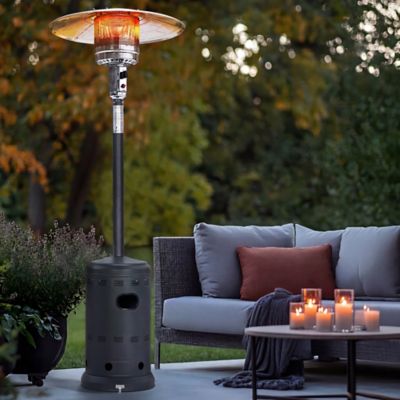
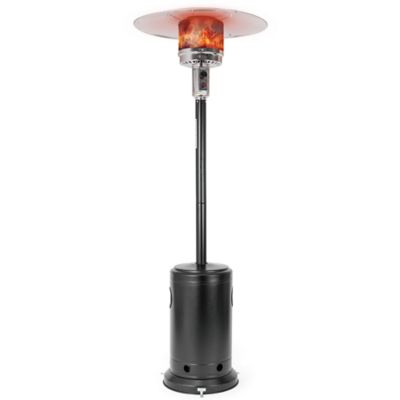
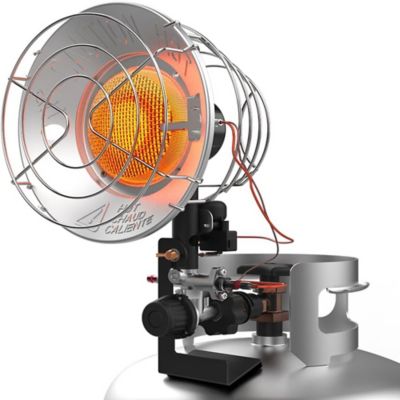
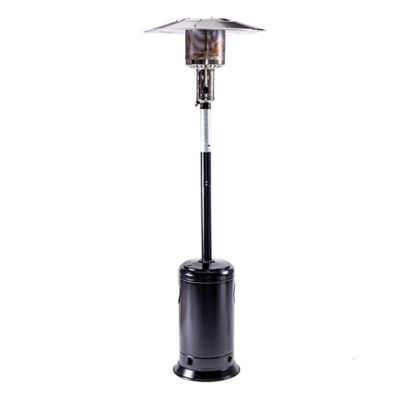
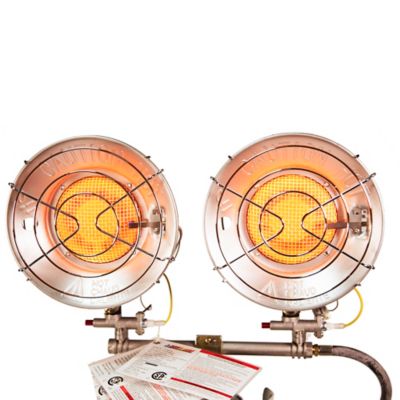
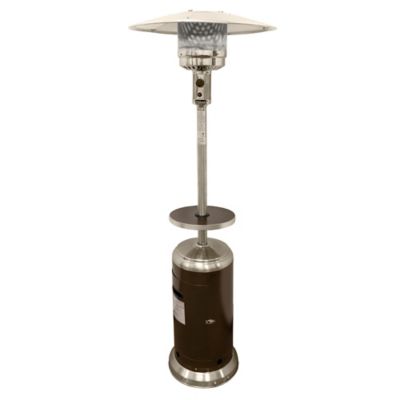
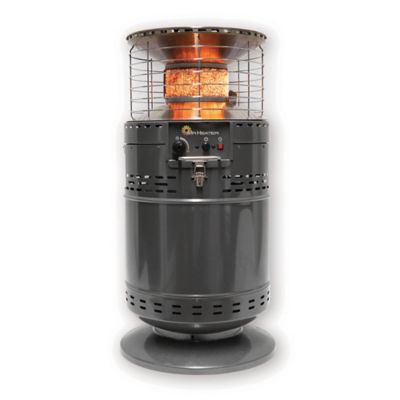
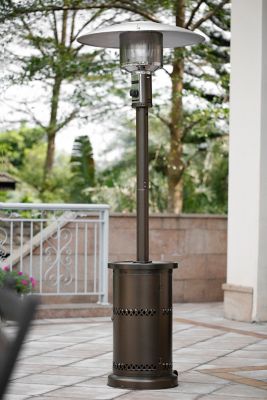
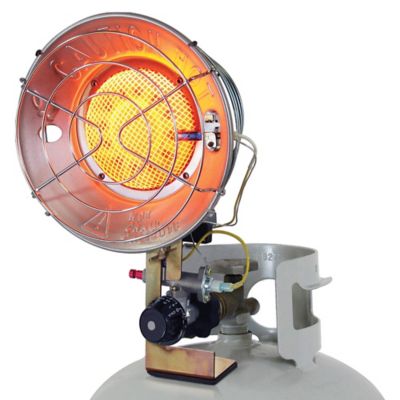
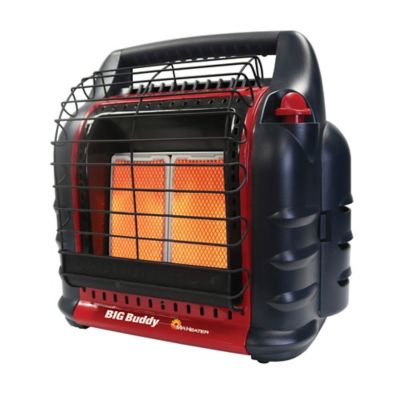
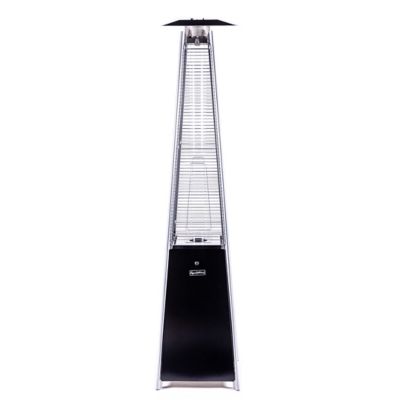
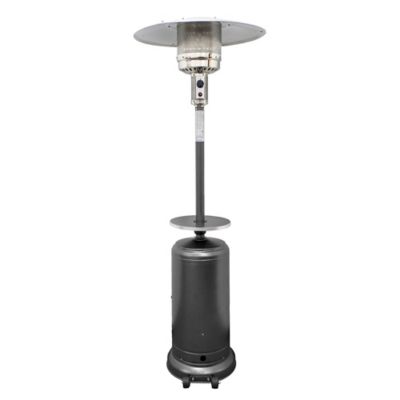
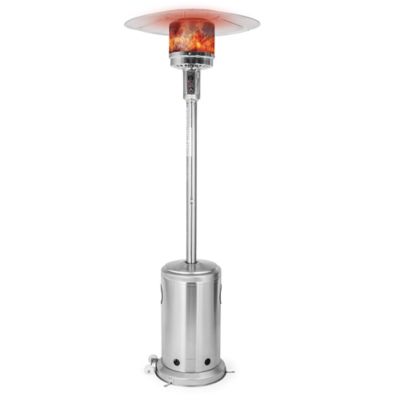
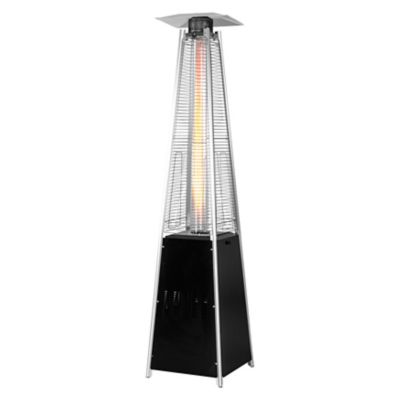
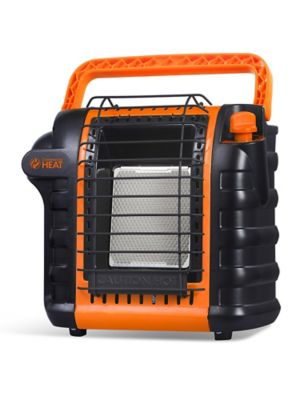
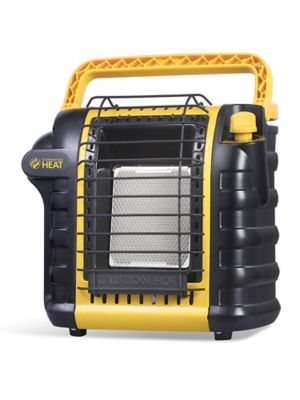
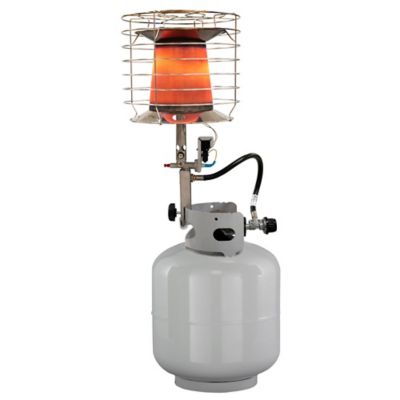
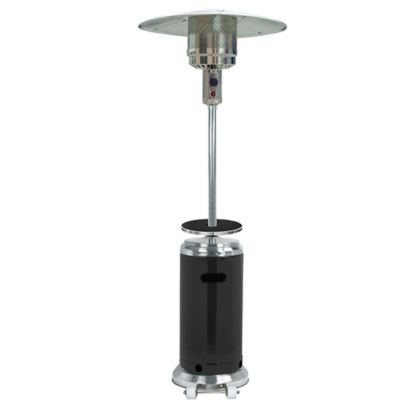
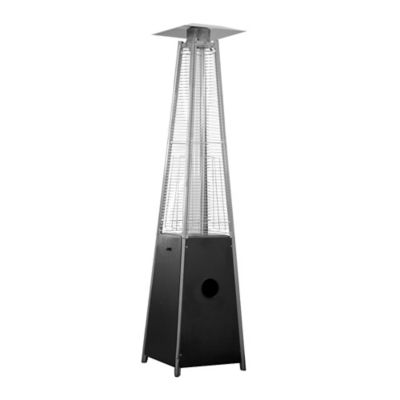
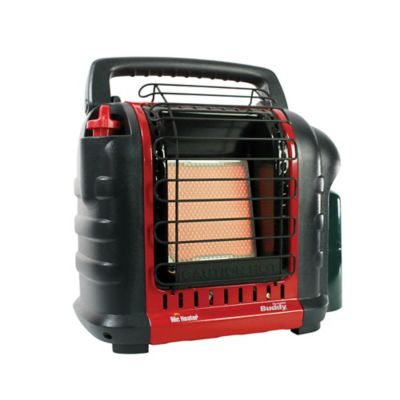
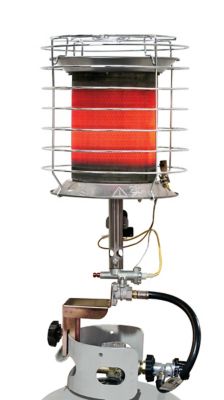
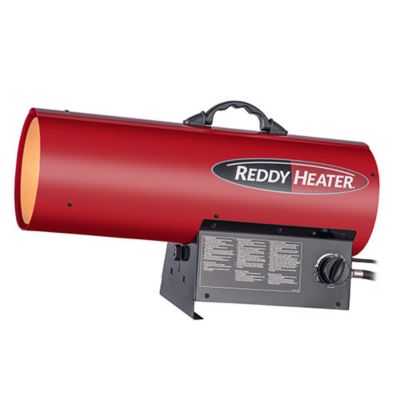
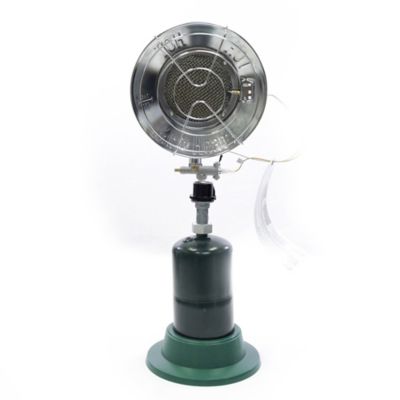
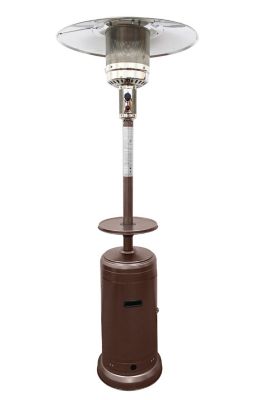
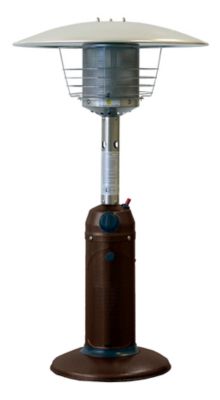
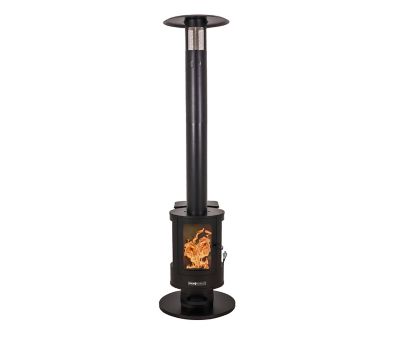
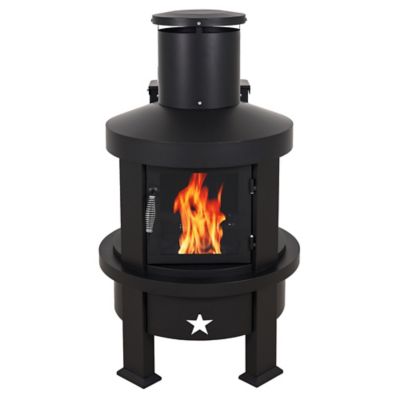
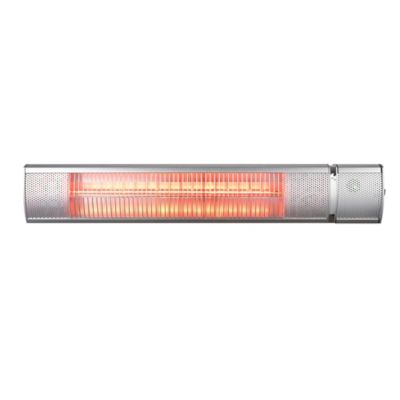
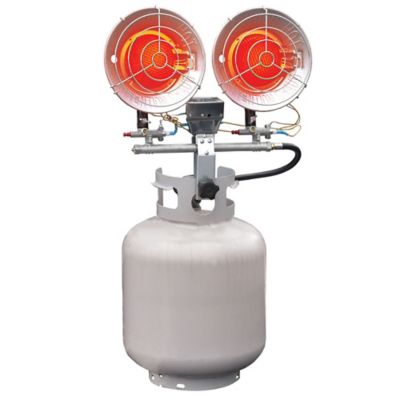
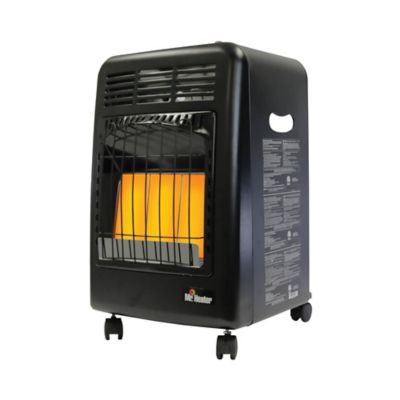
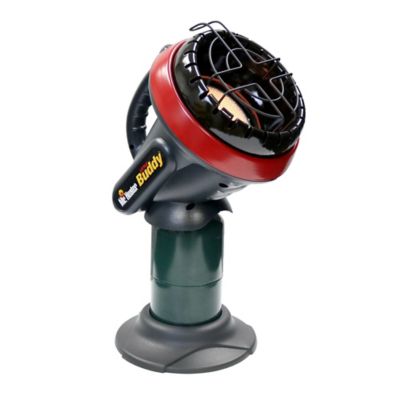
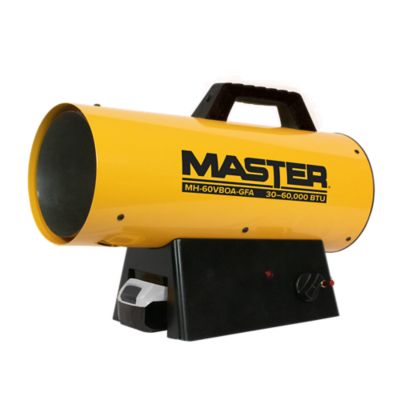
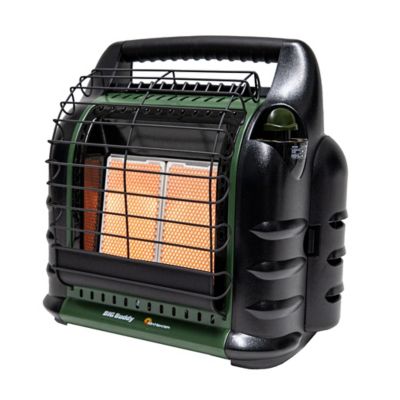
An outdoor propane heater brings warmth to a patio seating area, an open-air gathering spot or a backyard table without a wood fire or an electrical outlet for the heat source. Propane burns at the burner assembly, and many patio-style heaters direct radiant heat toward nearby people and surfaces. That makes them a good fit for sitting close enough to enjoy the warmth rather than trying to heat an entire yard. Full-height standing heaters often have a broad reflector above the burner to help spread heat around the unit, while directional designs concentrate warmth toward a smaller area. Tabletop styles suit more compact arrangements when the table material, stability and required clearances meet the heater’s instructions. Tower and pyramid styles offer another shape for outdoor entertaining, sometimes with a visible flame inside a protective tube. Their appearance can add to the setting, but heat output and placement still matter more than looks alone. Many full-size propane patio heaters produce about 40,000 to 48,000 BTUs per hour, a common range for warming the space around an outdoor seating group. A higher BTU rating means greater fuel input, not a promise that every seat will feel equally warm. Some heaters advertise a heating diameter of roughly 15 to 20 feet, though wind, outdoor temperature, layout and distance from the burner all affect comfort. An open patio beside the farmhouse and a broad gravel gathering area can feel very different with the same heat output. For meals outside, conversation after chores or a quiet evening beside the garden, the practical goal is a comfortable gathering zone. Adjustable heat controls help match the flame to the occasion, while the reflector’s shape and burner position influence where the warmth reaches. Comparing those details gives a clearer picture of an outdoor propane heater’s intended use than judging by height or flame size alone.
Materials, footprint and tank arrangement make a big difference in how an outdoor propane heater fits into everyday life. Stainless steel, painted steel and powder-coated metal are common body materials, with finishes that call for different cleaning and storage routines. Stainless steel still needs attention to spills, moisture and surface deposits, while scratches in a coated steel finish deserve prompt care according to the manufacturer’s directions. A broad, stable base helps support a tall heater, but the full setup needs room beyond the base itself. Chairs should pull out freely, walkways should stay clear, and the burner and reflector need the specified separation from nearby objects. A tank enclosure keeps the cylinder tucked inside the base on some standing styles; access doors and the position of the controls affect how convenient refueling and adjustments will be. Other designs connect to an external cylinder, making hose routing another part of the layout. Cylinder size, regulator specifications and hose connections must match the heater’s requirements. Many full-size patio heaters connect to a standard 20-pound propane cylinder, while smaller portable designs may call for a different fuel setup. A full 20-pound cylinder can provide roughly 8 to 11 hours of operation on many full-size heaters running near their higher settings. Actual runtime depends on burner demand, the amount of fuel in the cylinder and operating conditions; lower settings generally stretch the fuel supply further. Battery-powered ignition and push-button piezo ignition are common conveniences, although ignition type and battery needs vary by design. Wheels can make repositioning a standing heater easier across a firm, level surface, but the heater must be off and completely cool before moving. Handles and overall weight matter for portable styles carried between approved outdoor locations. For a household that regularly eats outside or gathers around a patio table, easy tank access, straightforward controls and manageable storage can matter just as much as maximum heat output.
Safe placement and routine care belong alongside heat output when comparing outdoor propane heaters. Outdoor-only heaters need an open-air setting and must never operate inside a home, garage, shed, tent or other enclosed space. Opening a garage door does not turn an indoor area into an approved outdoor location. Combustion produces carbon monoxide, and enclosing a gathering area with tarps or curtains can create a serious hazard. Roofs, awnings, tree branches, fences, cushions and other nearby materials also affect placement; the manufacturer’s clearance requirements apply above the heater as well as around it. A firm, level, noncombustible surface that meets the heater’s instructions is essential, especially where children, pets or foot traffic may pass nearby. Automatic tip-over shutoff and flame-failure protection are useful features to look for, but they do not replace supervision or proper positioning. The information on
Safe Propane Heaters offers more context for comparing safety considerations. Before operation, hoses and connections need inspection for damage, and leak checks should follow the manufacturer’s procedure with an approved leak-detection solution, never a flame. A propane smell calls for stopping use and following the applicable emergency directions, not trying the igniter again. Between gatherings, keeping burner openings and ventilation passages free of debris helps support proper operation. Dust, leaves and insect nests can collect during storage, particularly around burner assemblies and protected openings. Cleaning methods should follow the heater’s manual so that screens, finishes and fuel components receive the right care. A fitted cover can help shield a stored heater from dirt and moisture, but it belongs on the unit only after the heater has fully cooled. Propane cylinders need upright storage outdoors in a well-ventilated location, away from ignition sources and never inside living spaces. With a suitable footprint, compatible fuel connections and a sensible place to operate and store it, a propane outdoor heater can make the patio a more comfortable spot for family meals and unhurried time together.