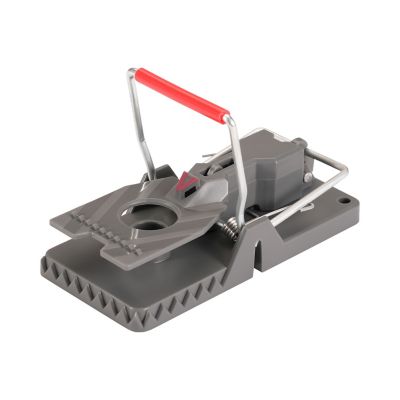
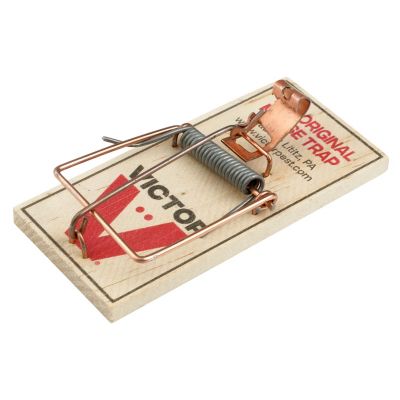
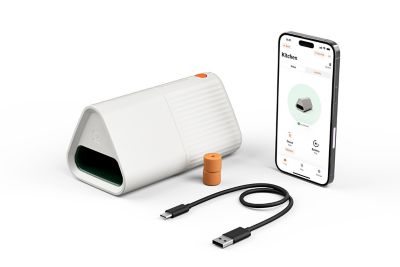
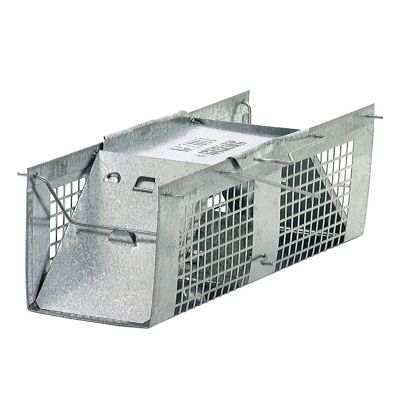
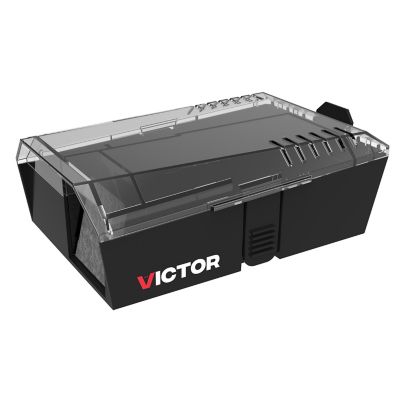
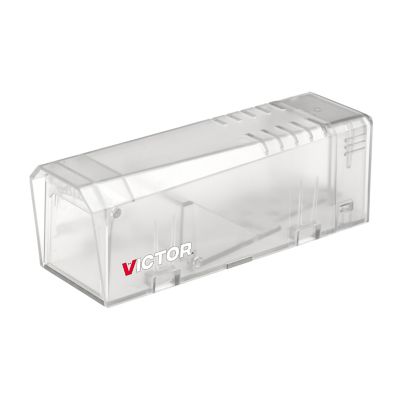
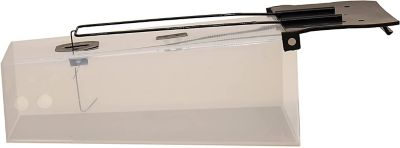
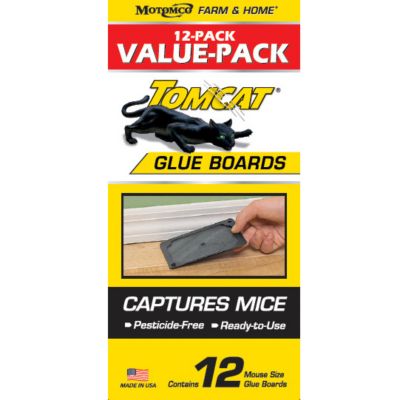
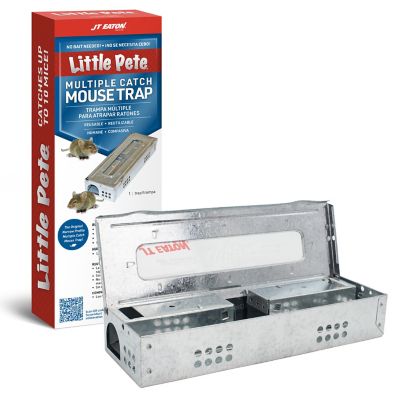
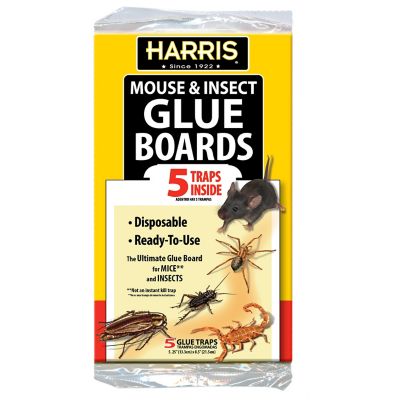
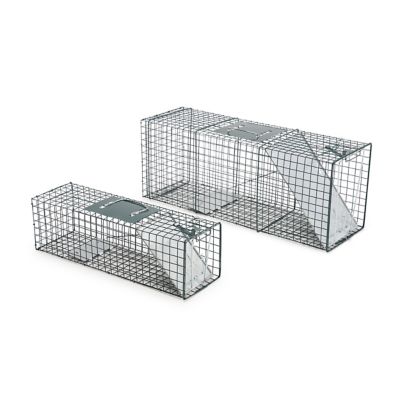
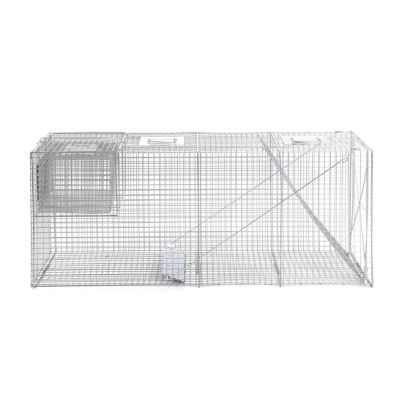
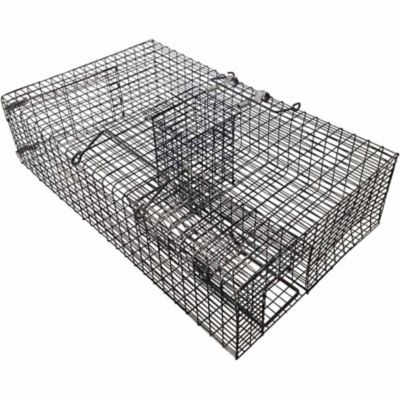
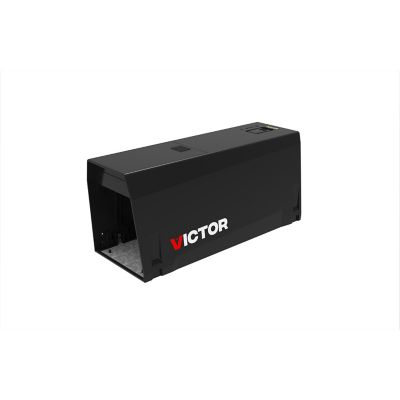
Quick kill mouse traps are rodent-control devices designed to kill mice promptly with a spring-driven mechanism or an electric charge, rather than hold them alive for release. Mechanical snap traps close when a mouse activates the trigger, while electric mouse traps deliver a shock inside a chamber. Both types can work without rodenticide, though their setting methods, power needs and cleanup requirements differ. For a pantry, garage, workshop or farm office, the right choice comes down to the space, the people and animals nearby, and how much handling the trap requires. Traditional snap traps often combine a wood base with metal working parts. Molded plastic designs may feature a setting lever, a recessed bait cup or a release mechanism that helps keep fingers farther from the striking area. Enclosed traps put a housing around the mechanism, while open designs leave more of the working parts visible. Some covered designs help guide a mouse toward the trigger, but a cover alone does not make a trap safe around children or pets. Electric designs generally require batteries or another specified power source, and their housings must suit the intended location. These differences matter more than appearance: a trap that is awkward to set or difficult to inspect can become a chore to maintain. A firm base, a clear setting action and straightforward access for baiting are practical features to compare. Trigger design matters, too, since the mouse needs to reach the intended position for the mechanism to work as designed. Quick kill describes the intended result, not a promise that every encounter will end the same way. Correct sizing, proper placement and regular checks all influence performance. Mouse-size traps are intended for mice; larger rodents call for equipment sized and labeled for them. Comparing these basic features helps narrow the category to traps that suit the job without adding unnecessary complexity to a daily round of household or farm chores.
Where a trap will sit is just as important as how it works. A narrow space behind a cabinet calls for a different footprint than an open stretch of wall in a storage room, and an enclosed electric trap needs enough clearance for its entrance and inspection door. Mice often travel beside walls and sheltered edges, so a design that fits those routes can be more practical than one that crowds the space or rocks on an uneven surface. For a feed room, tack room or outbuilding, dust, spilled grain and clutter are worth considering when comparing mechanisms and housings. A trap should not interfere with feed handling, and it belongs where livestock, barn cats, poultry and other nontarget animals cannot reach it. Around a home, the same care applies to dogs, children and visiting family. An inaccessible placement or an appropriate protective station may be necessary; an enclosed trap is not automatically tamper-resistant. Outdoor placement requires a trap specifically labeled for that use, especially when electrical components are involved. Indoors, check that the base fits securely and that there is room to set, inspect and remove it without reaching blindly behind equipment. Bait cups, trigger pedals and entry tunnels vary in size and shape, which affects how neatly a trap fits into a tight spot. Any bait should follow the trap maker’s directions and stay clear of moving parts. A heavy smear of food can foul a mechanism rather than improve its performance. For households with repeated mouse activity, several well-chosen trapping locations may make more sense than relying on a single device in the middle of a room. Droppings, gnaw marks and damaged food packages can help identify areas that need attention, but trapping should go hand in hand with closing entry gaps and keeping grain, seed and pantry goods in tightly closed containers. Removing easy food sources helps keep a feed shelf or cupboard from becoming a regular stop.
Care and disposal features can make a big difference when traps need frequent attention. Some designs are intended for a single catch, while others can be emptied, cleaned and reset according to their instructions. Release levers and removable chambers may reduce the need to handle a captured mouse directly, but they do not eliminate contact with contaminated surfaces. Gloves, handwashing and the manufacturer’s cleaning directions remain important. Wood, metal and plastic also call for different care: an absorbent base does not clean like a smooth plastic housing, metal parts can corrode, and electrical components generally cannot be soaked. Check the care instructions before applying a cleaner, since moisture or residue can interfere with moving parts, contacts or sensors. A trap that has become cracked, bent or difficult to set should be replaced rather than forced back into service. With electric mouse traps, battery condition, indicator lights and access to the collection chamber are useful points to compare. With mechanical models, look at how the setting handle operates and whether the release action keeps hands away from the striking mechanism. Every trap still needs frequent checks, even if it has an indicator, and captured rodents should be handled and discarded promptly according to applicable guidance. Avoid sweeping or vacuuming dry droppings; follow public health guidance for disinfecting contaminated areas. For a broader look at trap styles and mechanisms, browse
Mouse Traps and compare the features that match the setting. A homeowner protecting a pantry may value a compact housing and simple disposal, while someone maintaining a workshop may focus on easy inspection and a base that sits flat beside a wall. On a small acreage, keeping feed protected and traps separated from animal traffic may lead the decision. The best fit is a mouse-size trap that can be placed safely, checked consistently and maintained as directed, backed by sensible food storage and building upkeep that address why mice are getting inside.