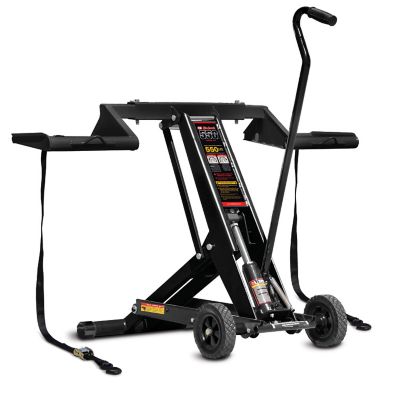
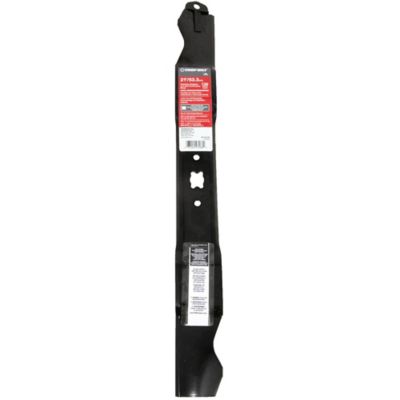
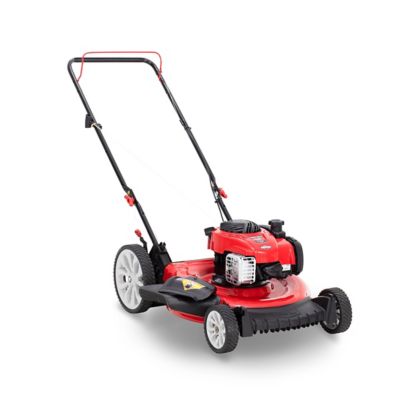
Keeping a push mower in good working order does not have to mean a full afternoon in the shop every time. A few basic maintenance supplies and a steady routine can help a mower start easier, cut more evenly, and stay ready when the grass puts on another flush of growth. Many homeowners handle a quick inspection after each use, brushing away loose clippings and checking for packed grass beneath the deck, while a more thorough tune-up is generally helpful each year or after roughly 25 to 50 hours of mowing. Before working near the blade, always stop the engine, allow hot parts to cool, disconnect the spark plug wire, and keep the mower steady on a level surface. When tipping a gas mower for access to the underside, position it with the air filter and carburetor facing up so oil and fuel do not run into the filter or engine. A plastic scraper or stiff brush can loosen damp clippings and dirt without damaging the deck, and clearing that buildup helps maintain airflow around the blade while reducing the moisture that can lead to rust. It is also a good time to look for loose fasteners, damaged wheels, worn cables, cracked guards, or a blade that is bent, deeply nicked, or worn thin. A sharp, properly balanced blade gives the lawn a cleaner cut and leaves less torn grass behind, which can make the yard look neater and reduce stress on the mower. For homeowners comparing equipment and upkeep needs, the
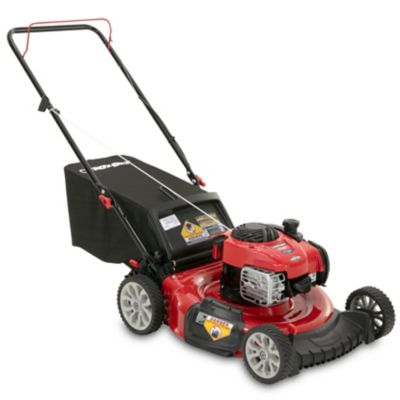
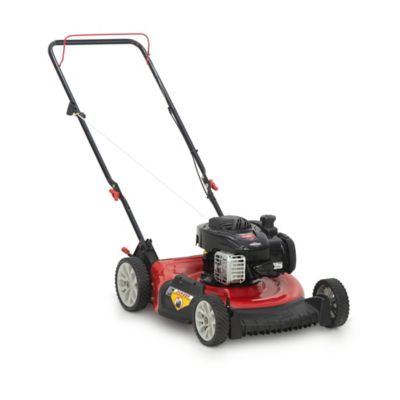
Mtd Push Mower category can be a useful place to consider compatible maintenance needs alongside everyday mowing tasks.
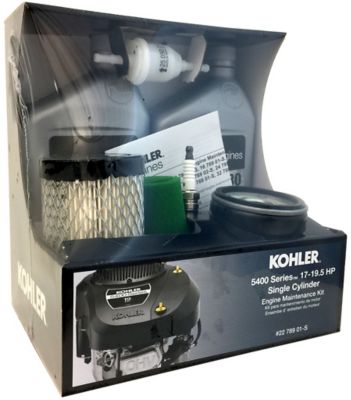
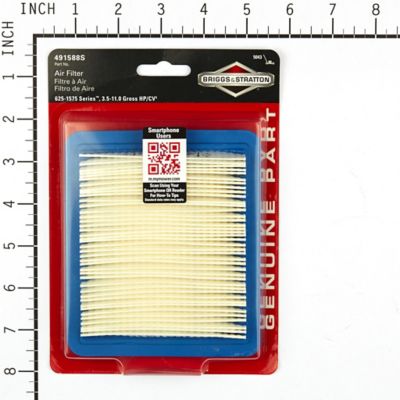
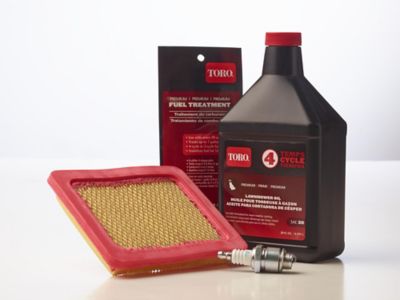
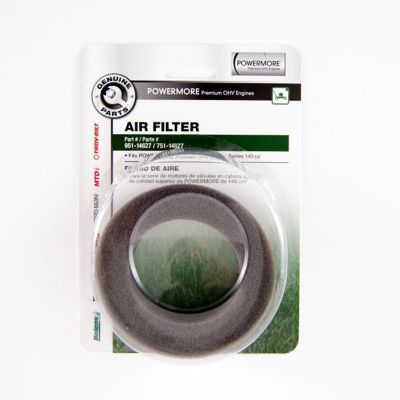
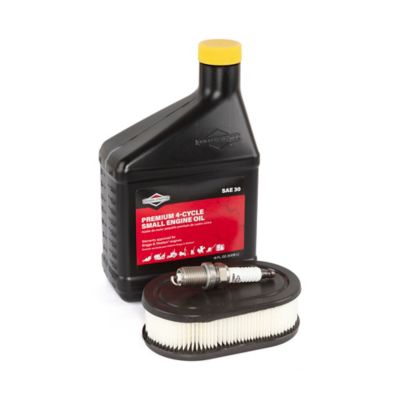
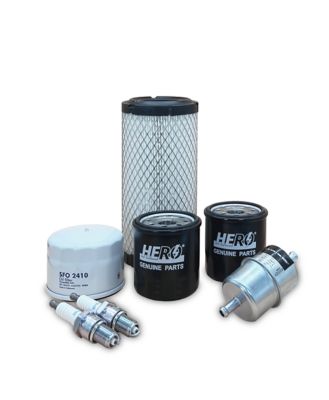
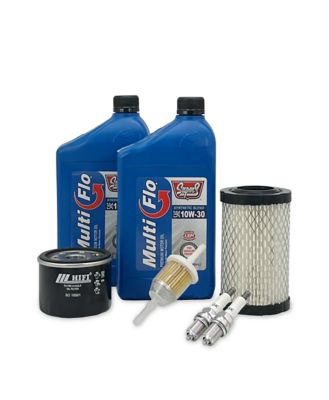
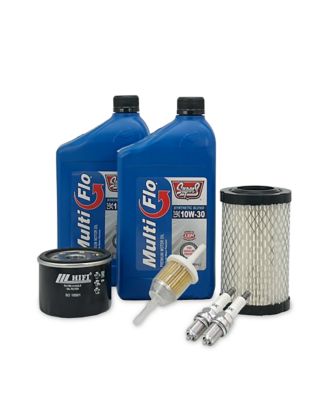
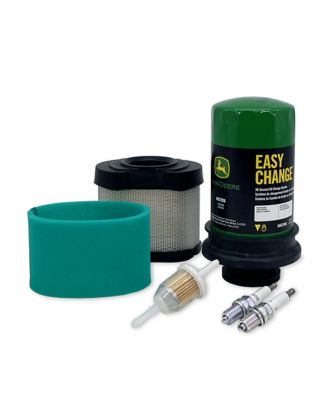
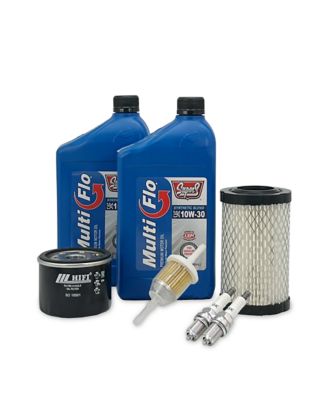
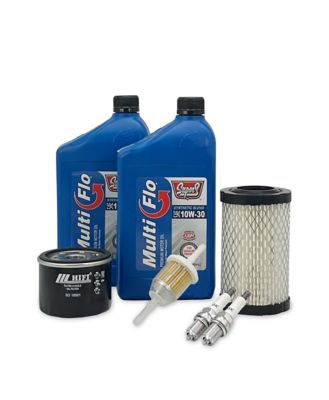
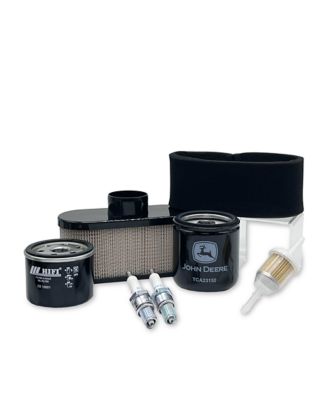
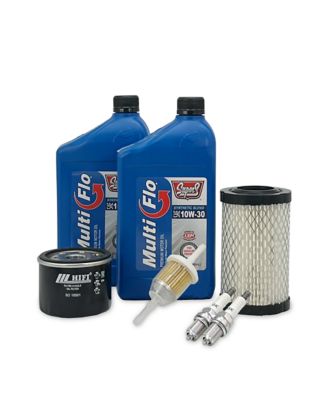
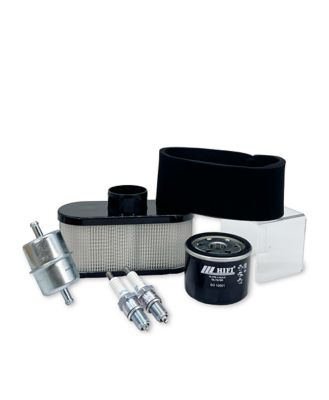
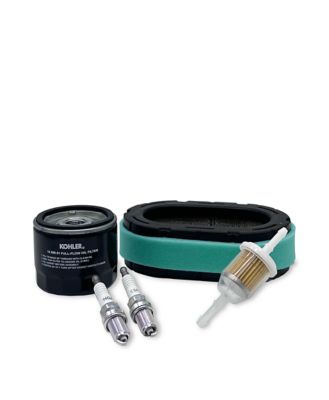
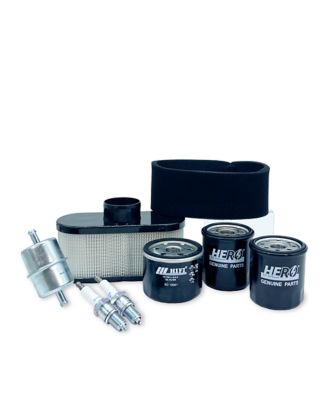
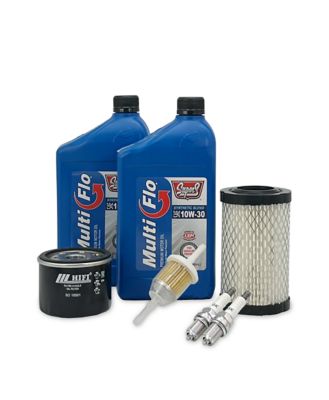
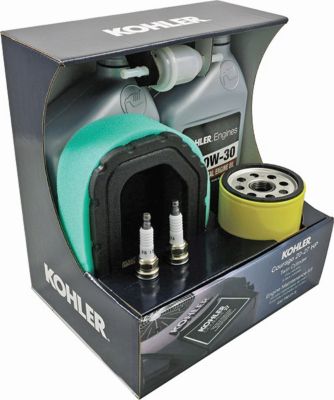
Routine engine care is just as important as keeping the deck clean. Engine oil should be checked on level ground and changed according to the mower manufacturer’s instructions, often once a year or within the recommended number of operating hours. Letting the engine run briefly before draining can help the old oil flow more easily, but the mower should be handled carefully because the engine and oil may be hot. Oil grades and fill amounts vary by engine, so the owner’s manual is the best source for the proper viscosity and capacity rather than relying on a one-size-fits-all amount. A clean air filter helps the engine breathe; paper filters are commonly replaced when dirty or clogged, while washable foam filters can usually be cleaned with mild soap and water, allowed to dry completely, and lightly treated with the right filter oil if the manufacturer calls for it. A fresh spark plug can support dependable starting and smooth operation, especially when an old plug is fouled, worn, or difficult to gap correctly. When replacing one, use a spark plug socket, thread it in by hand first to avoid cross-threading, and follow the specified gap and tightening guidance. Fuel deserves attention as well. Gas left sitting through the cooler months can lose quality and contribute to deposits or a clogged carburetor. Depending on the mower instructions, owners may run the tank and fuel system empty before storage or add a properly measured fuel stabilizer to the remaining gasoline and run the engine for several minutes so treated fuel reaches the carburetor. Keep fuel containers closed, labeled, and stored away from sparks or open flames. Maintenance products such as small-engine oil, replacement filters, spark plugs, blade-care tools, drain pans, gloves, and fuel treatment are practical choices for a homeowner who prefers to handle simple upkeep at home. They can also make thoughtful gifts for a new homeowner, a parent with a large yard, or anyone who takes pride in keeping the family place looking sharp without calling for service on every small repair.
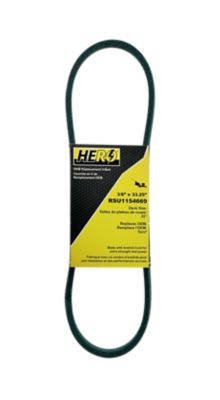
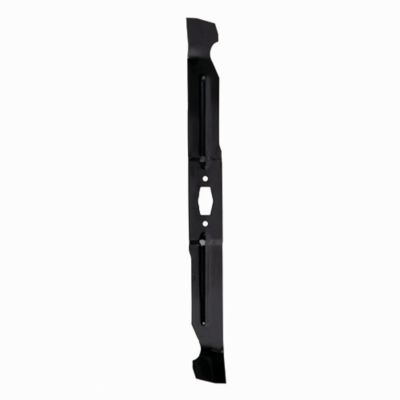
Blade care calls for patience and the right approach. If the cutting edge only needs a touch-up, a file or sharpening tool can restore the original bevel; more serious damage may call for a replacement rather than continued grinding. The blade must be blocked securely so it cannot turn while the center fastener is loosened, and it should be balanced after sharpening to help prevent vibration. Never reach under the deck to test blade movement, even with the engine off. After maintenance, reinstall every guard and fastener, reconnect the spark plug wire only when the work is complete, and run the mower outdoors in a clear area while listening for unusual rattling, knocking, or excessive vibration. During the warmer part of the mowing season, wiping down the exterior and clearing the underside after use can keep chores from becoming a stubborn fall project. As the weather cools and mowing becomes less frequent, clean the mower thoroughly, inspect the wheels and handle, protect exposed metal from moisture as appropriate, and store it in a dry, covered location with good ventilation. Avoid leaving the machine where rain, sprinklers, or ground moisture can reach it. A simple maintenance setup might include an oil pan, shop towels, work gloves, hand tools, a scraper, a blade sharpener, replacement engine-care parts, and a cover or storage solution sized for the mower. Choosing supplies that match the engine, filter style, blade dimensions, and maintenance instructions is more important than buying the biggest or most elaborate option. With a little attention before and after mowing, a push mower can remain a dependable part of the yard routine, whether it is trimming a small town lot, working around a farmhouse, or keeping paths and open grass tidy through changing weather.