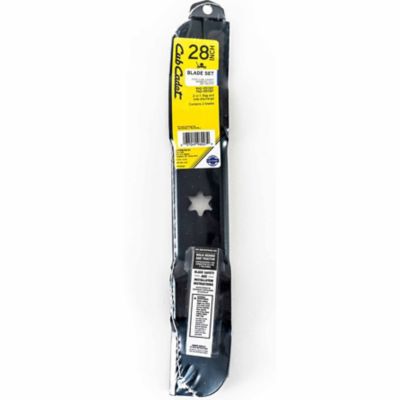
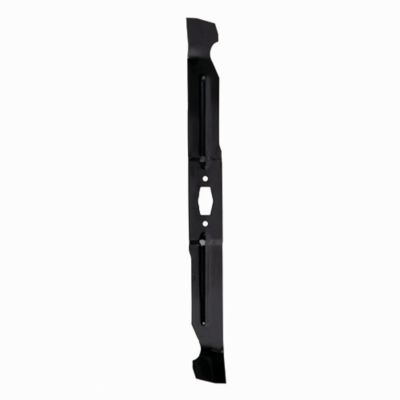
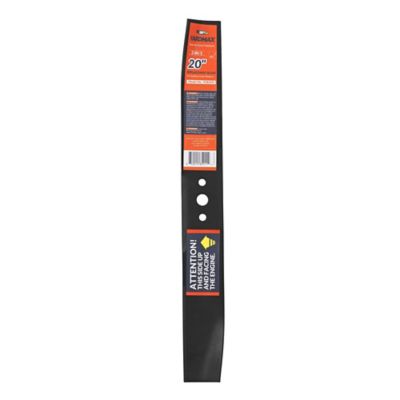
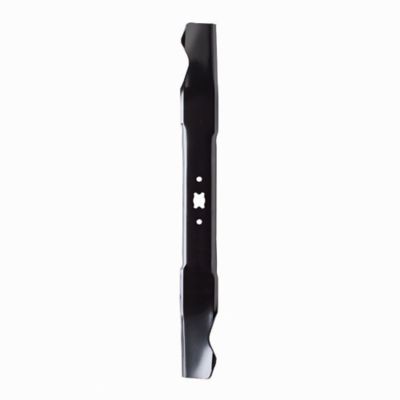
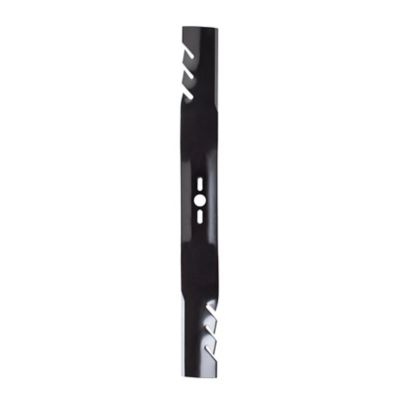
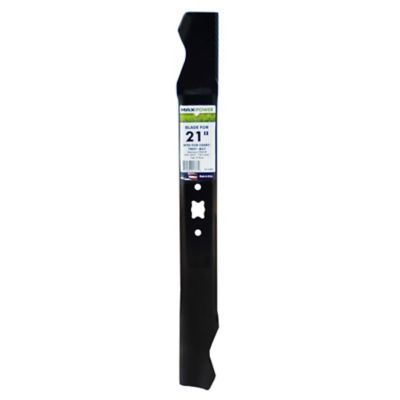
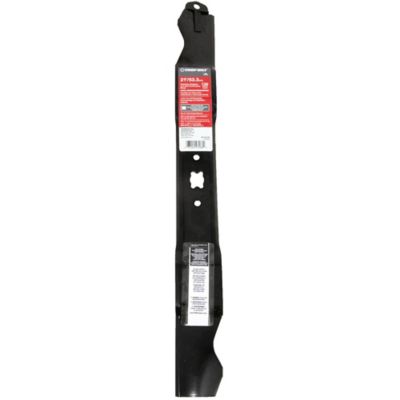
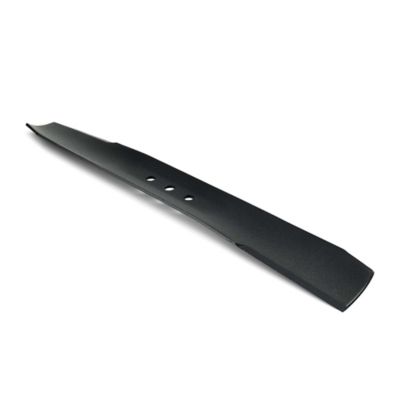
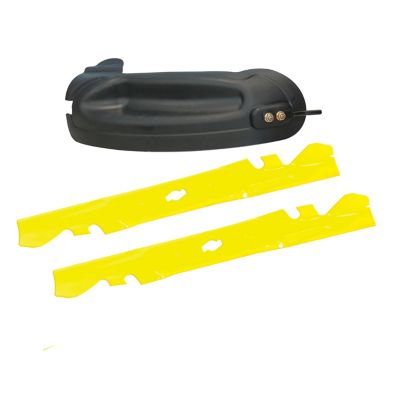
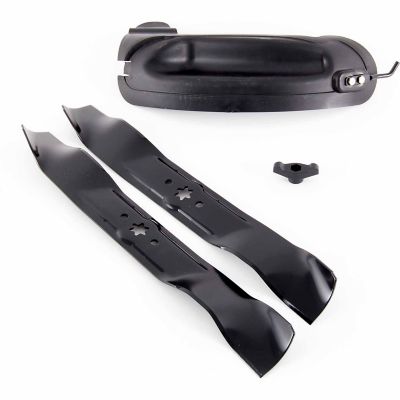
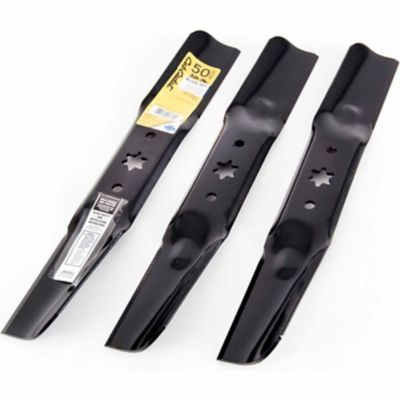
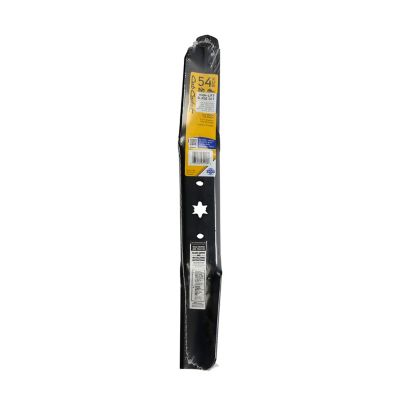
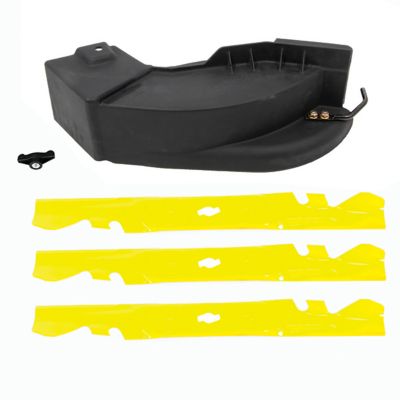
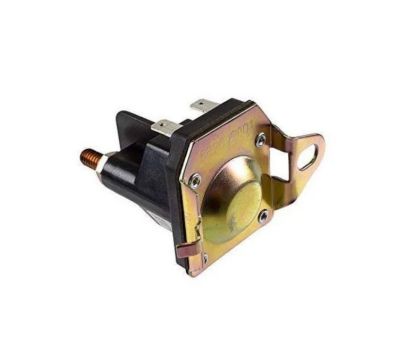
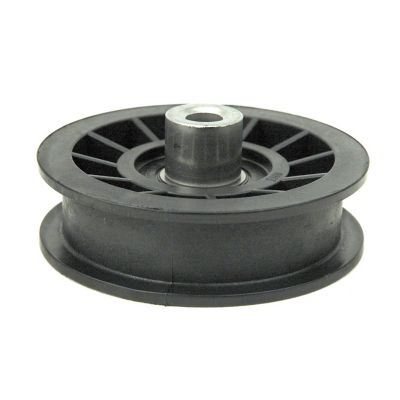
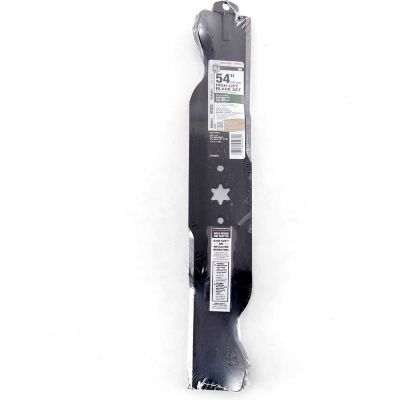
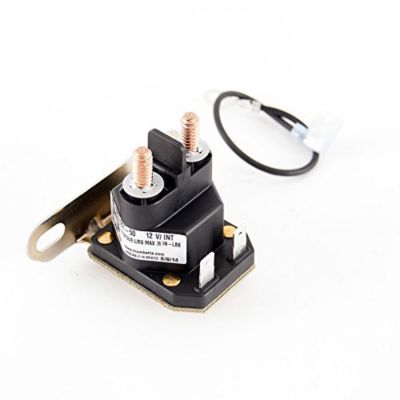
Keeping a push mower in good shape is a whole lot easier when the right replacement parts are close at hand. A mower that has spent years bouncing over rough ground, clipping thick grass and sitting through damp storage can show wear in several places, even when the engine still has plenty of life left. Replacement mower blades are among the most common parts to need attention. A sharp, properly matched blade helps leave a cleaner cut, while a mulching blade can be a handy choice for breaking clippings into smaller pieces that settle back into the lawn. Standard cutting blades work well for lawns where clippings are collected or discharged. Before ordering, check the mower’s brand, model number and serial number, usually found on a label mounted on the deck or frame. Blade length, center-hole shape and adapter style all matter, and a part that looks close may not fit safely. Blade adapters help secure the blade to the engine crankshaft, so inspect the adapter whenever a blade is removed, especially if the mower has struck a hidden rock, root or fence post. Wheels and tires can also wear down over time. Cracked plastic, loose bearings, bent hardware or a wheel that no longer rolls straight can make a simple mowing job feel like dragging a loaded wagon through soft soil. Matching wheel assemblies help restore a steady height and smoother handling across the yard.
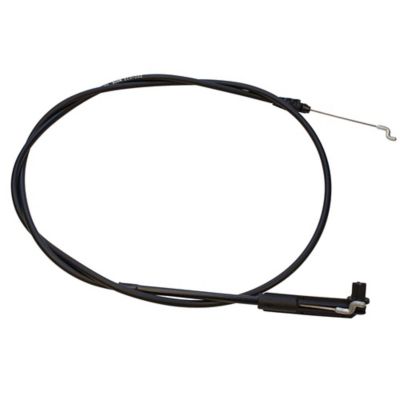
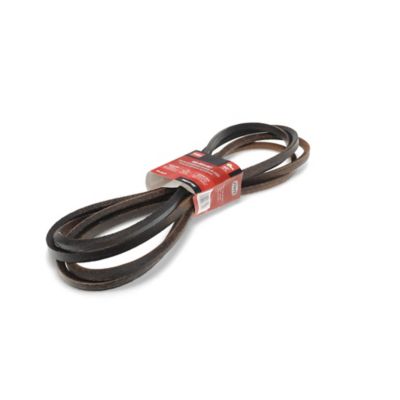
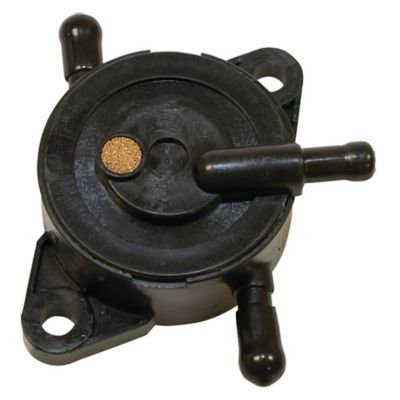
Other parts support the mower’s ability to start, run and handle grass the way it should. Air filters keep dust, chaff and fine bits of dry soil from being pulled into the engine, which is especially important when mowing along gravel drives, dusty lanes or open fields. A clogged filter can contribute to poor performance, while a damaged filter may allow debris to reach the engine. Spark plugs provide the ignition needed for starting, and replacing a worn or fouled plug can help bring back more dependable starts after a mower has been hard to fire up. Fuel-system parts deserve attention when an engine surges, sputters or refuses to stay running. Carburetors mix fuel and air, while primer bulbs help move fuel through the system during startup; cracked bulbs, brittle seals and dirty passages can all lead to trouble. Control cables, including zone-control and clutch or drive cables, connect the handle controls to the mower’s operating mechanisms. A cable that feels stiff, hangs loose or has a damaged Z-bend may affect safety and operation, so compare the length, ends and routing of the replacement part with the original before installation. Discharge chutes and deflectors direct clippings away from the operator and nearby walkways, while collection bags help keep cut grass gathered neatly. Look for tears, worn attachment points and missing hardware before putting a mower back to work. A replacement belt may also be needed on models with a drive or other belt-operated function, and the old belt’s markings and dimensions can help confirm the correct fit.
The best part choice depends on the mower, the condition of the lawn and the kind of work the machine handles around the property. A small, flat suburban yard may call for a straightforward cutting blade, fresh air filter and sound wheels, while a larger rural lawn with uneven ground can put extra strain on wheel assemblies, control cables and discharge components. Anyone who enjoys keeping equipment ready for the next stretch of good mowing weather can build a small maintenance supply with commonly used service parts, rather than waiting until a worn component stops the job halfway across the yard. These items can also make practical gifts for a parent, neighbor or new homeowner who takes pride in a tidy lawn but may not have every replacement piece in the shed. For battery-powered equipment owners, the same care and fitment habits apply when shopping
Electric Lawn Mower Parts, with the added need to match the mower’s voltage and system design. Store removed hardware in a small container, take a quick photo before disassembly and keep the mower’s model information with its owner’s manual. During the warmer part of the mowing season and into the cooler months, these simple habits help keep grass from getting ahead of you. Whether the mower is used for a narrow strip beside the barn, a backyard shaded by old maples or several acres of open lawn, correctly matched parts can make starting, steering, cutting and cleanup feel like less of a chore.