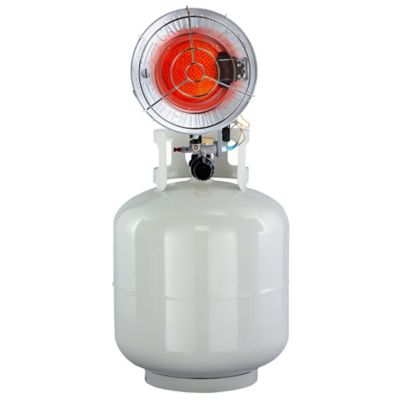
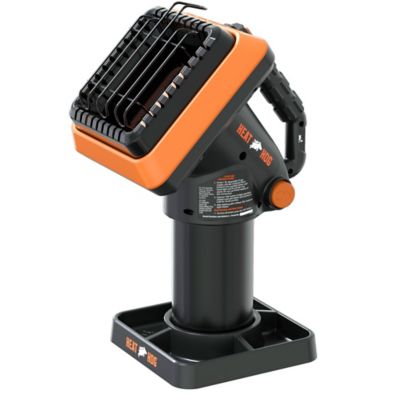
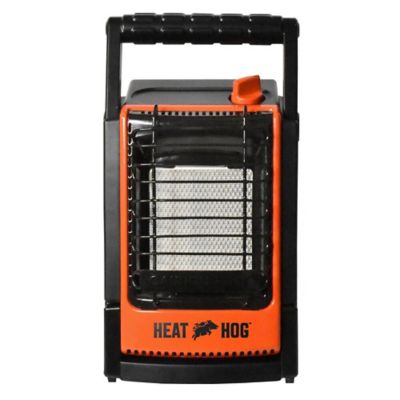
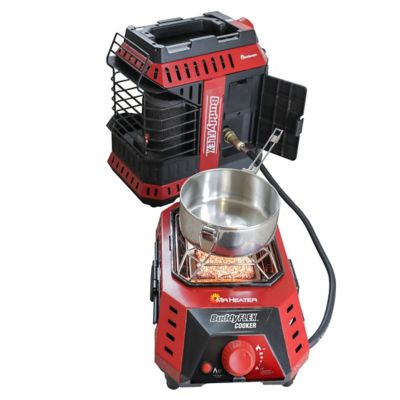
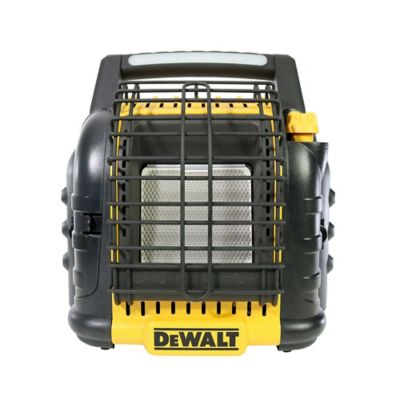
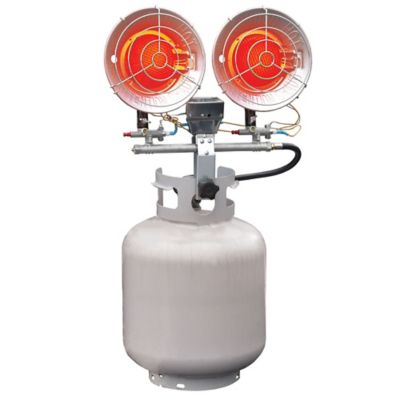
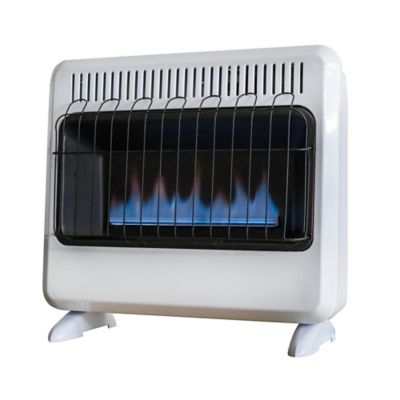
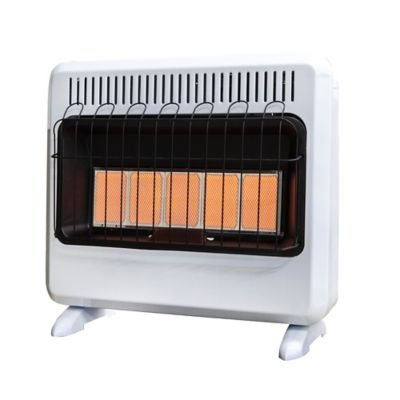
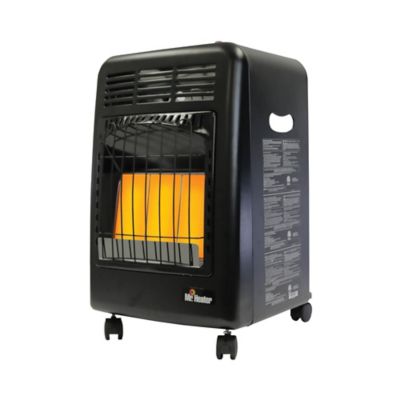
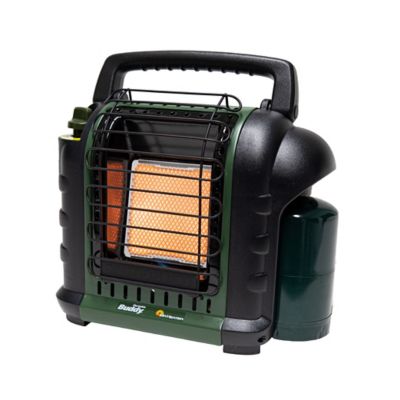
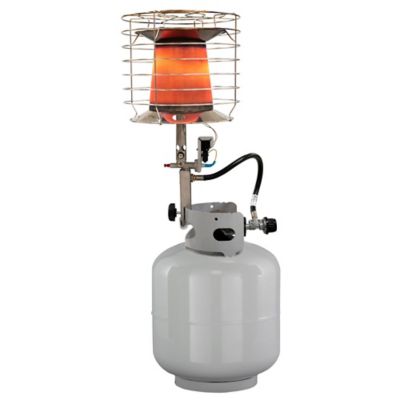
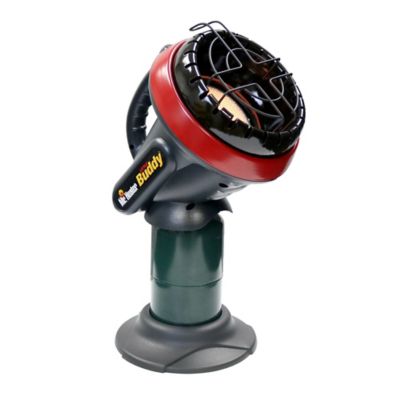
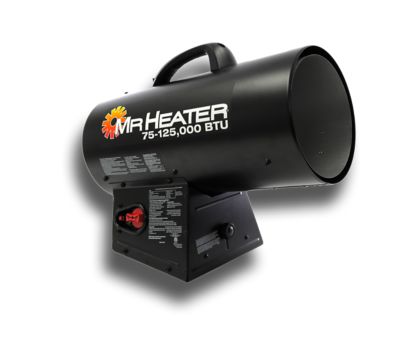
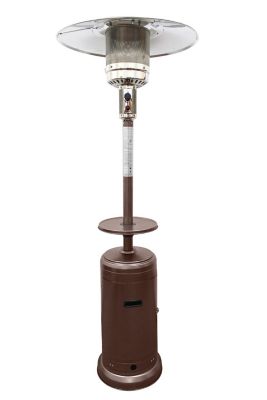
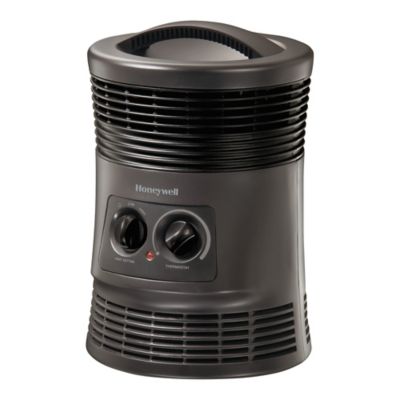
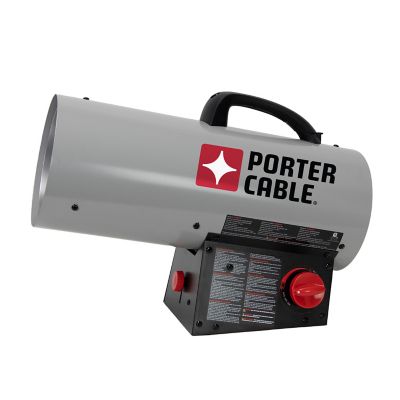
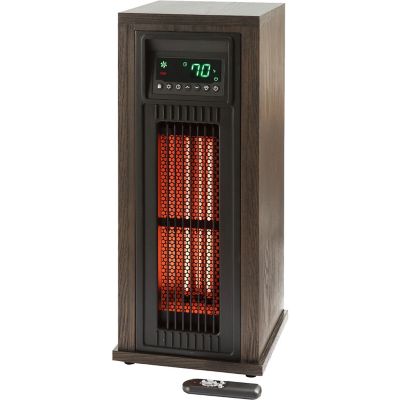
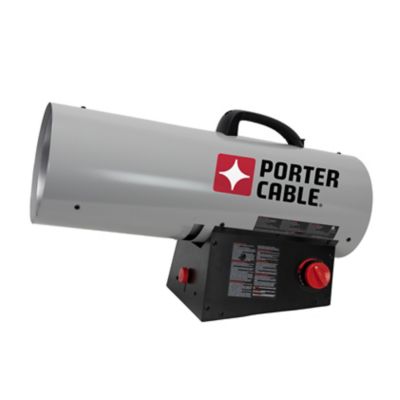
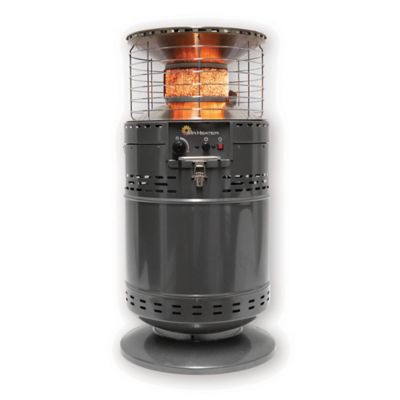
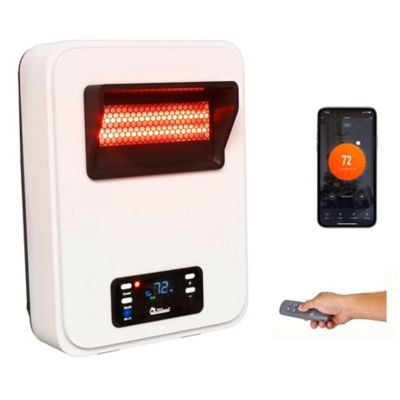
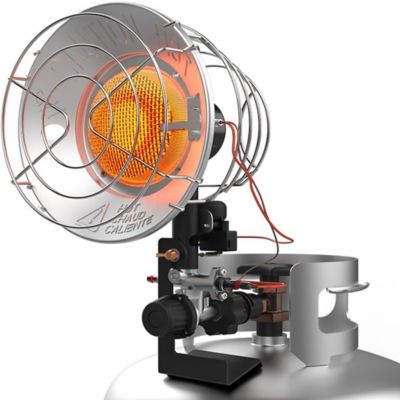
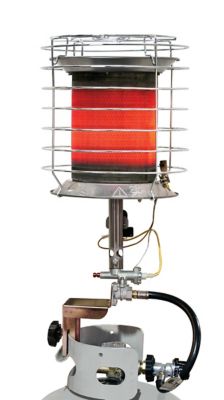
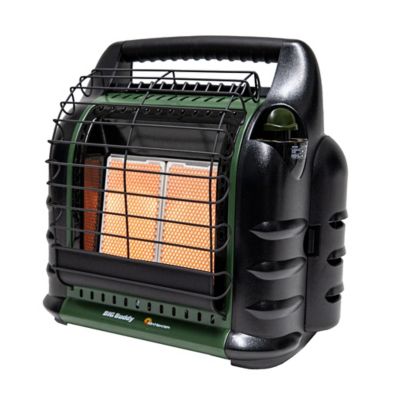
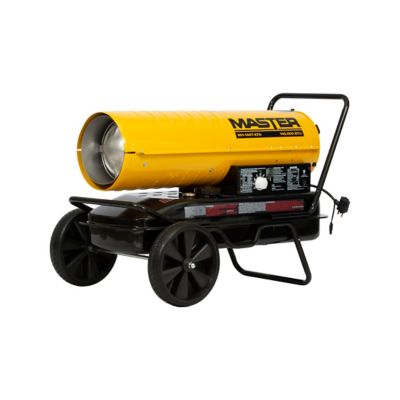
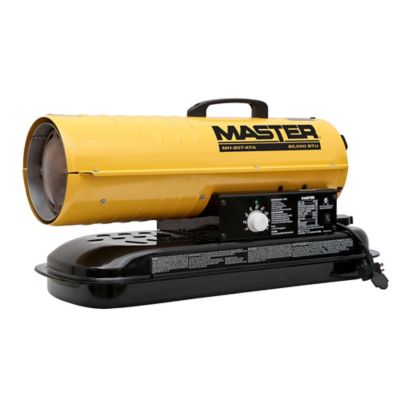
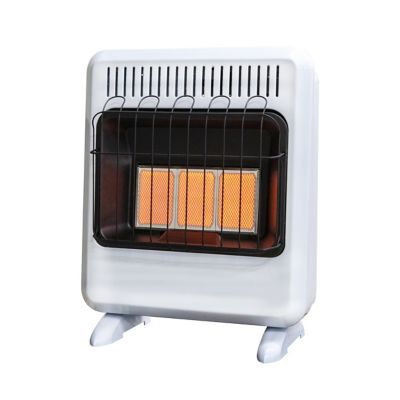
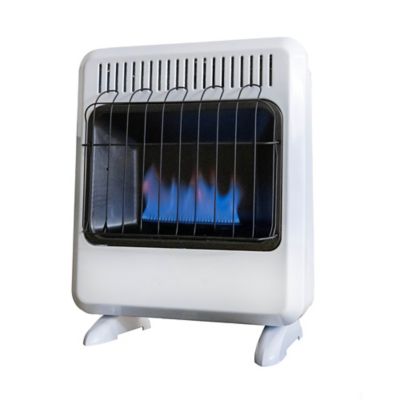
Propane space heaters bring heat closer to the job, whether that means taking the chill out of an approved workshop area or warming a designated spot on an outdoor worksite. They burn propane to produce heat, and their shape, heat delivery and operating requirements help determine where they belong. Radiant propane heaters send heat toward nearby people and surfaces, making them a practical option for a stationary task, such as working at a bench, when the setting meets the heater’s requirements. Convection models warm the surrounding air, while forced-air propane heaters pair a burner with a fan to move heated air through a larger work area. That difference matters when choosing between warmth aimed at one work station and heat spread across an open workspace. Many radiant models operate without an electrical outlet, but forced-air designs commonly need electricity for the fan, so propane fuel alone may not cover every operating need. Heat output is generally listed in British thermal units per hour, often shortened to BTUs in product descriptions. A higher BTU rating means more heat output, not automatic suitability for every building. Floor area, ceiling height, insulation, drafts and required ventilation all affect performance. A garage with a tall ceiling and frequent door openings presents a different heating task than a smaller, insulated workshop. Square-foot coverage figures are estimates rather than promises, and the manufacturer’s sizing information provides a better starting point than choosing by heater size alone. Adjustable heat settings offer flexibility when the task or heating needs change. Farmers tending equipment, contractors moving between job sites and homeowners tackling repairs may all have a place for propane heat, but the intended location comes first. A compact heater that is easy to carry may suit a short task in a permitted setting, while a larger wheeled design may fit a more open work area. The right match balances heating capacity, fuel supply, portability and the operating rules for that space.
Indoor suitability depends on the heater’s approval and instructions, not its appearance or the presence of a safety switch. Only operate a propane heater indoors when it is expressly approved for that setting, and follow its ventilation requirements along with applicable local rules. An outdoor-only heater does not become suitable for a room, tent, camper or enclosed building because a window or door is cracked. Fuel-burning heaters can produce carbon monoxide, an odorless gas, and propane combustion also adds moisture to the air. Any permitted indoor setup needs the required fresh-air openings and working carbon monoxide alarms; an oxygen depletion sensor is not a carbon monoxide detector or a substitute for ventilation. Depending on the design, protective features may include an oxygen depletion shutoff, tip-over shutoff, flame-failure protection or overheat protection. These features serve different purposes, and none removes the need for proper placement and supervision. For more on those considerations, see
Safe Propane Heaters. Clearance requirements apply in every direction specified by the manufacturer, including above the heater and around its hot surfaces. That is especially important in farm and shop settings where hay, bedding, lumber, cardboard, work clothes or fuel containers may sit nearby. A clear patch of floor is not enough if a shelf or hanging coat falls within the required clearance. Avoid operation where flammable vapors or combustible dust may be present, and keep children and animals away from the heater and its fuel connection. Propane supply also varies by design. Some small portable heaters accept 1 lb. cylinders, while larger units may connect to a 20 lb. tank or another specified cylinder size. Fuel consumption and operating time depend on heat output, the selected setting and the cylinder’s capacity. Match the cylinder, regulator, hose and any required filter to the heater’s instructions rather than treating connections as interchangeable. Keep cylinders upright and secured, route hoses away from hot surfaces and walking paths, and check connections with an approved leak-detection solution, never a flame. Cylinder placement and storage must follow the appliance instructions and local requirements; larger refillable cylinders do not belong inside living spaces.
Construction and everyday handling make a difference when a heater moves between the equipment shed, truck bed and work area. Metal housings, sturdy bases and protective guards are common features to consider, but a guard does not make the burner area cool to the touch. Powder-coated or painted steel housings still need protection from standing water, rough handling and storage conditions outside the manufacturer’s limits. A broad base helps support steady placement, while handles and wheels make some designs easier to move after they have cooled. On a gravel floor or uneven worksite, the need for a stable, level surface matters more than how convenient a carrying handle looks. Controls should be easy to reach without leaning across the heat source, and hose connections should remain accessible for inspection. Some heaters use push-button ignition, while others need batteries or an electrical connection, so those details belong in the setup plan alongside fuel. Noise is another consideration: a fan-driven heater can add noticeable sound to a workspace, whereas many radiant designs operate without a blower. For someone repairing a gate hinge or sorting hardware at a bench, directed radiant warmth may fit the task better than a stream of moving air. For a larger approved work area, forced air may provide broader heat movement, provided the required power, ventilation and clearances are in place. Care starts with shutting the heater down as directed and allowing it to cool before moving, cleaning or storing it. Inspect hoses, fittings, guards and housings regularly for damage, and keep air openings free of dust and debris according to the manual. Do not operate a heater with a damaged hose, altered regulator or missing protective part. Disconnect and store the fuel supply as instructed, and keep the appliance in a dry, protected location between jobs. Portable propane heaters should not run unattended or while anyone is sleeping. With the location, heat output and fuel setup matched to the task, propane space heaters can make hands-on work more comfortable without treating every heater—or every workspace—as the same.