Pre-emergent weed control for agriculture helps protect fields, orchards, nurseries, garden plots and other growing areas before weeds get a foothold. Instead of killing established weeds, these herbicides work in the upper layer of soil to stop newly germinating weed seeds from developing roots and shoots. That makes them a prevention tool, not a cure for weeds that are already up and growing. A well-timed application can reduce competition from common grasses and broadleaf weeds, helping crops make better use of available moisture, nutrients and sunlight. Farmers, market gardeners, orchard managers, nursery operators, landowners and grounds crews may all use pre-emergent herbicides as part of a broader weed management program. They can be especially useful where hand-weeding or repeated cultivation would take too much time, disturb crop roots or leave soil exposed. For more options suited to agricultural applications, browse our
Farm Pre Emergent Herbicide selection. These products are commonly applied before target weeds begin to germinate, which may be during the cooler part of the growing cycle or ahead of a period when soil temperatures are expected to rise. In some operations, an application is made in fall to help manage winter annuals, while other crops call for treatment before spring germination. The right timing depends on the crop, weed species, soil conditions and product label, so it is important to identify the weeds you are trying to prevent rather than choosing a treatment by name alone. A product that fits a cornfield may not be appropriate around vegetables, fruit trees, ornamentals or newly seeded areas.
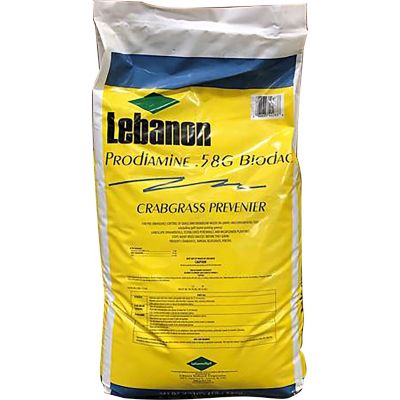
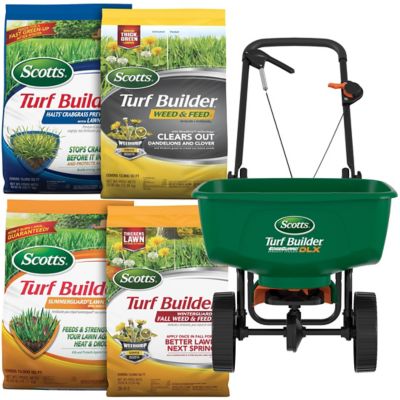
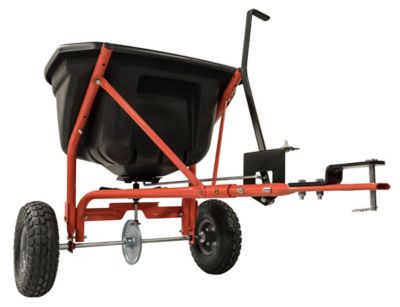
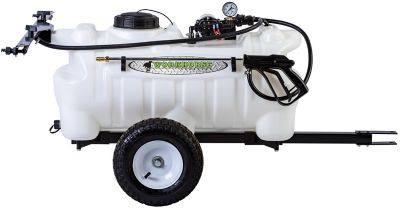
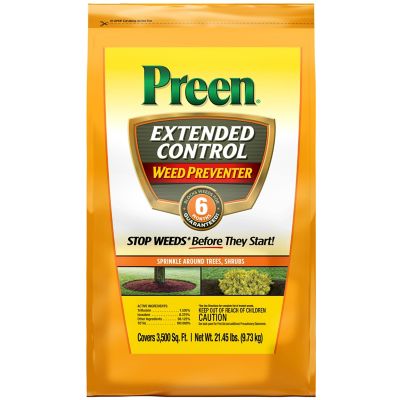
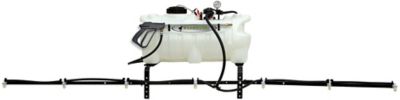
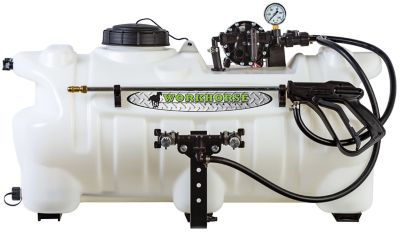
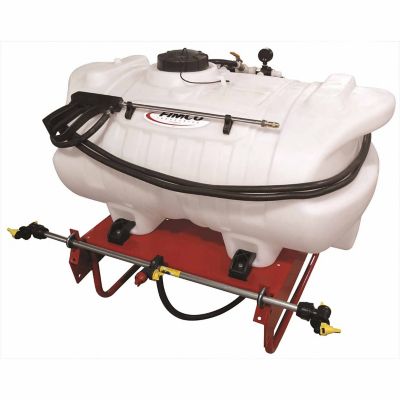
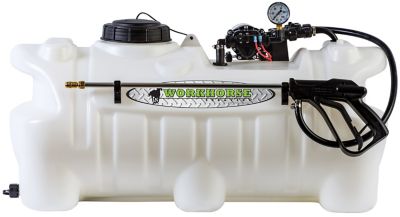
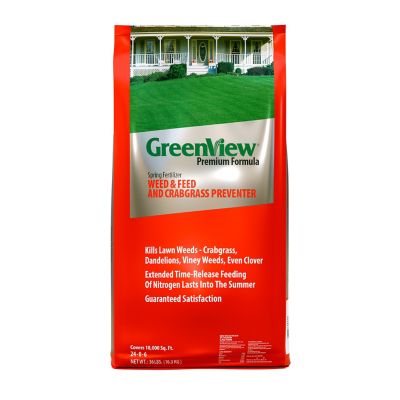
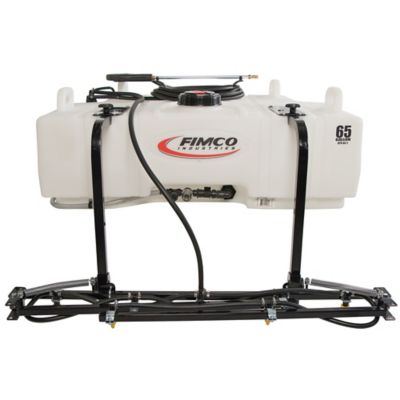
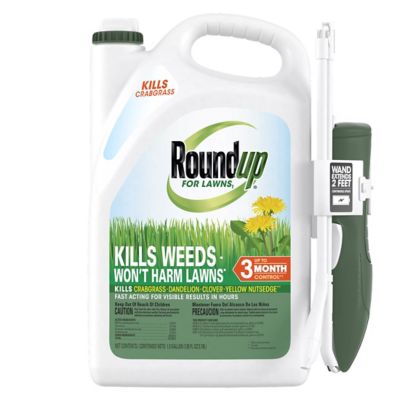
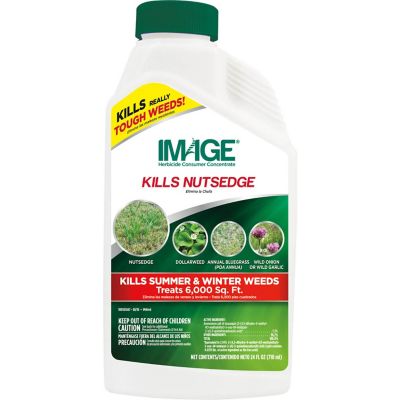
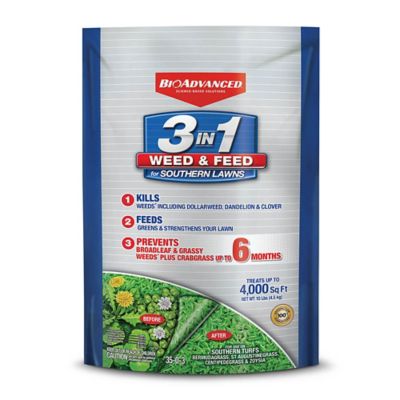
When comparing pre-emergent weed control products, start with the active ingredient, labeled use sites, target weeds and expected residual period. Agricultural and specialty pre-emergents may provide control for several months, often in the range of three to eight months, though performance varies with the product, application rate, rainfall, irrigation, soil type and weed pressure. Ingredients such as prodiamine are known for extended residual control against many grass and broadleaf weeds in certain field, nursery and landscape settings. Dithiopyr can provide pre-emergent control and may also help with very young crabgrass when applied according to the label. Trifluralin is used in some vegetable, tree and ornamental crop settings and can be a practical choice where the label permits it. These are general characteristics, not a substitute for reading the complete label. Crop safety is one of the most important purchase considerations, since some pre-emergent herbicides can injure sensitive crops, newly planted seed, transplants or shallow-rooted plants. Check crop tolerances, planting intervals, replant restrictions, treated acreage limits, required protective equipment and any instructions for grazing, harvest or irrigation. It also helps to consider the size of the area and the equipment available. A calibrated sprayer may be the better fit for broad acreage or row crops, while a spreader can be useful for certain granular formulations and smaller agricultural areas. Uniform coverage matters either way. Missed strips, overlaps and uneven application can lead to weed escapes, crop injury or wasted material, so measure the treatment area and follow the label rate carefully.
Pre-emergent herbicides need moisture to become active in the soil. Many applications perform best when followed by sufficient rainfall or irrigation, commonly around one-half inch within the time stated on the label, allowing the product to bond with the soil where germinating weed seeds are beginning to grow. Heavy rain, runoff, flooding or excessive irrigation can move herbicide out of the intended treatment zone, especially on sloped, sandy or compacted ground. Dry conditions can delay activation, while loose soil, crop residue and poor seedbed preparation may affect how evenly the treatment reaches the surface. Before applying, remove or control existing weeds because pre-emergents generally will not kill mature plants already growing above the soil. Keep records of the date, field or bed treated, product rate, weather conditions and crop stage; those notes can make the next application easier to plan as the weather changes. Always use the product only on sites and crops listed on its label, and follow directions for mixing, application, storage and disposal. Anyone handling these products should wear the protective clothing and equipment specified by the label and keep children, pets and livestock away from treated areas as directed. A thoughtful pre-emergent program can take pressure off the rest of the season, leaving fewer weeds to hoe between rows or pull along fence lines when the ground is hot and busy. It is a practical addition to cultivation, crop rotation, mulching and other sound farm practices, especially when selected for the crop, applied evenly and timed around the germination habits of the weeds in your area.