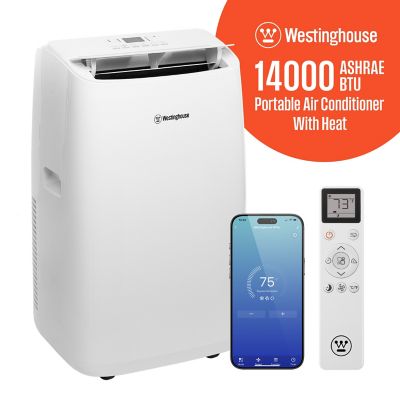
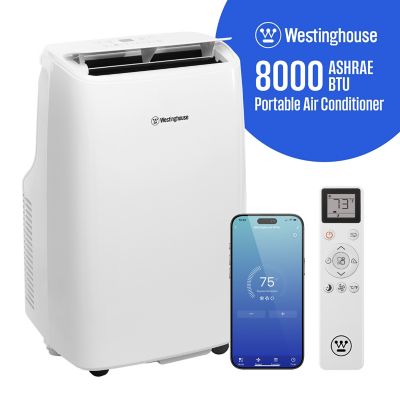
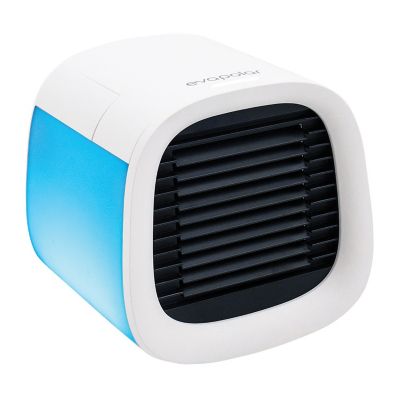
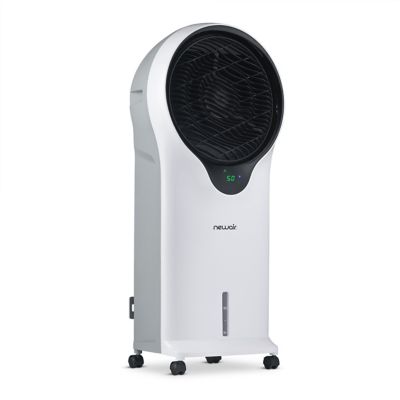
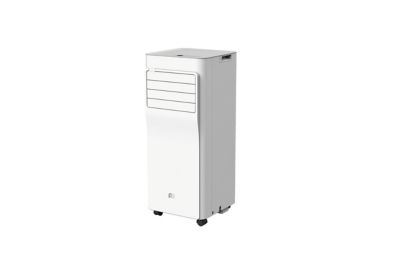
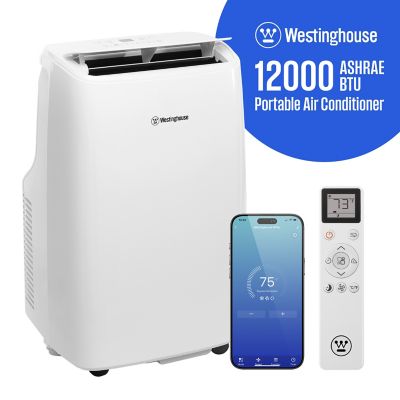
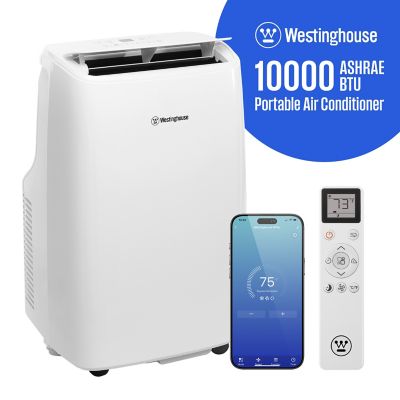
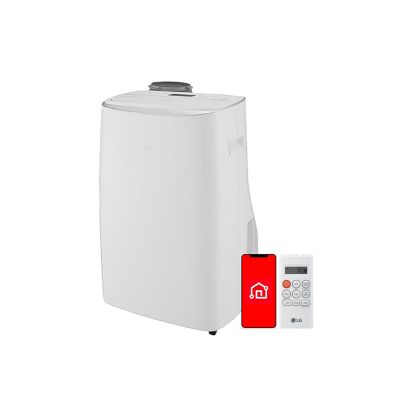
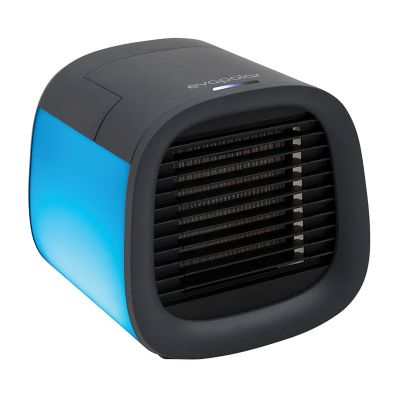
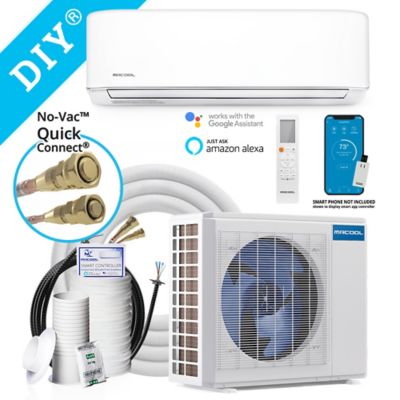
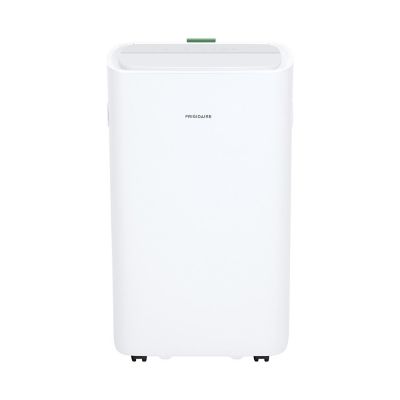
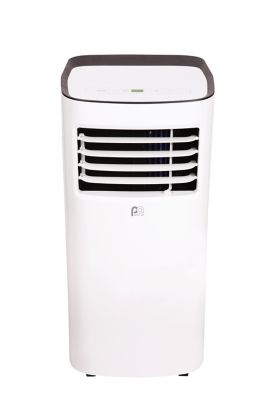
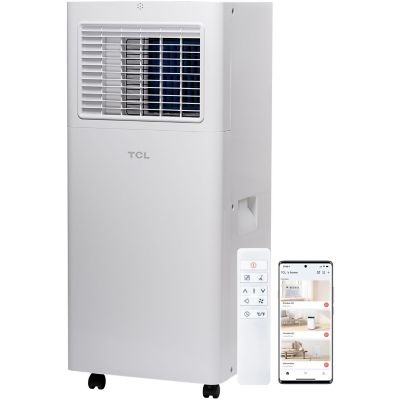
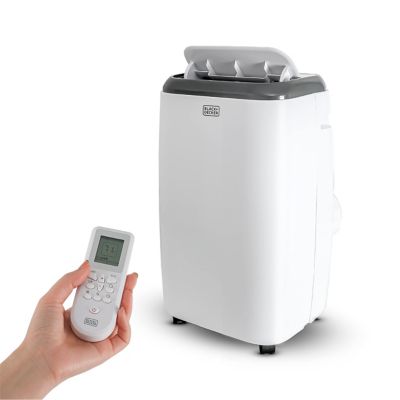
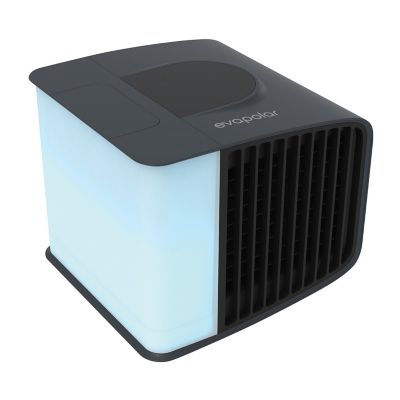
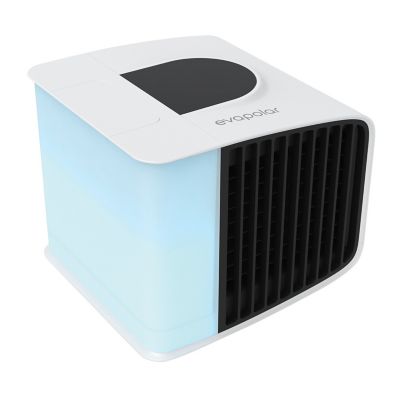
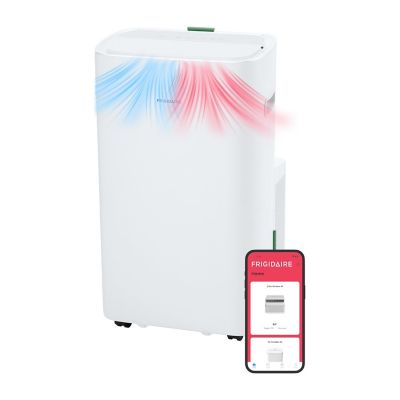
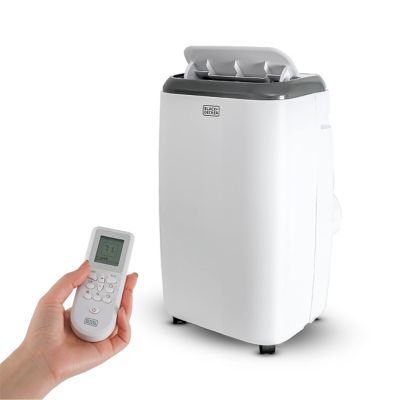
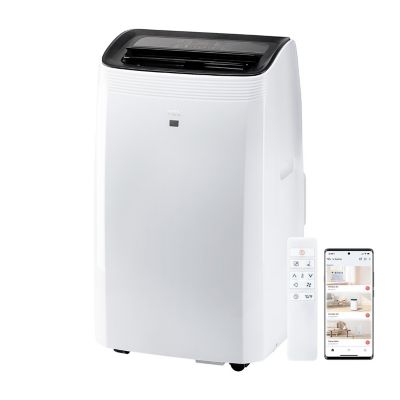
Portable heating and cooling units can help keep one room comfortable when the weather swings from warm afternoons to chilly nights. These all-season appliances are useful in homes, workshops, garages, cabins, offices, bedrooms and other spaces where whole-home heating and cooling may not reach evenly. A portable air conditioner and heater combo may cool, heat, dehumidify and circulate air, giving you one convenient unit to use through changing conditions. During the warmer part of the year, the cooling function removes heat and moisture from the room, while the exhaust hose sends warm air outside through a nearby window. When the air turns cooler, some units use a heat pump system and others use an electric heat strip to add warmth. Fan-only and dehumidifying settings can also come in handy when you want to improve airflow or take the damp edge off a room without running a full heating or cooling cycle. For a broader look at available options, browse
Portable Hvac Units. These units are especially handy for a spare bedroom, a nursery, a hunting cabin, a home office or a shop where you spend part of the day but do not need to condition the entire building. They can also be helpful in older homes with uneven temperatures, finished basements, enclosed porches and outbuildings with limited climate control. A portable unit may make a thoughtful housewarming gift for someone settling into a new place, or a practical gift for a college student, remote worker, camper or family member who needs more comfort in a particular room.
Before choosing a portable heating and cooling unit, start with the room where it will be used and check the recommended coverage area. Square footage is an important starting point, but ceiling height, insulation, sunlight, outside temperatures and the number of people or heat-producing appliances in the room also affect performance. A small, well-insulated bedroom may cool more easily than a large workshop with an open door, bare walls or afternoon sun pouring through the windows. Cooling and heating capacity may be listed separately, often in BTUs, and the stated coverage can differ between modes. In general, a higher BTU rating may be better suited to a larger or harder-to-condition space, but bigger is not always better for every room. An oversized air conditioner can cool the air quickly without removing enough humidity, leaving the room feeling clammy. Look for clear cooling and heating capacity information, and compare those figures with the manufacturer’s recommended room size. Portable units usually plug into a standard wall outlet, though it is wise to check the electrical requirements and avoid using an extension cord unless the instructions specifically allow it. Placement matters, too. The unit needs room around its air intake and outlet, a level surface, and a location close enough to a window for the exhaust hose and window panel to fit properly. A single-hose design sends warm exhaust outside through one hose. A dual-hose design uses separate intake and exhaust paths, which may improve efficiency in some rooms by reducing the amount of already-cooled indoor air used for venting. Follow the installation instructions carefully, make sure the window seal is snug, and keep the hose as straight and short as practical. A crushed or sharply bent hose can restrict airflow and reduce performance.
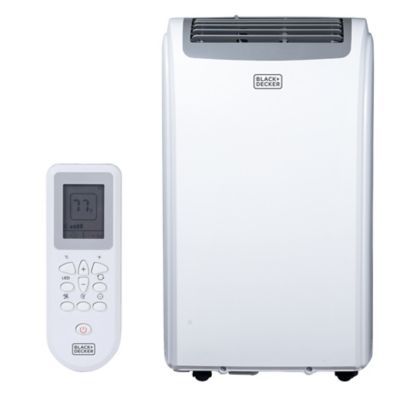
Convenience features can make a noticeable difference in everyday use, particularly when the unit is in a bedroom or work area. A remote control, thermostat setting, timer, adjustable fan speeds and a readable display can make it easier to manage comfort without getting up or walking across a dark room. Consider the noise level if the unit will run while you sleep, take phone calls or watch television. Drainage is another detail worth checking. Some models collect condensation in an internal tank that must be emptied, while others are designed to evaporate much of the moisture automatically or offer a continuous drain option. In humid weather, inspect the drain area and empty or connect it as directed so the unit can keep operating properly. Clean or replace filters according to the care instructions, wipe away dust around the vents, and keep the exhaust hose, intake and outlet free from boxes, curtains, hay, sawdust and other debris. In a barn office, workshop or rural home, that simple bit of upkeep can help protect airflow and extend the useful life of the appliance. Keep portable heating and cooling units on a stable surface away from water, flammable materials and heavy foot traffic, and leave proper clearance around the housing. Never cover the vents or use a heating function in a damp location unless the instructions say it is approved for that setting. When the season changes, clean and dry the unit before storing it upright in a protected area. With the right size, proper window venting and regular care, a portable unit can bring steady comfort to the room where you need it most, whether that means taking the chill off an early morning, easing the heat in a sun-filled room or making a hardworking space more pleasant through the changing seasons.