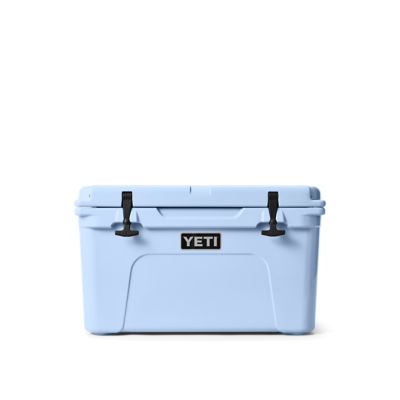
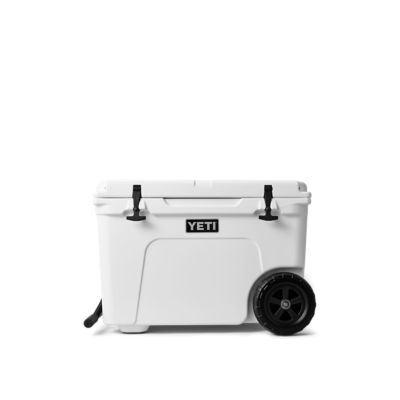
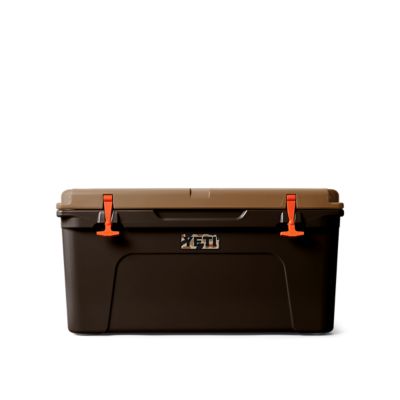
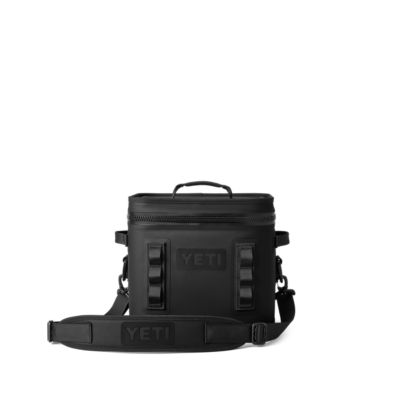
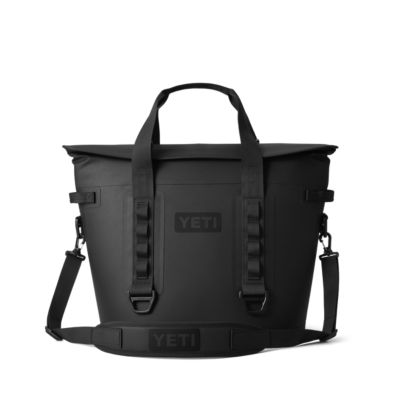
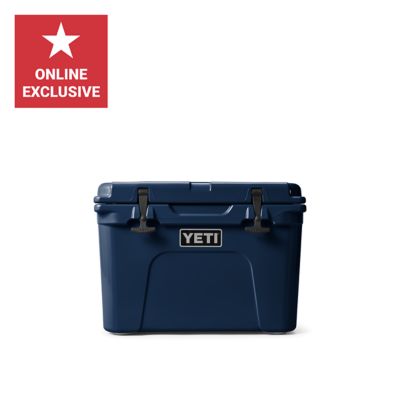
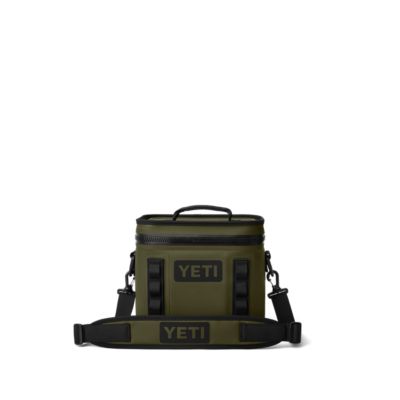
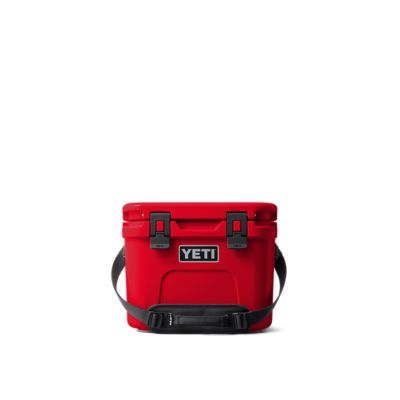
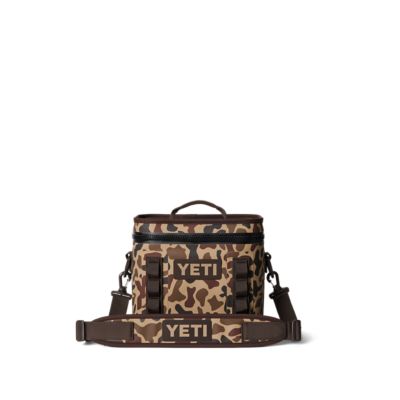
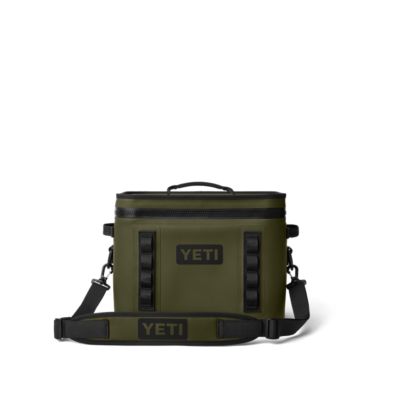
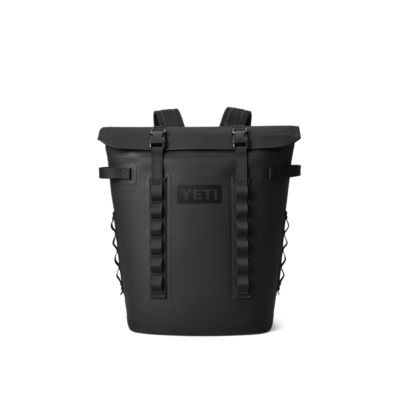
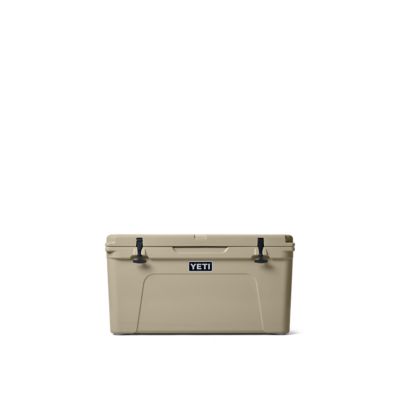
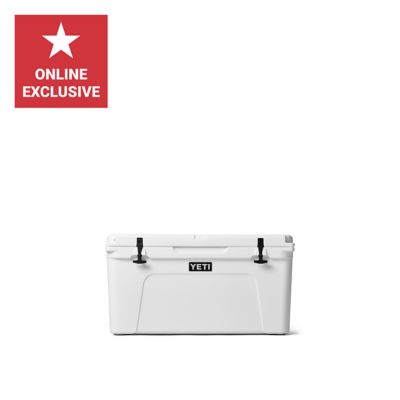
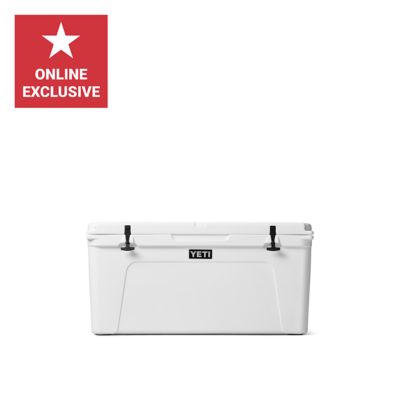
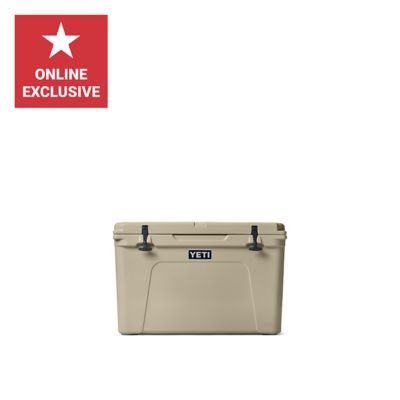
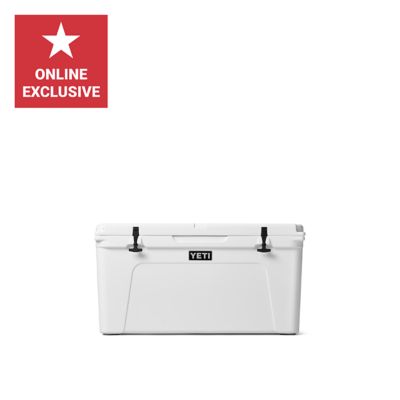
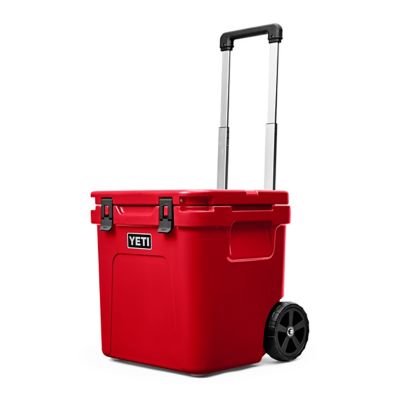
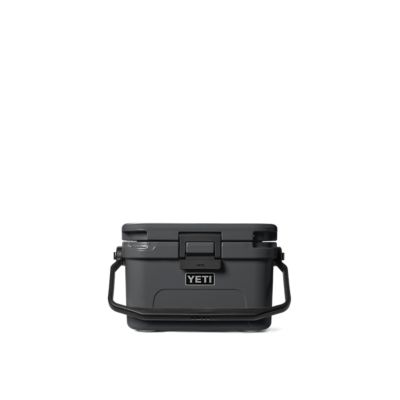
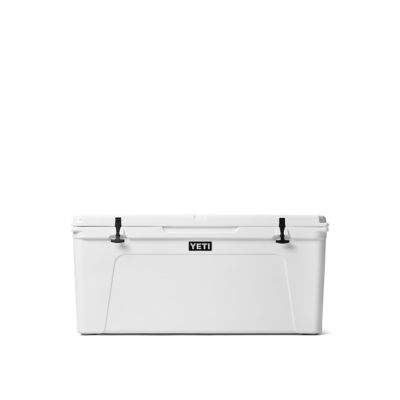
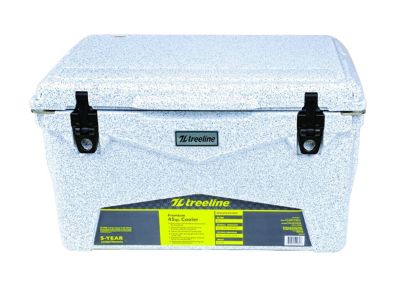
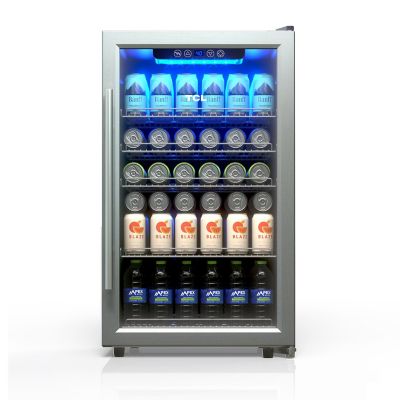
Portable coolers are carry-along containers that keep food and drinks cold with ice, frozen packs, or powered refrigeration, depending on the design. The main styles include hard-sided ice chests, soft-sided cooler bags, backpack coolers, wheeled coolers, and electric coolers. Each fits a different kind of outing, from lunch beside the tractor to a full day of fishing or a family road trip. Hard-sided coolers generally offer a structured interior, a firm lid, and insulation between the inner and outer walls. Molded plastic shells stand up to bumps and wipe clean after a ride in the truck bed, while latches and lid gaskets help limit air exchange. Soft-sided coolers trade that rigid shell for flexible fabric, often polyester or nylon, with insulation and an interior liner. They tend to fit more easily behind a seat or alongside other gear, and some fold down for storage. Backpack styles leave both hands free for carrying tackle, opening gates, or keeping hold of a youngster’s hand. Wheeled designs take some of the carrying out of moving a loaded chest across a parking lot or along a firm path. Size matters beyond the capacity printed on the label. A quart rating describes interior volume, but actual room for lunch and drinks depends on the shape of the compartment and how much ice goes inside. Can counts also depend on the container size and packing arrangement, so they are best treated as a comparison rather than a promise about a particular load. Exterior measurements determine whether a cooler fits behind the pickup seat, beneath a boat bench, or in a packed cargo area. A tall interior can accommodate upright bottles, while a wider opening makes it easier to reach food without unloading everything. Empty weight deserves attention, too, since ice and beverages can turn a manageable cooler into a two-person lift.
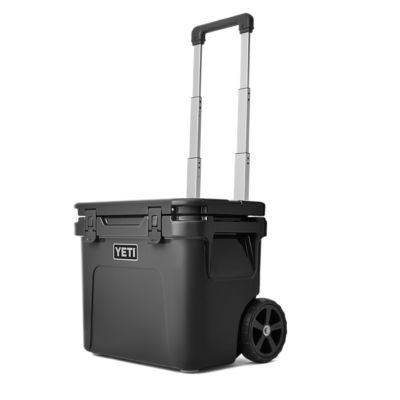
The right carrying setup makes a difference when the cooler leaves the tailgate. A compact lunch cooler with a padded shoulder strap can suit someone moving between the barn, shop, and truck throughout the day. For longer walks, backpack straps that adjust to the wearer and a padded back panel can make the load easier to manage. Large side handles provide room for a firm grip, including with work gloves, while a telescoping handle and wheels are handy where the ground allows them to roll. Loose gravel, deep ruts, stairs, and narrow boat decks call for a different approach than smooth pavement, so wheel size and overall width matter. Around a campsite or fishing spot, practical details include nonslip feet, tie-down points, drain plugs, and baskets that separate sandwiches from melting ice. A secure latch helps keep the lid shut in transit, though any cooler traveling in a vehicle still needs proper restraint. Ice retention depends on insulation, the lid seal, how much chilled food and ice are packed inside, and how often the lid opens. There is no single holding time that applies to every cooler and every load. Starting with chilled contents means less of the ice goes toward cooling food that was warm when packed. Keeping frequently reached-for drinks separate from perishable food can also reduce repeated opening of the food compartment. Perishable food needs to stay at 40°F or below, and a thermometer provides a better check than judging by touch or the amount of ice remaining. Electric coolers offer another way to carry refrigerated food, but their operation varies. Thermoelectric designs cool relative to the surrounding air, while compressor models generally provide thermostat-controlled refrigeration. Compatible vehicle or household power connections, ventilation clearance, and battery protection are important considerations for powered designs. A vehicle outlet is not an unlimited power source, especially with the engine off, and a cooler’s electrical requirements need to match the intended setup.
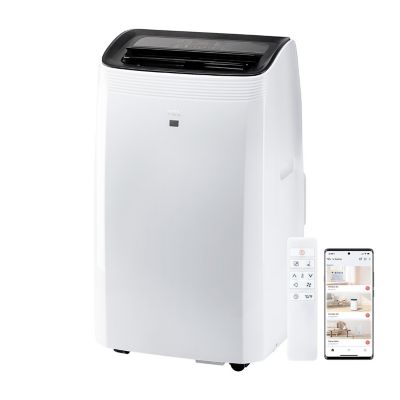
Portable coolers earn their place through everyday convenience as much as through big outings. A ranch hand may need enough room for lunch, several drinks, and an extra snack without taking over the cab. An angler may want a washable hard-sided compartment and handles that are easy to grab at the dock. A family heading to a ball field may get more benefit from wheels, separate storage pockets, and space for everyone’s bottles. For someone who regularly packs meals or spends long stretches away from a kitchen, a cooler can make a practical gift, especially when its size and carrying style fit that person’s routine. Construction details influence how well it handles repeated trips: reinforced seams, firmly attached handles, protected corners, and hinges suited to frequent opening all deserve a close look. Soft-sided liners need protection from sharp utensils, hooks, and rough-edged packaging, while hard-sided interiors benefit from prompt cleaning after spills. Mild soap, water, and a soft cloth are suitable for many designs, with the manufacturer’s care directions taking priority for liners, seals, fabrics, and electrical components. Draining meltwater after the trip, clearing crumbs from gasket channels, and letting the interior dry completely before storage help prevent lingering odors. Zippers and drain fittings also need to stay free of grit so they can close properly. Powered components should stay dry unless the care directions specifically allow otherwise. Storage fit matters at home as well as on the road; a cooler that slips onto a garage shelf is easier to keep close at hand than one that blocks a walkway. Food storage and workspace comfort are separate needs:
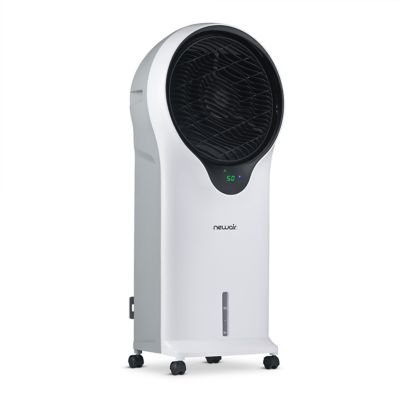
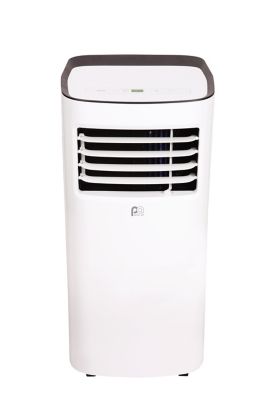
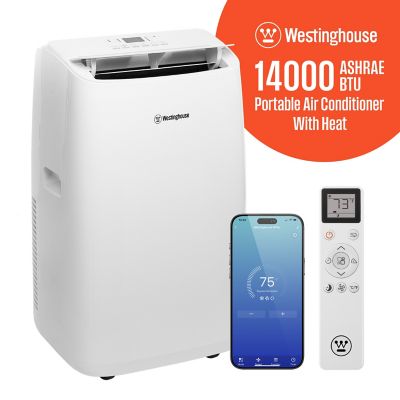
Portable Heat Cool Units address heating and cooling in suitable spaces rather than holding meals and beverages. For portable coolers, the most useful combination is straightforward: enough room for the load, a carrying arrangement that suits the trip, and surfaces that are easy to clean before the next day out.