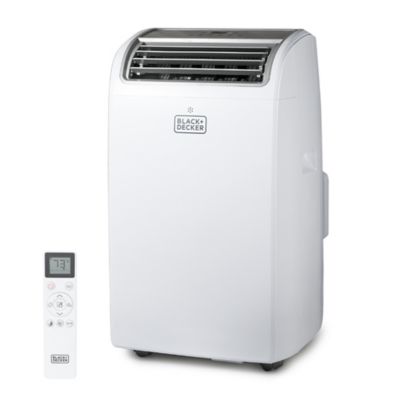
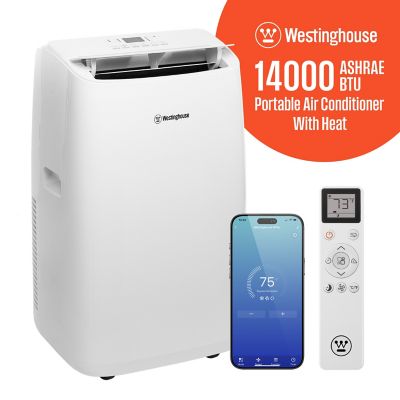
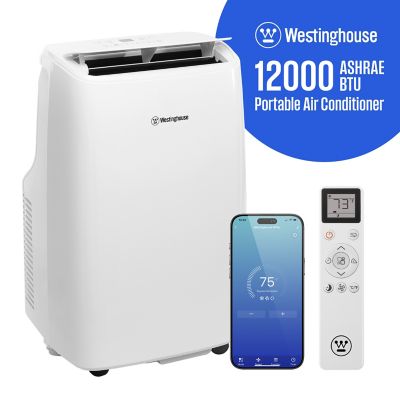
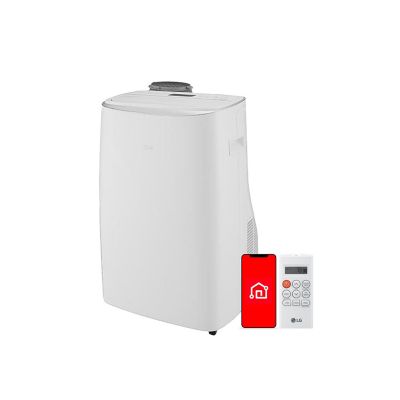
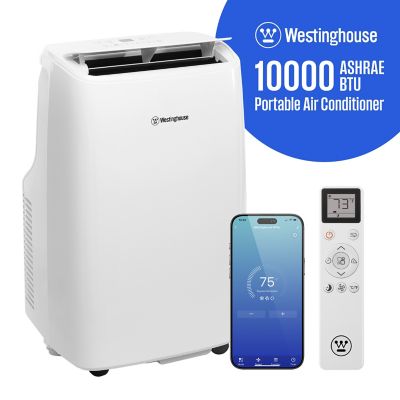
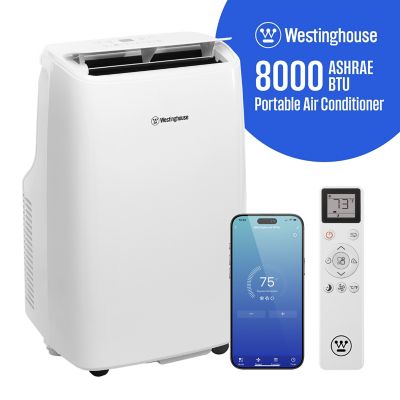
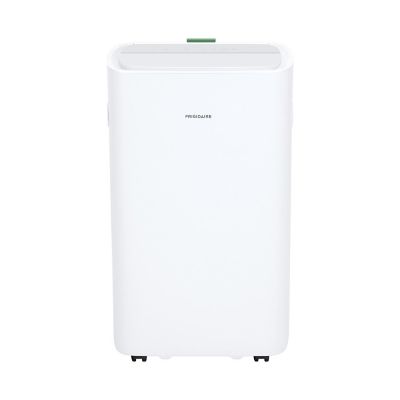
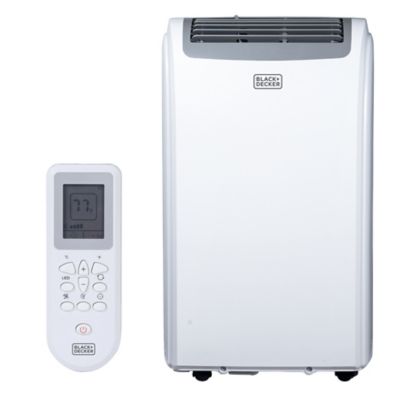
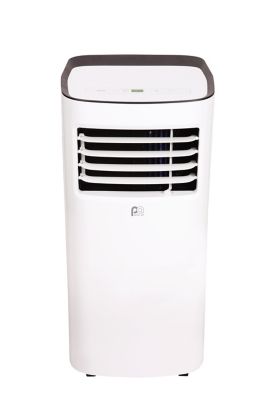
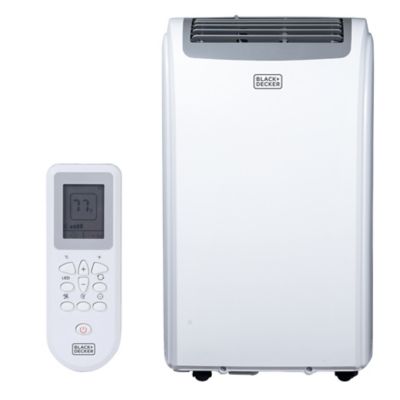
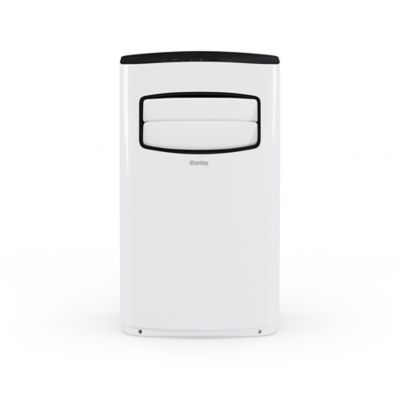
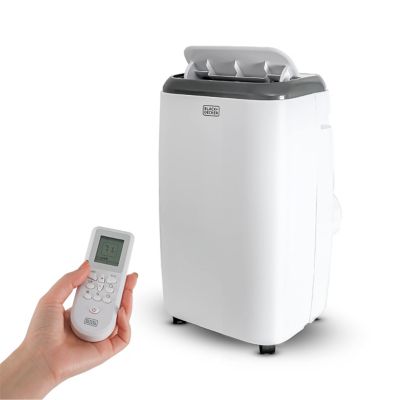
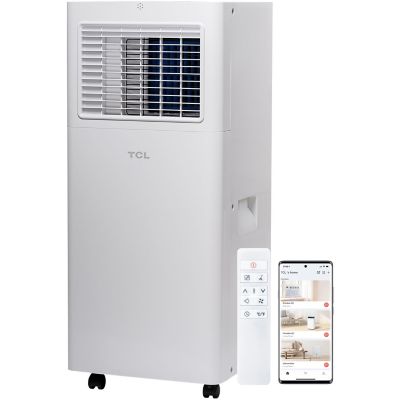
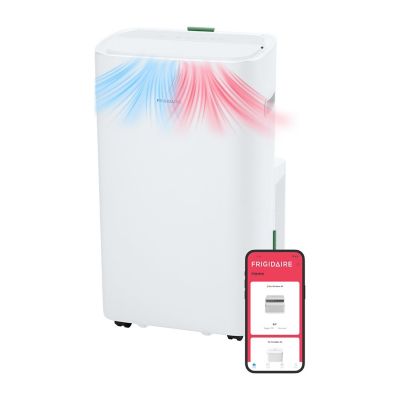
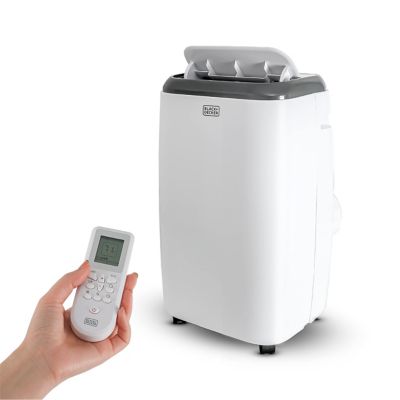
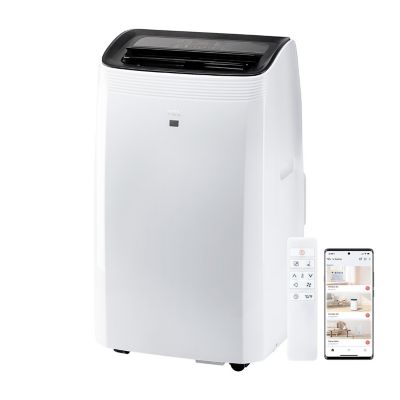
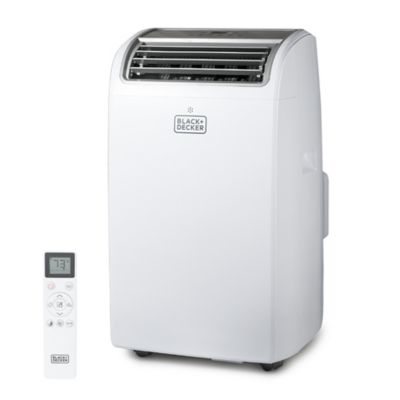
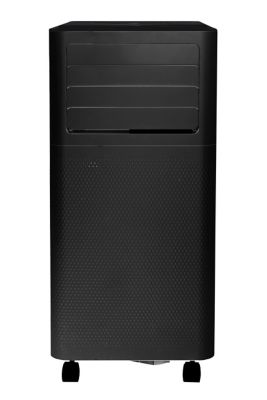
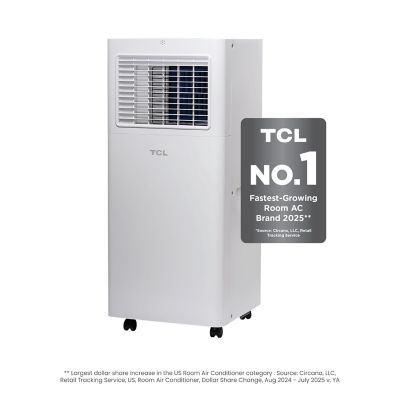
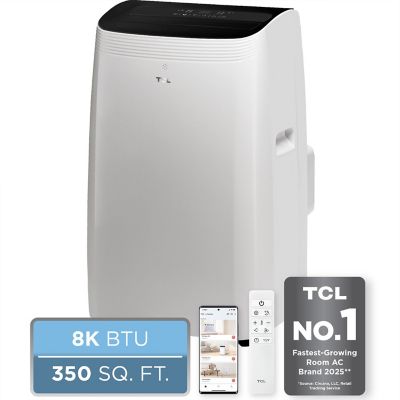
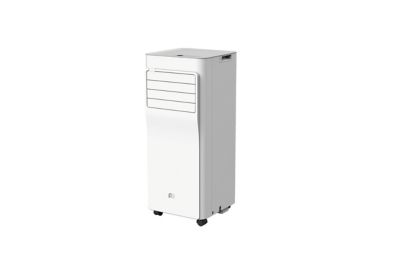
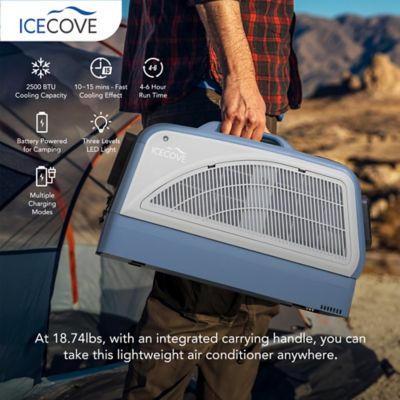
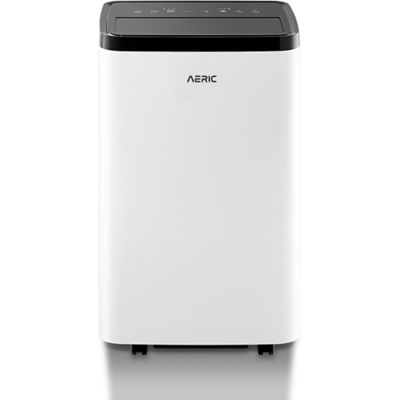
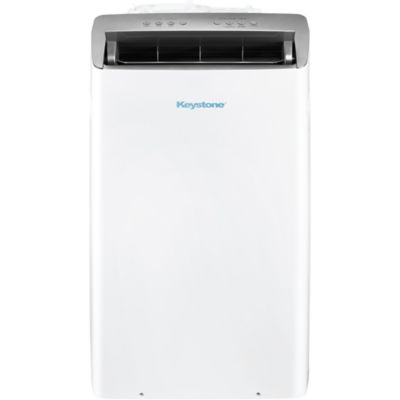
A portable air conditioner is a movable room-cooling appliance that draws in indoor air, removes heat and moisture, and sends heat outdoors through an exhaust hose. Most have wheels for moving across a level floor, along with a window venting kit that connects the hose to a compatible opening. That setup makes portable air conditioners a practical fit for enclosed spaces where a central system needs a little help or a window-mounted unit isn’t a good match. Think of a bedroom over the garage, a home office facing the afternoon sun, or a finished room off the farmhouse kitchen. These units cool individual rooms rather than an entire house, and they work best where doors and windows can stay closed. Cooling capacity is measured in British thermal units, or BTUs, but the number on the label needs some context. Portable air conditioners may show both an ASHRAE rating and a Department of Energy seasonally adjusted cooling capacity, often called DOE SACC. Those ratings come from different test methods, so comparing the same type of rating across units gives a clearer picture of cooling performance. The manufacturer’s stated room coverage is another useful reference, considered alongside ceiling height, direct sunlight, insulation, and heat from people or equipment. An upstairs room with tall ceilings and broad windows can need more cooling than a shaded room with the same floor area. More capacity isn’t automatically better, either: an oversized unit may cycle off before removing enough moisture, while an undersized one can run for long stretches without reaching the set temperature. Single-hose designs exhaust indoor air outdoors, which can draw replacement air into the room through gaps. Dual-hose designs have separate paths for outdoor intake and exhaust air, helping reduce that effect. Either design still needs proper venting and a room size that suits its cooling capacity.
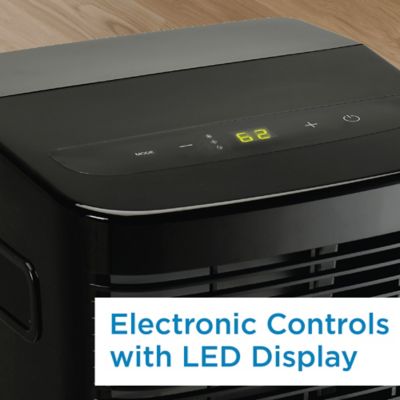
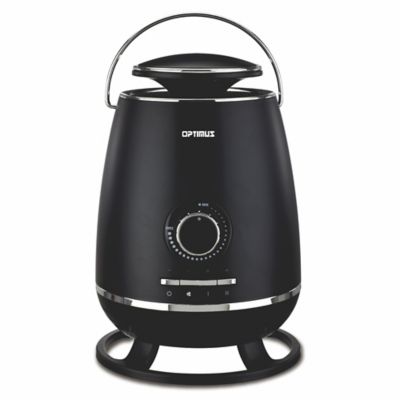
The fit of a portable air conditioner involves more than finding an open patch of floor. There needs to be enough space around the cabinet for airflow, a nearby electrical outlet that meets the unit’s requirements, and a suitable route for the exhaust hose. Window kits vary in width and configuration, so the opening’s measurements and sliding direction matter. A kit intended for a vertically opening window may not fit a casement window without a manufacturer-approved solution. The hose should follow the routing and length specified in the instructions, without sharp bends, crushing, or an unapproved extension. Heat must leave the building rather than empty into an attic, crawl space, or another enclosed room. Keeping the window panel snug helps limit outdoor air and insects getting inside, a welcome detail in a room overlooking pasture or a busy farmyard. Many portable units pair a molded plastic outer cabinet with metal internal components, a washable screen filter, and rolling casters. Handles and wheels make repositioning easier, but stairs, deep carpet, and uneven thresholds still take planning; these appliances can be heavy. A firm, level surface also helps with drainage and keeps the cabinet steady. Everyday controls can make just as much difference as the physical fit. Depending on the design, features may include adjustable fan speeds, directional louvers, a remote control, a timer, or connected controls. A timer can suit a home office that’s occupied for only part of the day, while a remote is handy beside a bed or recliner. Fan-only operation circulates air without providing active cooling, and a separate dehumidifying mode focuses on moisture removal. For rooms that need both cooling and heating,
Portable Heat Cool Units offer another category to consider, with heating method, operating limits, venting, and electrical requirements worth checking before making a choice.
Moisture handling and routine care are part of living with a portable air conditioner, especially in a room that feels sticky even after the temperature drops. Some designs evaporate much of the collected moisture and discharge it through the exhaust, while others collect water in a reservoir or support continuous drainage. Even a self-evaporating design may need draining when indoor humidity is high. A full-tank alert or automatic shutoff can help prevent overflow, but drain access still matters when deciding where the unit will sit. Continuous drainage may require a downhill hose path or a compatible pump arrangement, depending on the appliance, so the intended drain location deserves attention before setup. Accessible filters are another practical detail for country homes, where pet hair, lint, and tracked-in dust can collect quickly. Cleaning a washable filter according to the manual helps keep air moving across the coils; letting it dry fully before reinstalling it is important, too. The cabinet and intake openings also benefit from regular attention, with the appliance unplugged before cleaning. Internal repairs and refrigerant work belong with a qualified service technician. For everyday performance, clear airflow matters more than tucking the unit out of sight behind a chair or curtain. Closing off adjoining rooms, shading sun-facing glass, and sealing gaps around the window panel can reduce the cooling load without changing the thermostat setting. Sound is another consideration because the compressor and fan sit inside the room. Published noise ratings can help with comparisons, though fan speed, floor surface, and room layout all affect what reaches a bedside or desk. Sleep settings may soften fan operation or adjust temperature gradually, but they don’t make a running compressor silent. Before moving or storing the appliance, following its draining, drying, and transport directions helps prevent spills and lingering odors. With room coverage, venting, drainage, and daily upkeep accounted for, a portable air conditioner can bring focused comfort to the enclosed spaces where the day’s work gets finished or the household settles down.