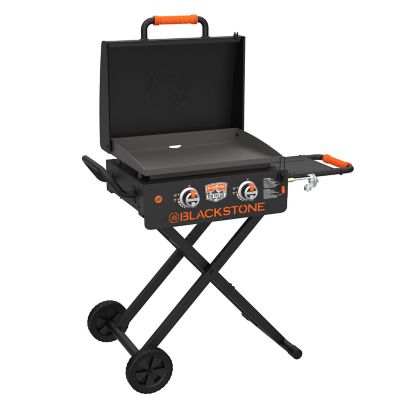
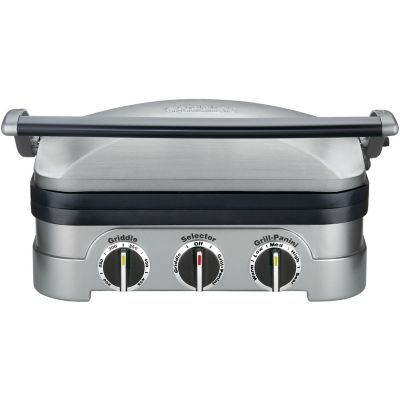
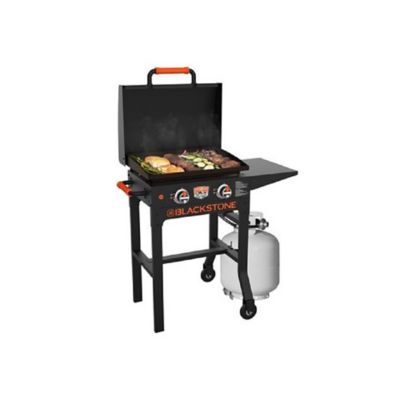
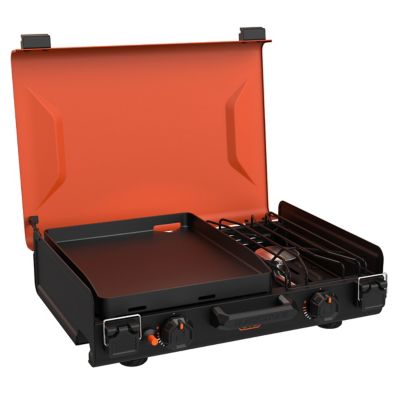
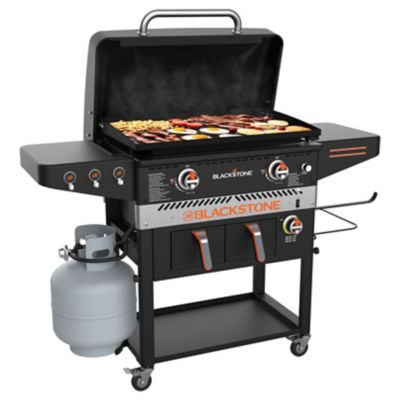
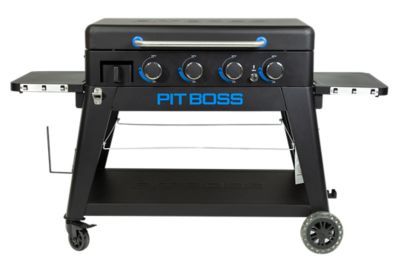
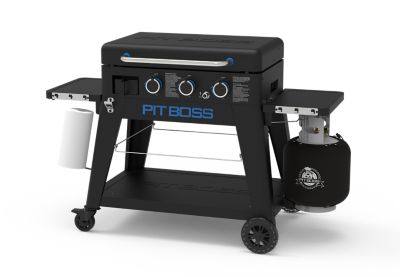
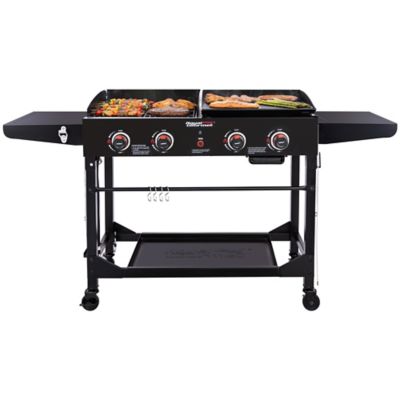
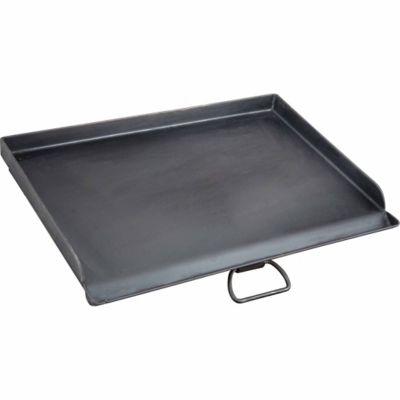
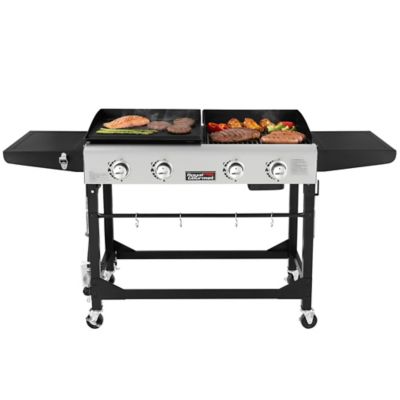
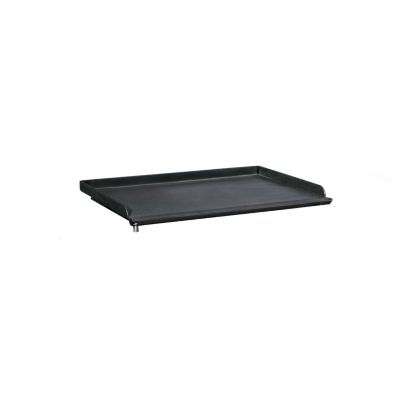
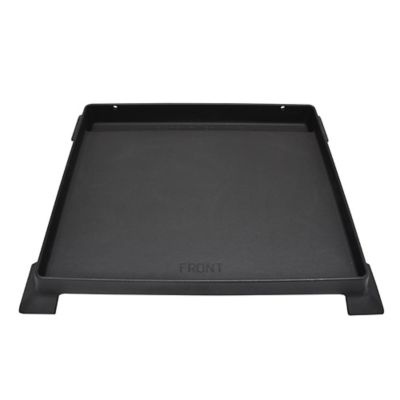
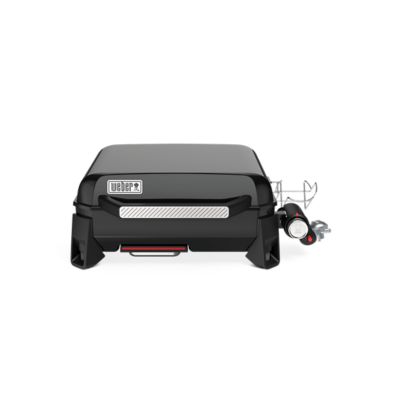
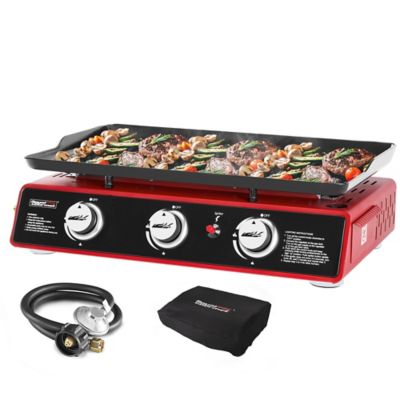
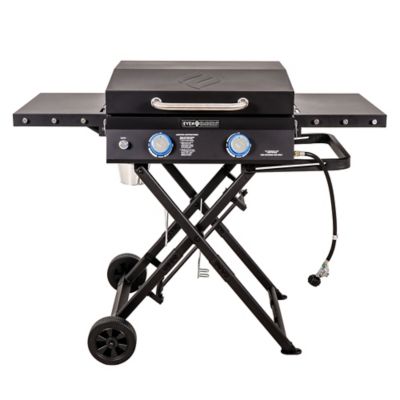
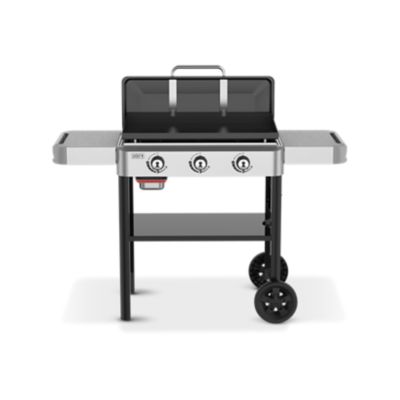
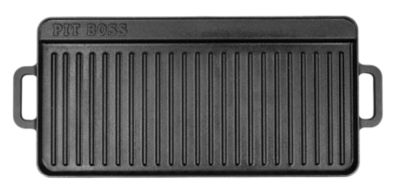
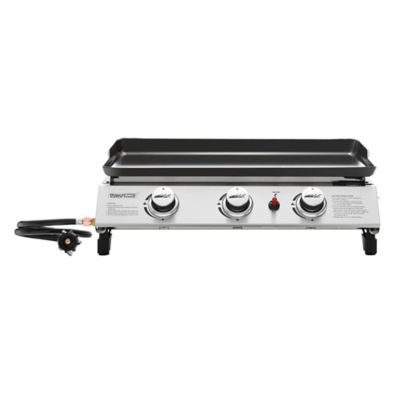
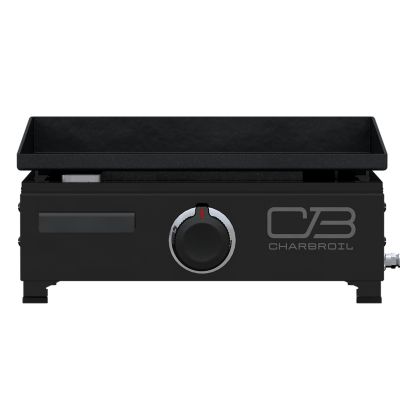
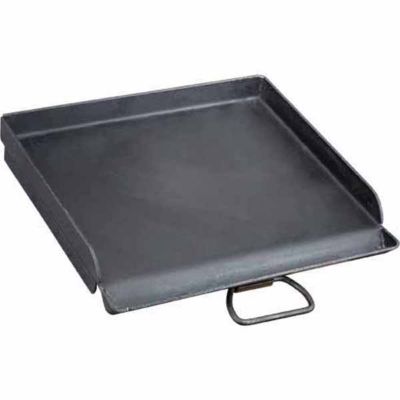
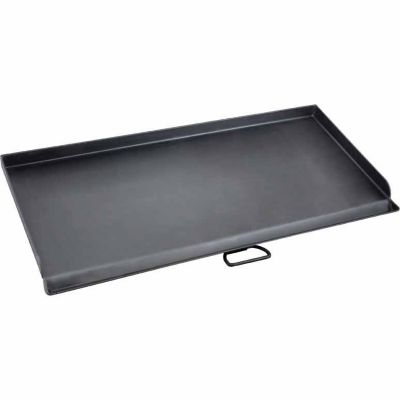
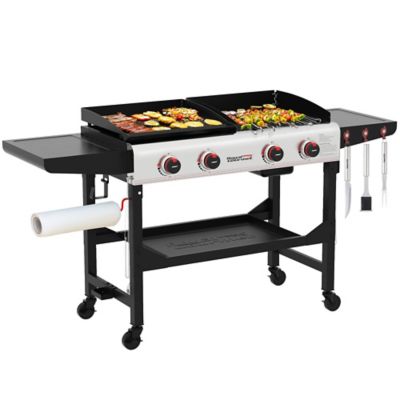
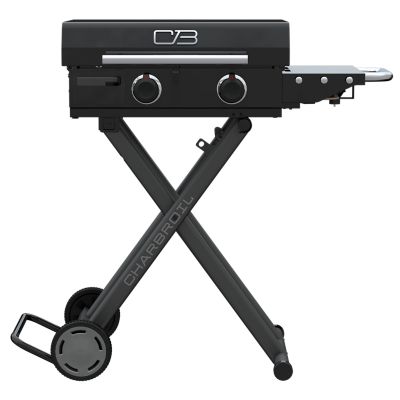
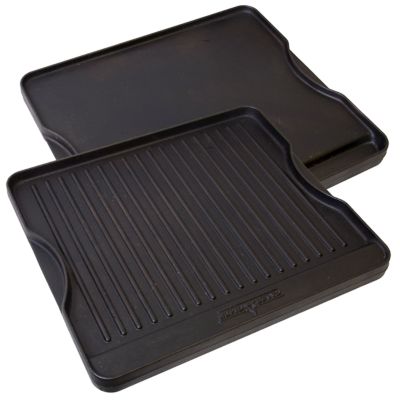
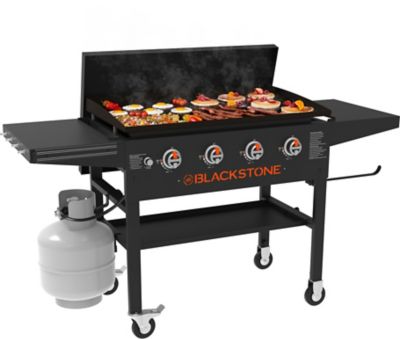
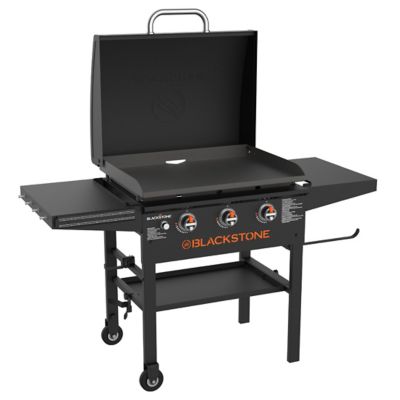
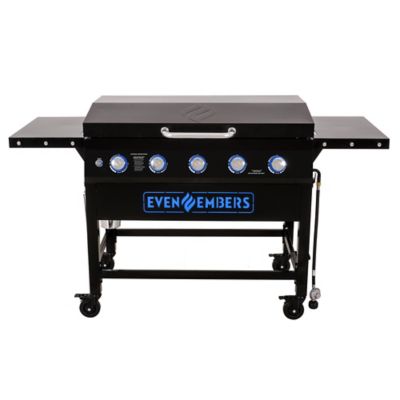
Portable griddles put a broad, flat cooking surface into a setup that can travel from the back porch to a campsite or tailgate. Unlike a grill with open grates, a griddle supports food across a solid metal plate, making it a good match for pancakes, scrambled eggs, chopped vegetables, burgers, and toasted sandwiches. That surface keeps small pieces from dropping through and gives a spatula room to slide beneath a row of hash browns or turn a quesadilla. For folks feeding a few hungry hands after chores, the appeal is straightforward: several parts of a meal can share one cooktop, with less back-and-forth between the kitchen and the table. Portable designs range from tabletop units that sit on a suitable support to models with folding legs or a separate stand. The right size depends on both the number of mouths to feed and the way the food cooks. A couple of burgers need less room than a full breakfast with bacon, eggs, and potatoes spread across the plate. Advertised cooking area helps with comparisons, but the shape of that space matters, too. A wide surface can leave more working room between ingredients, while a deeper plate may suit a particular table or storage shelf better. Multiple independently controlled burners can create different heat zones, letting one section handle a hard sear while another finishes food more gently. Those zones are not completely separate, since heat travels through the metal. Burner output is only one part of cooking performance; plate thickness, burner placement, and heat distribution also affect how the surface handles a batch of food. A higher BTU rating alone does not tell the whole story. For a couple cooking at camp, a compact setup may be plenty. For a family that likes everyone eating together, extra cooking space can mean fewer rounds at the spatula and less waiting for the last sandwich to come off the plate.
Fuel choice shapes where a portable griddle fits into the day. Propane griddles suit outdoor cooking where there may not be an electrical outlet, while electric griddles need a suitable power source and a location approved by the manufacturer. Some propane models connect to small cylinders, and others can connect to larger tanks with the correct regulator and approved hose assembly. Connections vary, so cylinder compatibility belongs alongside cooking area and packed size when comparing designs. A larger tank can make sense for repeated meals at a settled campsite, while a small cylinder keeps the setup more compact for a short outing. Neither arrangement makes a propane griddle safe for indoor cooking: fuel-burning equipment belongs outdoors, away from enclosed spaces, and positioned according to its clearance requirements. Electric models have their own placement and electrical requirements, including whether outdoor operation is permitted. On either type, a level, heat-safe support helps keep the cooking plate steady and grease moving toward its collection point. Surface materials also make a noticeable difference. Carbon steel and cast iron generally call for seasoning and careful drying to help protect against rust. Cast iron often adds heft, which matters when lifting a unit onto a table or into a truck. Stainless steel surfaces have different care needs, and coated nonstick plates require utensils and cleaning methods that protect the finish. A thicker plate can hold heat well as food goes down, though it may also add weight and take longer to heat up. The choice between portable griddles and
Outdoor Portable Gas Grills comes down partly to the menu: flat tops support loose ingredients and full-contact browning, while open grates let drippings fall away and produce grill marks. Someone who likes diner-style breakfasts may favor the griddle surface, while a cook focused on grate-seared steaks may lean toward a grill.
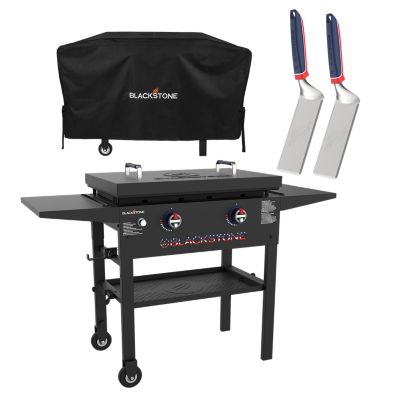
A portable griddle earns its place by fitting the whole trip, not just the meal. Cooking dimensions and packed dimensions tell different stories, especially when a unit has projecting handles, a grease cup, folding legs, or side shelves. The space beneath a camper bench or behind a pickup seat may be more limiting than the space at the cooking spot. Total carrying weight matters just as much, including any stand, fuel cylinder, and accessories traveling with it. Balanced handles, secure leg locks, and a stable base can make setup less awkward, but a griddle should be fully cooled before it is moved or packed. Removable plates and grease trays can simplify cleanup, provided they stay secure during cooking and travel. Grease capacity deserves attention when bacon or burgers are regular fare; a collection cup needs enough room for the meal and a position that is easy to reach without brushing against hot metal. Care requirements should fit the owner's routine as well. A seasoned steel or cast iron plate generally needs food residue cleared away, thorough drying, and a light protective oil coating as directed by the manufacturer. Coated surfaces may need a soft sponge instead of a scraper, and electrical components must stay out of water unless their instructions specifically permit washing. Covers and carrying bags can help keep dust and road grit off the equipment once everything is clean and dry, but they do not replace proper storage. Practical touches such as accessible controls, room for a spatula, and a grease outlet that is easy to clean can matter more over time than extra attachments. For campers, tailgaters, and backyard cooks, a portable griddle can also make a useful gift when its size, fuel needs, and lifting weight match the recipient's habits. The best fit leaves room for the food, rides along without a wrestling match, and makes a familiar meal feel right at home wherever the outdoor table is set.