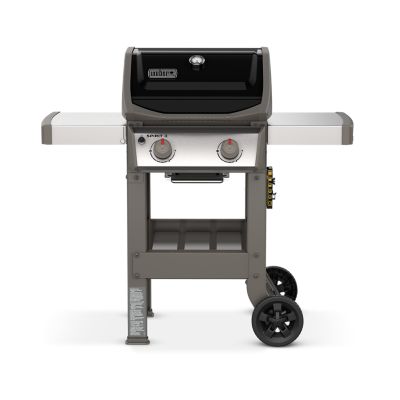
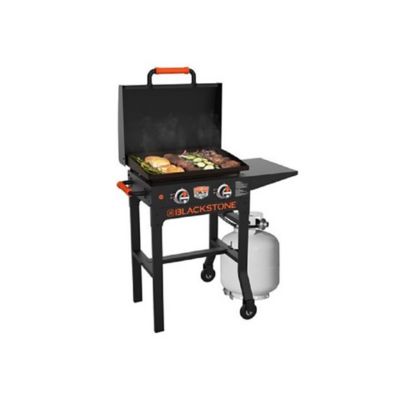
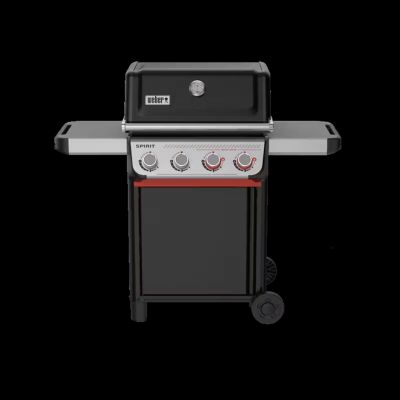
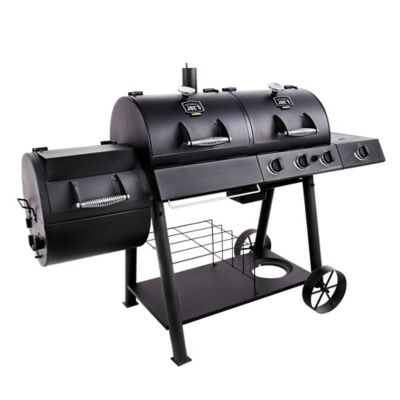
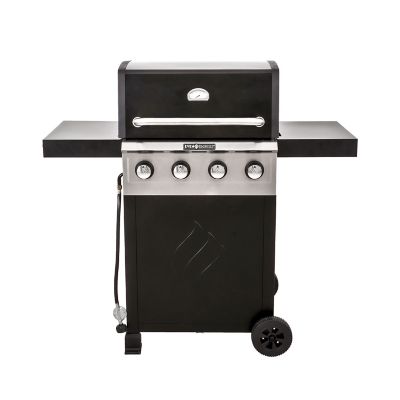
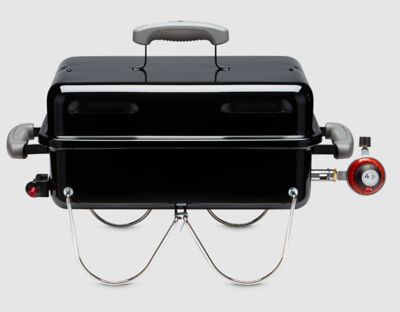
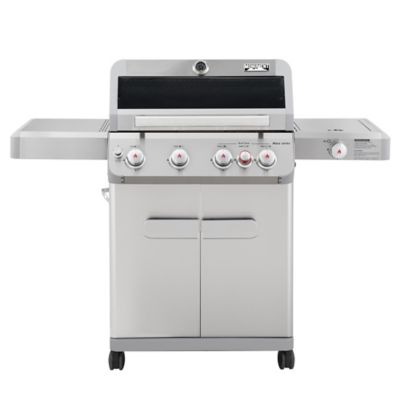
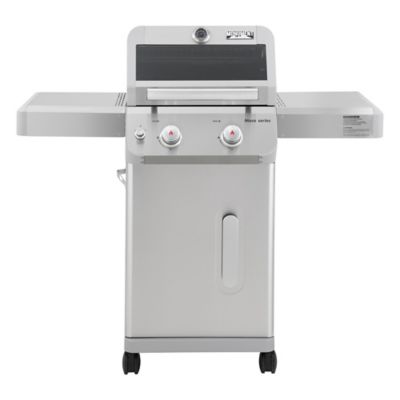
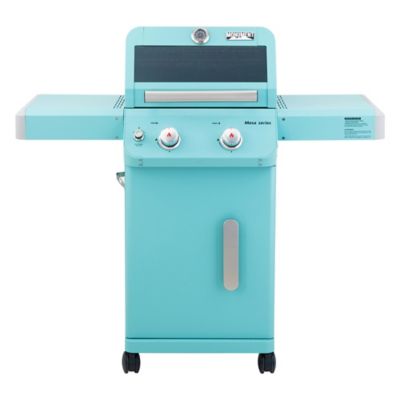
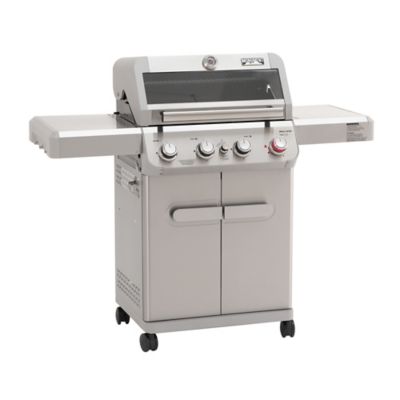
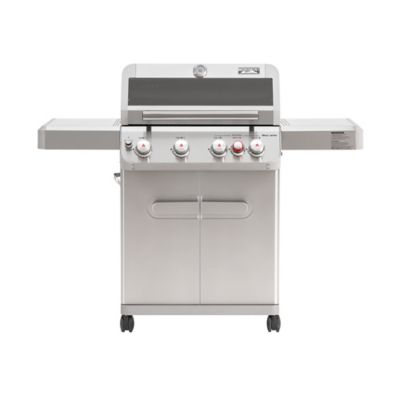
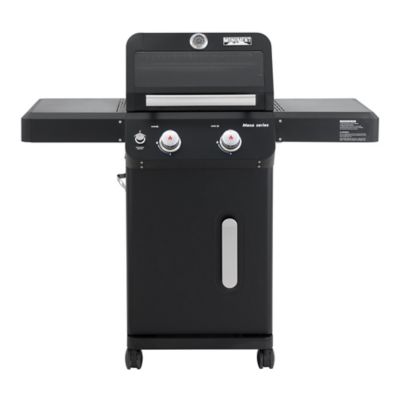
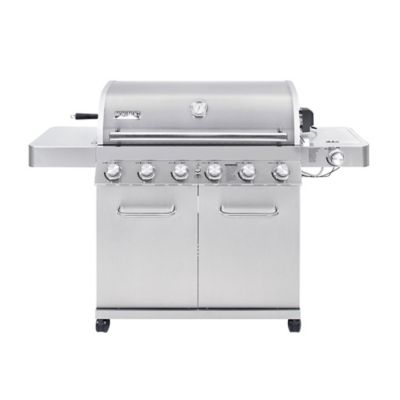
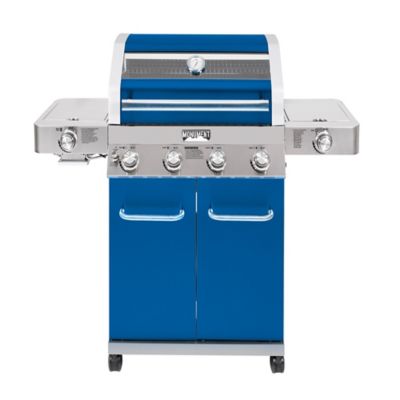
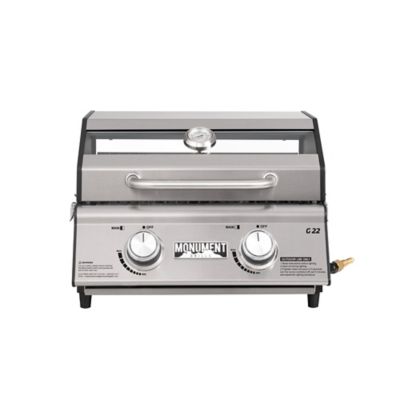
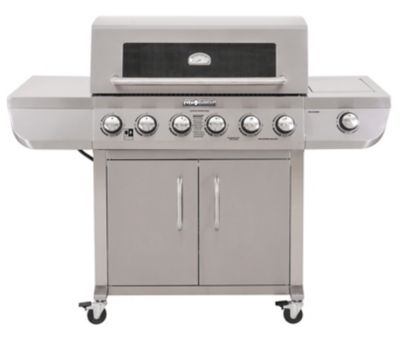
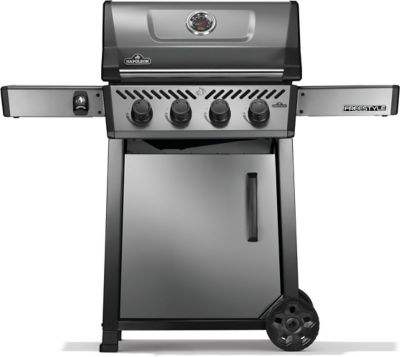
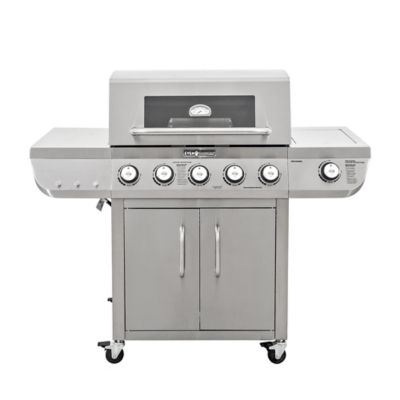
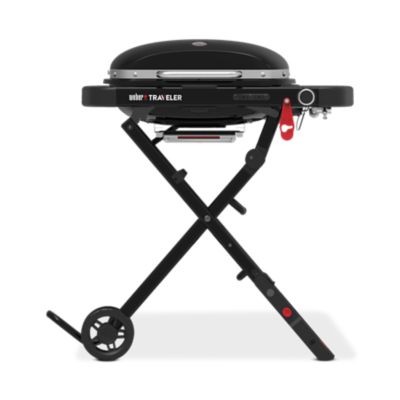
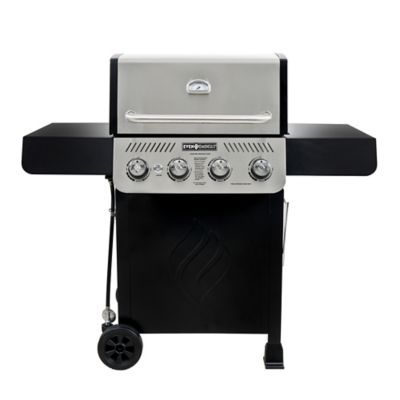
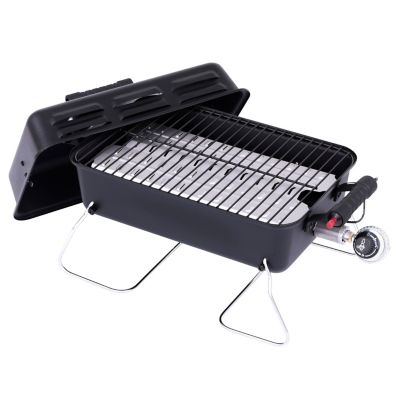
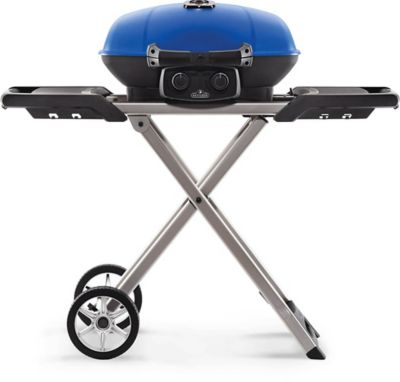
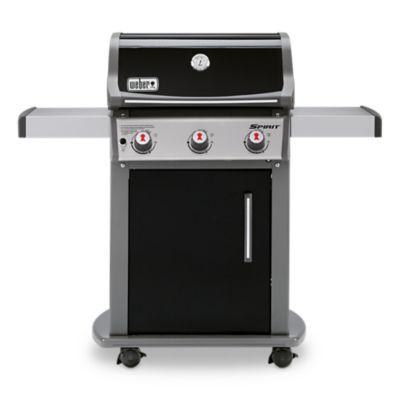
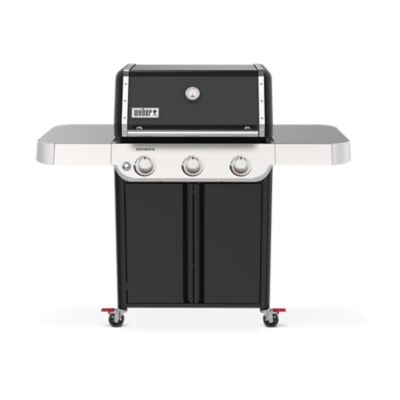
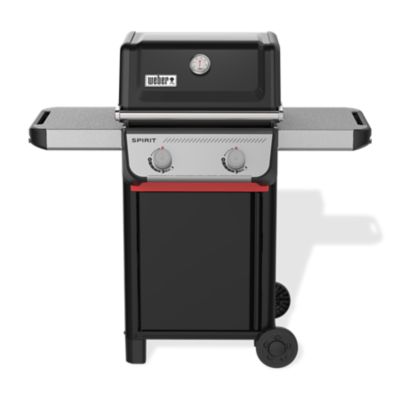
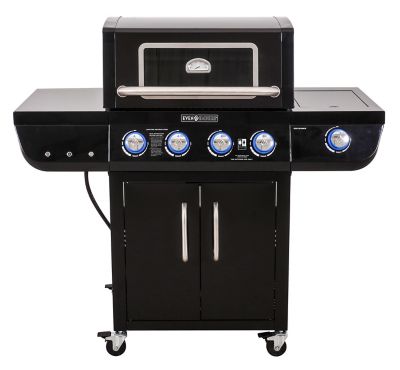
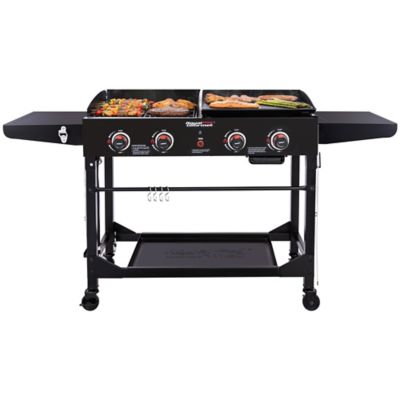
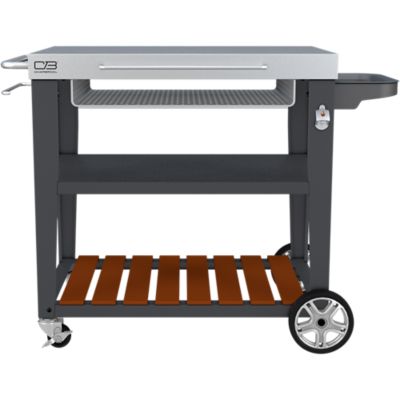
Stainless steel portable gas grills bring the good part of backyard cooking to places where a full-size grill simply will not fit. They are handy for campsite breakfasts, tailgate lunches, hunting-camp suppers, weekend trips to the lake, and small patios where every square foot matters. A compact grill can ride in the truck bed, sit on a sturdy picnic table, or set up beside a camper, giving you a dependable place to cook burgers, brats, steaks, chicken, fish, vegetables and more. Stainless steel construction is a popular choice for outdoor cooking because it stands up well to heat, grease and changing weather when it is cleaned and stored properly. It is resistant to rust, but it is not completely rustproof, so wiping away moisture, covering the grill and storing it in a dry spot during rough weather will help keep the finish looking good. Many portable models weigh around 20 to 30 pounds, making them manageable for one person to carry without feeling flimsy on the table. Look for practical features such as folding legs, a secure lid latch, built-in handles and a grease tray that can be removed for cleanup. Those small details make a difference when you are packing up after a meal with smoky hands, a cooler full of ice and a truck ready to head down the gravel road.
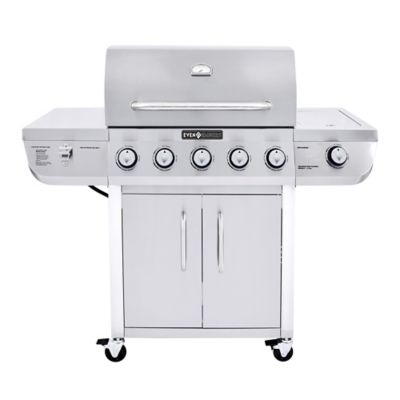
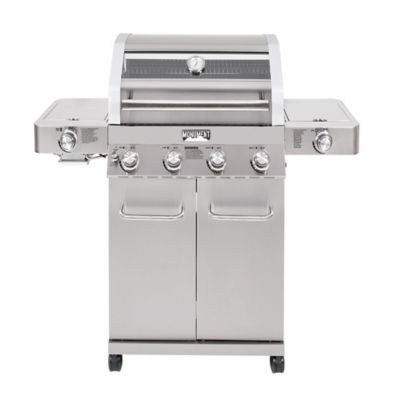
When comparing stainless steel portable gas grills, start with the cooking area and the number of burners. Smaller one-burner grills save room and weight, and they work well for a couple, a small family or anyone who mainly wants to cook a few burgers, hot dogs or foil packets at a time. A two-burner grill generally offers more flexibility, especially when you want to sear meat over higher heat on one side while warming buns, vegetables or a cast-iron pan over lower heat on the other. Cooking surfaces commonly range from about 180 to 285 square inches, which is enough for roughly six to 12 burgers depending on the shape of the grate and how much space you leave between foods. Heat output is often measured in BTUs, with compact grills commonly falling between 10,000 and 20,000 BTUs. A higher number can mean faster preheating and stronger heat, but burner design, lid fit and the grill’s ability to hold a steady temperature matter just as much. A built-in thermometer helps with longer cooks, while a lockable lid makes transport easier and helps protect the interior between uses. Most portable gas grills use one-pound liquid propane cylinders, which are easy to pack for a day outdoors. If you cook often or want to avoid carrying several small cylinders, check whether the grill can connect to a 20-pound propane tank with a compatible adapter hose. Always follow the manufacturer’s connection instructions, inspect hoses and fittings for damage, and keep propane cylinders upright in a well-ventilated area away from direct heat. Set the grill on a stable, noncombustible surface outdoors, leave plenty of room around the lid and vents, and never use a gas grill inside a home, garage, tent or enclosed camper.
These grills make thoughtful gifts for campers, tailgaters, new RV owners, hunters, anglers and anyone who enjoys a hot meal away from the kitchen. They are also useful for households with limited outdoor space, families that spend fall afternoons at ball fields, and folks who like to cook a simple supper while the fire pit burns down. During the cooler months, a portable grill can turn a crisp afternoon gathering into a comfortable outdoor meal, whether you are serving chili from a pot, grilling sausages for a group or warming up leftovers after a long day of chores. For a gift, consider the recipient’s usual cooking setup before choosing a size. Someone who travels light may appreciate a compact one-burner design, while a family that hosts friends at the campground may get more use from two burners and a larger grate. A grill cover, long-handled tools, a propane adapter hose, a grate brush or a sturdy storage tote can make useful add-ons, though it is important to confirm that accessories fit the specific grill. Stainless steel portable gas grills can also serve as a dependable backup cooking option during a power outage, provided propane is used safely and the grill remains outdoors. After cooking, let the grill cool completely, scrape loose food from the grates, empty the grease tray and wipe down the exterior. A light coat of cooking oil on clean cast-iron grates, when applicable, helps protect them between uses, while stainless steel surfaces benefit from a soft cloth and a cleaner made for the finish. For more options in a similar outdoor cooking setup, browse
Stainless Steel Propane Grills and compare the size, burner layout, fuel connection and portability features that best match the way you cook.