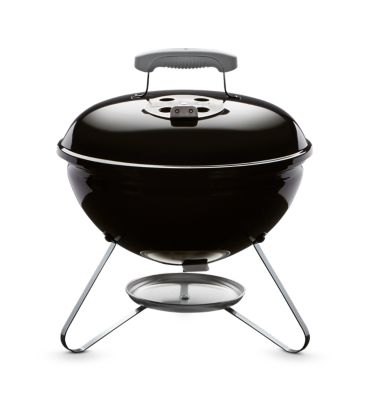
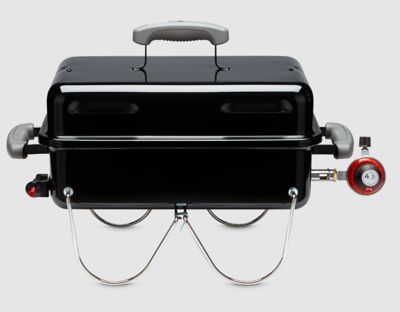
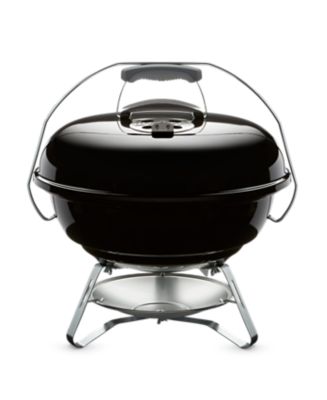
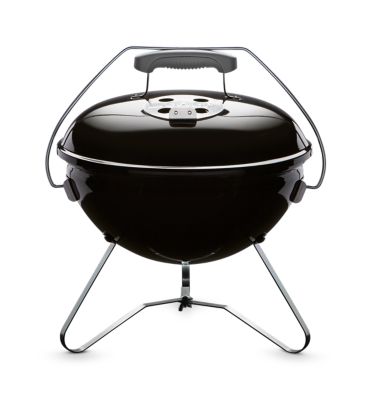
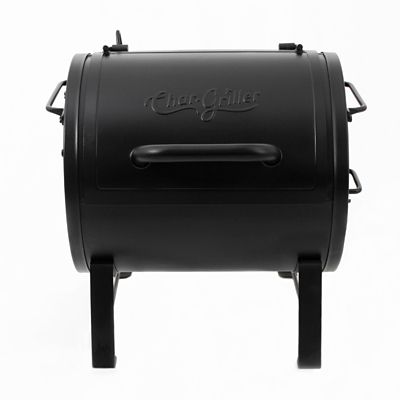
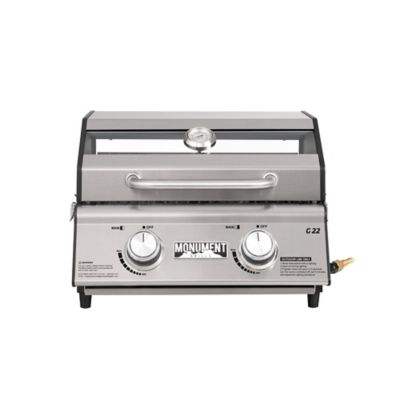
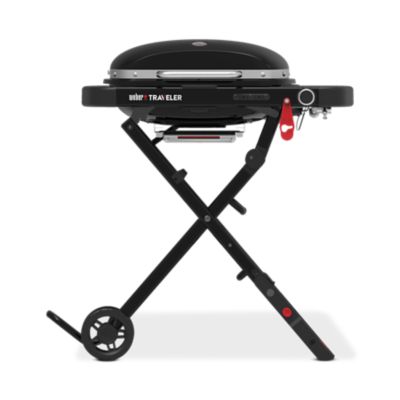
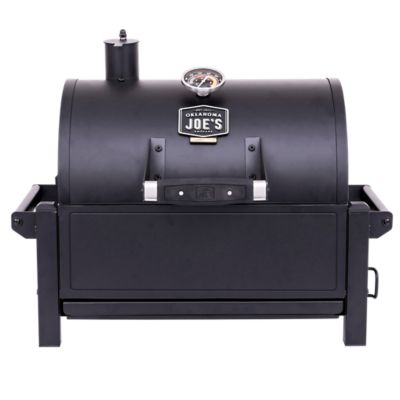
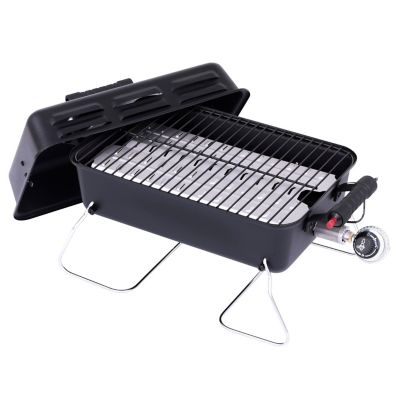
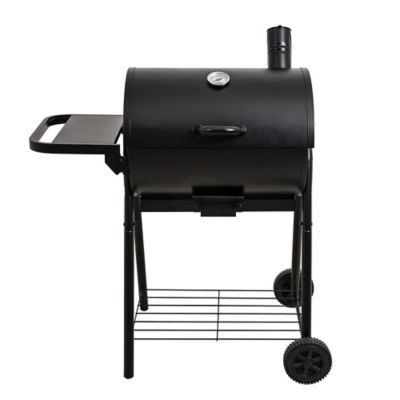
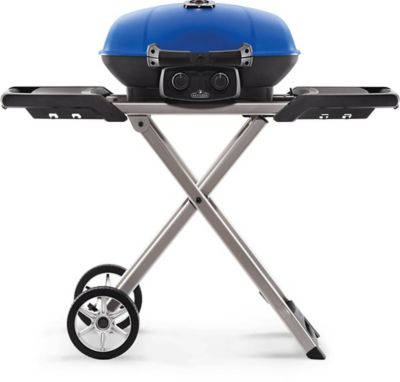
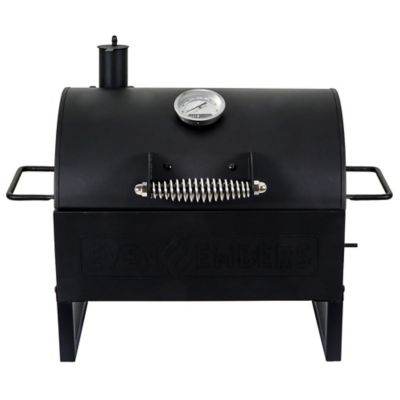
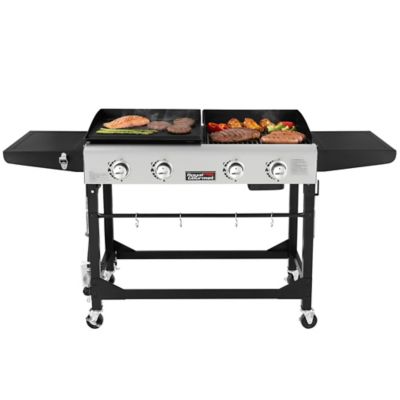
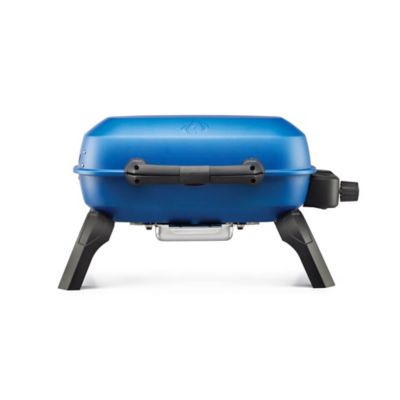
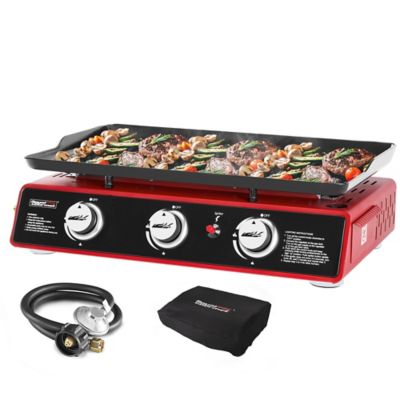
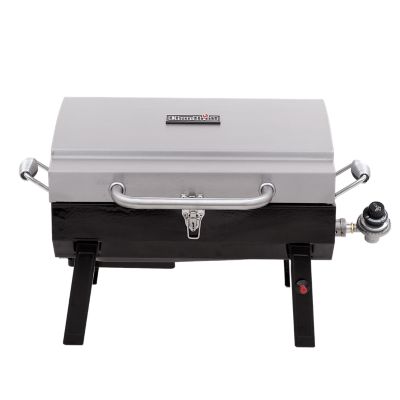
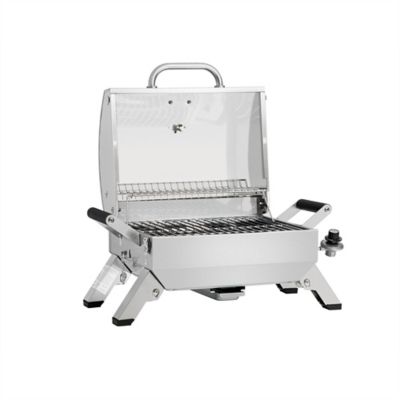
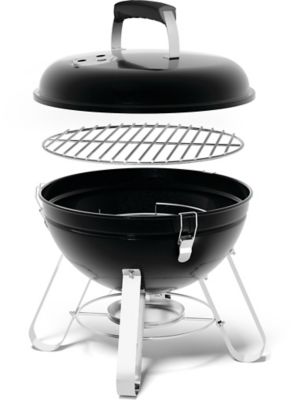
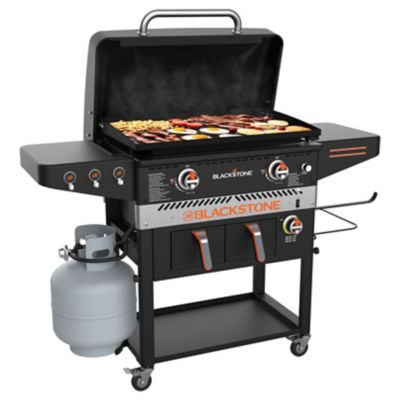
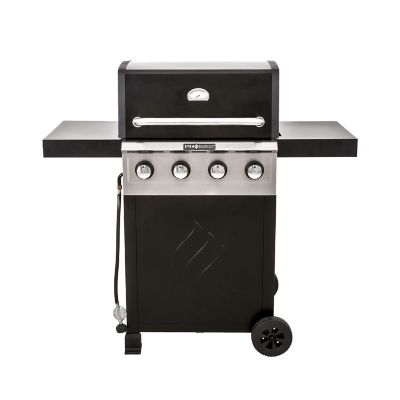
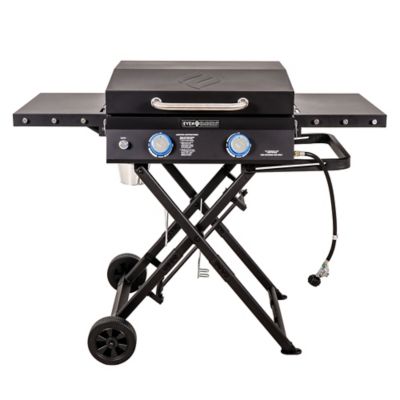
Portable grills are compact outdoor cookers built to bring grilled meals along to campsites, tailgate gatherings, picnic areas, and other places away from a full-size backyard setup. Their smaller footprint also suits folks who cook for one or two people or prefer a grill they can put away between meals. The main types are propane, charcoal, and electric, with each offering a different balance of convenience, cooking control, and cleanup. Portable propane grills provide adjustable burner heat without the wait for charcoal to reach cooking readiness. Depending on the design, they may connect to a small fuel cylinder or a larger tank through a manufacturer-approved hose and regulator. Portable charcoal grills deliver familiar live-fire cooking, with adjustable vents helping manage airflow and heat. They require space for carrying fuel, time for lighting, and a safe way to handle fully extinguished ash afterward. Portable electric grills rely on a suitable electrical connection rather than a fuel cylinder or charcoal, making outlet access and the manufacturer’s electrical requirements important considerations. Outdoor cooking rules still apply, and an electric model is not automatically permitted everywhere other grills are restricted. Cooking capacity matters just as much as fuel choice. A grate that handles supper for two may mean several rounds of burgers for a whole crew, especially when vegetables or buns need room beside the main course. The shape of the cooking surface matters, too: a wide rectangular grate can fit skewers differently than a round grate with a similar total area. A taller lid leaves clearance for thicker cuts, while a warming rack, when included, offers a place to hold buns away from the strongest heat. For campground suppers, meals near the fishing hole, or a quick bite after chores, the right fit comes down to how much food needs cooking, how far the grill needs carrying, and what kind of setup the location allows. A compact grill can keep the meal simple without turning packing and cleanup into another big job.
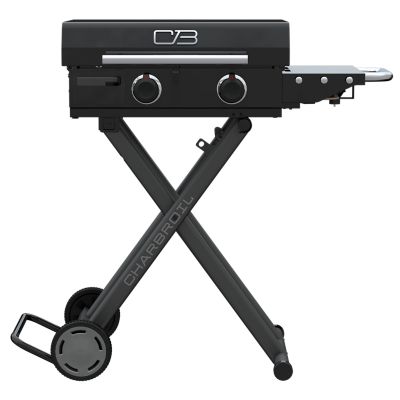
Construction and layout make a noticeable difference once a portable grill leaves the driveway. Stainless steel, coated steel, and cast aluminum are common body materials, but metal thickness, joints, hinges, and hardware all play a part in how a grill handles regular travel. Stainless steel still needs cleaning, particularly around grease buildup and cooking residue. Coated steel benefits from care that protects the finish from chips and scratches, while cast aluminum offers a body that resists rust but still needs attention to fasteners and other components. Cooking grates bring their own tradeoffs. Cast iron holds heat well and can give steaks and chops a strong sear, though its weight adds to the load and bare cast iron needs proper seasoning and thorough drying. Porcelain-coated grates have a protective surface that calls for cleaning tools that will not damage the coating. Stainless steel grates offer another option, with cooking performance influenced by their thickness and spacing as well as the heat below. For hauling, consider the whole package rather than the grill body alone. Fuel, a stand, utensils, food, and a carrying bag all take up room. Folding legs, locking lids, balanced handles, and cart-style frames can make transport more manageable, provided their design suits the route from the vehicle to the cooking spot. Wheels help on firm paths, while loose gravel and uneven ground can make a cart harder to move. Tabletop grills need a stable, level, heat-safe support that meets the manufacturer’s directions; a plastic folding table or an open tailgate is not automatically suitable. If breakfast eggs, pancakes, or chopped vegetables are a bigger part of the menu than grate-marked steaks,
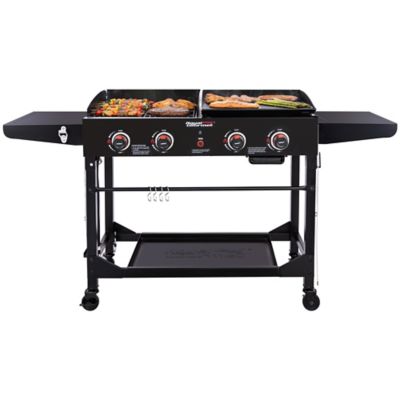
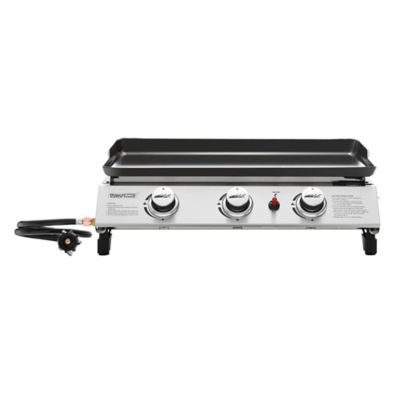
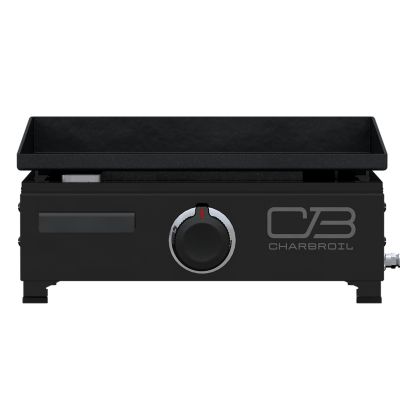
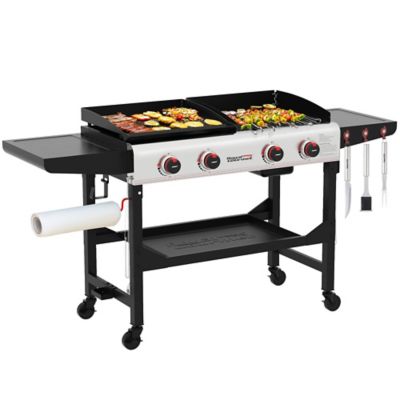
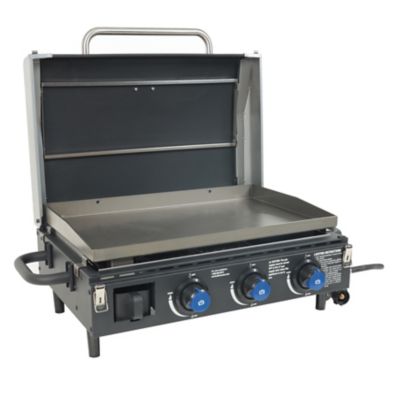
Portable Griddles offer a flat cooking surface worth considering alongside open-grate designs. The distinction comes down to the food: grill grates let drippings pass through, while a flat top supports smaller pieces and foods that need a continuous surface.
A portable grill earns its place in the truck or camper when its everyday details match the way meals actually happen. A couple cooking pork chops and sliced squash may value a straightforward setup and a small grate, while a family feeding hungry kids after a day outdoors may need more cooking room and a place to set a platter. Multiple burners can provide separate heat zones on models designed for that purpose, but a compact single-burner grill may offer less room to move food away from direct heat. Charcoal cooking zones also depend on the firebox shape and the manufacturer’s directions. Lid thermometers help monitor conditions inside the cooker, while a separate food thermometer checks whether meat has reached a safe internal temperature. Accessible grease collection, removable grates, and an ash system that is easy to reach can make cleanup less of a chore. Keeping grease from building up also helps reduce flare-ups, and clean burner openings support proper operation on gas models. Before packing, the grill needs to be shut down as directed and allowed to cool completely; a lid latch or carrying case does not make a hot cooker safe to load. Charcoal ash needs to be fully extinguished and cool before disposal in an appropriate container. Fuel cylinders require upright, secured transport and storage in keeping with the cylinder instructions and local requirements, never inside a grill’s hot cooking chamber. At the cooking site, grills belong outdoors with the required clearance from buildings, vehicles, and combustible materials, not inside tents, garages, or enclosed campers. For storage between outings, a clean, dry grill and a properly fitting cover or bag help protect surfaces and keep loose parts together. Portable grills can also make practical gifts for campers, tailgaters, anglers, or anyone who enjoys fixing a meal away from home. Matching the fuel type, carrying weight, cooking space, and cleanup needs to that person’s routine makes the gift more likely to go along for the next outing rather than stay on a shelf.