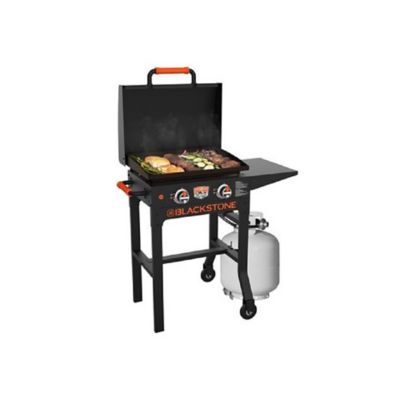
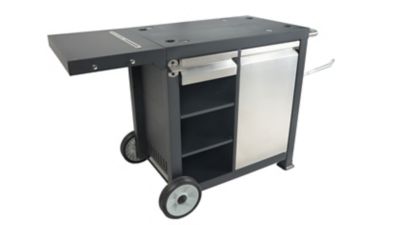
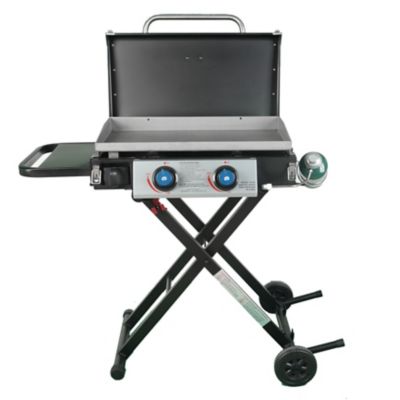
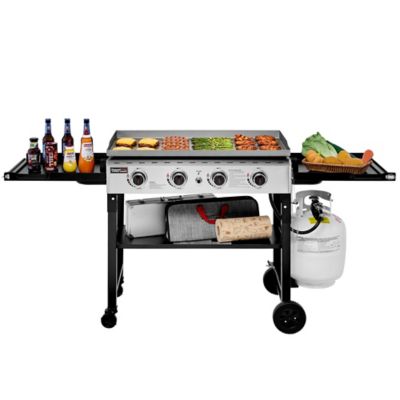
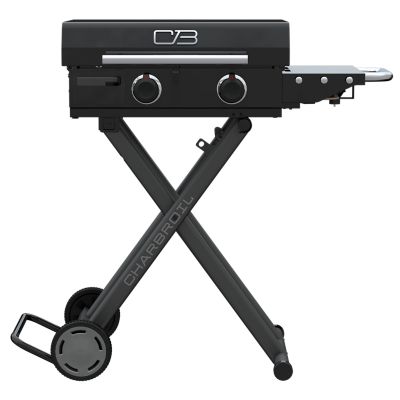
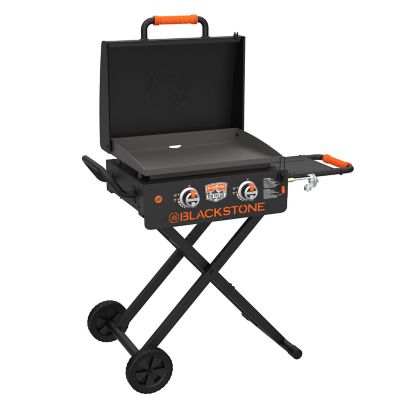
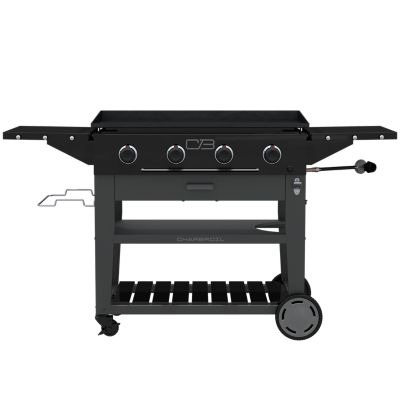
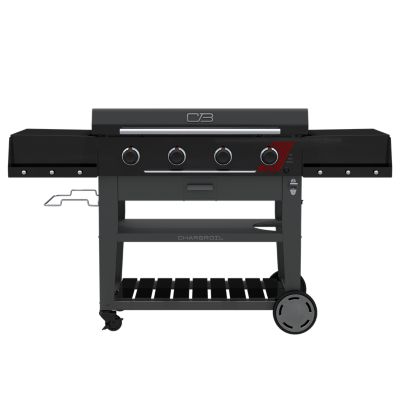
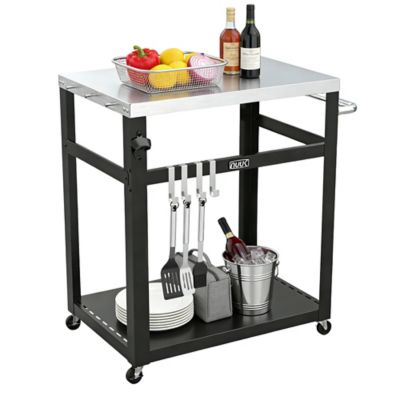
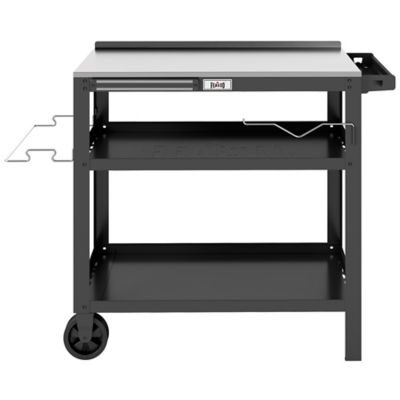
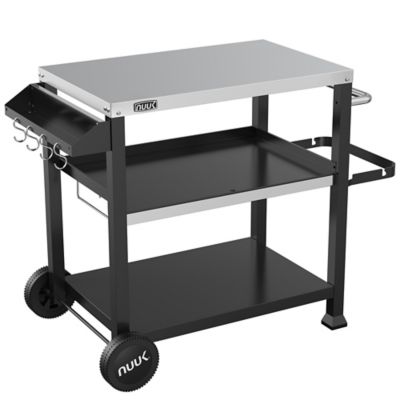
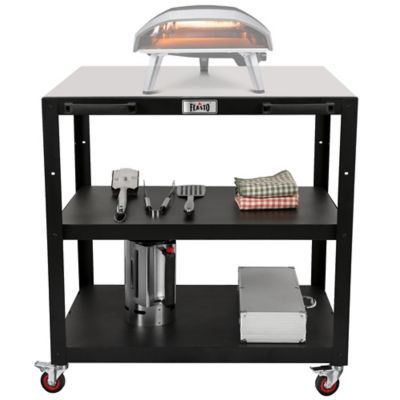
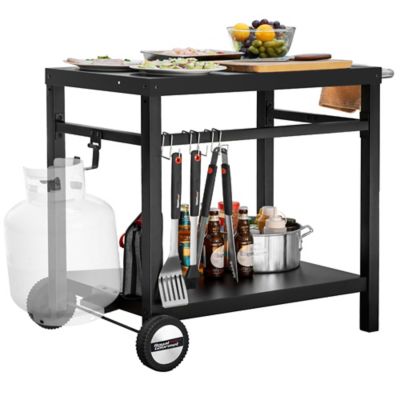
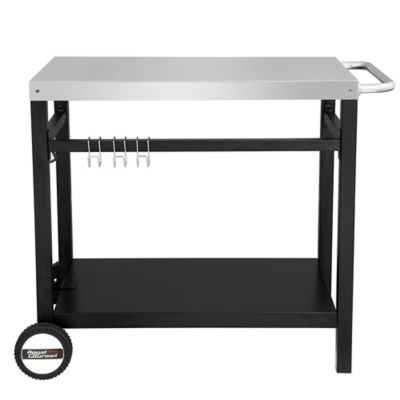
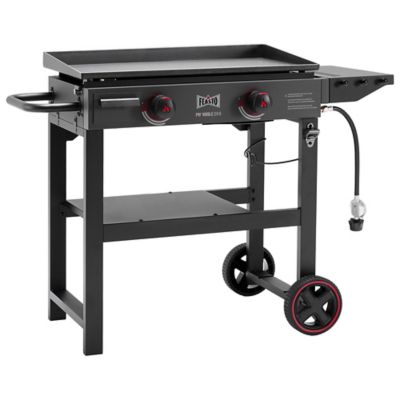
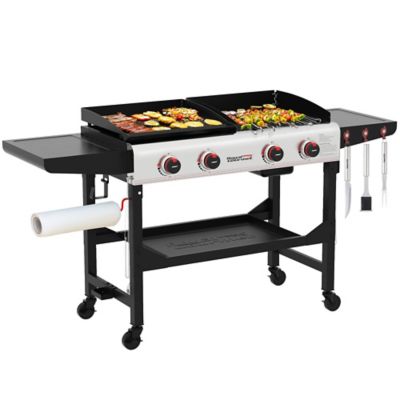
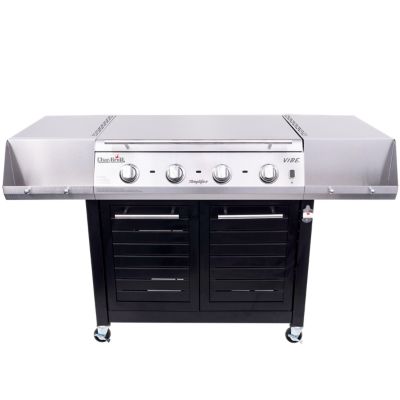
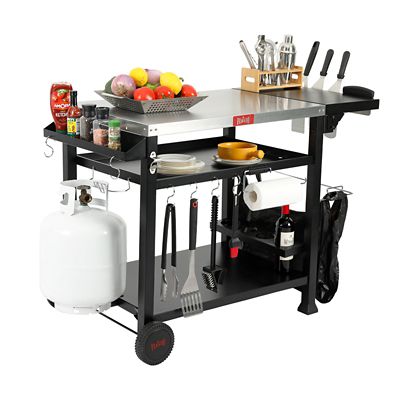
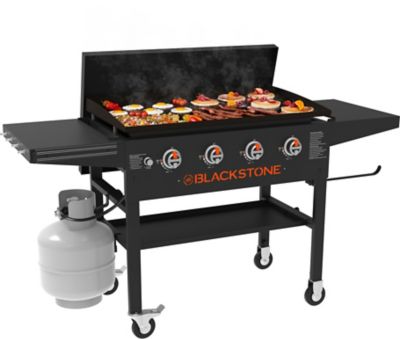
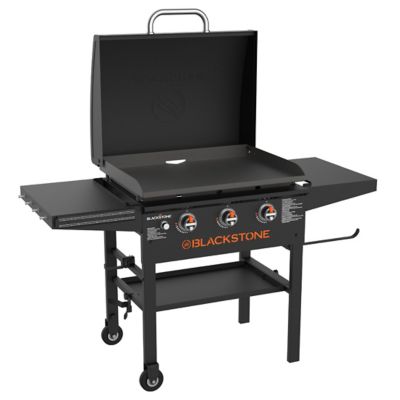
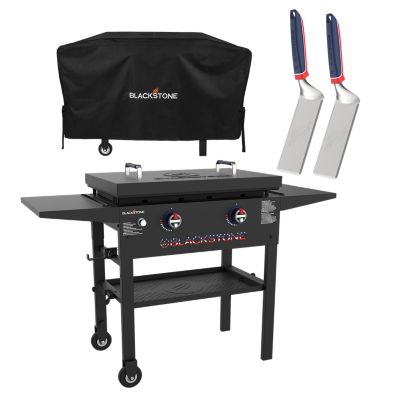
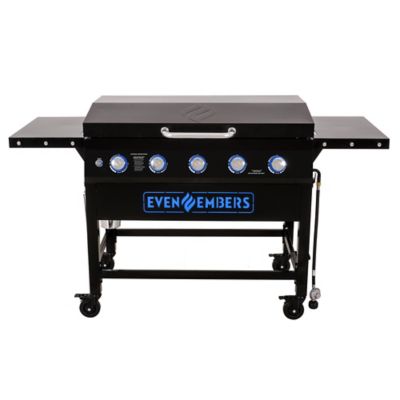
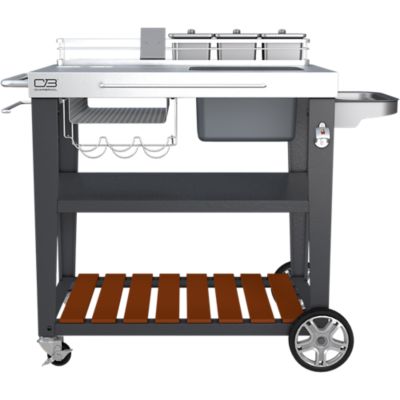
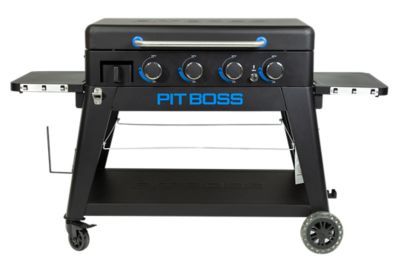
Griddle carts are support stations that hold portable tabletop griddles at a practical cooking height while adding space for food prep, utensils and serving supplies. Many have wheels for moving the setup between a storage spot and an outdoor cooking area, while other designs emphasize folding legs and a compact footprint. The griddle does the cooking; the cart provides the base and workspace around it. That distinction matters when comparing a cart built for a particular appliance layout with a general outdoor prep table. A proper fit depends on more than whether the griddle sits within the edges of the top. Foot placement, the shape of the base, access to the controls and the location of the grease tray all affect how the setup works. The cart’s load rating also needs to cover the appliance, food and accessories it will carry, with each shelf kept within its own stated limit. Compatibility information from both the cart and griddle manufacturers takes priority over a close-looking fit. For a backyard cook turning out pancakes, eggs and sausage, a side shelf gives batter bowls and clean plates a place to land without crowding the cooking surface. For burgers after a day of fence work, room for buns, toppings and a serving tray helps keep the meal moving. A comfortable working height makes it easier to reach across the griddle without leaning on the cart, and the handle and shelves should leave a clear path around the station. Overall dimensions matter, too, especially beside a patio table or along the edge of a porch. There needs to be enough room to open doors, extend folding shelves and reach storage without bumping the appliance. Outdoor cooking equipment also needs the clearances and setting its manufacturer specifies, even when the cart itself fits neatly into a corner.
Materials and construction shape how a griddle cart handles everyday cooking chores. Powder-coated steel has a protective finish over the metal, while stainless steel is often chosen for its corrosion resistance and wipe-clean surface. Neither material makes a cart maintenance-free, and an outdoor prep top is not automatically a cutting board or a surface approved for hot cookware. A separate cutting board keeps knife marks off the cart finish, and a manufacturer-approved heat-safe landing spot is helpful for cookware coming off the griddle. For a closer look at that material in outdoor cooking stations, explore
Stainless Steel Grill Carts. Frame joints, shelf supports and the attachment points for wheels and handles deserve as much attention as the top. A cart should stand steady without rocking, with folding sections fully latched before anything is loaded onto them. Wheel size affects how easily the cart crosses seams and small bumps; paved paths and level concrete generally offer a smoother route than gravel or soft ground. The cooking position still needs to be firm and level, with wheel locks or other stabilizing features engaged as directed. A wide lower shelf can hold serving supplies, while enclosed compartments can keep loose accessories gathered together. Hooks and towel bars put frequently needed tools within reach, but handles, cords and towels should stay clear of burners and other hot parts. Side shelves are handy for separating uncooked food from ready-to-eat food, provided separate plates and utensils stay with each. Designs intended to carry a propane cylinder need the proper holder, restraint and ventilation specified for that setup; a general storage cabinet is not a substitute. Fuel lines must have the routing and clearance required by the appliance maker, without being pinched by a folding panel or wheel. Keeping heavier supplies low, within the cart’s stated limits, also helps avoid a top-heavy load.
Routine care helps a griddle cart stay ready for the next meal. Once the appliance and cart are off and fully cool, food splatters and grease can be wiped away with a soft cloth and a cleaner approved for the finish. Harsh scrubbers can scratch metal or damage coatings, so the care directions matter even on a hardworking outdoor station. Drying surfaces after cleaning helps keep moisture from lingering around seams, fasteners and shelf edges. Grease trays need room to slide out for emptying and cleaning, and cart storage should not block that access. From time to time, checking fasteners, wheel attachments and folding latches can catch looseness before the cart carries another load. Any coating damage or corrosion calls for attention according to the manufacturer’s directions rather than simply covering it up. Portability brings its own considerations: a folding cart needs secure locking points when open, along with a folded size that suits the storage space or vehicle carrying it. Total weight matters when lifting a cart into a truck bed, particularly when one person handles setup. Wheels make repositioning easier, but a cart should never be rolled while the griddle is lit or hot. Before transport, the appliance, fuel connection and loose accessories need to be handled and secured as their manufacturers direct. For a household that cooks outside often, a cart can give breakfast prep, supper cooking and serving a regular home instead of spreading everything across spare chairs and tables. It can also be a practical gift for someone who already owns a compatible tabletop griddle, provided the fit and support requirements are confirmed first. Backyard meals, campground suppers and family get-togethers all benefit from a station sized for the cooking equipment and the way the cook works. A well-matched cart keeps the griddle supported, the tools close and the cook’s attention on feeding the folks gathered around.