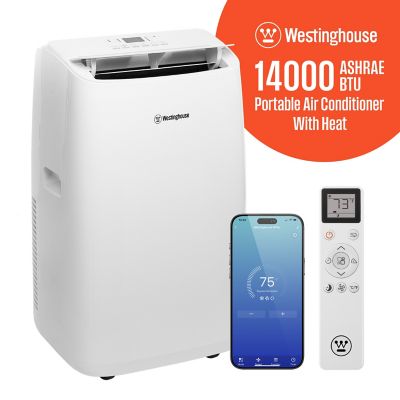
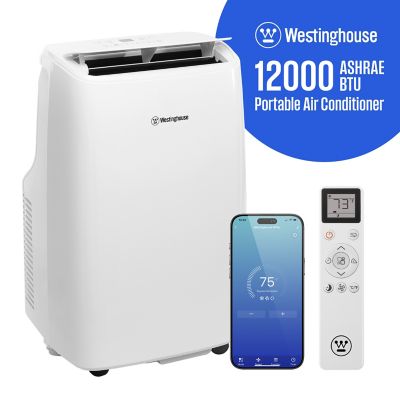
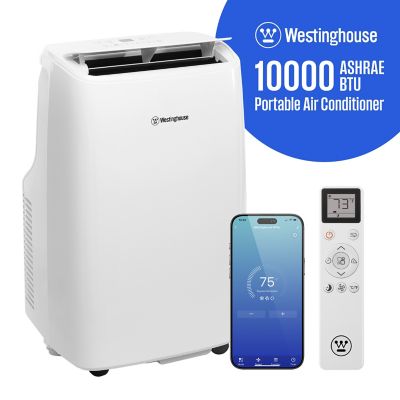
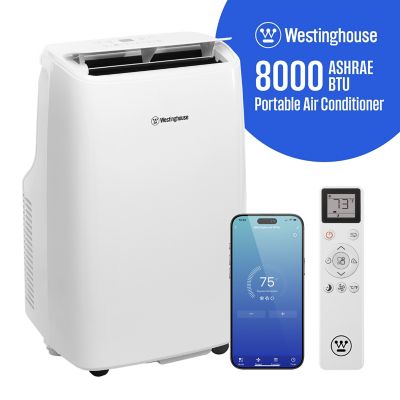
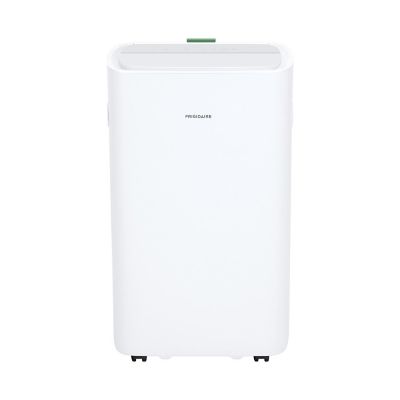
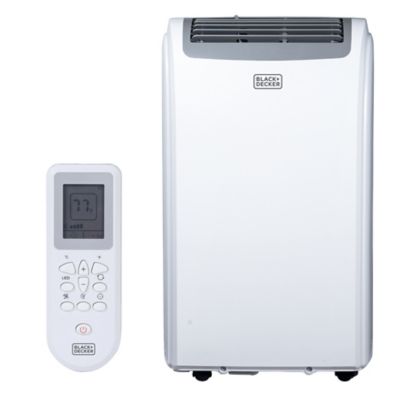
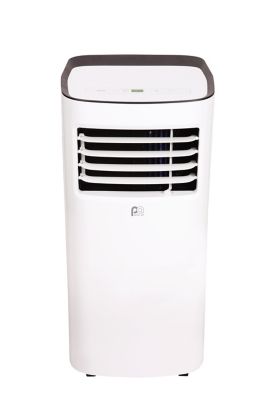
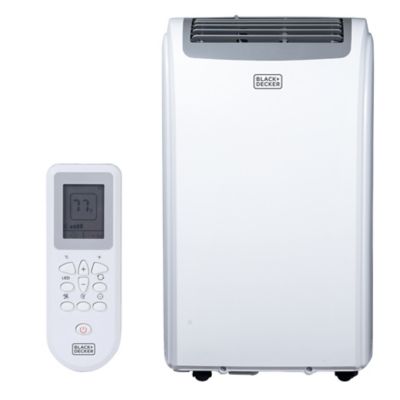
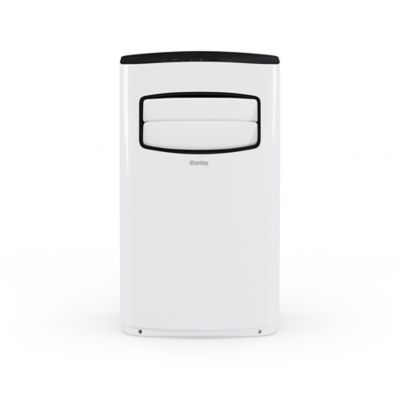
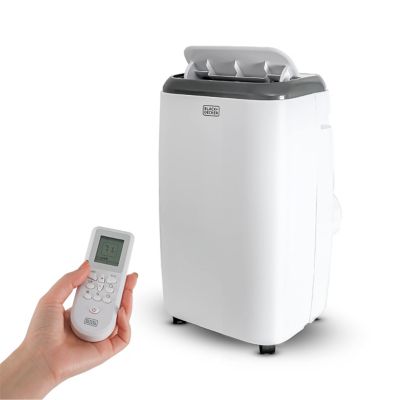
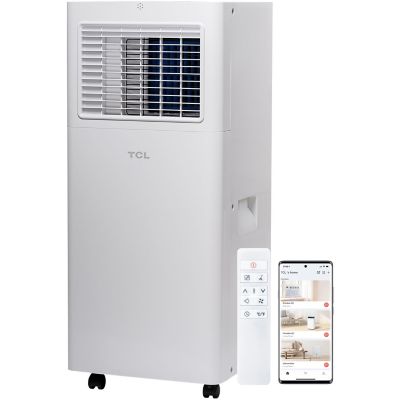
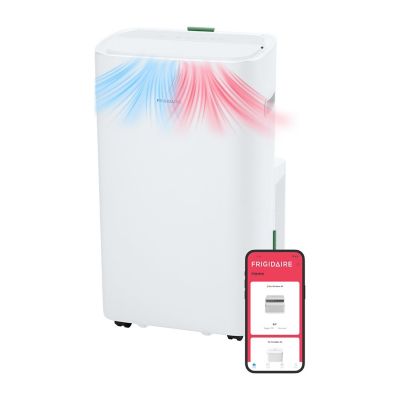
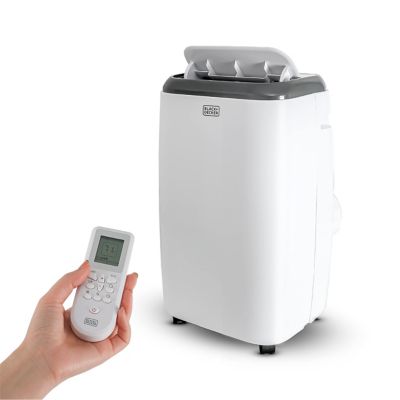
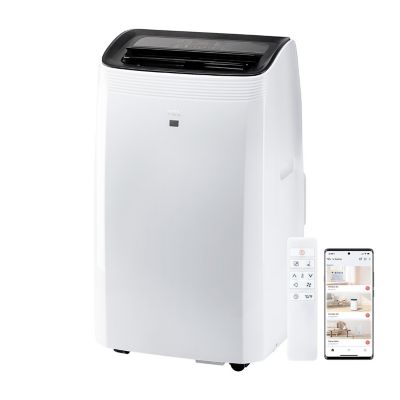
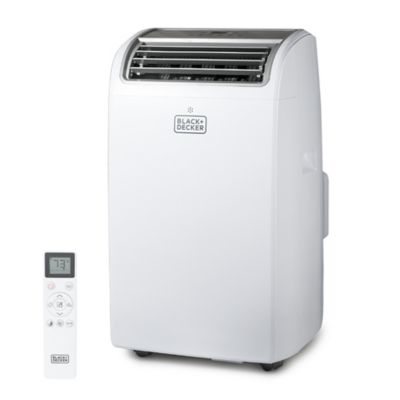
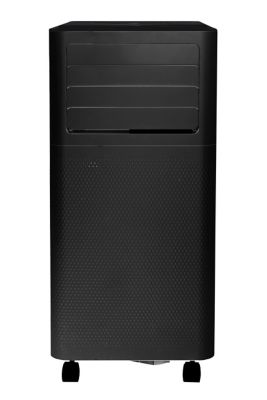
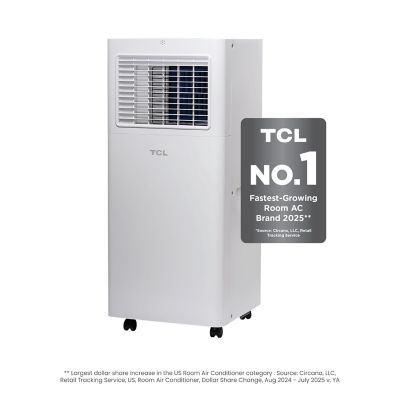
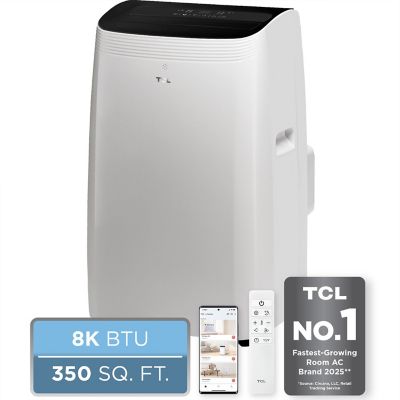
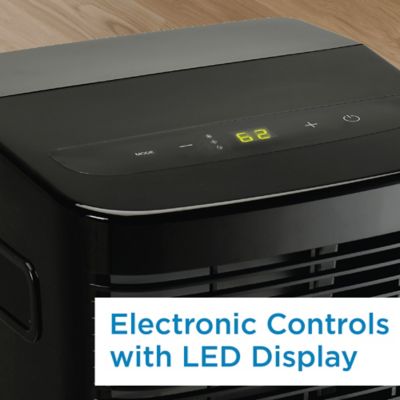
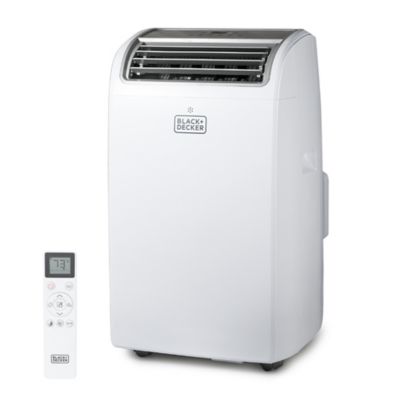
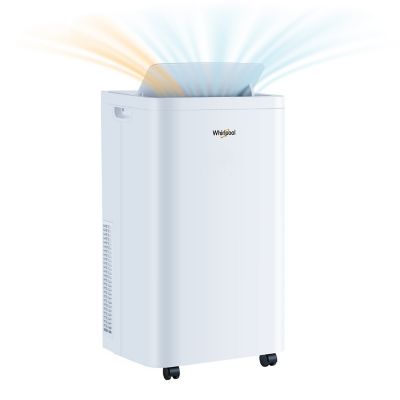
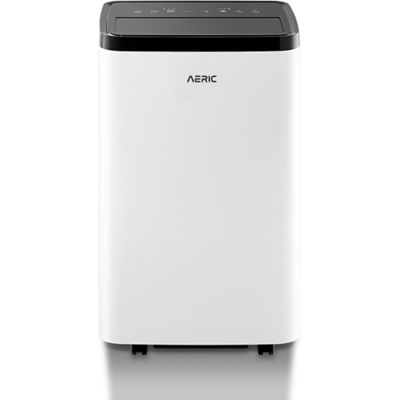
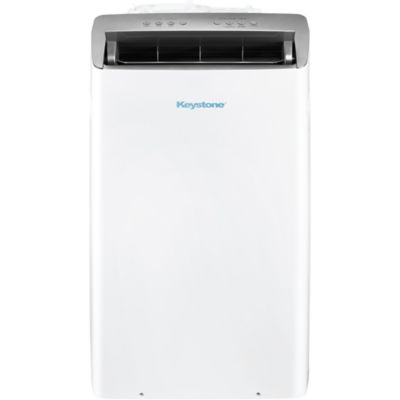
Portable air conditioners with remote control bring room-by-room cooling within reach, with a handheld controller for changing settings without walking over to the unit. These freestanding appliances cool indoor air and send heat outdoors through an exhaust hose, making them a practical fit for a bedroom, home office, living room or enclosed farm office with a suitable venting location. Unlike a fan that simply moves air, a portable air conditioner removes heat, and its cooling process also takes moisture out of the air. The remote adds everyday convenience when settling into bed, working through paperwork or taking a break after chores. Depending on the model, remote functions may include temperature adjustment, fan speed, operating mode, timer settings and movement of the air louvers. A clear display and easy-to-read buttons can make those controls simpler to handle from a chair or bedside table. Many handheld remotes need an unobstructed path toward the unit’s receiver, so placement matters just as much as the stated operating range. Remote control does not automatically mean Wi-Fi or phone compatibility; those are separate features. Sleep settings, dimmable displays and programmable timers may also be worth considering for rooms where light and sound matter. A sleep mode may gradually adjust the temperature overnight, while a timer can start or stop operation according to the unit’s controls. Fan-only and dehumidifying modes offer additional ways to manage room comfort, though their operation and drainage requirements vary. Because the compressor and fan sit inside the room, some operating sound is part of the setup. Published sound ratings can help with comparisons, especially for a quiet office or light sleeper’s bedroom. The most useful combination is cooling capacity that suits the space, controls that are easy to understand and a remote that keeps routine adjustments close at hand.
Room size is a starting point for choosing cooling capacity, but square footage does not tell the whole story. Tall ceilings, strong afternoon sun, large windows, limited insulation and heat from nearby equipment can all increase the cooling load. An open doorway into a hallway or adjoining room also gives the appliance more space to cool than the room’s measurements suggest. Capacity appears in BTU ratings, and portable units may show both an ASHRAE rating and a Department of Energy seasonally adjusted cooling capacity, or SACC. Comparing the same rating type across units makes the numbers more meaningful; the SACC figure accounts for operating factors specific to portable air conditioners. Manufacturer room-coverage recommendations provide another useful reference, alongside those details about the space. A larger capacity is not automatically a better match, since an oversized conventional unit may cycle off before removing enough moisture. Physical fit deserves the same attention. The cabinet needs room for airflow, the hose needs a clear route to an approved outdoor opening, and the window panel must suit the window’s style and dimensions. Standard panels often fit certain sliding or double-hung windows, while other openings may require a compatible adapter. Single-hose designs exhaust indoor air outdoors, while dual-hose designs generally have separate paths for outdoor intake air and exhaust. Neither arrangement removes the need for proper venting. A short, straight hose run within the manufacturer’s limits helps air move as intended, and a snug panel seal limits unwanted air leakage. Heat should not discharge into an attic, crawl space or adjoining indoor room. Molded housings, flexible hoses, window panels and rolling casters each have a job to do, so secure connections and sound fittings matter during setup and movement. Electrical requirements matter, too: the unit needs the specified grounded outlet, and extension cords or power strips are generally not suitable. A firm, level floor and access to the required outlet and window make a much better location than a crowded corner behind furniture.
Day-to-day care helps keep a portable air conditioner ready for regular service. Intake filters catch lint, dust and pet hair before they collect farther inside, which makes accessible filter panels especially helpful in a house with shedding animals or an office near a gravel drive. Washable filters need cleaning and complete drying according to the appliance instructions; replaceable filters need the specified replacement type. Keeping the intake and outlet clear of curtains, bedding and furniture supports airflow without making the fan work around an obstruction. Moisture handling is another practical difference among units. Self-evaporating systems send some or much of the collected water out with the exhaust, but humid conditions can still leave water that requires draining. Dehumidifying mode may have different drain requirements from cooling mode, and continuous drainage depends on the appliance’s design and a suitable drain location. A full-tank shutoff or indicator can help prevent overflow, but it does not eliminate attention to the drain system. Removable drain caps should remain secure, and the cabinet should stay upright during operation. Casters and built-in handles make repositioning easier on level floors, although thresholds, rugs and stairs can turn a short move into a two-person job. Moving between rooms also means reconnecting the vent panel and hose, so “portable” is best understood as movable rather than ready to cool anywhere without setup. Before an extended break from operation, the water system needs draining and the interior needs drying as directed to help limit stale odors. A gentle wipe keeps the cabinet clean without harsh solvents, and the remote benefits from a regular spot where it will not disappear under a cushion or into a desk drawer. For a guest room, an upstairs bedroom or a small office separate from the home’s main cooling system, thoughtful placement and routine care make these appliances a useful way to manage comfort in the space where people spend their time. The remote rounds out that convenience, keeping temperature and fan adjustments nearby while the unit handles the cooling.