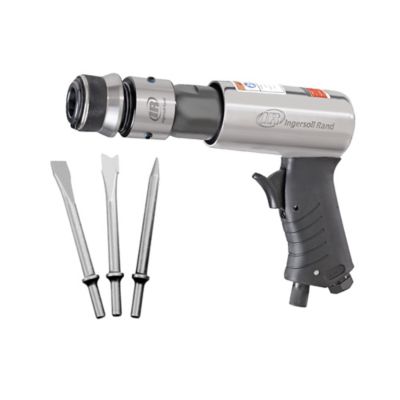
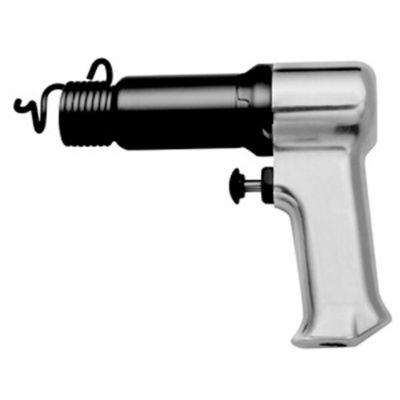
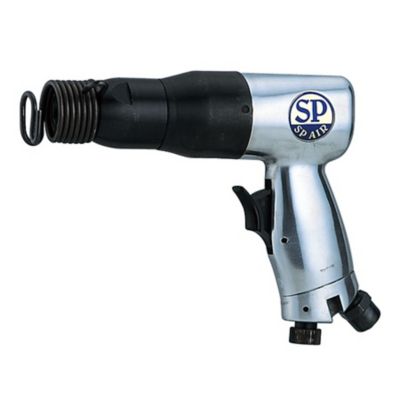
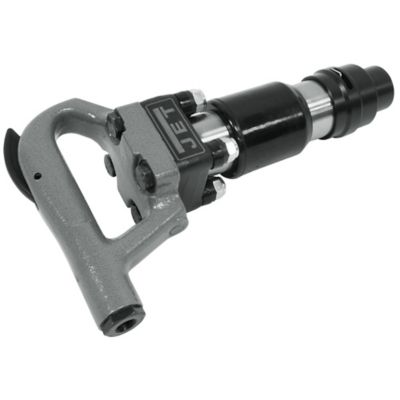
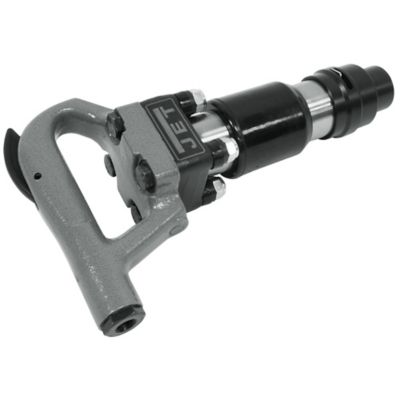
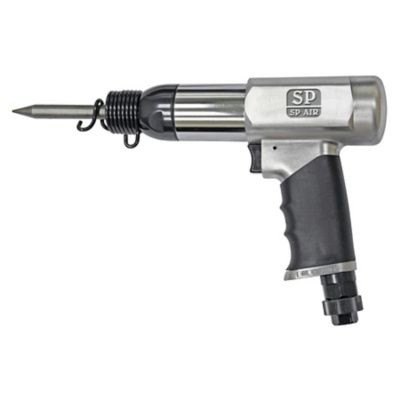
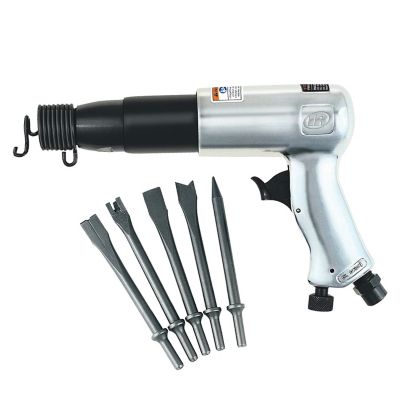
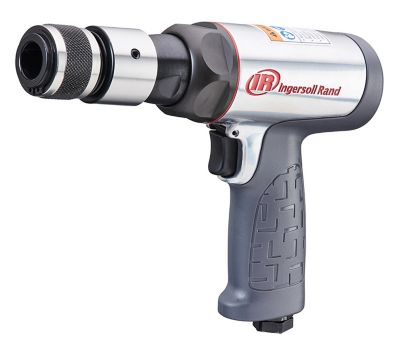
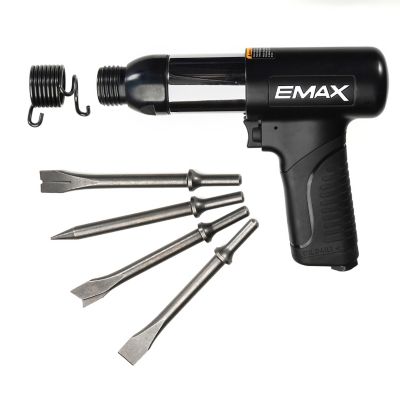
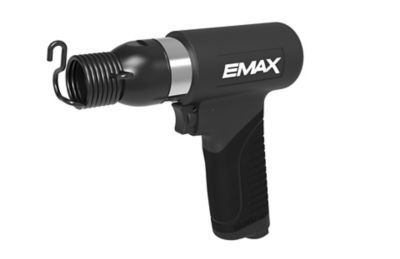
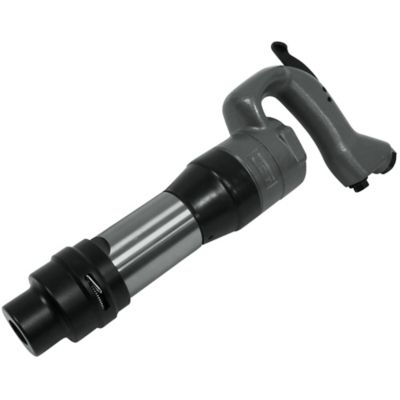
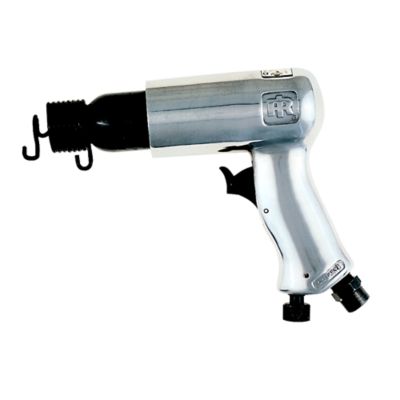
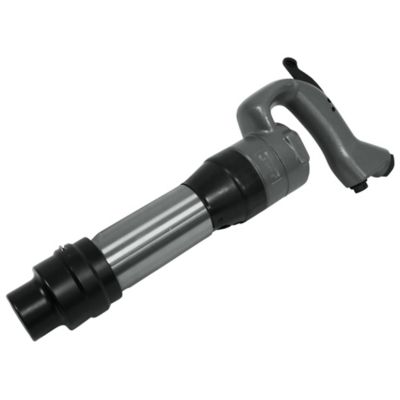
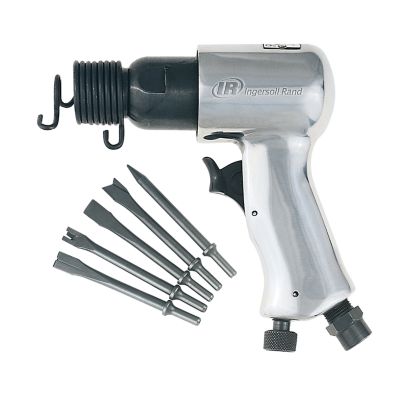
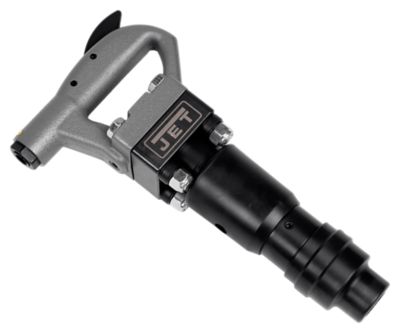
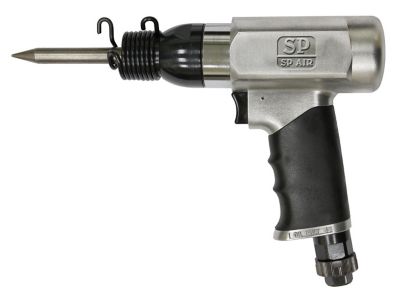
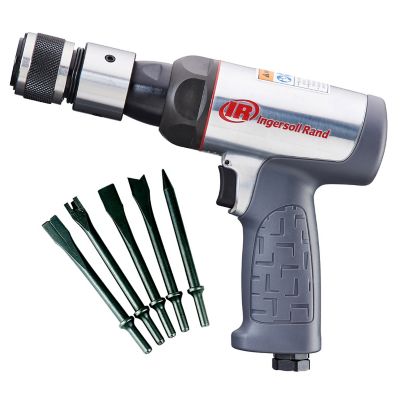
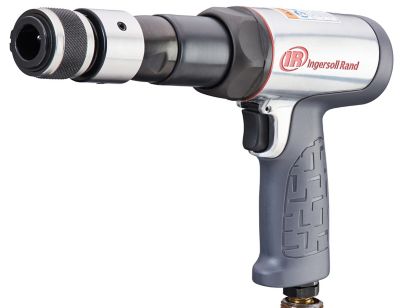
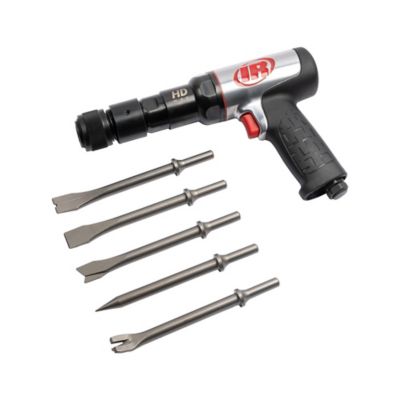
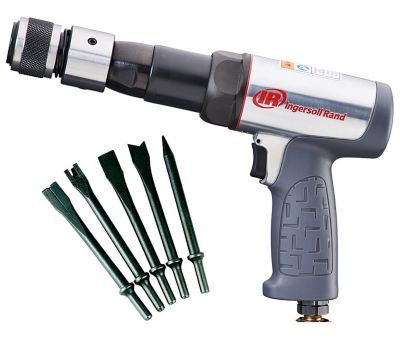
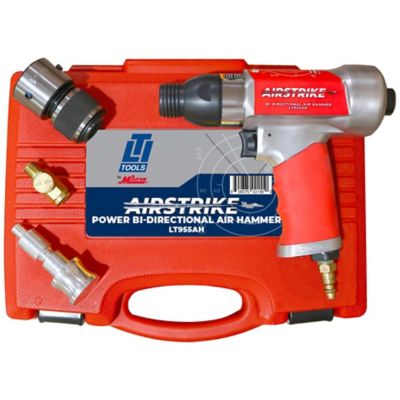
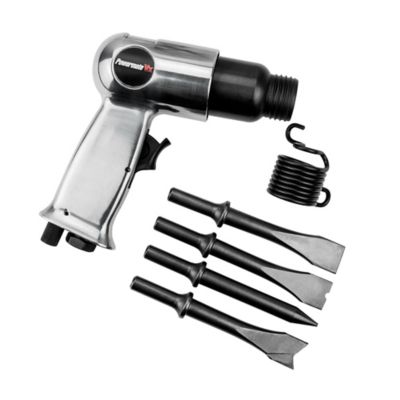
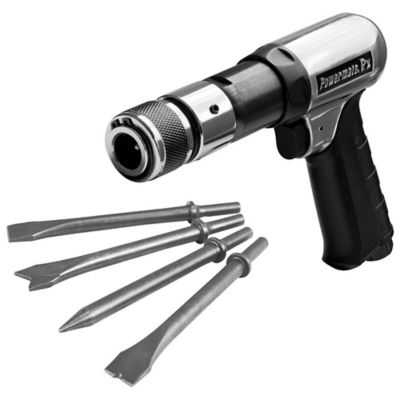
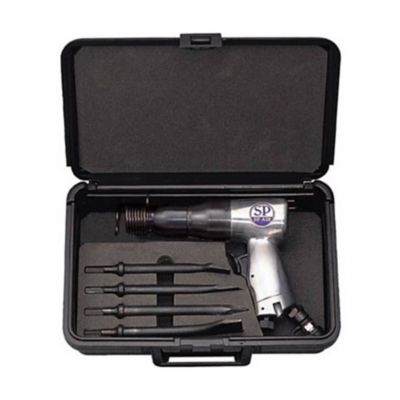
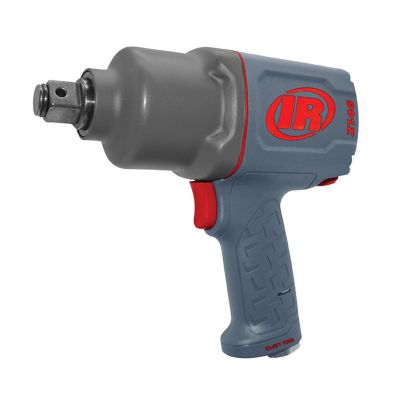
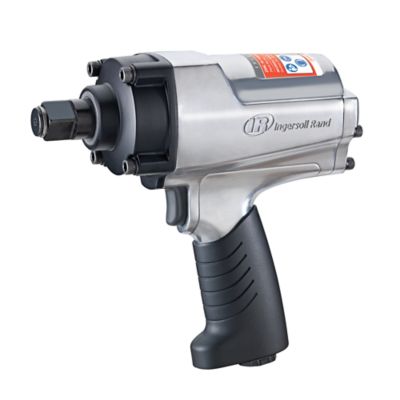
A pneumatic hammer, also called an air hammer or air chisel, is a compressed-air tool that drives an internal piston back and forth, delivering repeated blows to an attached bit. Those blows, often numbering in the thousands per minute, help with cutting, chipping, separating and shaping materials. Instead of swinging a hand hammer through a crowded space, the operator positions the bit against the work while the tool supplies the striking action. That makes pneumatic hammers useful around automotive shops, farm repair benches, fabrication areas and equipment sheds, especially when a stubborn connection needs more than steady pulling pressure. Common applications include separating exhaust components, removing rivets, cutting sheet metal and working on certain seized fasteners with the proper attachment. A farmer repairing an implement, a mechanic tackling a rusted exhaust joint or a metalworker trimming a panel may all have a place for an air hammer in the shop. The attachment and tool design determine the job, though; a cutting chisel, punch and panel-forming attachment do very different work. Pneumatic hammers deliver a hammering action rather than the turning force of an impact wrench, and they are not interchangeable with rotary hammers that combine rotation and impact for drilling. Within the air hammer category, barrel length and piston stroke help distinguish tools intended for lighter, controlled work from those built for harder-hitting tasks. Longer-stroke designs generally provide more energy per blow, while shorter designs can be easier to position in tight quarters. Blows per minute tell only part of the story: a faster strike rate does not automatically mean greater breaking or cutting force. Larger pneumatic chipping hammers handle a different scale of work, including suitable masonry and concrete applications, so matching the tool to the material matters more than choosing by appearance alone.
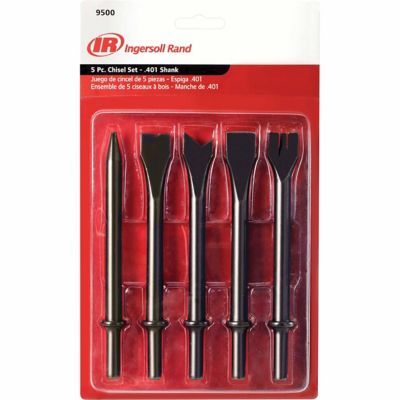
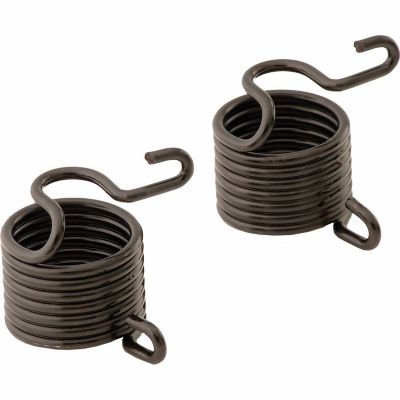
Tool construction, attachment fit and air supply all affect how a pneumatic hammer performs once it reaches the workbench. Metal housings, steel internal components and heat-treated striking attachments each have a role in handling repeated impact, but the complete design matters more than any single material claim. Grip shape, tool balance and overall weight become noticeable during a long repair, particularly when reaching beside a frame rail or holding a chisel against a vertical surface. A compact body may provide better access, while a larger tool may offer the striking force needed for heavier work. Trigger control and an adjustable power setting, where provided, can make it easier to ease into a task rather than hit a thin panel at full force. Attachment compatibility deserves just as much attention. Common air hammer shank sizes include .401 inch and .498 inch, but diameter alone does not establish a proper fit. Shank shape, collar dimensions, retainer design and manufacturer specifications also need to match. Spring retainers and quick-change retainers secure attachments differently, and a bit that appears close in size is not a substitute for the specified connection. Flat chisels suit certain cutting and separating tasks, pointed attachments concentrate force, and blunt or shaped attachments serve other applications when approved for the tool. The compressor must also support the hammer’s air demand at its stated operating pressure. Many shop air hammers are rated around 90 psi, but the tool’s own rating is the reference, not a general rule. Air consumption in cubic feet per minute, often listed as CFM or SCFM, helps determine compressor suitability, and average consumption figures may differ from the demand during sustained operation. Tank size alone does not show whether a compressor can keep up. Hose diameter, hose length, fittings and restrictions can all affect pressure and airflow at the tool, making the whole air setup part of the selection.
A good match also accounts for what surrounds the repair, not just the piece that needs to move. An air hammer can put concentrated force into a small area, which is helpful on a stubborn exhaust connection but calls for restraint near thin metal, finished surfaces, brake lines, wiring and components that must remain intact. A narrow working space may favor a different attachment or another tool altogether. This is especially important on farm equipment and vehicles, where one seized part can sit inches from a serviceable seal, bearing or hose. Secure work support and a clear path for the bit help keep the striking action where it belongs. Eye protection, hearing protection and any additional protection required for the material remain important because impact work can throw chips and create substantial noise; masonry work also brings dust hazards that require appropriate controls. Day-to-day care helps protect both the hammer and its attachments. Clean, dry compressed air, lubrication according to the tool manufacturer and attention to hose and fitting condition support steady operation. Some tools call for air-tool oil, while others have different lubrication requirements, so the manual matters. Moisture in the air system can contribute to internal corrosion, and dirt at a connection can find its way into moving parts. Chipped cutting edges, cracked attachments and damaged shanks call for removal from service rather than another hard push through the job. Disconnecting the air supply before attachment changes or maintenance is another basic part of safe handling. For someone choosing a shop gift, knowing the recipient’s compressor capacity, existing attachment system and usual repair work is more helpful than guessing at the biggest hammer. When comparing
Impact Hammers, consider the power source, working space and intended material together. The right pneumatic hammer fits the repairs at hand, the air system behind it and the person holding it, whether the job involves a pickup in the driveway or equipment waiting beside the shop.