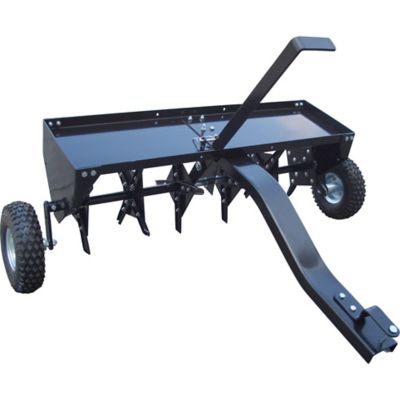
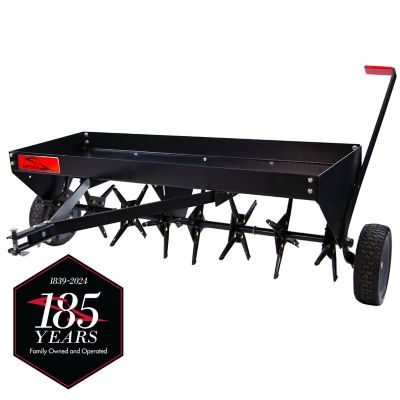
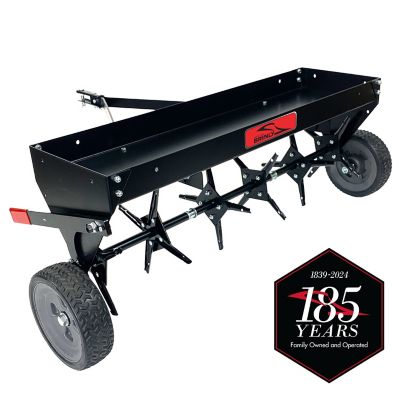
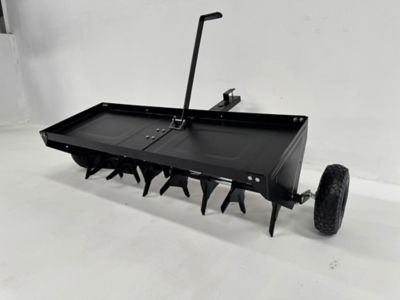
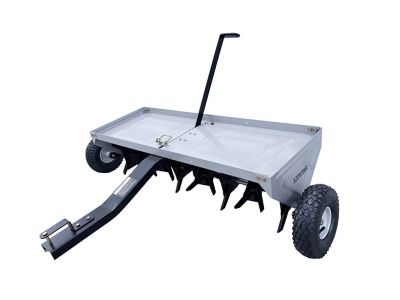
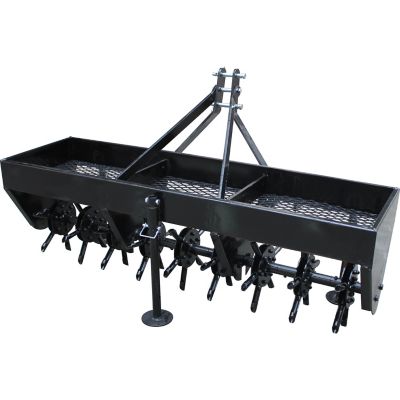
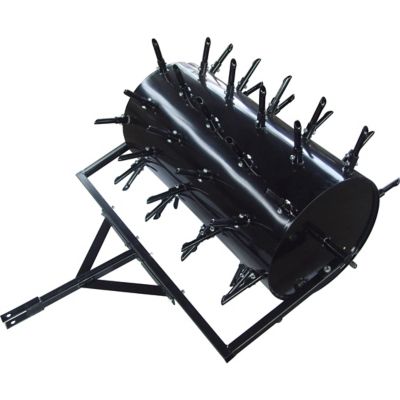
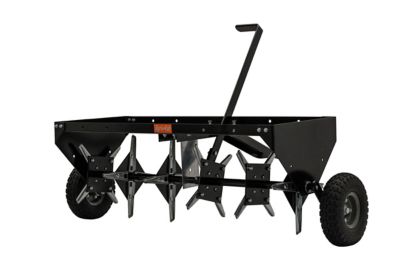
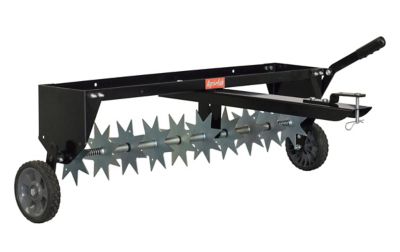
Plug aerators, also called core aerators, are lawn care tools made to ease compacted soil by pulling small plugs of earth and grass from the ground. Hollow metal tines reach below the surface, often removing cores about 2 to 3 inches deep, so air, water, and lawn nutrients can move closer to the roots. That matters on turf pressed down by foot traffic, pets, mowing equipment, play areas, or thick clay soil. When soil is packed tight, water may run across the lawn instead of soaking in, and grass roots can struggle to get the oxygen and moisture they need. A plug aerator opens pathways through that hard layer without turning over the whole yard. The extracted cores are left on top of the lawn, where rain, watering, and regular mowing help them break down and return soil particles and nutrients to the turf. At first, those little plugs may make a freshly worked lawn look a bit rough, but they usually scatter and settle naturally over the following couple of weeks. Many homeowners reach for a plug aerator when the lawn feels firm underfoot, puddles after rain, or has thin, tired patches despite regular mowing and feeding. It can also be a helpful choice for rural properties where the ground sees steady traffic from children, livestock around the edges, utility work, or equipment moving between the house and outbuildings.
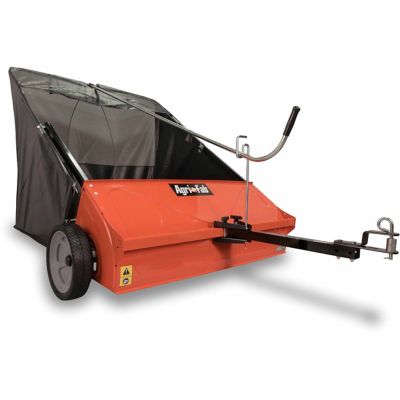
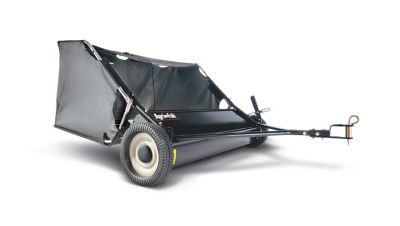
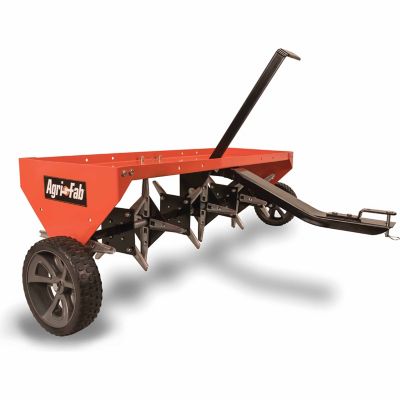
When shopping for plug aerators, start with the size of the area and the equipment available for the job. Push models suit smaller lawns, narrow side yards, and places where a rider cannot easily maneuver. They give the operator a close look at the work and make it easier to slow down around trees, garden borders, septic covers, and other obstacles. Tow-behind models are a practical fit for larger lawns, pasture edges, sports areas, and open acreage because they connect to a riding mower, lawn tractor, or similar machine with a hitch pin. Look for a hitch that matches the tractor or mower, a working width that fits the property, and a weight tray that can hold added bricks or sandbags when the soil calls for more downward pressure. Wider models cover ground faster, while narrower models can be easier to store and guide around tight spaces. Pay attention to tine construction, tine spacing, transport wheels, handle placement, and how easily the unit can be raised when crossing a driveway or gravel lane. A plug aerator should match both the ground and the person running it; a large tow-behind unit may save time on several acres, while a push model may make more sense for a modest lawn that needs attention around landscaping. Before shopping, measure the lawn, note the tractor’s hitch style, and think about where the aerator will be stored during wet or freezing weather. It may also make a thoughtful gift for a homeowner settling into a new place, a neighbor who takes pride in a big lawn, or someone who enjoys keeping a country property in good shape. Pairing it with gloves, eye protection, or other lawn-care supplies can make the gift practical without taking away from the main tool.
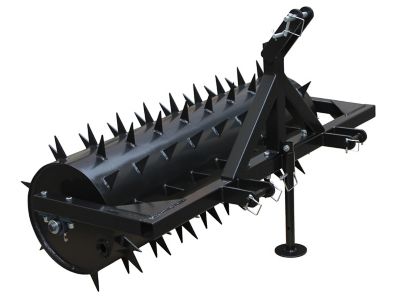
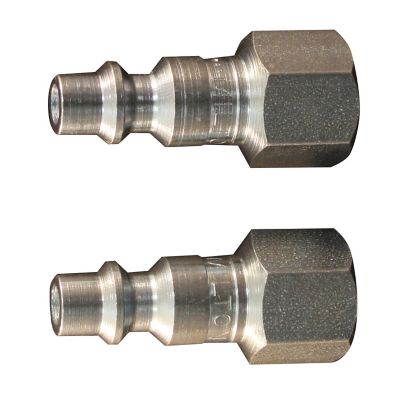
Ground moisture has a big effect on how well a plug aerator works. Soil should be moist enough for the hollow tines to enter and pull out clean cores, but not so wet that the machine sinks, smears the surface, or leaves deep tracks. Many lawn owners plan the job after a good soaking rain or thorough watering, then wait until the ground is workable underfoot. Bone-dry soil can be too hard for the tines, while muddy ground can compact again beneath wheels and shoes. Cooler seasons are often a natural time to aerate turf because grass can recover while temperatures are moderate, but the right window depends on the grass type, local weather, and soil condition. Follow the lawn’s needs rather than the calendar, and avoid running equipment across frozen ground. Before starting, clear sticks, toys, wire, stones, and pet items from the area, mark sprinkler heads and shallow lines, and check the aerator for loose hardware or clogged tines. Make steady passes, with a little overlap between rows, and go over especially compacted sections in a second direction if the machine allows it. Spike aerators only poke holes with solid points; a plug aerator removes soil instead, which generally gives compacted ground more room to open. Afterward, leave the cores on the lawn, keep foot traffic light while the surface settles, and follow local lawn-care guidance for overseeding or feeding. Rinse away soil, let the unit dry, and store it under cover. If your property work also includes maintaining air-powered tools,
Air Hose Plugs can help keep open hose ends protected between jobs. With the right size, sound setup, and workable soil moisture, a plug aerator can help a tired lawn take in water more evenly and encourage stronger growth as weather shifts from warm days toward the colder season.