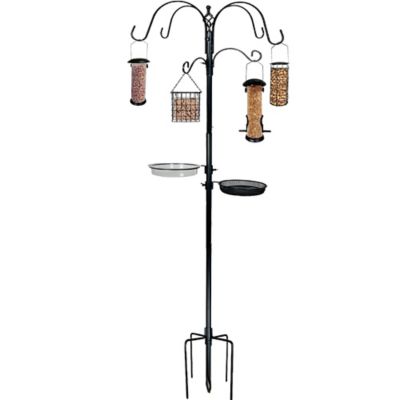
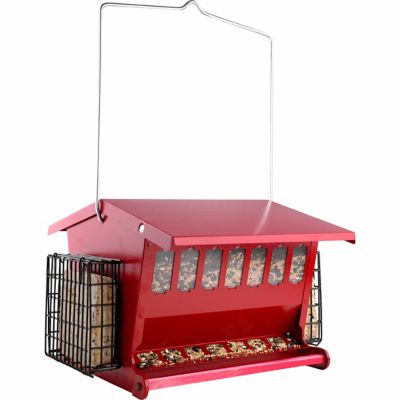
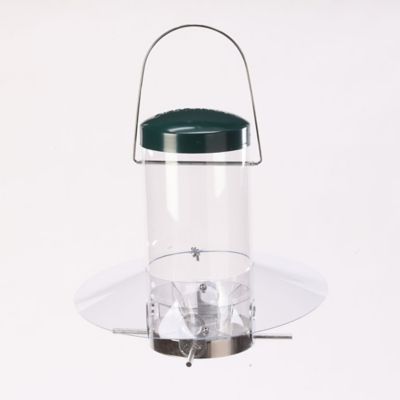
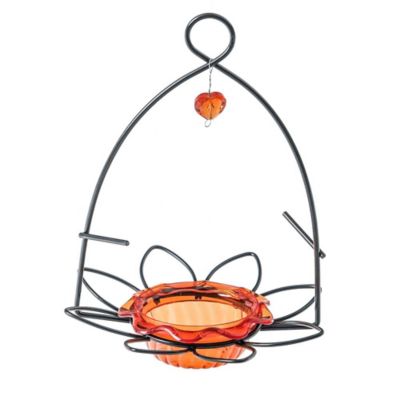
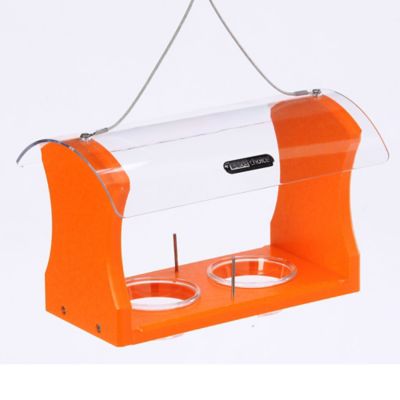
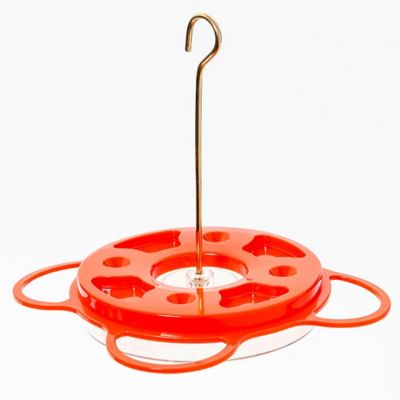
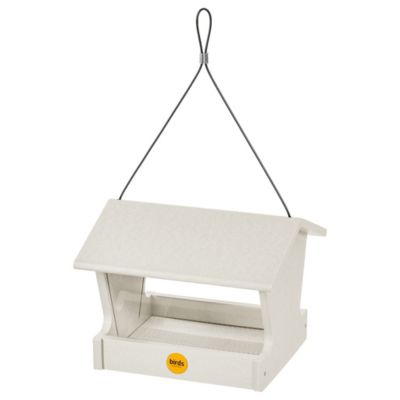
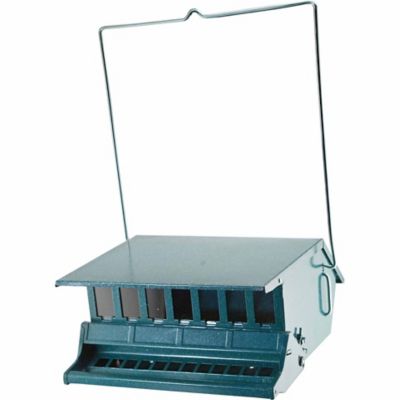
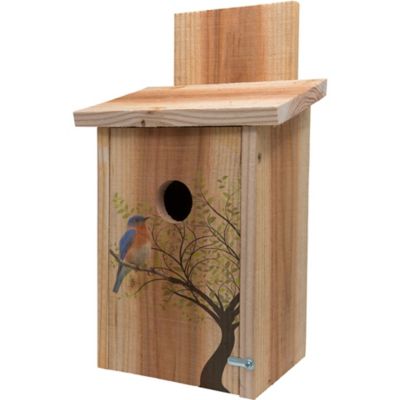
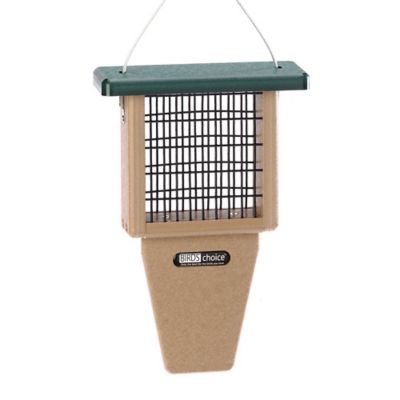
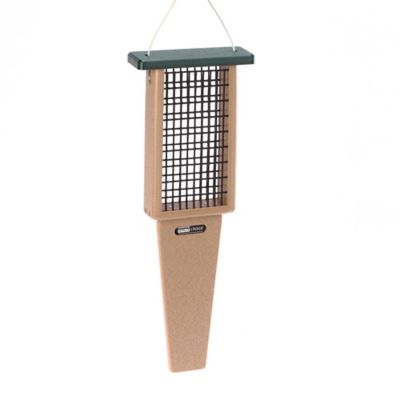
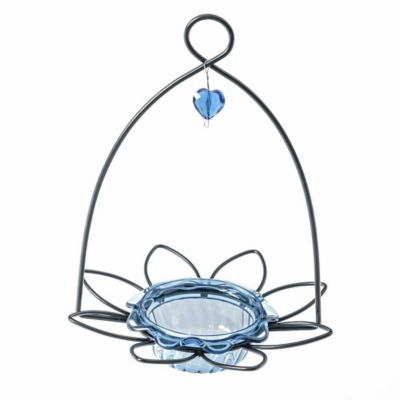
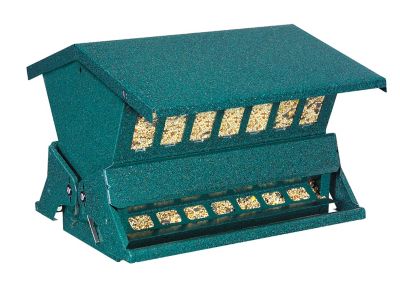
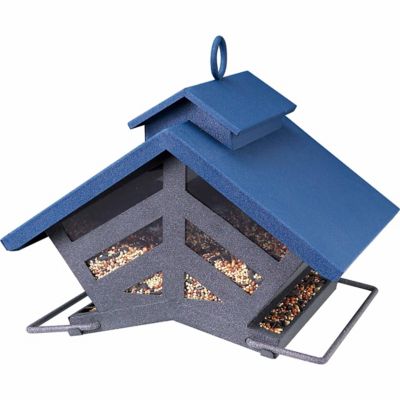
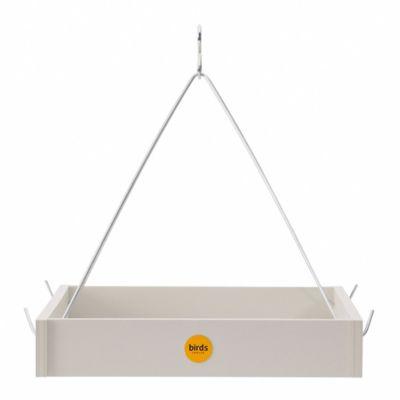
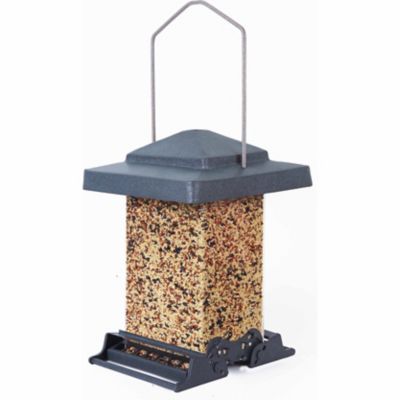
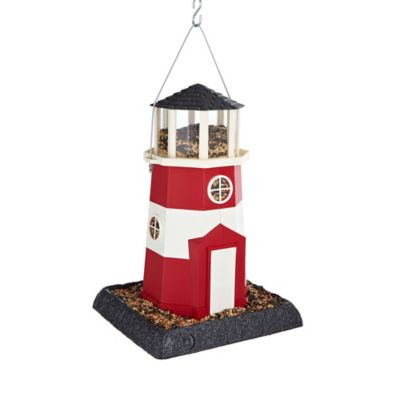
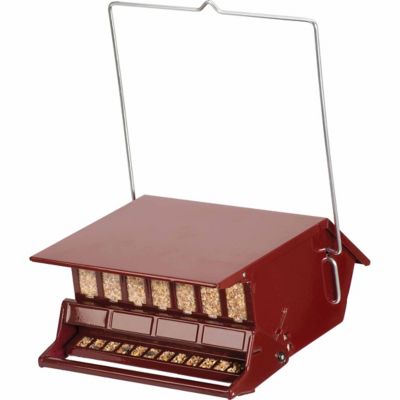
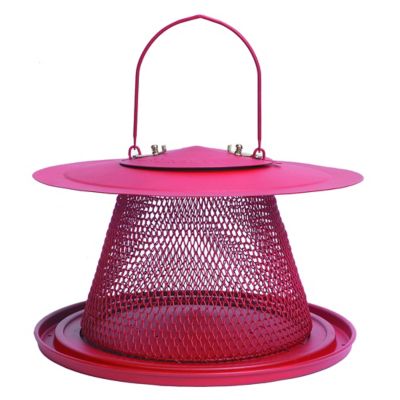
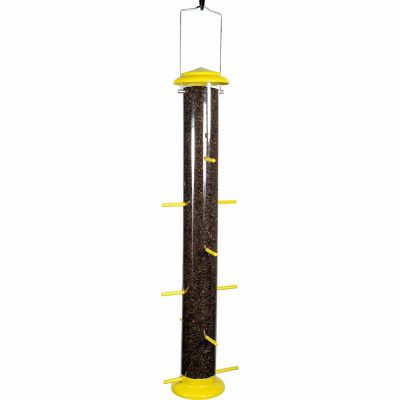
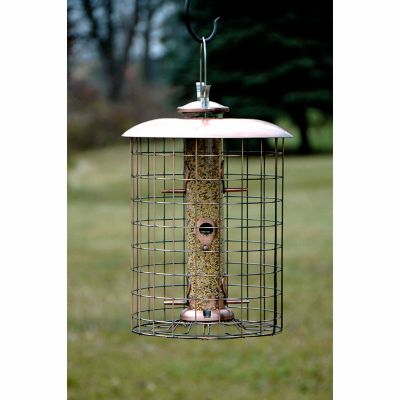
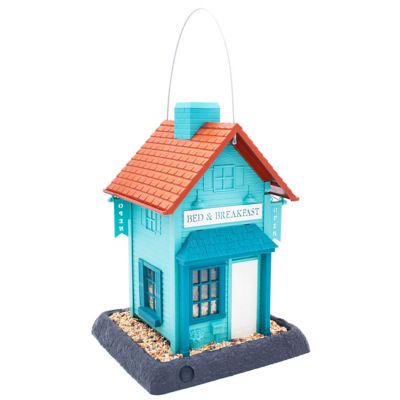
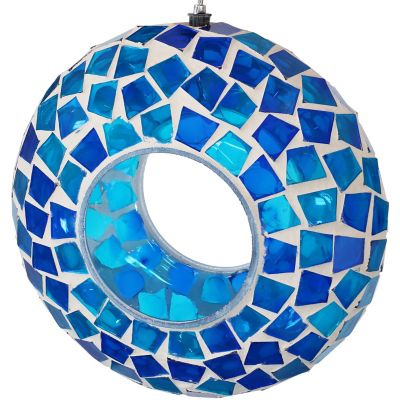
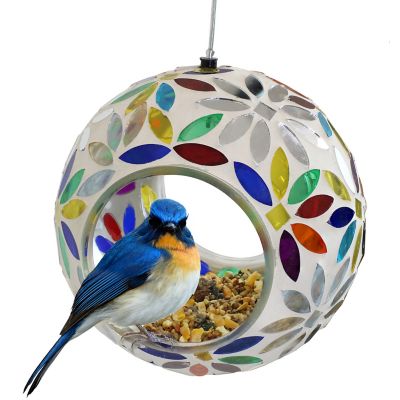
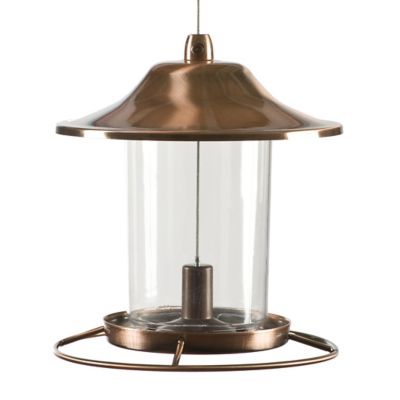
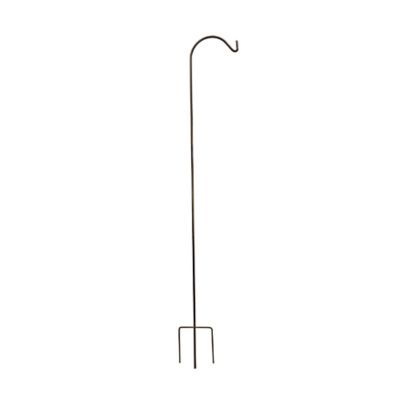
Decorative bird feeders bring a little life and movement to porches, patios, gardens and backyards while adding the charm of a piece of outdoor décor. They can be as simple as an open platform with a patterned roof or as eye-catching as a mosaic-style feeder that catches the light on a shepherd’s hook. Rustic wood, weathered metal, copper-look finishes, colorful glass and powder-coated steel all offer different looks, so it helps to think about the setting before choosing one. A feeder tucked among flower beds may look best with natural tones and a simple roof, while one near a kitchen window or sitting area can serve as a bright focal point. During the cooler months, a well-placed feeder gives cardinals, chickadees, finches, sparrows and other backyard visitors a dependable place to find food, and it gives the household a front-row view of their daily routines. An open fly-through tray makes it easy to watch birds from several angles and is handy for filling and cleaning, while a covered house-style feeder helps shield seed from some rain and snow. Decorative tube feeders and feeders with smaller ports can be a good fit for finches and other small birds, while broad trays may attract larger songbirds and ground-feeding species. Local bird activity varies by region, but offering a few feeder styles over time can help reveal which visitors are common around your property. For a porch, balcony or smaller yard, look for a compact design that can hang from a hook, bracket or sturdy branch. For larger spaces, a post-mounted feeder or a decorative station can become part of a wider landscape arrangement with shrubs, trees and native plants that offer birds shelter.
Looks matter, but outdoor construction matters just as much. A decorative bird feeder should be made to handle sun, wind and changing weather without becoming a chore to maintain. Treated wood, powder-coated metal, thick glass and other weather-resistant materials can help a feeder hold up through repeated use. Check that the roof, hanger and seed tray feel sturdy, especially if the feeder will be placed where squirrels, jays or heavier birds may land. A roof with a decent overhang helps keep seed drier, and built-in drainage holes allow rain to escape instead of leaving seed sitting in damp conditions. Wet seed can spoil, clump together or grow mold, so drainage is one of those small details that makes a real difference. Removable trays, wide openings and simple hardware also make regular cleaning easier. Place the feeder where it can be reached safely for refilling and washing, rather than hanging it high in a tree where every service visit becomes a ladder job. At the same time, give birds a little cover by positioning the feeder within reasonable reach of shrubs or branches, while leaving enough open space for them to spot predators. Keeping it a few feet from windows or farther away from glass can help reduce the chance of collisions; window decals or other bird-safe treatments may provide added protection when a feeder is near the house. Seed selection should match the feeder and the birds in your area. A general seed blend works well for many common visitors, while sunflower seed, millet or finch-friendly blends may draw different types of birds. Avoid filling a decorative feeder beyond what birds can eat in a short period, particularly when damp weather is expected. Sweep spilled seed from beneath the feeder, rotate its location when practical and wash the feeder regularly with mild soap and water, allowing it to dry completely before adding fresh seed. These simple habits help keep the feeding area cleaner and make the display more enjoyable for birds and people alike.
Decorative bird feeders also make thoughtful gifts for birdwatchers, gardeners, new homeowners and anyone who enjoys adding personality to an outdoor space. They are a nice housewarming choice because they combine practical use with an attractive accent, and they can be paired with a bag of birdseed, a hanging hook or a small garden ornament for a gift that feels personal without being fussy. Grandparents and families often enjoy a feeder placed just outside a window, where children can learn to notice the difference between a bright cardinal, a quick-moving finch and a curious chickadee. A colorful feeder can brighten a porch during gray weather, while a rustic design fits naturally beside a barn, fence line or country garden. If you prefer a lightweight option that is easy to move or clean, consider browsing
Plastic Bird Feeders as well. When choosing among decorative bird feeders, consider the recipient’s style, the available hanging or mounting spot, the types of birds seen nearby and the amount of upkeep they are likely to enjoy. A feeder with a bold finish may suit a lively cottage garden, while a neutral metal or wood design can blend into a more traditional landscape. As the weather shifts from mild days to colder stretches, keeping the feeder stocked and protected from excess moisture can encourage regular visits. With a little thought about materials, placement, capacity, drainage and access for cleaning, a decorative feeder can serve as both a dependable food station and a welcoming bit of backyard character for seasons to come.