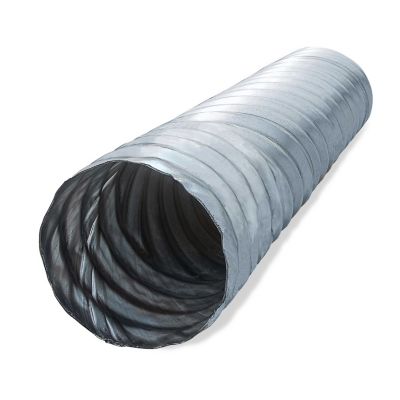
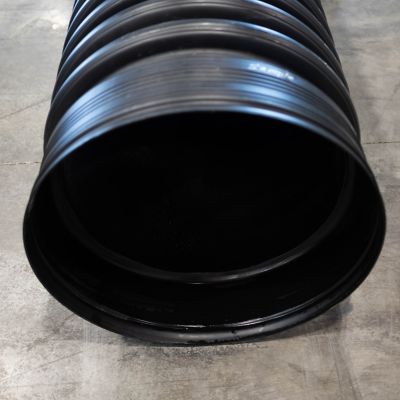
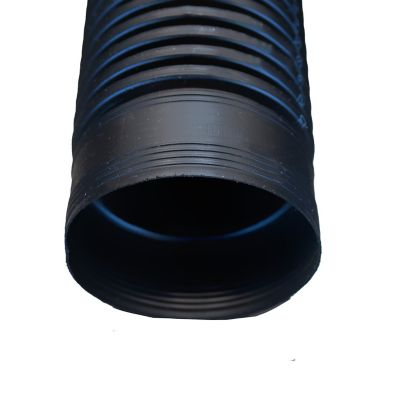
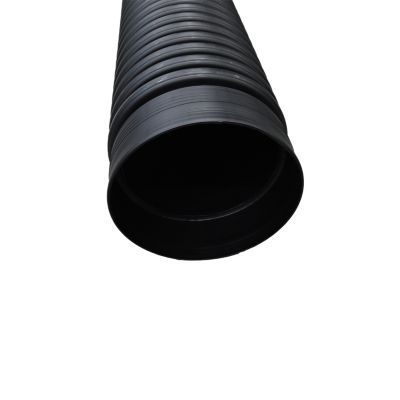
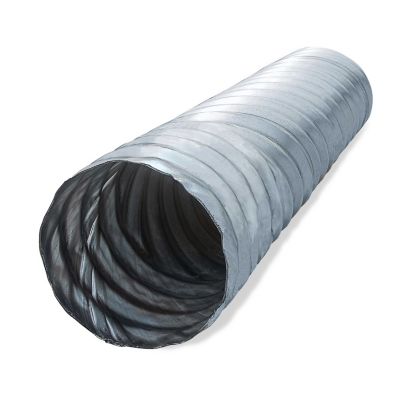
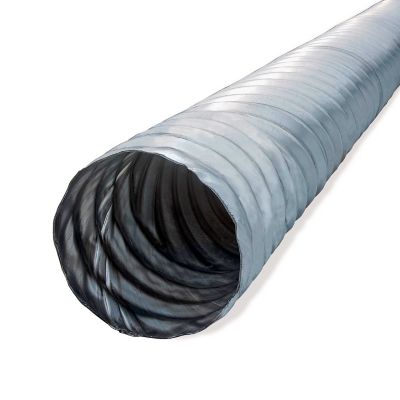
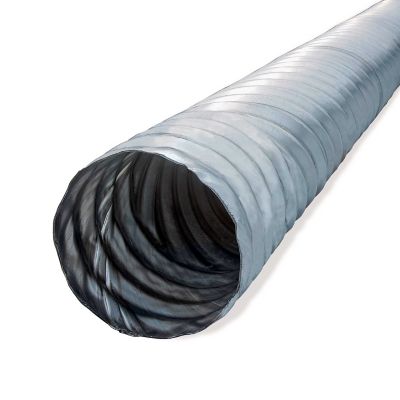
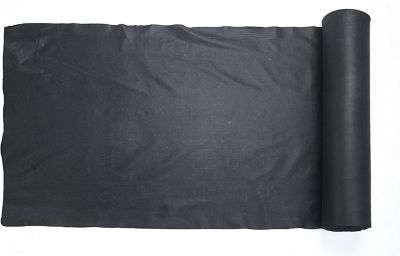
Perforated drainage pipe collects excess water from the surrounding ground and carries it toward a suitable outlet. Small holes or slots in the pipe wall let subsurface water enter, while a properly graded run allows gravity to move it away. That makes perforated pipe different from solid drain pipe, which carries water between collection and discharge points without intentionally taking in water along the way. Around a home, acreage or small farm, perforated pipe can be part of a French drain, a foundation drainage system or a drainage run beside a persistently soggy stretch of yard. Think of the soft ground along a fence line, the low strip beside a garden or the damp area between a building and a slope. Each setting has different demands, but the basic purpose stays the same: give excess groundwater a path away from an area where it causes trouble. A French drain usually combines perforated pipe with clean drainage stone and, when appropriate for the soil, a filtering fabric that helps separate soil from the stone. The stone provides open space for water to reach the pipe; the pipe provides a defined route toward the outlet. Perforated pipe is not a substitute for correcting every surface drainage problem, though. Water flowing across a driveway may need a catch basin or channel drain, while roof runoff generally belongs in a solid conveyance line rather than a perforated section beside the foundation. For homeowners, landowners, landscapers and contractors, choosing the right drainage pipe starts with understanding whether the job calls for collecting groundwater, transporting collected water or combining both functions in separate sections of a system. A clear destination matters just as much as the collection area, since a buried pipe cannot drain effectively into an outlet that stays submerged or sits too high.
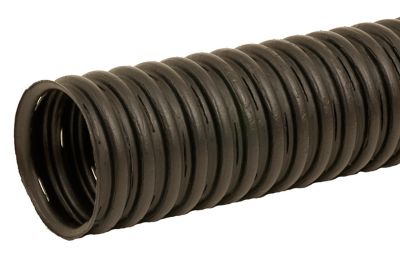
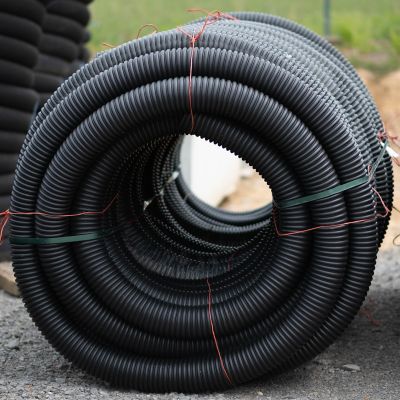
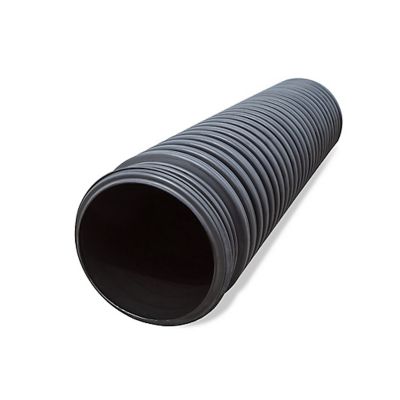
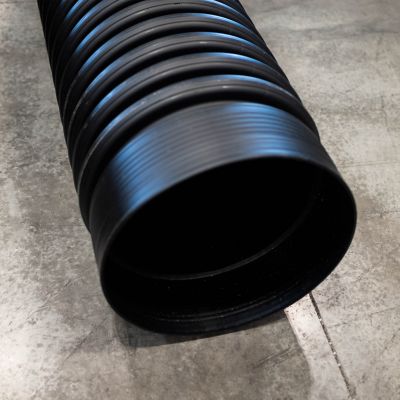
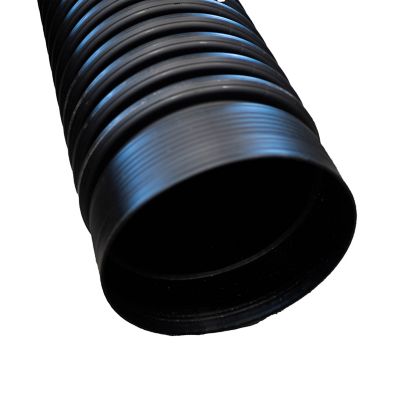
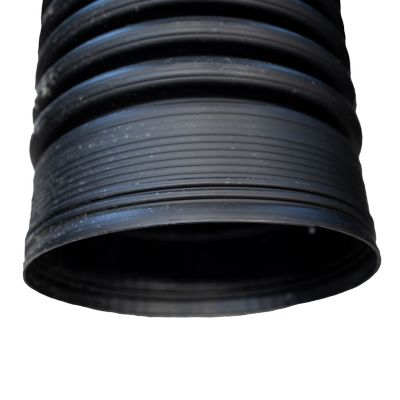
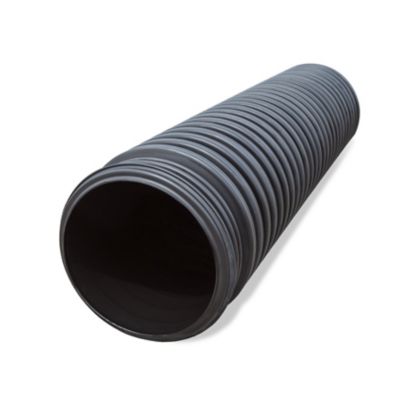
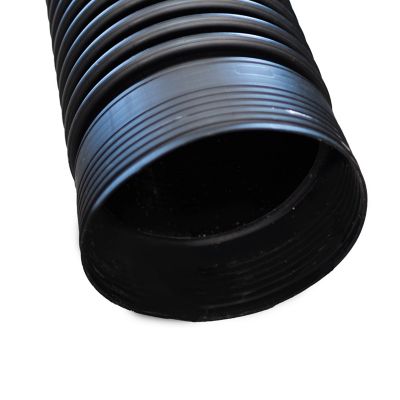
Material and wall construction affect how perforated drainage pipe handles bends, connections and the demands of burial. Corrugated polyethylene pipe is a common choice for landscape drainage because its flexibility can accommodate gradual curves around planting beds and other obstacles. Coiled lengths can reduce the number of connections along winding runs, although the layout still needs consistent fall without low pockets that hold sediment. Rigid perforated PVC offers a straighter profile and typically has a smooth interior, with directional changes handled through compatible fittings. Some polyethylene pipe combines a corrugated exterior with a smooth interior, so exterior appearance alone does not tell the whole story. Wall design, stiffness and the manufacturer's burial requirements deserve a close look, especially near driveways, equipment routes or other loaded areas. Pipe beneath a lawn faces different demands from pipe beneath a lane that carries a tractor or loaded trailer. Cover depth, bedding and backfill all contribute to how well the installed pipe holds its shape; a heavier-looking wall alone does not establish a traffic rating. Diameter is another important fit consideration. Four-inch pipe is common in residential landscape drainage, but the right size depends on the drainage area, expected flow, slope and outlet conditions. A larger diameter cannot make up for a blocked outlet or an unsuitable layout. Matching connections also takes more than checking the nominal size printed on the pipe. Corrugated and smooth-wall systems may need different couplers, adapters, tees and end caps, and connections should follow the manufacturer's specifications. Perforation patterns vary as well. Round holes, narrow slots and openings distributed around the circumference do not necessarily share the same placement requirements. Manufacturer directions determine orientation rather than a blanket rule about pointing every opening up or down. For a long run beside a pasture fence or a short section near a building, compatible components and an appropriate wall rating help the system fit the job from end to end.
The ground around a drainage pipe plays a big part in its working life. Clean, washed drainage stone leaves spaces for water movement, while soil packed directly against the openings can restrict entry and carry sediment into the line. Nonwoven geotextile fabric and fabric-wrapped pipe are options for managing soil migration, but the right filtration approach depends on soil characteristics and the drainage design. A fabric sock is not a guarantee against clogging, particularly where fine particles can collect at the fabric surface. Clay-heavy ground also releases water differently from sandy ground, so a pipe alone may not quickly dry out an entire patch of tight soil. Behind retaining walls, drainage has another important role: helping limit water buildup and the pressure it can place on the structure. The
Drainage Pipes For Retaining Walls collection brings that application into focus for projects along terraced gardens, raised grades and sloped yards. Wall height, backfill, outlets and structural requirements all matter, and drainage pipe does not replace a properly designed wall. Foundation projects likewise warrant attention to footing details, waterproofing and local requirements before excavation. Across these applications, consistent slope and a lawful discharge location are central considerations; there is no single trench depth or slope that fits every property. An outlet should not send water onto a neighbor's land, undermine a bank or create a hazard along a traveled area. Underground utility locations, septic components and existing lines also belong in the planning picture, with 811 contact before digging. Once a system is in place, accessible cleanouts and a visible, protected outlet make upkeep more practical. Checking for sediment, root intrusion, crushed sections and blocked discharge openings can help explain a slowdown before more digging becomes necessary. For the person tending a yard, keeping a garden workable or looking after ground around an outbuilding, a well-matched perforated drainage pipe is one part of a complete system built around the soil, the site and a clear path for water.