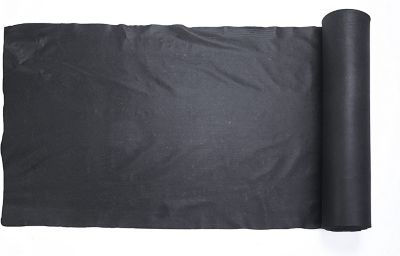
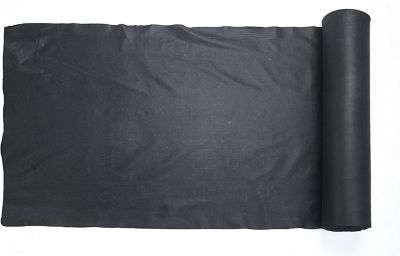
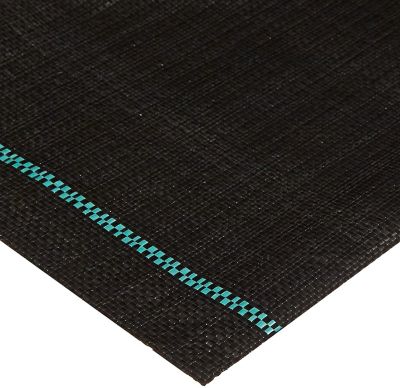
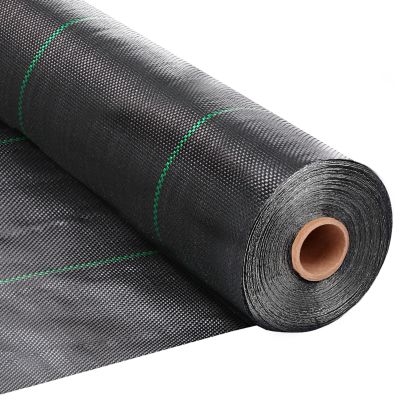
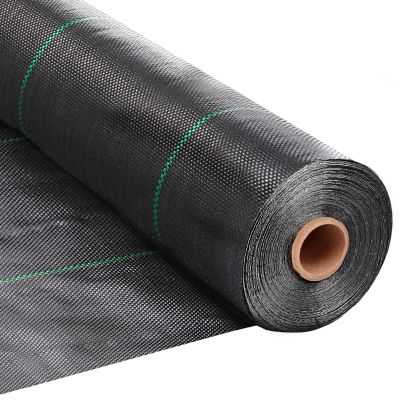
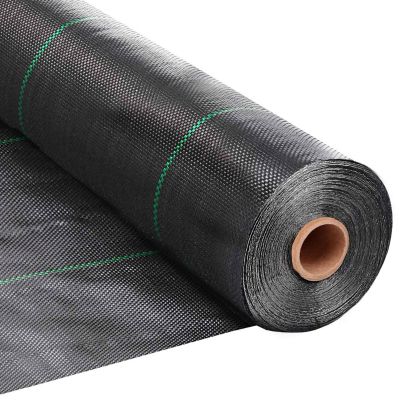
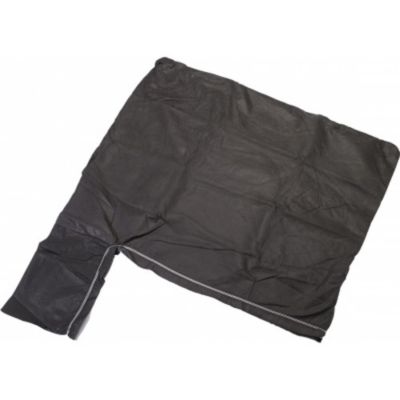
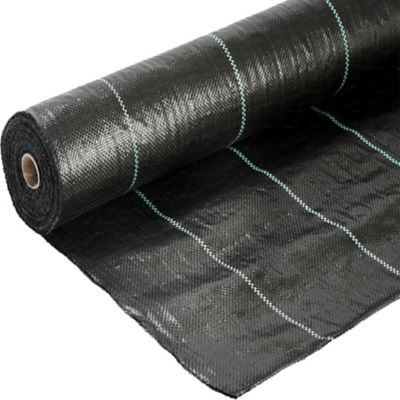
Drainage filter fabric is a water-permeable geotextile that separates soil from drainage stone, helping water reach a drain while limiting the movement of soil particles into the gravel. Those open spaces between stones matter: when surrounding dirt works its way into them, water has less room to move. A suitable filter fabric helps preserve that drainage space around French drains, behind retaining walls, and along other belowground drainage systems. For a homeowner dealing with soggy ground beside a gravel driveway or a property owner planning drainage near an outbuilding, the fabric serves a different purpose than the pipe or stone. It provides filtration and separation; it does not create an outlet or correct a trench that lacks the proper slope. Nonwoven geotextile fabric is a common choice for these applications. Typically made from polypropylene or polyester fibers bonded into a felt-like sheet, it allows water to pass through a network of small openings while holding back a portion of the surrounding soil. The right balance depends on the soil and the demands of the project. Fabric that holds back particles but restricts water too much can become a bottleneck, while openings that are too large may allow excessive soil migration. Not every woven fabric is unsuitable for drainage, either. Some woven geotextiles have filtration specifications, while tightly woven slit-film materials often serve other purposes. Construction and tested performance matter more than appearance alone. The same goes for landscape fabric intended mainly for weed suppression: a sheet that belongs beneath garden mulch is not automatically a match for a buried drainage trench. For drainage work, the relevant details include water-flow characteristics, opening size, strength, and the manufacturer's stated applications. That distinction helps keep the focus on what happens below the gravel, where a fabric needs to work with the soil rather than simply cover it.
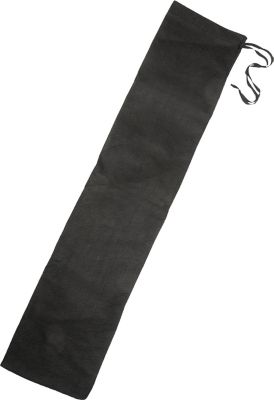
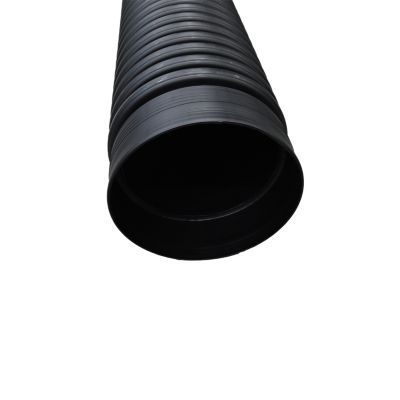
Fit starts with the shape of the drainage system, not just the length of the trench. Sheet-style drainage fabric comes in rolls, with width determining how much of the bottom, sides, and top of a stone-filled trench it can cover. A narrow trench can still require a fairly wide sheet once both sidewalls and the closing overlap are included. Roll length also needs to account for adjoining sections, corners, and changes in the trench layout. Overlaps help prevent an open seam from becoming a path for soil to enter the stone. Some installation specifications call for 12 to 18 inches of overlap, but the required amount depends on the fabric, ground conditions, and project design. Loose ground or a demanding application may call for a different arrangement. Fabric that follows the trench contours without being pulled tight is less likely to bridge an uneven spot and take concentrated pressure when stone goes in. Pipe sleeves, also called drain socks, offer another form of filtration. These tubular covers fit around compatible perforated drainage pipes, with sizing based on the pipe dimensions and the sleeve manufacturer's fit information. A nominal 4-inch pipe designation alone does not settle every fit question; corrugations, outside diameter, and sleeve stretch can affect compatibility. Knitted polyester sleeves are one common construction, though materials vary. A sock filters around the pipe itself, while a sheet lining surrounds the drainage stone as well. Those arrangements protect different parts of the system, so a pipe sock is not automatically a substitute for a trench liner, and combining both is not always necessary. Drainage filter fabric and
Perforated Drainage Pipe perform separate jobs: the fabric helps manage soil movement, while the pipe collects and carries water toward an appropriate discharge point. Matching those components to the trench design makes more sense than choosing each one in isolation, especially along a long driveway or around a building where access for later repairs may be difficult.
Fabric weight is another useful comparison, provided it stays in context. Geotextile weights such as 4, 6, or 8 ounces generally refer to ounces per square yard, not the total weight of the roll. A lighter nonwoven fabric may suit some residential drainage applications, while a heavier fabric may offer greater resistance to punctures or handling damage. More weight does not automatically mean better filtration, faster flow, or a better match for clay soil. Fine silt and clay deserve particular attention because soil characteristics affect whether particles collect at the fabric surface, pass through it, or gradually restrict flow. Manufacturer specifications such as apparent opening size and permittivity help describe these relationships. Apparent opening size relates to the fabric's openings, while permittivity describes water movement through the fabric under standardized test conditions. Neither number tells the whole story without the soil and installation requirements. Around a gravel parking area, beneath angular drainage stone, or beside a retaining wall, resistance to tearing and puncturing can matter just as much as filtration. Stone size, placement, and construction traffic all affect the demands placed on the material. Even a substantial fabric can suffer damage from sharp objects or equipment traveling over an inadequately covered layer. Care is mostly about protecting the material before and during installation rather than cleaning it afterward. Storage away from prolonged sunlight, protection from tears, and keeping loose soil from coating the fabric help preserve its intended performance. Exposure limits vary, so covering requirements should follow the manufacturer's directions rather than an assumed universal timeline. Once buried, filter fabric is generally not something to pull out for routine washing or replacement. That makes the initial match between fabric, soil, stone, and pipe especially important. For homeowners, farm property owners, and landscaping crews, the goal is a drainage assembly that keeps its separate layers working together, with a clear water path and fewer opportunities for surrounding soil to fill the spaces meant for drainage.