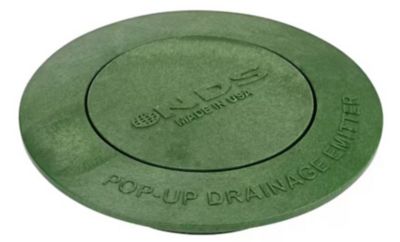
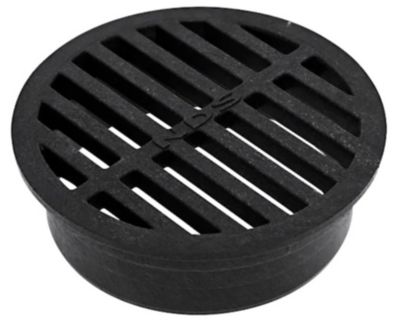
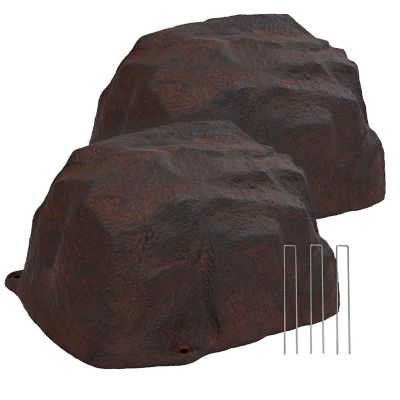
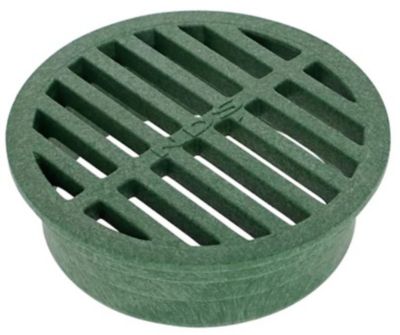
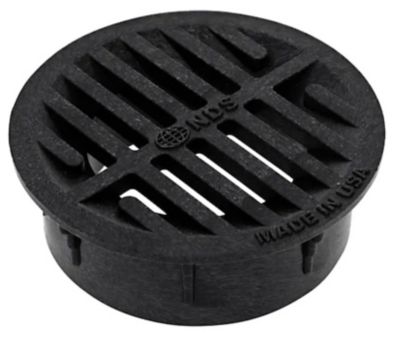
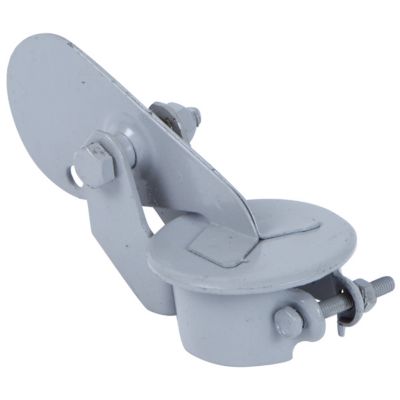
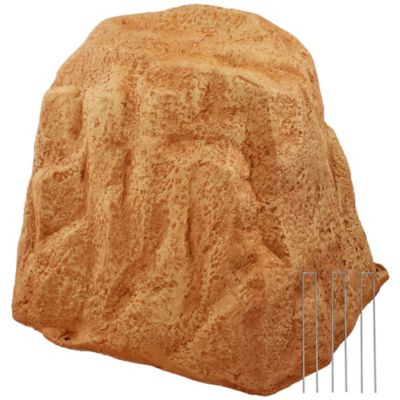
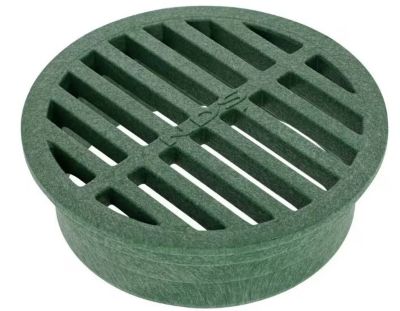
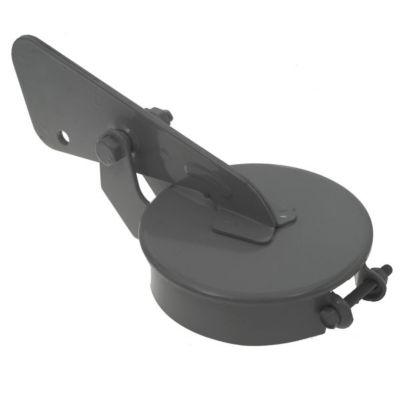
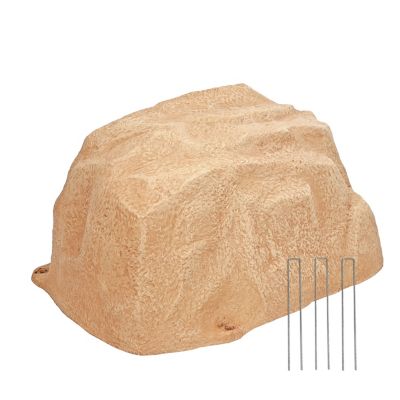
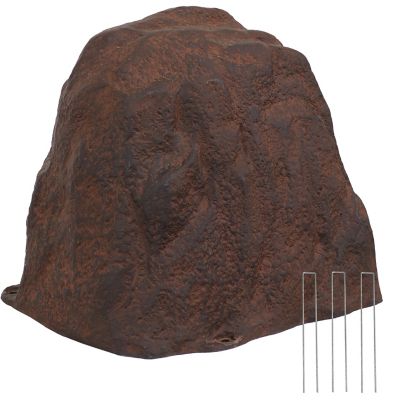
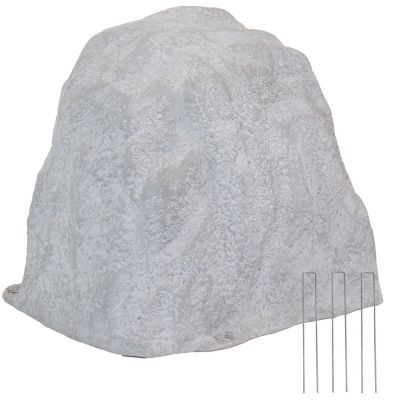
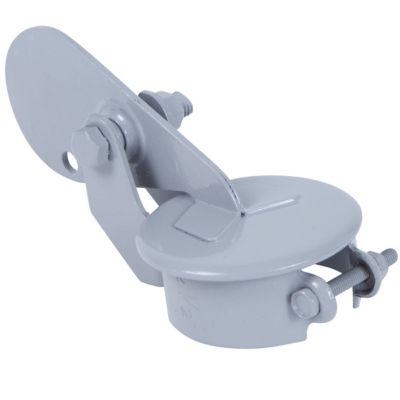
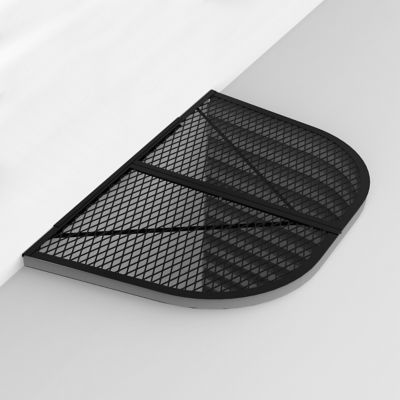
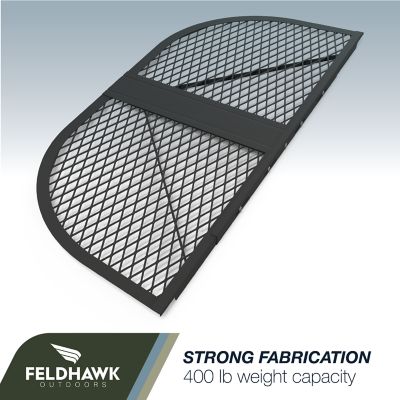
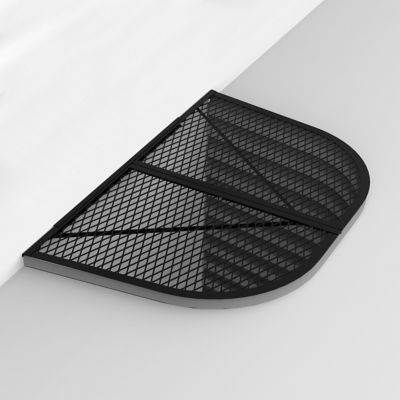
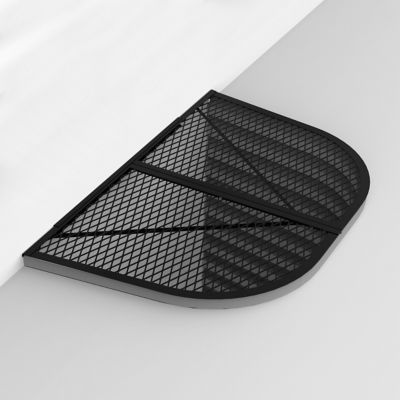
Drainage pipe covers are a simple part of a property’s water-management setup, but they can make a big difference when runoff, leaves, sticks and curious critters start finding their way into open pipe ends. These covers are commonly used over the outlets and inlets of drainage pipe, culverts, French drains, catch basins and other water-moving systems around farms, homes, driveways and outbuildings. The right cover helps keep larger debris from blocking the pipe while still allowing water to pass through, which can reduce the chance of standing water, muddy low spots and hard-to-reach clogs. Property owners may use them near a gravel drive, along a pasture edge, beside a barn, around a garden or anywhere a buried drainage line meets the surface. They can also add a finished look to a pipe opening that might otherwise be rough, exposed or easy to overlook. When browsing drainage pipe covers, start by checking the pipe’s actual inside or outside diameter, depending on how the cover is designed to fit. A cover that is too loose may shift during heavy rain or soil movement, while one that is too tight may not install properly. It also helps to look at the opening style and the way the cover attaches, especially if the pipe is set in packed soil, gravel, concrete or a drainage structure. Keep an eye on the material, thickness and overall construction as well. Outdoor drainage parts need to stand up to wet ground, sun, freezing temperatures and the occasional bump from a mower, wheelbarrow or piece of equipment. A cover intended for a tucked-away pipe opening may not be the best choice for a spot that sees foot traffic or rolling loads, so match the cover to the location instead of relying on size alone.
These products can be useful for a wide range of property owners, from folks maintaining a rural homestead to contractors, landscapers, facility crews and do-it-yourselfers handling a drainage project one section at a time. A farmer might place a cover over a culvert entrance near a field road to help keep branches and windblown trash out of the line. Someone caring for a backyard slope may use one at the end of a drainpipe to help protect the outlet while directing rainwater away from a foundation, shed or animal area. Around a livestock property, a properly fitted cover can help keep an open pipe from becoming a place where small animals, bedding or loose feed collect. In wooded areas, it is especially helpful to think about seasonal debris. Pine needles, leaves, acorns and small twigs can build up quickly during the cooler months, while summer storms may wash mulch, gravel and loose soil toward a drain opening. A cover will not replace regular maintenance, but it can act as a first line of defense and make cleanup more manageable. Before installing one, clear away accumulated dirt and inspect the pipe for cracks, crushed sections or heavy blockage. Make sure the water has a clear path and that the outlet is not aimed toward a neighbor’s property, a foundation or an area where animals and people regularly pass. If the pipe carries a strong flow, check that the cover is secured well enough to stay in place during a downpour. For common sizing needs, shoppers looking for
6 Inch Drain Covers can compare options made for that pipe diameter and then confirm the fit against the pipe already installed. Taking a quick measurement before ordering saves a return trip and helps keep a drainage project moving.
Choosing a drainage pipe cover also means thinking about how easy it will be to inspect and clean later. Water systems work best when they are not forgotten after installation. Walk the property after a heavy rain and look for slow drainage, pooling, fresh erosion or soil washing around the pipe opening. If water backs up, remove leaves and other debris from the cover and check farther into the pipe if needed. Areas beneath trees, beside gravel drives and near construction or pasture work may need more frequent attention than a protected outlet beside a house. For a new installation, set the pipe with the proper slope, stabilize the surrounding soil and use suitable gravel or other backfill where the drainage plan calls for it. The cover should sit securely without being buried so deeply that it cannot be reached for inspection. In some locations, adding a visible marker nearby can help keep the opening from being hidden by tall grass or struck by equipment. Families, landowners and maintenance crews can all benefit from choosing a cover that fits the pipe, suits the amount of water moving through it and matches the conditions around the opening. These are practical items rather than decorative extras, yet they often help protect the work already put into a drainage system. Whether you are finishing a small yard project, keeping water moving away from a barn or maintaining a long driveway through changing weather, the right drainage pipe cover can provide a dependable barrier against debris and help make routine property care a little less of a chore.