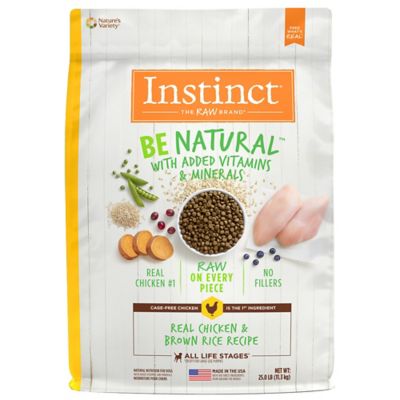
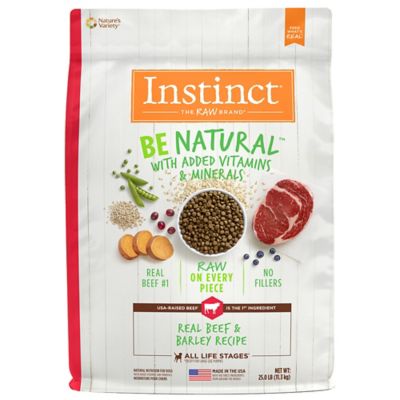
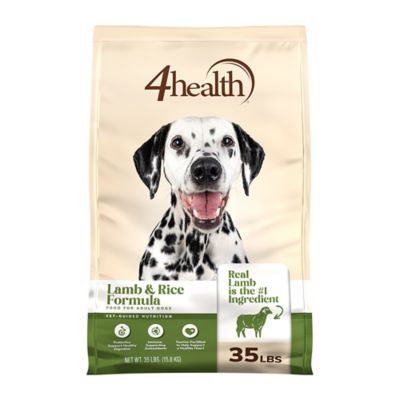
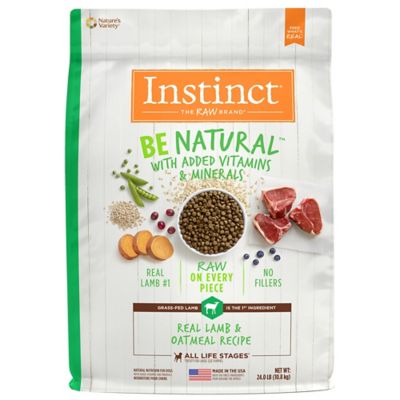
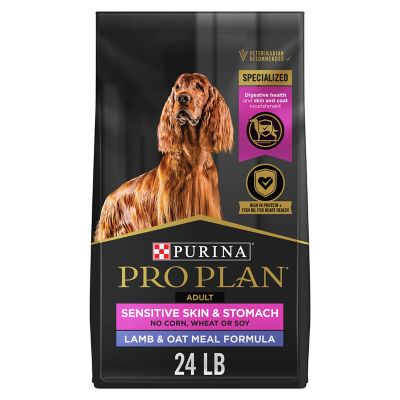
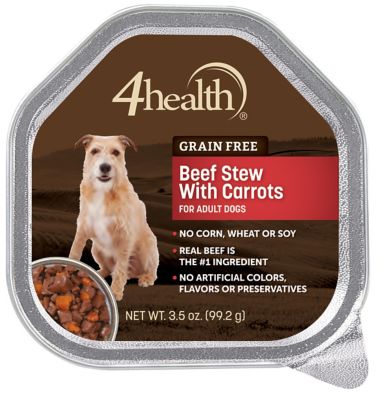
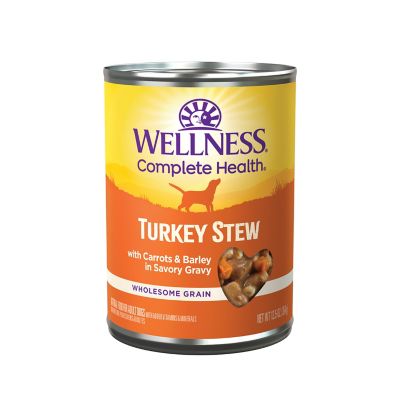
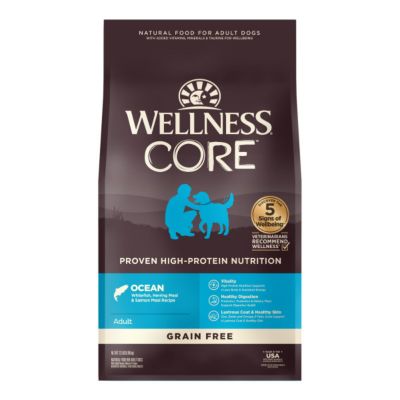
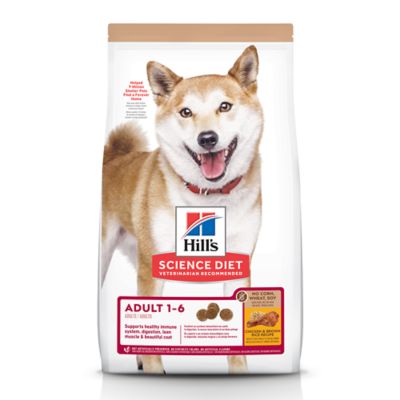
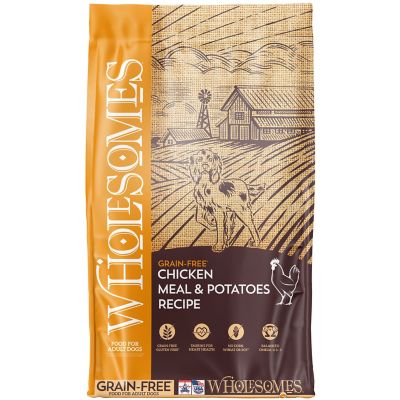
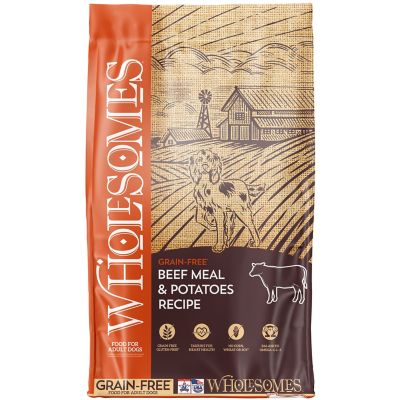
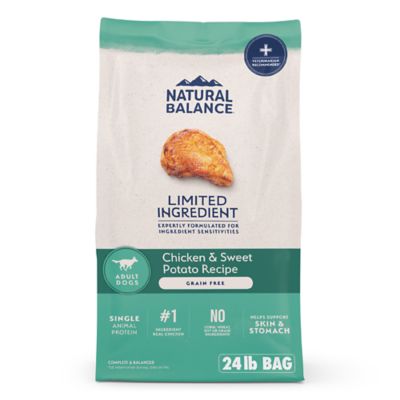
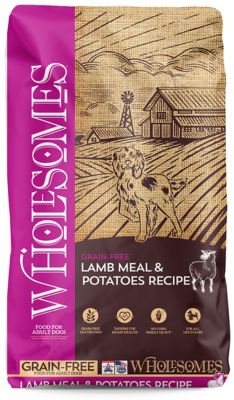
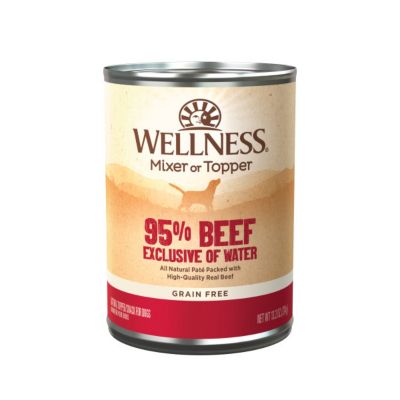
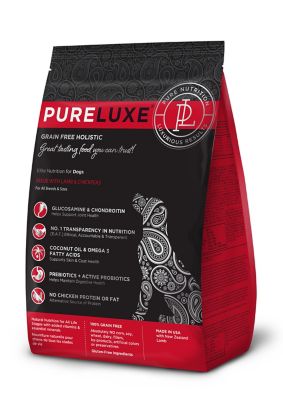
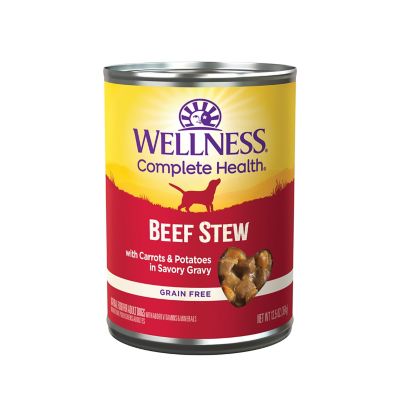
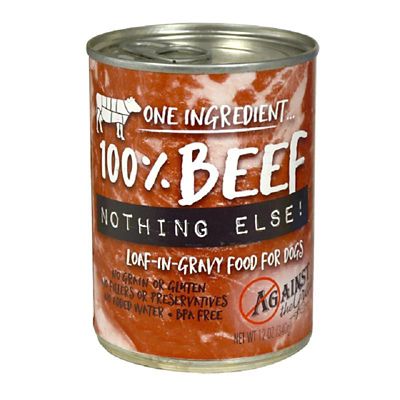
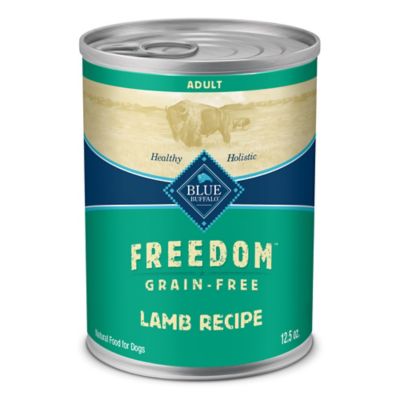
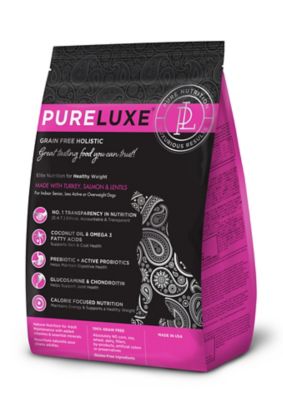
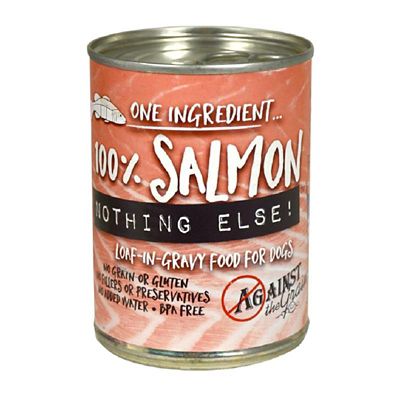
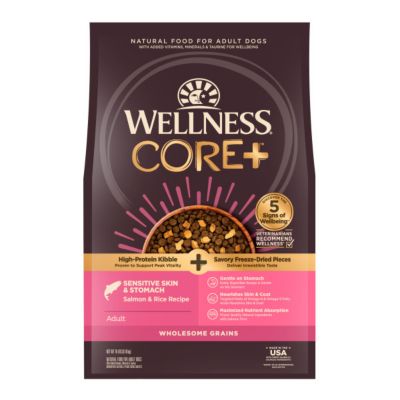
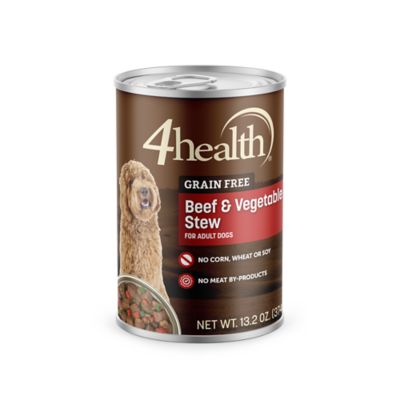
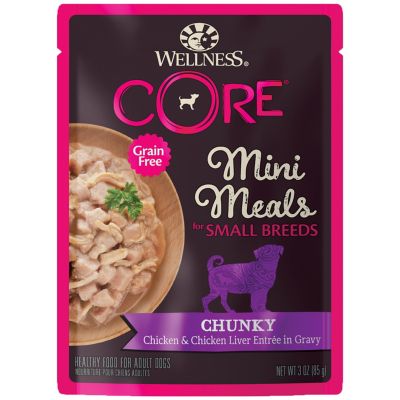
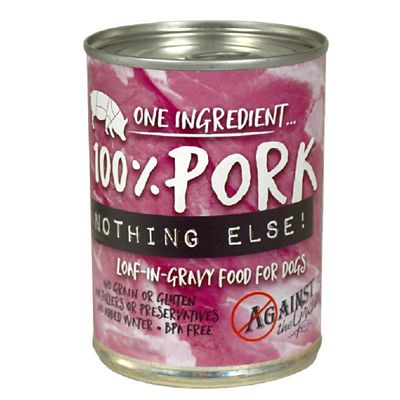
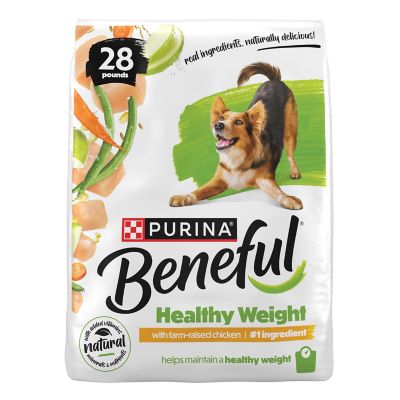
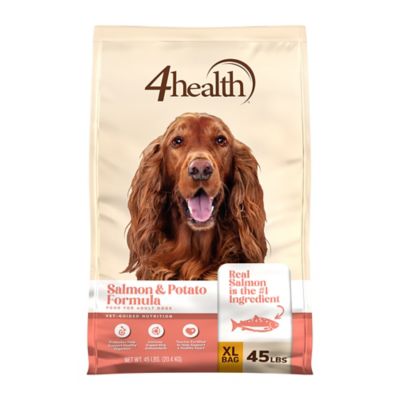
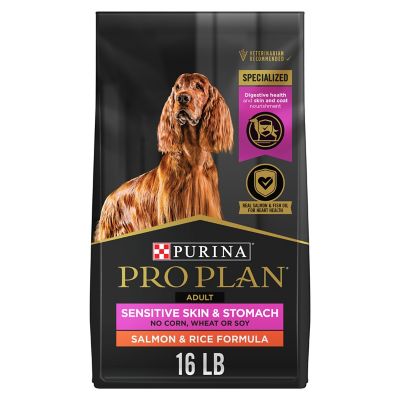
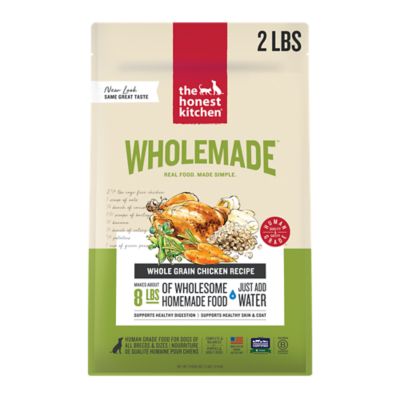
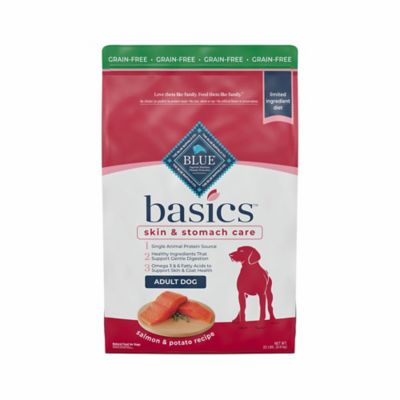
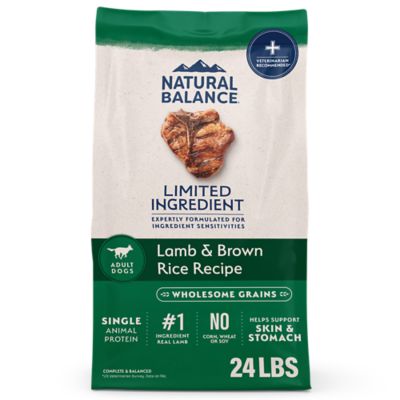
No Wheat Dog Food can be a helpful choice for households that are managing a known wheat sensitivity, following a veterinarian’s feeding plan, or simply looking for recipes that leave wheat out of the ingredient list. Some dogs do well with wheat, while others may show signs such as itchy skin, recurring ear trouble, loose stools, or an upset stomach after eating certain foods. Those signs can have many causes, so a conversation with your veterinarian is a sensible first step before changing your dog’s diet. A wheat-free recipe is not automatically right for every pet, and it does not always mean the food is grain-free. Some recipes replace wheat with other grains, such as rice, barley, oats, or sorghum, while others rely on potatoes, peas, lentils, sweet potatoes, or other plant-based carbohydrate sources. Read the full label rather than stopping at the front of the bag. Look for a clearly named animal protein, feeding directions for your dog’s life stage, calorie information, and a statement showing that the recipe is complete and balanced for the intended stage of life. Puppies, adult dogs, older dogs, and dogs with special health needs can have very different nutrition requirements, so the right selection depends on more than the absence of one ingredient.
When comparing wheat-free dog food, start with your dog’s everyday routine. A high-energy farm dog that spends long days moving through fields may need a different calorie level than a house dog who prefers a sunny spot on the porch. Weight, age, activity, breed size, and current health all matter when choosing a bag and deciding how much to serve. Pay attention to the first several ingredients, since they make up much of the recipe, and note whether the main protein is chicken, beef, lamb, fish, turkey, or another source your dog already tolerates. If you are trying to identify a food sensitivity, changing several things at once can make it harder to tell what helped. Many owners find it useful to introduce a new food gradually over about a week, mixing a small amount with the old food at first and increasing the new portion step by step. Keep fresh water available, store the bag in a cool, dry place, and close it tightly between meals to help preserve flavor and prevent pests. If your dog develops vomiting, persistent diarrhea, facial swelling, breathing trouble, or a sudden decline in appetite, stop and contact a veterinarian. For households looking for more recipes that leave out common grains, browse
Grain-Free Dry Dog Food and compare the ingredient panels, life-stage statements, and feeding directions side by side.
A wheat-free recipe can fit neatly into the rhythm of country life, whether you are filling the bowl before chores, packing food for a weekend at the cabin, or keeping a spare bag on hand for cooler-season travel. It may also make a thoughtful gift for a friend or family member who has recently learned that their dog needs to avoid wheat, though it is best to check the dog’s approved protein sources, life stage, and preferred texture before bringing food to their doorstep. A large bag may suit a multi-dog home, while a smaller size can be practical for a first trial or for a dog with a small appetite. Kibble is easy to portion and store, and some dogs enjoy it softened with warm water, especially during a change in routine. Keep an eye on treats, chews, toppers, and table scraps, since a wheat-free main meal can be undermined by wheat in extras. When in doubt, read every label and ask your veterinarian how the food fits your dog’s overall eating plan. With a careful look at ingredients, nutrition statements, serving sizes, and your dog’s own response, this collection makes it easier to narrow the choices and settle on a recipe that works for the bowl, the dog, and the way your household runs.