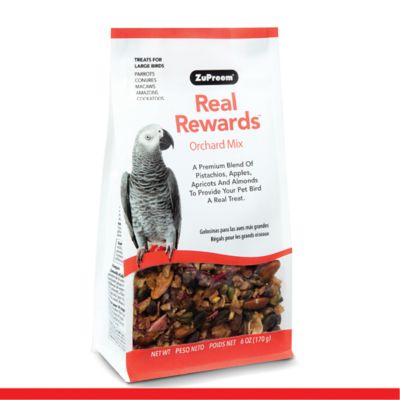
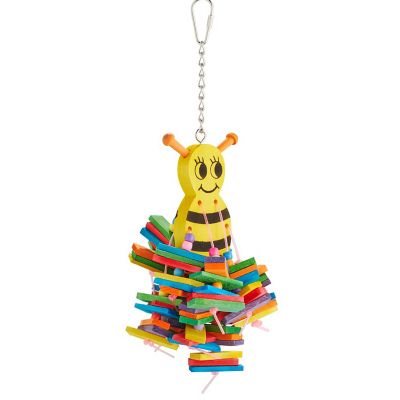
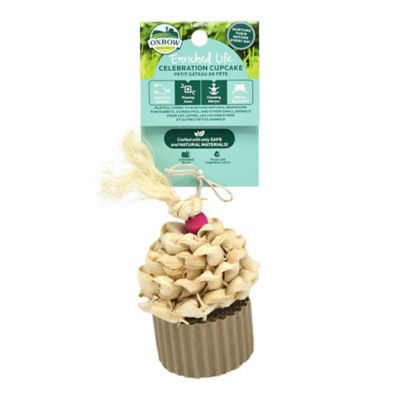
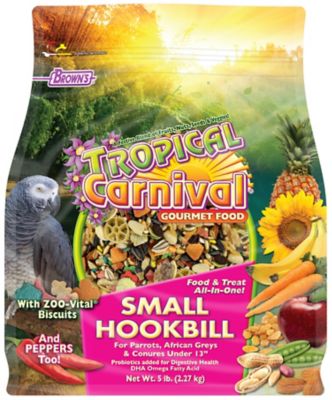
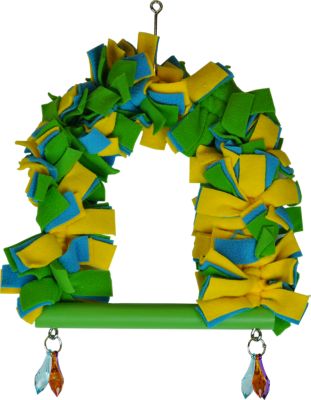
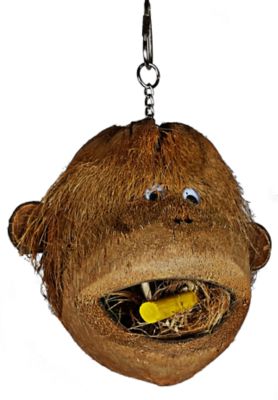
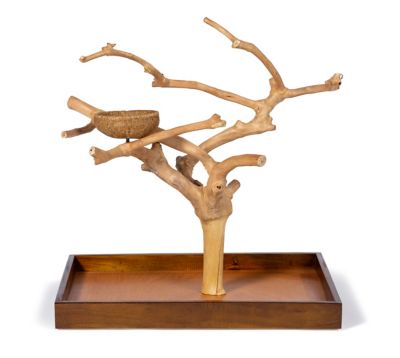
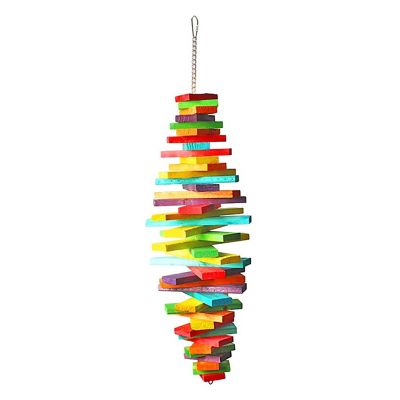
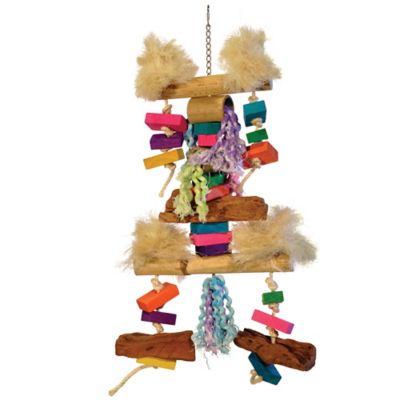
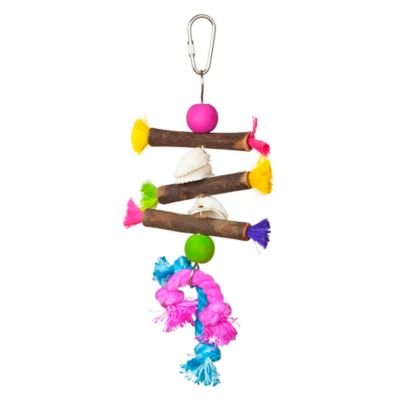
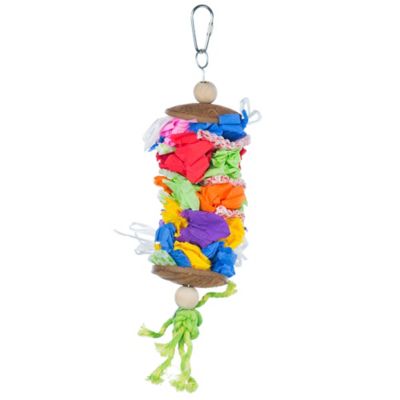
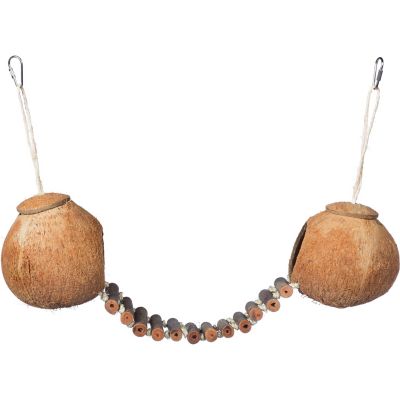
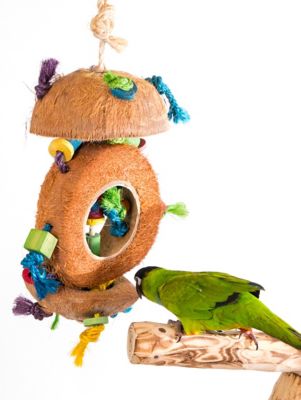
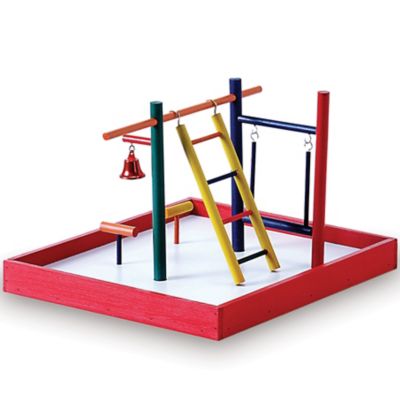
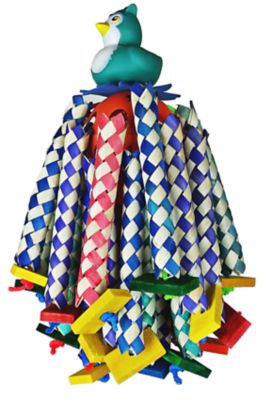
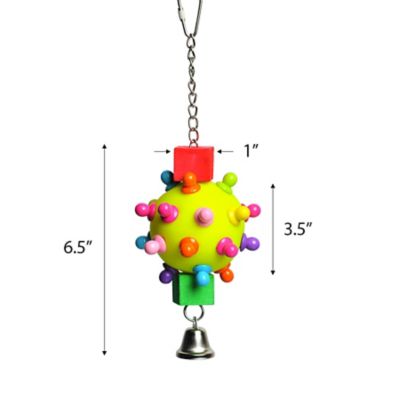
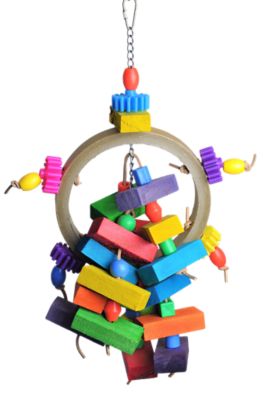
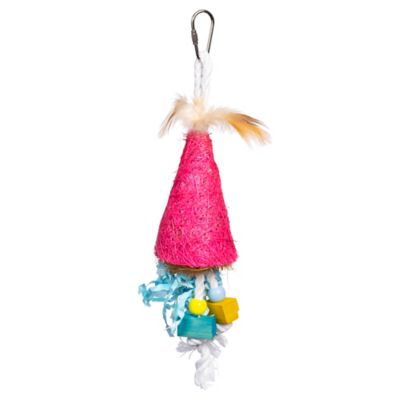
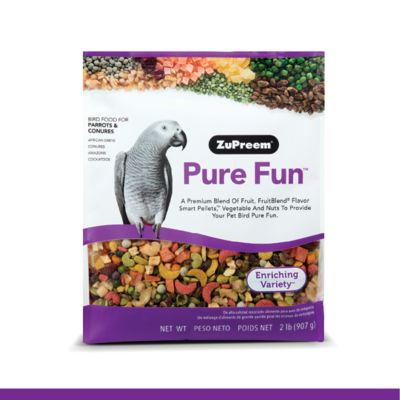
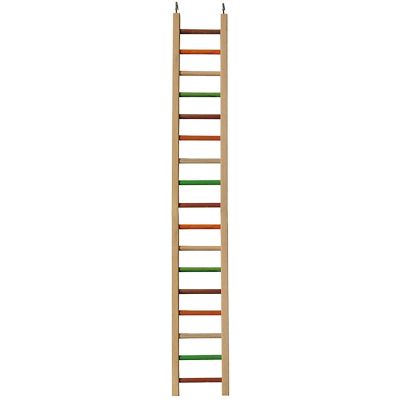
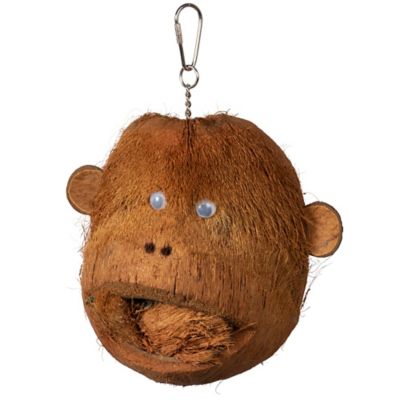
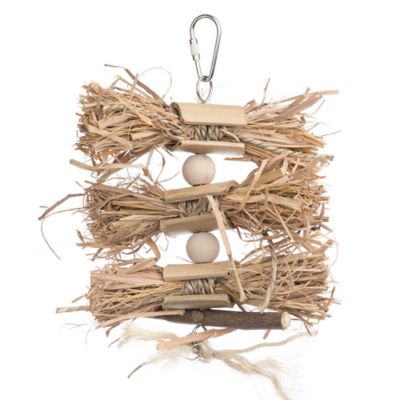
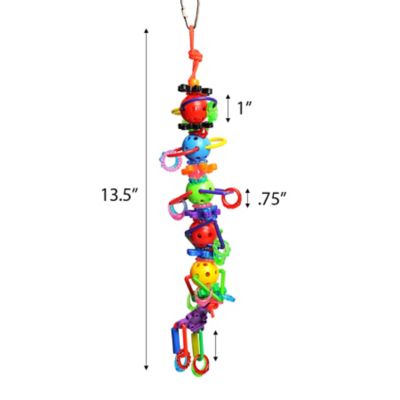
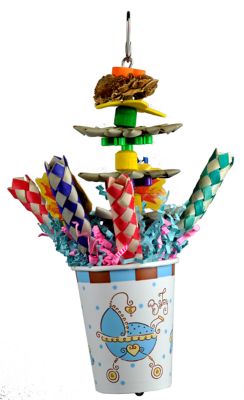
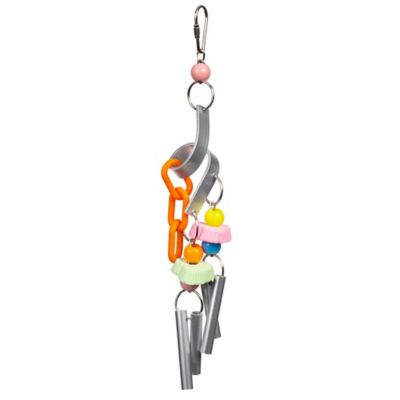
Parrot toys do more than brighten up a cage. They give companion birds a safe outlet for chewing, climbing, shredding, exploring, and working for their food—the same sorts of activities parrots would spend much of the day doing in the wild. A well-chosen toy can help fill quiet hours, ease boredom, and add variety to a bird’s daily routine, whether your feathered friend is a small parakeet, a busy cockatiel, a clever conure, or a powerful macaw. Look for a mix of textures and play styles instead of relying on one toy to do everything. Natural wood can satisfy a strong beak, paper and palm materials are made for tearing apart, and rope or woven fibers can provide climbing and foot exercise when they are securely made and kept in good shape. Foraging toys are especially useful because they encourage a parrot to search, manipulate, and solve a simple problem before reaching a favorite treat. A few pellets tucked into a paper fold or hidden behind a movable piece can turn snack time into a rewarding little treasure hunt. Interactive puzzles and foot toys also give parrots a way to use their beaks and feet together, which can be as engaging as a good chew. When choosing parrot toys, start with your bird’s size, beak strength, personality, and play habits. A toy that is suitable for a cockatiel may not stand up to an Amazon parrot, while a toy with large, heavy parts may be awkward or unsafe for a smaller bird. Birds that happily dismantle anything within reach need sturdy construction and frequent inspections, while cautious birds may warm up more readily to lightweight, colorful, or softly textured choices.
Safety deserves a close look before a new toy goes into the cage or play area. Choose items made with bird-safe wood, natural fibers, untreated paper, and durable hardware intended for companion birds. Avoid toys with peeling paint, unknown finishes, easily swallowed pieces, sharp edges, or hardware that can pinch toes or catch a beak. Small bells, beads, clasps, and fasteners should be firmly attached and sized appropriately for the bird using them. Keep an eye on rope toys, too. Once a rope begins to fray, loose strands can wrap around toes, feet, or legs, so remove or replace it before it becomes a hazard. Check wood for splinters, inspect hanging attachments, and make sure every toy remains securely fastened to the cage or stand. Even a toy labeled for birds needs regular supervision, since parrots can turn a seemingly sturdy piece into a pile of scraps in an afternoon. Placement matters as much as construction. Hang toys where your bird can reach them without having to stretch dangerously, and leave enough open space for wing movement and comfortable perching. Keep toys away from food and water dishes when shredded pieces or droppings could fall into them. Some birds prefer to play high in the cage, while others enjoy a low perch, tabletop area, or separate play stand. Watch how your bird approaches each toy. A confident chewer may go straight for the thickest branch, while a newer bird may simply touch a hanging toy and back away until it becomes familiar. There is no need to crowd the cage; several thoughtfully selected toys with room to move are often more useful than a jumble of items competing for space. For households caring for African Greys, a dedicated selection of
Bird Toys For African Greys can help match the bird’s size, intelligence, and chewing habits with more suitable ways to stay busy.
Rotating parrot toys keeps the play area feeling fresh without requiring a constant stream of new purchases. Leave a few trusted favorites in place, then change one or two other toys at a time so your bird has something familiar alongside something new. A simple rotation can be especially helpful during cooler months, when a parrot may spend more time indoors, or whenever the household schedule leaves less time for supervised out-of-cage activity. Keep clean replacement toys on hand so a worn item can be swapped out quickly, and wash or wipe reusable pieces according to their materials and allow them to dry fully before returning them to the cage. Food-based foraging toys should receive extra attention so crumbs and moisture do not linger. Toys can also make thoughtful gifts for a parrot owner, a family welcoming home a rescued bird, or a child learning the steady responsibility that comes with caring for an animal—provided an adult helps choose the right size and materials. Gift-givers may want to pair a chewable toy with a simple foraging option or a foot toy, giving the bird more than one way to play. A bird that shreds paper, tosses small objects, climbs across ropes, or works patiently at a puzzle is showing you what kind of enrichment suits its personality. Some parrots love noisy play, while others prefer quiet, focused chewing; some will spend an hour untying a knot, and others would rather pull apart a soft palm leaf. Pay attention to those little preferences and build the collection around them. With safe materials, proper sizing, regular inspections, and a mix of chewing, shredding, climbing, and foraging activities, parrot toys can help create a livelier home routine and give your bird healthy, satisfying ways to stay active and engaged.